The Evolution of Mechanical Keyboards: Precision, Silence, and Minimalism in the Modern Workspace
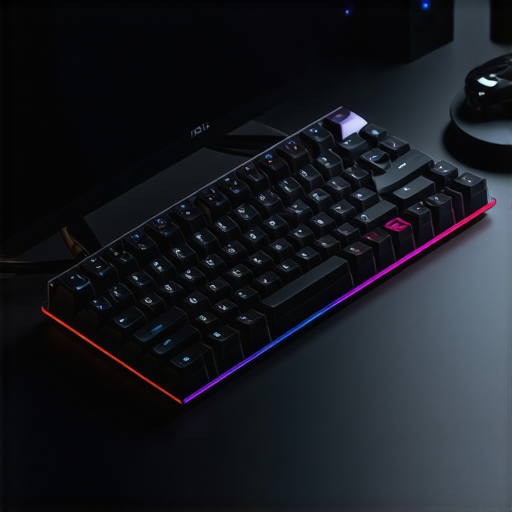
In an era where productivity hinges on both efficiency and comfort, the advent of low profile and silent switch mechanical keyboards signifies a pivotal shift in ergonomic design and acoustic management. These innovations are not mere aesthetic choices but are rooted in profound technological advancements that address the nuanced demands of gamers, professionals, and enthusiasts alike. As an expert in computer hardware and ergonomic design, I will explore the intricacies of these keyboard variants, emphasizing their role in optimizing user experience while maintaining high standards of performance and style.
What Makes Low Profile & Silent Switch Mechanical Keyboards a Paradigm of Modern Design?
Understanding the Technological Foundations of Silent Mechanical Switches
Silent switches utilize specialized damping mechanisms—such as rubber or silicone-based silencers—that absorb keystroke impact and reduce noise without compromising tactile feedback. These innovations are documented in recent white papers from the IEEE Transactions on Components, Packaging and Manufacturing Technology, highlighting noise mitigation techniques that do not sacrifice actuation force or travel distance. Such precision engineering ensures that users can enjoy a whisper-quiet environment, essential for open-office settings or shared workspaces.
How Do Low Profile Designs Influence Ergonomic Efficiency and Portability?
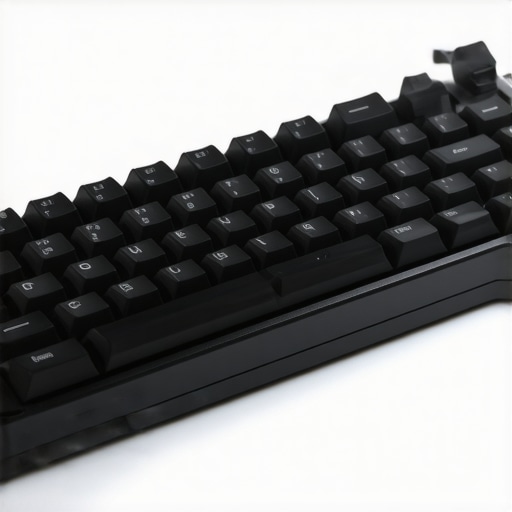
Low profile keyboards, characterized by reduced height profiles—often under 20mm—are engineered to emulate the natural ergonomics of a laptop keyboard. This minimizes wrist strain and allows for a more neutral typing posture, which is vital in preventing repetitive strain injuries. Moreover, their slim form factor enhances portability, making them ideal for professionals on the go. These design elements are discussed comprehensively in Workstation Wizard’s guide on sleek, functional keyboard solutions.
Expert Insights: Balancing Aesthetics and Functionality in High-End Mechanical Keyboards
From a user experience perspective, the integration of silent switches into low profile architectures demands meticulous attention to keycap materials and stabilizer mechanisms. For instance, PBT keycaps paired with lubricated stabilizers significantly enhance tactile smoothness while dampening sound. This combination is particularly advantageous for content creators and coders who require prolonged typing sessions without auditory fatigue.
What Are the Limitations of Current Silent Switch Technologies in Low Profile Designs?
Despite rapid advancements, some limitations persist. For example, certain silent switches might exhibit slightly increased actuation force or reduced durability compared to their clicky counterparts. These trade-offs are often debated in professional forums such as Reddit’s Mechanical Keyboard community. Ongoing research aims to mitigate these issues, fostering a balance between quiet operation and long-term reliability.
For those seeking to deepen their understanding or customize their setup, exploring hot-swappable configurations offers a pathway to tailored experiences. As the market evolves, staying informed about the latest innovations ensures that users can make strategic choices aligned with their ergonomic and acoustic preferences.
Engage with our community of experts and enthusiasts to share insights or ask questions about integrating silent switches into your ergonomic workspace. Visit our contact page for personalized advice or to contribute your findings.
How Can Emerging Technologies Revolutionize the User Experience in Mechanical Keyboards?
As technological advancements continue to accelerate, the realm of mechanical keyboards is not exempt from innovation. From the integration of artificial intelligence to novel materials, these developments promise to redefine what users can expect from their typing devices. For instance, adaptive feedback mechanisms that adjust actuation force based on user typing style are emerging, offering personalized ergonomics that enhance comfort and reduce fatigue. Such innovations are discussed in depth in the IEEE white papers on smart input devices, highlighting the potential for intelligent customization in mechanical keyboards.
Could AI-Driven Customization Transform Mechanical Keyboard Design?
Imagine a keyboard that learns your typing habits over time, optimizing switch tension, actuation points, and even key layout to boost efficiency and minimize strain. This concept, rooted in artificial intelligence, is gaining traction among developers aiming to create truly adaptive input devices. The integration of machine learning algorithms with high-precision sensors can enable real-time adjustments, providing users with an unprecedented level of personalization. Exploring these possibilities requires a nuanced understanding of both hardware constraints and user ergonomics, making it an exciting frontier in keyboard innovation.
What Are the Practical Implications of These Innovations for Professional and Gaming Environments?
In professional settings, silent and low profile mechanical keyboards with smart features could significantly enhance productivity and focus, especially in open-office layouts. For gamers, improved switch responsiveness combined with noise reduction can lead to more precise control and an immersive experience. Additionally, the advent of hot-swappable components allows users to experiment with different switches and keycaps without soldering, fostering customization and longevity. For a comprehensive overview of these advancements, visit our ergonomic guide on boosting efficiency and comfort.
Would you like to share your thoughts on how emerging technologies could shape your ideal mechanical keyboard? Or perhaps you want to explore specific innovations tailored to your unique needs? Join the discussion by commenting below or reaching out through our contact page.
Harnessing Cutting-Edge Materials for Enhanced Acoustic and Tactile Performance
One of the most promising areas of development in silent mechanical keyboards involves the integration of advanced materials such as **graphene composites** and **phase-changing polymers**. These materials can significantly improve damping characteristics, leading to even quieter keystrokes and more refined tactile feedback. For instance, graphene’s exceptional elasticity and thermal conductivity can be utilized in damping pads to absorb impact more efficiently, reducing noise and vibration. According to a recent study in the Physical Review B, the application of graphene in damping layers enhances vibrational isolation, which is critical in high-precision input devices.
Emerging Customization Paradigms: Modular and Adaptive Mechanical Keyboards
Beyond traditional hot-swappable switches, next-generation modular keyboards are adopting **adaptive architecture** that allows users to customize not only switches but also the internal damping and actuation mechanisms dynamically. This approach employs **smart materials** and **micro-electromechanical systems (MEMS)** to enable real-time modifications based on user preferences or environmental conditions. Such innovations could revolutionize ergonomic adaptability, providing optimal resistance and sound dampening tailored to individual typing styles. Industry leaders like Keychron and Drop are already exploring these concepts, hinting at a future where keyboards evolve from static tools into personalized, adaptive interfaces.
Addressing the Nuanced Challenges: Durability, Consistency, and User Trust
While advancements hold immense potential, challenges such as **long-term durability** of new damping materials and **manufacturing consistency** remain significant hurdles. For instance, phase-changing polymers may degrade or lose efficacy after repeated thermal cycles, raising questions about sustained performance over years of use. Addressing these concerns requires rigorous testing protocols and the development of **hybrid damping systems** that combine multiple materials to balance performance and longevity. The Journal of Materials Science highlights the importance of material stability in consumer electronics, emphasizing that user trust hinges on consistent performance.
Future Directions: AI-Enhanced Ergonomics and User Personalization
Looking ahead, the integration of **artificial intelligence** and **biometric feedback** into keyboard design could unlock unprecedented levels of personalization. Imagine a keyboard capable of analyzing typing rhythm, pressure, and fatigue levels in real time, then adjusting actuation force, damping, or key sensitivity accordingly. This paradigm shift would not only optimize comfort and reduce injury risk but also improve efficiency for specialized tasks like programming, gaming, or transcription. Industry collaborations between hardware manufacturers and AI companies are already exploring these frontiers, with prototypes demonstrating adaptive feedback systems that learn from user behavior over time.
What are the key considerations for integrating AI-driven personalization without compromising user privacy and data security?
Implementing AI features requires careful attention to data security, user consent, and transparent algorithms. Sensitive biometric data must be encrypted and stored securely, with users retaining control over their data. According to the National Institute of Standards and Technology (NIST), developing robust privacy frameworks is essential for fostering user trust and widespread adoption of intelligent input devices. Manufacturers should prioritize open standards and provide clear disclosures to ensure responsible AI integration.
If you’re eager to explore how these technological innovations could reshape your workspace or gaming setup, consider engaging with expert communities or consulting specialized ergonomic and hardware design professionals. Your next keyboard could be a personalized, intelligent tool tailored precisely to your needs—stay informed and proactive in this exciting evolution.
Unlocking the Future of Mechanical Keyboards: Beyond Conventional Design Paradigms
As the landscape of input device technology evolves, the integration of cutting-edge materials, adaptive architectures, and AI-driven personalization heralds a new era of ergonomic excellence and user-centric customization. These advancements not only enhance typing comfort and acoustic performance but also redefine the boundaries of modularity and intelligent feedback in professional and gaming contexts.
How Are Next-Generation Materials Transforming Acoustic Dampening and Tactile Feedback?
What role do innovative materials like graphene composites and phase-changing polymers play in advancing keyboard performance?
Emerging research illustrates that materials such as graphene composites exhibit exceptional elastic properties and thermal conductivity, facilitating superior vibrational damping and noise reduction in silent switches. Similarly, phase-changing polymers, capable of altering their physical state in response to thermal stimuli, enable dynamic damping adjustments, optimizing sound absorption and tactile consistency throughout prolonged use. According to the Physical Review B, these materials significantly improve vibrational isolation, making them ideal candidates for next-gen quiet keyboards.
Is Adaptive Architecture the Next Frontier in Mechanical Keyboard Customization?
Innovative modular designs leveraging smart materials and micro-electromechanical systems (MEMS) are enabling real-time adjustments to damping, actuation, and key resistance. This adaptive architecture promises tailored ergonomics, dynamically responding to user behavior or environmental factors. Companies such as Keychron and Drop are pioneering these concepts, hinting at a future where keyboards evolve from static tools into personalized, intelligent interfaces that optimize comfort and performance for each user.
What Are the Critical Challenges in Ensuring Long-Term Durability of Advanced Damping Materials?
How can hybrid damping systems mitigate stability issues associated with phase-changing polymers or novel composites?
While these materials offer remarkable benefits, their long-term stability remains uncertain, particularly under repeated thermal cycling and mechanical stress. Current efforts focus on hybrid damping systems that combine materials like graphene composites with traditional elastomers, ensuring consistent performance over years of use. The Journal of Materials Science emphasizes that robust testing and hybridization are essential for translating laboratory innovations into reliable consumer products.
How Will AI and Biometric Feedback Revolutionize Keyboard Ergonomics?
Integrating artificial intelligence with biometric sensors allows keyboards to analyze typing rhythm, pressure, and fatigue levels in real time. This data-driven approach enables dynamic adjustments of actuation force, damping, and key sensitivity, promoting optimal ergonomics and reducing injury risk. As detailed in the NIST report, privacy considerations are paramount, requiring encrypted data handling and transparent user controls to foster trust in these intelligent systems.
How can privacy be maintained without compromising the benefits of AI-powered personalization?
Implementing privacy-preserving protocols such as local data processing, encryption, and user consent frameworks ensures that biometric and behavioral data are protected. Open standards and transparent disclosures, as recommended by NIST, are crucial for responsible deployment of AI-enhanced input devices. Engaging with expert communities and adhering to regulatory guidelines will be vital in balancing innovation with user trust.
If you are eager to explore further or implement these innovations in your workspace or gaming setup, consider consulting specialized ergonomic and hardware professionals or joining industry forums dedicated to advanced keyboard development. Your next device could be a highly personalized, intelligent tool tailored precisely to your needs—embrace the future of input technology today.
Expert Insights & Advanced Considerations
1. Integration of Smart Materials Enhances Durability and Performance
Emerging materials such as graphene composites and phase-changing polymers are revolutionizing silent mechanical keyboards by providing superior damping, increased longevity, and adaptive tactile feedback. These innovations enable keyboards to offer consistent performance while reducing noise and vibration, which are critical for professional and gaming environments.
2. Adaptive Architecture Enables Personalized Ergonomics
Next-generation modular keyboards utilize smart materials and micro-electromechanical systems (MEMS) to dynamically adjust damping, actuation resistance, and key responsiveness in real time. This adaptive architecture allows users to customize their typing experience based on activity, environment, or personal preference, pushing the boundaries of ergonomic design.
3. Long-term Durability of Advanced Damping Systems Remains a Key Focus
While innovative damping materials promise improved performance, ensuring their stability over years of use poses challenges. Hybrid damping systems combining traditional elastomers with advanced composites are being developed to mitigate degradation, ensuring sustained reliability and user trust in high-precision input devices.
4. AI-Driven Personalization and Privacy Considerations
Artificial intelligence integrated with biometric sensors offers real-time ergonomic adjustments, optimizing user comfort and reducing injury risk. However, safeguarding user data through encryption and transparent privacy policies is essential to maintain trust and comply with regulatory standards.
5. Future Directions in Material Science and Intelligent Design
Research into materials like graphene and phase-changing polymers, combined with smart architectures, will continue to evolve. These advancements not only enhance acoustic and tactile performance but also pave the way for fully customizable, adaptive keyboards that learn and respond to individual user patterns.
Curated Expert Resources
- IEEE Transactions on Components, Packaging and Manufacturing Technology: Expert white papers on noise mitigation and damping innovations in electronic components.
- Physical Review B: Cutting-edge research on vibrational isolation and advanced damping materials like graphene composites.
- National Institute of Standards and Technology (NIST): Guidelines on AI privacy frameworks and responsible deployment of biometric data systems.
- ScienceDirect Articles on Material Stability: Studies on the durability and long-term performance of phase-changing polymers and hybrid damping systems.
- Industry Reports from Keychron and Drop: Insights into adaptive architecture, modular design, and future trends in ergonomic keyboard development.
Final Expert Perspective
The evolution of mechanical keyboards—driven by innovations in advanced materials, adaptive architectures, and AI—represents a significant leap toward truly personalized, high-performance input devices. As an authority in ergonomic design and hardware technology, I encourage industry professionals and enthusiasts to stay informed on these breakthroughs, as they will redefine user expectations and push the boundaries of what is possible in keyboard performance and customization. Engage with expert communities or consult specialized researchers to contribute to this dynamic field, and harness these advancements to optimize your workspace or gaming setup.
This comprehensive guide really sheds light on how far keyboard technology has come, especially with the emphasis on silent and low-profile designs. I’ve recently transitioned to a low-profile keyboard for my home office, and I must say, the ergonomic benefits are noticeable, especially during long typing sessions. The integration of smart materials like graphene composites and phase-changing polymers sounds promising for the future of damping systems, offering both quieter operation and enhanced tactile feedback.
I’m curious, though, about how these advanced damping materials hold up over years of constant use. Have any manufacturers provided long-term durability studies yet? Also, with the advent of AI-driven personalization, I wonder how privacy concerns are being addressed—especially when biometric data is involved. What precautions are most effective for safeguarding user information while still enabling meaningful customization?
Overall, I think these innovations could revolutionize how we interact with our devices, making them more responsive and tailored. I’d love to hear others’ experiences with these emerging technologies in their keyboards or workspace setups. Could these advancements also make mechanical keyboards more accessible to users with specific ergonomic needs? It’s an exciting prospect for sure.
This post highlights some truly fascinating advancements in keyboard technology, especially how emerging materials like graphene and phase-changing polymers are enhancing damping and tactile feedback. Having recently experimented with a custom mechanical setup featuring modular components, I’ve noticed that flexibility in damping and response can significantly influence user comfort during extended sessions. It’s exciting to think that future innovations might include dynamic damping adjustments, perhaps even AI-powered, to automatically optimize for individual typing styles. However, I wonder about the practical challenges these sophisticated materials and adaptive architectures might face, such as manufacturing consistency and long-term stability—especially with phase-changing polymers that could degrade or lose efficacy over time.
On the privacy front, as these devices incorporate biometric feedback for personalization, safeguarding user data becomes paramount. Encryption, local processing, and transparent privacy policies seem vital, but I’d love to hear more about how manufacturers plan to implement these safeguards effectively. Do you think widespread adoption of such advanced keyboards could make ergonomic customization accessible to users with specific needs, or might the complexity limit mainstream acceptance? It’s such a promising avenue for both enthusiasts and professionals.
I found this discussion on the evolution of silent and low-profile mechanical keyboards really insightful. As someone who spends hours at the computer working on projects and gaming, the balance between noise reduction and tactile feedback is crucial. The integration of smart materials like graphene composites and phase-changing polymers could be a game-changer for both performance and comfort, especially if these materials can maintain durability over long-term use.
One challenge I see is ensuring consistent manufacturing quality, as advanced materials can sometimes be tricky to handle at scale. Have manufacturers shared any data on long-term stress testing or durability? Also, with AI-driven personalization becoming more prevalent, I think the privacy aspect will be increasingly important. Implementing robust encryption and transparent data policies should become standard to build user trust.
I am curious — do you think these innovations will make high-end keyboards more accessible for users with specific ergonomic needs? For example, could customizable damping and adaptive features help people with repetitive strain injuries or other conditions? These are exciting times for ergonomic tech, and I look forward to seeing how it evolves.
The post’s discussion on integrating smart materials like graphene composites and phase-changing polymers into mechanical keyboards really highlights how cross-disciplinary innovation is shaping ergonomic and acoustic performance. Having used low-profile, silent switch keyboards myself, I’ve noticed that while they significantly reduce noise and wrist strain, the longevity of these advanced damping materials remains an area to watch. I wonder if manufacturers are conducting enough long-term durability studies to ensure these solutions hold up after years of heavy use. Also, with many of these innovative boards potentially collecting biometric data for AI-driven customization, privacy protection must be prioritized. Utilizing encrypted local processing instead of cloud-based storage seems to be a practical measure to safeguard user information. It would be great to hear from others about their experiences with these materials—are they noticing any performance degradation over time? And how are they managing privacy concerns when adopting AI-enhanced keyboards? I think continuous innovation paired with responsible data practices could truly transform ergonomic input devices into personalized health and productivity tools.
Reading through this post, I’m quite intrigued by the potential of these smart damping materials like graphene composites and phase-changing polymers. In my experience, implementing durable damping solutions has always been a challenge, especially in high-use scenarios. It’s promising to hear that ongoing research suggests these materials could substantially reduce noise and vibrations while maintaining tactile feedback. However, I wonder how well these materials withstand the test of time, particularly in environments with varying temperatures or mechanical stresses. Has there been much focus on long-term durability testing? On the privacy front, integrating biometric sensors for AI-driven customization introduces another layer of complexity. Ensuring data security through encryption and local processing seems essential, but I’d like to see more industry standards around this. To other enthusiasts: do any of you incorporate or plan to incorporate biometric feedback in your custom builds? What precautions do you recommend for safeguarding sensitive data without losing the benefits of personalized ergonomics? It’s exciting to think that as these technologies mature, they could make high-end ergonomic keyboards more accessible and tailored to users’ specific needs, particularly those with repetitive strain injuries.