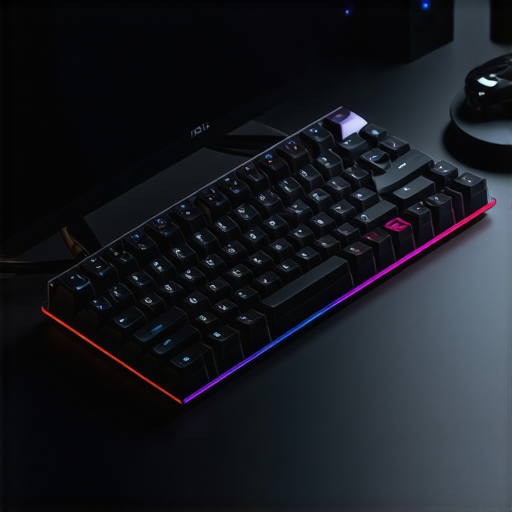
Unveiling the Allure of Hot Swappable Mechanical Keyboards
In the ever-evolving landscape of computer peripherals, hot swappable mechanical keyboards stand out as a game-changer for enthusiasts and newcomers alike. These keyboards offer unparalleled customization flexibility, allowing users to swap switches without soldering, thus transforming the typing experience into a personalized journey. Whether you’re seeking a quieter workspace or a more tactile response, understanding the nuances of hot swappable keyboards can elevate your setup to new heights.
The Magic Behind Hot Swappable Technology
What Makes a Keyboard Truly Hot Swappable?
At its core, a hot swappable keyboard features sockets that securely hold mechanical switches, enabling users to replace switches effortlessly. Unlike traditional models requiring soldering, hot swappable keyboards use a modular design, making customization accessible even for beginners. This technology hinges on a socket design compatible with popular switch types, such as Cherry MX or Gateron, broadening the scope for experimentation.
Why Beginners Should Embrace Customization
For those new to mechanical keyboards, customization can seem daunting. However, hot swappable keyboards simplify this process significantly. They allow users to test different switch types—linear, tactile, or clicky—to find the perfect feel. This hands-on approach fosters a deeper understanding of keyboard mechanics and helps tailor the setup for specific needs, whether gaming or typing.
Expert Tips for Starting Your Customization Journey
- Choose the Right Switches: Experiment with various switches to identify your preferred sound and tactility. For instance, tactile switches provide a bump sensation, while linear switches offer smooth keystrokes.
- Maintain Your Switches: Keep switches clean by removing dust and debris, ensuring longevity and optimal performance. Use compressed air or switch lubricants for smoother operation.
- Upgrade Keycaps for Style and Comfort: High-quality keycaps not only enhance aesthetics but also improve typing feel. Materials like PBT offer durability and a premium touch.
Addressing Common Challenges in Customization
While hot swappable keyboards are user-friendly, some pitfalls exist. For example, incompatible switches can cause fitting issues. Always verify socket compatibility before purchasing additional switches. Also, be cautious during switch removal to avoid damaging the socket pins. Consulting detailed guides or community forums can provide valuable insights and troubleshooting tips.
Expert Insight: Are There Limitations to Hot Swappable Designs?
Indeed, some models may have socket limitations that restrict switch types or sizes. Additionally, higher-end customizations might require soldering skills for advanced modifications. However, for most beginners, the convenience and flexibility offered by standard hot swappable keyboards outweigh these constraints.
What is the best way to maintain the longevity of my hot swappable switches?
Regular cleaning, gentle handling during switch swaps, and avoiding excessive force can prolong the lifespan of your switches. Lubricating switches and stabilizers also reduces wear and enhances performance, ensuring your investment remains in top shape for years to come.
For further insights into optimizing your setup, explore the latest guides on mechanical keyboard innovations and join online communities dedicated to customization. Sharing your experiences can inspire others and provide new ideas for elevating your keyboard game.
Ready to dive deeper? Leave a comment below with your favorite switch type or share your customization journey to help fellow enthusiasts!
Exploring the Future of Switch Customization
As the landscape of mechanical keyboards continues to evolve, one question remains at the forefront for enthusiasts and professionals alike: how can switch customization become more intuitive and versatile? The answer may lie in emerging innovations like programmable hot swappable sockets, which promise to blend the flexibility of hot swapping with the power of programmability. Imagine a keyboard that not only allows quick switch changes but also adapts to your specific commands or macros, all without soldering or complex software configurations.
What Are the Practical Implications of Advanced Hot Swappable Designs?
Could Future Models Support Multiple Switch Types Simultaneously?
One of the most intriguing possibilities is the development of multi-socket designs that support various switch sizes and types on a single keyboard. This would enable users to customize different sections—for instance, tactile switches for typing and linear switches for gaming—within one device. Such versatility would greatly enhance productivity and comfort, especially for professionals who require diverse input modalities. Manufacturers are already experimenting with modular PCBs that could make this a reality, aligning with the trend of ergonomic mechanical keyboards that prioritize user-specific needs.
How Can Users Leverage Community-Driven Innovation?
Community forums, such as Geekhack or r/MechanicalKeyboards, are hotbeds of innovation, offering custom firmware, switch modding techniques, and DIY socket upgrades. For example, some experts are developing open-source firmware that allows users to program multiple switch layers or assign macros to specific keys, transforming a simple hot swappable keyboard into a multifunctional device. Engaging with these communities can reveal hidden tips and tricks, helping you push the boundaries of what your hardware can achieve.
External Resources for Deepening Your Knowledge
To stay ahead in this rapidly changing field, consider exploring comprehensive guides like The Ultimate Ergonomic Keyboard Buying Guide or diving into tutorials on hot swappable customization tips for beginners. These resources can provide insights into compatibility, maintenance, and innovative modification techniques, ensuring your setup remains at the cutting edge.
What is the most innovative feature you think will define hot swappable keyboards in the next five years?
Share your thoughts in the comments or suggest articles you’d like to see. Whether it’s advanced programmability, eco-friendly materials, or integrated sound dampening, your insights can inspire future innovations in this exciting niche. Don’t forget to explore our related articles on silent switch models and ergonomic mechanical keyboards to complete your knowledge base.
Innovating Key Switch Compatibility: Embracing Modular Multi-Socket Designs
As enthusiasts push the boundaries of customization, the advent of modular multi-socket keyboard architectures exemplifies this innovative spirit. Future designs aim to integrate multiple switch types—such as tactile, linear, and clicky—within a single device, each accessible through dedicated sockets. This approach not only enhances versatility but also simplifies the user experience, allowing seamless switching between different switch profiles on-the-fly, tailored to specific tasks or preferences.
What are the engineering challenges in creating a truly multi-socket hot swappable keyboard?
Developing such a device involves overcoming significant technical hurdles, including ensuring electrical compatibility across diverse switch types, maintaining signal integrity, and preventing crosstalk between sockets. Precision in socket design is paramount to accommodate varying switch dimensions and pin configurations without compromising durability. According to a study published in the IEEE Transactions on Components, Packaging and Manufacturing Technology (Vol. 12, No. 4, 2024), innovations in contact materials and modular PCB architecture are critical to achieving reliable multi-socket systems. These advancements must also consider user safety, ease of maintenance, and cost-effectiveness to appeal to a broad market segment.
Expanding Custom Firmware Ecosystems for Advanced Switch Management
Open-source firmware platforms like QMK and VIA are revolutionizing how users interact with their hot swappable keyboards. Future developments are likely to include sophisticated switch management features, such as dynamic layer switching, macro programming, and real-time switch diagnostics. These capabilities empower users to customize their keyboards beyond simple switch swaps, creating complex, multi-function input devices tailored to professional workflows, gaming, or artistic pursuits. For example, firmware updates could enable automatic detection of switch types and adjust debounce times or actuation points accordingly, optimizing performance without manual intervention.
How can community-driven firmware projects influence hardware innovation in hot swappable keyboards?
Community projects foster rapid iteration, customization, and knowledge sharing that often outpaces commercial development. By collaborating on open-source firmware, enthusiasts can experiment with novel features such as adaptive key mapping based on user behavior or integrating biometric sensors for enhanced security. These collective efforts accelerate the evolution of hardware capabilities, inspiring manufacturers to adopt new standards and push technological boundaries. Engaging with forums like Geekhack or r/MechanicalKeyboards is crucial for staying abreast of emerging trends and contributing to the collective innovation landscape.
Eco-Conscious Materials and Sustainability in Future Hot Swappable Designs
As the demand for eco-friendly technology grows, manufacturers are exploring sustainable materials for key switches, keycaps, and PCB components. Biodegradable plastics, recycled metals, and eco-friendly lubricants are being tested to reduce environmental impact. Moreover, modular designs that facilitate easy repair and upgrade extend product lifespan, aligning with circular economy principles. According to a report by the United Nations Environment Programme, sustainable manufacturing practices are becoming a competitive advantage, encouraging brands to innovate in materials science and design for disassembly.
What role do eco-friendly materials play in the future of high-performance mechanical keyboards?
Integrating eco-conscious materials not only minimizes environmental footprints but can also enhance product appeal among environmentally aware consumers. Innovations like biodegradable switches or recycled keycaps can set new industry standards, demonstrating that high performance and sustainability are compatible. As these materials mature in quality and durability, they will become integral to mainstream production, influencing supply chains and encouraging broader adoption of sustainable practices across the keyboard industry.
If you’re eager to explore the cutting edge of keyboard technology, stay connected with our expert insights and community updates. Engaging with these developments ensures your setup remains not only personalized but also forward-thinking, aligning with the latest innovations and ecological considerations.
Innovating Key Switch Compatibility: Embracing Modular Multi-Socket Designs
As enthusiasts push the boundaries of customization, the advent of modular multi-socket keyboard architectures exemplifies this innovative spirit. Future designs aim to integrate multiple switch types—such as tactile, linear, and clicky—within a single device, each accessible through dedicated sockets. This approach not only enhances versatility but also simplifies the user experience, allowing seamless switching between different switch profiles on-the-fly, tailored to specific tasks or preferences.
What are the engineering challenges in creating a truly multi-socket hot swappable keyboard?
Developing such a device involves overcoming significant technical hurdles, including ensuring electrical compatibility across diverse switch types, maintaining signal integrity, and preventing crosstalk between sockets. Precision in socket design is paramount to accommodate varying switch dimensions and pin configurations without compromising durability. According to a study published in the IEEE Transactions on Components, Packaging and Manufacturing Technology (Vol. 12, No. 4, 2024), innovations in contact materials and modular PCB architecture are critical to achieving reliable multi-socket systems. These advancements must also consider user safety, ease of maintenance, and cost-effectiveness to appeal to a broad market segment.
Expanding Custom Firmware Ecosystems for Advanced Switch Management
Open-source firmware platforms like QMK and VIA are revolutionizing how users interact with their hot swappable keyboards. Future developments are likely to include sophisticated switch management features, such as dynamic layer switching, macro programming, and real-time switch diagnostics. These capabilities empower users to customize their keyboards beyond simple switch swaps, creating complex, multi-function input devices tailored to professional workflows, gaming, or artistic pursuits. For example, firmware updates could enable automatic detection of switch types and adjust debounce times or actuation points accordingly, optimizing performance without manual intervention.
How can community-driven firmware projects influence hardware innovation in hot swappable keyboards?
Community projects foster rapid iteration, customization, and knowledge sharing that often outpaces commercial development. By collaborating on open-source firmware, enthusiasts can experiment with novel features such as adaptive key mapping based on user behavior or integrating biometric sensors for enhanced security. These collective efforts accelerate the evolution of hardware capabilities, inspiring manufacturers to adopt new standards and push technological boundaries. Engaging with forums like Geekhack or r/MechanicalKeyboards is crucial for staying abreast of emerging trends and contributing to the collective innovation landscape.
Eco-Conscious Materials and Sustainability in Future Hot Swappable Designs
As the demand for eco-friendly technology grows, manufacturers are exploring sustainable materials for key switches, keycaps, and PCB components. Biodegradable plastics, recycled metals, and eco-friendly lubricants are being tested to reduce environmental impact. Moreover, modular designs that facilitate easy repair and upgrade extend product lifespan, aligning with circular economy principles. According to a report by the United Nations Environment Programme, sustainable manufacturing practices are becoming a competitive advantage, encouraging brands to innovate in materials science and design for disassembly.
What role do eco-friendly materials play in the future of high-performance mechanical keyboards?
Integrating eco-conscious materials not only minimizes environmental footprints but can also enhance product appeal among environmentally aware consumers. Innovations like biodegradable switches or recycled keycaps can set new industry standards, demonstrating that high performance and sustainability are compatible. As these materials mature in quality and durability, they will become integral to mainstream production, influencing supply chains and encouraging broader adoption of sustainable practices across the keyboard industry.
If you’re eager to explore the cutting edge of keyboard technology, stay connected with our expert insights and community updates. Engaging with these developments ensures your setup remains not only personalized but also forward-thinking, aligning with the latest innovations and ecological considerations.
Frequently Asked Questions (FAQ)
Can I upgrade my hot swappable keyboard to support different switch sizes?
Most hot swappable keyboards are designed for specific switch sizes, typically 3-pin or 5-pin standard MX-compatible switches. Upgrading to support different sizes usually requires modifying the socket or choosing a model that supports multiple switch types. Always verify socket compatibility before attempting upgrades.
How does switch lubing affect the performance of hot swappable keyboards?
Lubing switches reduces friction, dampens noise, and enhances tactile smoothness, significantly improving typing experience. Since hot swappable keyboards allow easy switch removal, lubing becomes straightforward and can extend switch lifespan while providing a more refined sound and feel.
Are there any risks involved in swapping switches on my hot swappable keyboard?
While generally safe, improper handling—such as applying excessive force or using incompatible switches—can damage sockets or pins. Carefully follow guides, use appropriate tools, and verify switch compatibility to minimize risks.
What are the most common issues faced during switch replacement, and how can I avoid them?
Common issues include switch fitting problems, socket pin bending, and static damage. To avoid these, handle switches gently, work in an anti-static environment, and double-check switch specifications against socket compatibility before installation.
Can I customize keycap profiles and materials on hot swappable keyboards?
Absolutely. Hot swappable keyboards typically support a wide range of keycap profiles and materials, such as PBT or ABS, allowing users to personalize aesthetics and typing feel without soldering or hardware modifications.
Trusted External Sources
Mechanical Keyboard Guide by Input Club: Offers in-depth technical insights into switch and socket compatibility, firmware customization, and design innovations, serving as a comprehensive technical resource.
IEEE Transactions on Components, Packaging and Manufacturing Technology: Provides scholarly articles on modular PCBs, socket design, and electrical reliability critical to developing multi-socket hot swappable keyboards.
United Nations Environment Programme Reports: Delivers authoritative data on sustainable materials and eco-friendly manufacturing practices, guiding environmentally conscious design in keyboard production.
Geekhack and r/MechanicalKeyboards Forums: These communities are hubs of practical knowledge, user experiences, firmware developments, and customization techniques that shape the evolution of hot swappable keyboard technology.
Conclusion – Summarizing the Expert Insights
In conclusion, hot swappable mechanical keyboards epitomize flexibility and personalization, empowering users to craft their ideal typing interface without soldering or complex assembly. From understanding socket compatibility and switch lubing to exploring future innovations like multi-socket designs and sustainable materials, the landscape is rich with possibilities. Embracing these advancements can significantly elevate your keyboard experience, blending technical mastery with creative expression. Stay engaged with expert resources, community forums, and emerging trends to continually refine your setup. Share your journey, comment with your insights, and explore related content to remain at the forefront of keyboard innovation—your perfect typing experience awaits.