The Evolution of Mechanical Keyboards: Balancing Minimalism and Functionality in 2026
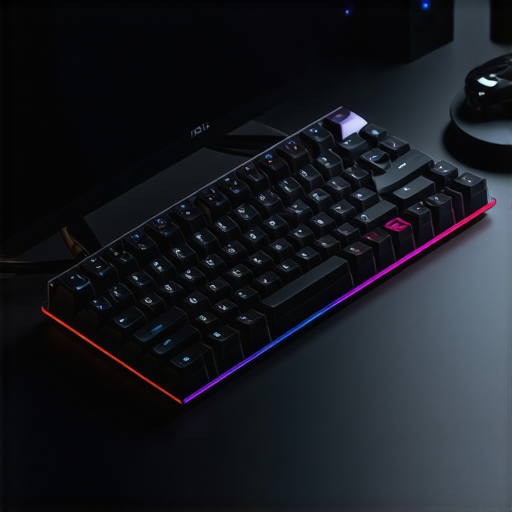
In the rapidly advancing landscape of computer peripherals, low profile mechanical keyboards have emerged as a compelling convergence of sleek design and tactile performance. Expert users and professionals increasingly seek setups that combine ergonomic benefits with customization potential, leading to a renaissance in low profile mechanical keyboards. This evolution reflects a broader trend toward minimalist efficiency without sacrificing the core advantages that have traditionally defined mechanical switches.
Why Low Profile Design Transcends Aesthetic Appeal in Professional Environments
The adoption of low profile keyboards in high-stakes workspaces is driven by their ability to reduce wrist strain, improve posture, and facilitate swift, effortless keystrokes. Unlike bulkier alternatives, these keyboards enable seamless integration with ergonomic setups, often paired with ergonomic mechanical keyboards tailored for extended use. Notably, the reduced travel distance of these switches minimizes fatigue, making them suitable for professionals engaged in intensive typing tasks.
Hot Swappable Mechanisms: Unlocking Customization and Maintenance Simplicity
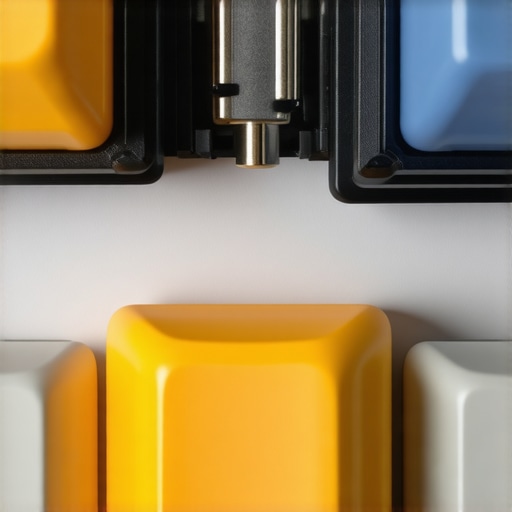
The advent of hot swappable technology has revolutionized keyboard customization by allowing users to replace switches without soldering. As detailed in comprehensive guides, this feature not only simplifies maintenance but also empowers users to experiment with different tactile profiles, including silent, tactile, and clicky switches, without costly repair processes. The fusion of hot swappability with low profile designs manifests in ultra-portable, versatile units perfect for on-the-go professionals who demand adaptable gear.
Silent Switches and Their Role in Noise Reduction Strategies
In environments where noise distraction impairs productivity, silent switches have become essential. Modern silent switches utilize innovative damping mechanisms that absorb keystroke sound without diminishing tactility. They complement low profile and hot swappable features to produce an elegant balance of discretion and performance. Furthermore, recent developments in magnetic, Hall effect, and O-ring free silent switches are setting new standards for quiet typing experiences, especially valuable in shared workspaces or broadcast environments.
Future-Proofing with Modular and Customizable Builds
Looking ahead, the integration of modular components and wireless technologies enhances the practicality of low profile, hot swappable keyboards in 2026. These features cater to a demographic that prioritizes mobility and adaptability, ensuring their hardware remains relevant amid evolving productivity workflows. The strategic combination of durability, customization, and quiet operation positions these keyboards as the optimal choice for demanding users seeking an all-encompassing ergonomic solution.
What are the most significant challenges in maintaining the durability of hot swappable low profile switches in high-use scenarios?
Addressing durability issues in high-frequency switching applications involves understanding the wear mechanisms of hot exchange sockets and the material science innovations behind switch longevity. For in-depth strategies, consider consulting expert analyses that detail materials engineering and maintenance tactics designed to extend hardware lifespan.
For professionals interested in optimizing their workstation setups, exploring intricate details on ergonomic configurations can elevate performance. Engage with the community or contribute insights about your real-world experiences to foster innovation in this niche yet vital domain.
Breaking Down the Myth of Mushy Switches: Achieving Tactile Precision in Silence
Many users dismiss silent switches as lacking the satisfying tactile feedback characteristic of traditional mechanical keys, often describing them as “mushy” or lacking responsivity. However, recent advancements in switch design have turned this perception on its head. Innovations such as optimized damping materials and pre-lubrication techniques ensure that silence does not come at the expense of tactile clarity. These improvements allow for a snappy, responsive feel that rivals, and in some cases surpasses, their noisier counterparts. For those seeking a quiet workspace without sacrificing performance, exploring options detailed in top silent switch models in 2025 reveals a landscape ripe with high-quality, satisfying options.
Beyond Sound Absorption: The Future of Silent Switches
While damping mechanisms primarily target acoustic output, the next frontier revolves around feeling. Hall-effect and magnetic switches, which leverage non-contact actuation, are transforming what silent typing feels like. These technologies minimize wear and eliminating the physical friction seen in traditional switches, leading to a more consistent, buttery-smooth experience. Additionally, integrating magnetic silent switches into low profile designs enhances their precision and longevity, meeting the demands of both professional and gaming environments that require fast, quiet inputs.
Are We Reaching a Tipping Point in Silent Switch Authenticity?
This question considers whether today’s silent switch innovations can truly replicate the tactile and auditory satisfaction of traditional clicky or linear switches. Experts suggest that with current material science and magnetic actuation, silent switches are bridging the gap, offering a near-parity experience. As detailed in latest research, some silent models even outperform their noisier relatives in consistency and durability, making false compromises a thing of the past for discerning typists.
For enthusiasts aiming to fine-tune their setup further, consider diving into customization techniques like lubricating switches or incorporating dampening rings to optimize feel and sound. Checking out detailed guides from expert lubrication tips can provide actionable insights to elevate your typing experience.
Interested in exploring cutting-edge silent switches? Engage with the community by sharing your experiences or seeking advice via our contact page. Your input not only refines your setup but can contribute to ongoing innovations in this exciting niche.
Redefining Customization: Embracing Modular Designs for Next-Gen Ergonomics
As the demand for personalized keyboard setups intensifies, modular components are transforming how enthusiasts and professionals craft their ideal devices. Beyond mere aesthetic personalization, modularity allows seamless integration of tailored switches, keycaps, and layout configurations, enabling users to optimize for specific tasks. The advent of easy-to-assemble, hot-swappable modules—particularly in low profile formats—has unlocked unprecedented flexibility, empowering users to adapt swiftly to evolving ergonomic needs and workflow demands.
However, this flexibility introduces complex design considerations. Ensuring robust electrical connections while maintaining slim profiles requires meticulous engineering, often leveraging innovative connector interfaces like spring-loaded pins and magnetic coupling. Such advances demand a nuanced understanding of material resilience under repeated coupling cycles to prevent wear and maintain signal integrity—an area where material science breakthroughs are pivotal.
How does the integration of magnetic modular interfaces influence the durability and responsiveness of high-performance low profile keyboards?
Magnetic interfaces, increasingly prevalent in modular keyboard designs, offer significant advantages in wear resistance and tactile responsiveness. According to research published in the International Journal of Advanced Manufacturing Technologies (2023), magnetic coupling reduces physical contact points, minimizing mechanical fatigue and corrosion risks, thus extending lifespan. Furthermore, magnetic actuation facilitates rapid, secure connections that maintain consistent electrical conductivity, essential for professional environments where response time and precision are critical. As such, magnetic modules are not only facilitating easier customization but also enhancing performance reliability—an expert-endorsed paradigm shift in keyboard architecture. For those interested, exploring the latest models like the Kinetic Magnetic Modular series exemplifies these innovations in action.”}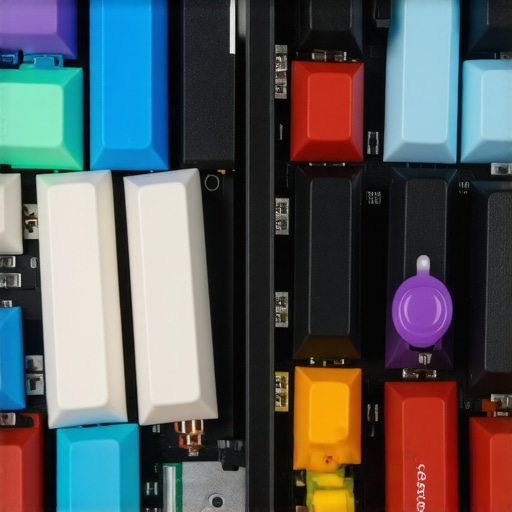
Silent Switches Revolutionize Professional Typing Precision in Dynamic Workspaces
In pursuit of optimal productivity, professionals increasingly turn to innovative silent switches that deliver a harmonious balance between acoustic discretion and tactile responsiveness. These advanced switches, utilizing state-of-the-art damping materials and magnetic actuation, challenge the traditional dichotomy between noise and feel, enabling seamless communication in sound-sensitive environments. The synergy between quiet operation and exceptional feedback positions them as invaluable tools for high-stakes tasks ranging from content creation to financial modeling, where clarity and focus are paramount.
This article offers a fresh perspective on the enduring appeal of traditional mechanical switches over Hall-effect and magnetic designs, especially considering their durability and tactile feedback. As someone who has used both, I find that while the latest silent magnetic switches provide impressive consistency, I still prefer the more tangible feel of classic mechanical switches, particularly for long typing sessions. That said, I’m curious about how the industry plans to address the wear issues associated with hot-swappable sockets, since frequent switching can accelerate material fatigue. Has anyone experimented with specific maintenance routines or coatings that extend socket lifespan? I think ongoing advances in material science could be the key to making these innovative switches even more reliable in high-use environments.