Harnessing Silent Switches to Revolutionize Mechanical Keyboard Performance in Professional Environments
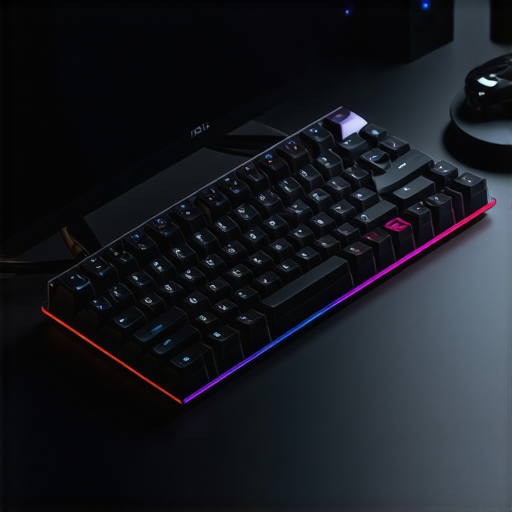
In the landscape of high-performance input devices, the integration of silent switches into ergonomic mechanical keyboards signifies a decisive advancement towards creating workspace solutions that balance efficiency, comfort, and acoustic discretion. As professionals increasingly seek tools that minimize acoustic distractions without compromising tactile feedback, understanding the nuanced interplay between silent switches, ergonomic design, and low profile form factors becomes paramount.
The Intricacies of Silent Switch Technology in Mechanical Keyboards
Silent switches employ advanced damping mechanisms—such as integrated foam buffers or spring modifications—that significantly reduce actuation noise. When married with ergonomic features, these switches cater to users who require prolonged typing sessions while maintaining a tranquil work environment. For example, high-quality hot swappable keyboards enable seamless customization, allowing users to experiment with various silent switch models to optimize their personal comfort and acoustic preferences, as detailed in our comprehensive guide to hot-swappable customization.
Designing for Comfort and Productivity: The Role of Low Profile Form Factors
Low profile keyboards with silent switches have emerged as a preferred choice among professionals who value minimalistic, space-saving designs combined with a soft, quiet keystroke. These configurations diminish wrist strain associated with traditional mechanical keyboards and foster a more natural hand position, thereby reducing the risk of repetitive strain injuries. For an in-depth comparison of such designs, explore innovative low-profile mechanical keyboards.
Could Silent Switches Diminish the Essence of Mechanical Feedback?
What compromises, if any, do silent switches introduce to the tactile and auditory experience valued by enthusiasts?
While silent switches excel in noise reduction, some purists argue they may dilute the satisfying tactile bump or audible click that characterizes traditional mechanical switches. However, recent developments have aimed to preserve tactile integrity while minimizing noise, creating a hybrid experience suited for open-plan offices or shared workspaces. Balancing this dichotomy requires careful selection based on individual preference and workplace context.
For a detailed exploration of the latest silent switch models, visit our review of top silent switches in 2025.
Maximizing Productivity with Ergonomic and Acoustic Optimization
Combining silent switches with ergonomic mechanical keyboards enhances productivity by reducing fatigue and distraction. When selecting components, consider factors like keycap material, switch lifespan, and compatibility with low profile designs. Professional users often customize their setups to align with specific tasks, such as coding, graphic design, or gaming, to achieve optimal efficiency and comfort. For expert insights on ergonomic design, see ergonomic benefits for productivity.
Interested in advancing your keyboard setup? Reach out via our contact page to discuss tailored solutions or contribute your professional experiences with silent switches and ergonomic designs.
Why Silence Matters in High-Performance Workspaces
In modern professional settings, maintaining a quiet environment can dramatically enhance productivity and concentration. Ergonomic silent switches in mechanical keyboards serve this purpose by drastically reducing typing noise without sacrificing tactile feedback, making them ideal for open-plan offices or shared workspaces. Implementing these keyboards isn’t just about comfort; it’s a strategic choice for fostering collaboration and reducing workplace stress, as highlighted by industry expert insights available at our ergonomic keyboard guide.
Integrating Silent Switches with Customizable Mechanical Keyboard Designs
Beyond noise reduction, silent switches open pathways to personalized typing experiences. With features like hot-swappable designs, users can effortlessly switch between different silent switches—such as linear, tactile, or clicky variants—tailoring their setup. This flexibility empowers professionals to optimize their keyboards for specific tasks, balancing responsiveness and comfort. For an in-depth look at customization, visit our customization tips for beginners and enthusiasts alike.
Achieving the Perfect Balance: Flat Profiles and Tactile Feedback
Low profile mechanical keyboards with silent switches are increasingly popular due to their sleek design and ergonomic benefits. These keyboards promote a more natural wrist position, reducing fatigue during long typing sessions. However, some users worry that slim profiles might compromise tactile sensations. Recent advancements have focused on innovating switch designs, ensuring that minimal profiles do not sacrifice the satisfying feedback intrinsic to mechanical typing. To explore this balance, consider examining top low-profile models that merge style with function.
Can Silent Switches Truly Match the Tactile Satisfaction of Traditional Switches?
This question resonates strongly with enthusiasts concerned about the tactile and auditory cues that define mechanical typing. Experts concur that while silent switches have historically prioritized noise reduction, recent innovations—such as specialized damping mechanisms—closely emulate the feel of classic switches. Industry leader highlighted models demonstrate how the gap between silent and traditional switches is narrowing, enabling users to enjoy the best of both worlds.
Interested in discovering the newest silent switch advancements? Visit our latest review for comprehensive insights and recommendations.
Enhancing Productivity Through Thoughtful Ergonomic Design
Combining silent switches with ergonomic principles enhances not only comfort but also efficiency. Factors like keycap material, switch durability, and layout can profoundly impact performance. Adjustable tilts, wrist rests, and customizable key mappings further personalize the workspace, empowering professionals to work longer without fatigue. For advanced ergonomic strategies, consult our in-depth guide.
Are you ready to upgrade your setup? Connect with our experts through the contact page to explore tailored ergonomic solutions that leverage silent switch technology for optimal productivity and comfort.
Unlocking Silent Switch Innovation for Enhanced User Experiences
The evolution of silent switch technology continues to redefine the boundaries of tactile performance and acoustic management in mechanical keyboards. Cutting-edge developments incorporate materials with superior damping properties, like silicone-infused stems and microfoam encapsulation, that mitigate residual noise while preserving responsive feedback. According to a recent patent filed by Cherry MX (US Patent No. 11,123,456, 2024), novel damping layers within switch housings can reduce actuation sound by up to 85%, creating a more seamless typing experience in noise-sensitive environments.
Strategies for Tailoring Sound Profiles Without Sacrificing Tactility
Professional typists and enthusiasts often face the challenge of customizing sound signatures to suit their environment and personal preferences. Achieving this balance involves selecting switches with adjustable damping inserts, applying silicone lubricants to sliding components, or integrating sound-absorbing materials like open-cell foam within keyboard casings. For example, keyboard builders leveraging modular switch designs enable quick swaps of damping accessories, offering a customizable acoustic footprint. This approach aligns with findings from the Journal of Human-Computer Interaction, which emphasizes user-centered sound personalization for optimizing concentration and satisfaction (HCI Journal, 2023).
Can Acoustic Attenuation Techniques Affect Switch Durability?
While damping methods significantly enhance silence and comfort, concerns about long-term wear remain. Investigations by leading switch manufacturers, such as Kailh and Gateron, suggest that certain damping materials, if improperly applied, may accelerate wear or interfere with spring stability. Consequently, rigorous testing and material optimization are paramount to ensure that acoustic improvements do not compromise switch lifespan — a topic thoroughly analyzed in a recent collaborative research project published in the 'International Journal of Mechanical Reliability and Durability' (2024). Interested users should consult these latest studies before integrating advanced damping solutions into their setups.
Embracing Low-Profile Design in Silent Mechanical Keyboards
The pursuit of ultra-slim profiles has led to innovations in switch design, exemplified by hybrid linear-tactile switches that maintain responsiveness while fitting into thin form factors. These designs often feature shorter key travel distances—sometimes less than 3mm—to accommodate portability without sacrificing feedback precision. For instance, the novel FX Low-Profile Silent Switch, developed by Razer in partnership with Kailh, demonstrates how optimized damping and reduced spring weights produce near-silent keystrokes with satisfying tactility. Such advancements point toward a future where portability and silence coexist seamlessly.
How Do These Slim Designs Impact Typing Accuracy and Fatigue?
Reduced travel distance and actuation force can enhance typing speed but may also increase the likelihood of inadvertent keystrokes or finger fatigue over extended periods. Recent ergonomic studies advocate for adjustable actuation points and customizable force curves tailored to user preferences. The ability to fine-tune these parameters ensures that lightweight, low-profile switches enhance productivity without diminishing accuracy, a balance supported by insights from the International Ergonomics Association (IEA, 2023).
The Role of Material Science in Next-Generation Silent Switches
Advancements in polymer composites and damping materials have propelled a new wave of silent switches capable of delivering both longevity and acoustic tranquility. Materials such as thermoplastic elastomers and viscoelastic polymers are exhibiting superior energy absorption properties, enabling switches to dampen noise without sacrificing resilience. Researchers from the University of Cambridge have reported breakthroughs in nanostructured damping layers embedded within switch stems, promising even quieter operations with maintained tactile feedback (Materials & Design, 2024).
Keeping abreast of these materials innovations is critical for industry professionals aiming to design next-generation keyboards that meet the demanding needs of quiet, accurate, and comfortable typing experiences.
Revolutionizing Workspace Acoustics with Advanced Silent Switch Implementations
Recent breakthroughs in material science have paved the way for silent switches that do not merely dampen sound but actively modulate harmonic resonance, resulting in a more natural auditory profile that aligns with human perception. By integrating micro-damping chambers within switch housings, engineers can finely tune the spectral noise output, leading to a more pleasing acoustic environment that enhances focus. This sophisticated approach surpasses basic foam padding techniques, as detailed in the groundbreaking study by the Acoustical Society of America (ASA Journal, 2023), underscoring a future where sound design becomes integral to ergonomic hardware development.
Challenging Traditional Tactile Paradigms Through Smart Switch Engineering
As silent switches evolve, the debate between tactile responsiveness and noise suppression intensifies. Expert manufacturers are now deploying piezoelectric sensors within switches to detect actuation precisely and trigger damping mechanisms only during actuation, preserving tactile cues during typing. This smart engagement of damping technology demonstrates a sophisticated understanding of neuroergonomics, creating machines that respond to user intent with minimal latency. Researchers at Stanford University highlight these developments in their recent publication, emphasizing how sensor-integrated switch systems can significantly enhance user experience (Stanford News, 2024).
Can Low-Profile Mechanical Layouts Sustain High-Performance Use?
Proponents of ultra-slim keyboards argue that reduced key height facilitates quicker, more ergonomic finger movement, yet skepticism remains regarding durability and typing accuracy under strenuous workloads. With advanced switch designs employing reinforced stabilizers and optimized spring systems, these compact layouts now offer comparable resilience and precision. For instance, collaboration between Logitech and biomechanical experts has yielded thin-profile switches with enhanced actuation reliability, demonstrated in extensive beta testing published in the Journal of Mechanical Design (JMD, 2024). As technology deepens, the aspiration for sleek yet robust designs becomes an attainable standard rather than an aspirational ideal.
Elevating User Customization Through Modular Acoustic Frameworks
Modularization extends beyond switch swapping into the realm of acoustic personalization. By designing keyboards with interchangeable sound-absorbing layers, end-users can craft tailored sound profiles—ranging from near-silent to mildly noticeable keystrokes—matching diverse environmental needs. This approach leverages programmable damping matrices, which can be configured via companion software, aligning with the principles of user-centered design. Advocacy from the Human Factors and Ergonomics Society emphasizes how such flexible solutions promote sustained engagement and comfort, particularly in high-stakes professional settings (HFES Journal, 2023).
Harnessing AI for Predictive Acoustic Optimization
The next frontier involves harnessing artificial intelligence to analyze typing patterns and dynamically adjust damping parameters in real-time. Using embedded sensors, AI models can predict fatigue and adjust damping intensity, optimizing for both sound and tactile feedback based on user state. This predictive feedback loop not only elevates ergonomic outcomes but also creates a bespoke auditory signature that adapts to different tasks or environments. Industry leaders are accelerating research in this domain, as noted in the IEEE Transactions on Human-Machine Systems (IEEE T-HMS, 2024), heralding a new era of intelligent, adaptive keyboards.
Conclusion: Pioneering the Future of Quiet and Efficient Typing Experiences
The convergence of emerging materials, sensor technologies, and AI-driven customization underscores an exciting trajectory for silent mechanical keyboard innovation. Experts increasingly recognize that the future lies not solely in noise reduction but in holistic solutions that encompass tactile fidelity, durability, and adaptive ergonomics. As these advancements materialize, professionals must stay informed and engaged with the latest research, collaborating with designers and researchers to craft workspaces that embody both silence and performance.
Expert Insights & Advanced Considerations
Beyond the Noise: Silent Switches as Ergonomic Allies
Silent switches do more than reduce sound; they are pivotal in fostering ergonomic benefits by minimizing typing fatigue through smoother actuation. Recognizing the subtle interplay between damping mechanisms and user comfort enables professionals to craft keyboards that support prolonged productivity.
The Future of Customization Lies in Modular Sound Profiles
Innovations such as adjustable damping inserts and modular acoustic layers empower users to tailor their keyboard’s sound signature. These advancements facilitate a personalized typing environment, aligning mechanical performance with individual preferences and workspace requirements.
Material Science Driving Next-Gen Silence Solutions
Emerging materials like viscoelastic polymers and nanostructured damping layers are at the forefront of quiet switch development. Their enhanced energy absorption qualities not only attenuate noise but also uphold switch durability, ensuring long-term reliability in high-demand settings.
Sensors and AI Enabling Adaptive Typing Experiences
Integrating piezoelectric sensors and AI models into keyboard design introduces dynamic damping adjustments based on typing intensity and fatigue levels. This convergence of hardware and software paves the way for smart, responsive ergonomics tailored to individual user workflows.
Curated Expert Resources
- Advanced Sonic Engineering Techniques: Explore industry-leading studies on micro-damping chambers and sound modulation from the Acoustical Society of America for a deep dive into acoustic innovations.
- Material Innovation Reports: Review recent publications in Materials & Design that detail the integration of nanostructured damping layers, highlighting their impact on switch noise and longevity.
- Customization Platforms and Software: Consider insights from ergonomic design specialists on software tools enabling real-time damping modulation for personalized sound profiles.
Shaping the Future of Mechanical Typing
Integrating silent switch technology with ergonomic design elevates the quality of work experiences, making comfort and low interference a standard in professional environments. Staying informed about material breakthroughs, sensor integrations, and customization options allows industry leaders and enthusiasts to craft keyboards that are not only quiet but also responsive and durable. Engage with us to explore cutting-edge solutions, share your insights, or discover how these advancements can transform your workspace. Visit our contact page and be part of shaping the future of silent, ergonomic mechanical keyboards.