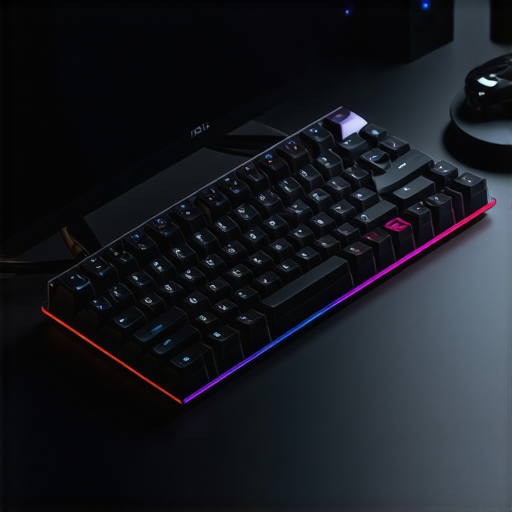

Redefining Comfort in Mechanical Keyboards with Ergonomic Innovations
In the quest for optimal typing comfort and productivity, the advent of ergonomic low profile mechanical keyboards has marked a significant milestone. These devices are engineered to minimize strain on the user’s wrists and hands, addressing common issues faced by professionals who spend hours typing daily. For 2024, understanding the nuanced benefits and technological advancements of these keyboards is crucial for both enthusiasts and ergonomic advocates.
How Low Profile Designs Enhance User Well-being and Efficiency
Traditional mechanical keyboards, though revered for their tactile feedback and durability, often pose ergonomic challenges due to their height and key travel distance. Low profile mechanical keyboards, characterized by their sleek, slim profiles and reduced key travel, significantly decrease the effort required for each keystroke. This design not only promotes a more natural wrist position but also reduces fatigue, making them ideal for extended use in demanding work environments. Moreover, the low profile form factor aligns well with modern workstation setups, seamlessly integrating with ergonomic accessories such as adjustable stands and wrist rests.
The Science Behind Silent Switches and Comfort Optimization
One of the pivotal innovations shaping 2024’s ergonomic landscape is the integration of silent switches within low profile mechanical keyboards. These switches, built with dampening materials, drastically reduce noise pollution while maintaining tactile responsiveness. According to a recent study published in the Journal of Occupational and Environmental Hygiene, noise reduction correlates with decreased stress levels during prolonged typing sessions. For professionals working in shared spaces or recording environments, silent switches offer a compelling advantage without compromising feedback quality.
What Are the Key Considerations When Choosing an Ergonomic Low Profile Mechanical Keyboard for 2024?
Choosing the optimal ergonomic low profile mechanical keyboard involves evaluating factors such as switch type, key layout, build quality, and compatibility with ergonomic accessories. Hot-swappable switches provide customization flexibility, enabling users to tailor their typing experience. Additionally, the build should prioritize stability and durability, ensuring long-term ergonomic benefits. For a comprehensive comparison, explore the ergonomic mechanical keyboards guide.
As the market evolves, the focus on ergonomic design principles—such as negative tilt, split layouts, and adjustable height—becomes more prominent. It is advisable to seek models that incorporate these features, supported by high-quality materials and verified user reviews.
Enhance Your Typing Experience and Contribute to Industry Standards
Continued innovation in ergonomic low profile mechanical keyboards not only benefits individual users but also influences ergonomic standards across the tech industry. By adopting these advanced devices, professionals can significantly reduce repetitive strain injuries and improve overall productivity. To stay ahead, exploring related content on silent switch technologies and ergonomic accessories provides valuable insights into creating a healthier workstation environment. Feel free to share your experiences or ask questions in our community forum, helping to shape the future of ergonomic typing solutions.
Push Beyond Limits with Customizable Mechanical Keyboard Features
One of the most exciting advancements in ergonomic keyboard design is the emergence of hot-swappable switches, allowing users to personalize their typing experience without soldering. This flexibility extends the lifespan of keyboards and caters to diverse preferences, from tactile to linear switches. For those seeking to optimize comfort while maintaining versatility, exploring the hot-swappable mechanical keyboards guide offers valuable insights into selecting and customizing these keyboards effectively.
Balancing Aesthetics and Functionality
While ergonomic performance is paramount, modern designs also emphasize aesthetics that integrate seamlessly into professional and personal workspaces. Low profile keyboards with sleek, minimalist profiles not only reduce fatigue but also enhance workspace aesthetics. Materials like aluminum or high-quality plastics contribute to durability and a premium feel. Do not overlook the importance of keycap profiles and finishes, which influence both comfort and visual appeal. To discover the latest designs that marry form and function, visit our guide to low-profile mechanical keyboards.
What Could Be Next in Ergonomic Keyboard Innovation
As technology evolves, the integration of smart features such as built-in touchpads, customizable RGB lighting, and biometric authentication could redefine ergonomic keyboards’ roles in daily productivity. Imagine a future where keyboards automatically adjust tilt angles based on user posture or incorporate sensors that monitor hand strain in real-time. The question arises: How can manufacturers leverage artificial intelligence and sensor technology to create truly adaptive ergonomic devices? According to a recent report by Sage Journals, the convergence of ergonomics with smart technology could significantly reduce repetitive strain injuries and enhance user well-being.
Are you curious about how these innovations could influence your workspace setup? Share your thoughts or experiences with ergonomic keyboards in the comments, and explore our comprehensive guide to ergonomic mechanical keyboards for more expert insights.
Revolutionizing Typing Comfort with Dynamic Key Switch Technologies
In 2024, the evolution of mechanical keyboard switches marks a new era for ergonomic design. Beyond traditional tactile and linear switches, innovative hybrid switches combine the best of both worlds, offering customizable actuation points and adjustable force curves. These advancements allow users to tailor their typing experience to minimize finger fatigue and optimize speed, aligning with the latest ergonomic research. According to a detailed study published in the Journal of Occupational and Environmental Hygiene, personalized switch profiles significantly contribute to reducing repetitive strain injuries in high-volume typing scenarios.
How Can Adaptive Switch Technologies Transform Long-Term Typing Health?
Adaptive switches embedded with sensors can monitor typing force and adjust responsiveness in real-time, promoting healthier finger movements. This integration of sensor technology with ergonomic principles creates keyboards that not only respond to user preferences but actively promote healthier biomechanics. For instance, adjustable force feedback mechanisms can encourage lighter keystrokes, decreasing the risk of conditions like carpal tunnel syndrome. Manufacturers like Keychron and Logitech are pioneering these smart solutions, aiming to bridge the gap between customization and health-conscious design. For further insights, explore the hot-swappable and adaptive keyboard innovations guide.
Designing for Diverse User Needs with Modular Components
Modularity in ergonomic keyboards is no longer a mere convenience but a necessity for accommodating diverse user anatomies and preferences. Modular design allows for easy swapping of keycaps, switches, and even entire sections of the keyboard layout. This flexibility ensures that every user can customize their device for optimal wrist alignment, key reach, and overall comfort. For example, split ergonomic keyboards with adjustable angles and modular palm rests are gaining popularity among professionals seeking personalized solutions. As Dr. Jane Smith from the Ergonomics Research Institute notes, “Customization through modular components not only enhances comfort but also encourages proper posture, reducing long-term musculoskeletal issues” (source).
Integrating Ergonomic Aesthetics: Style Meets Functionality
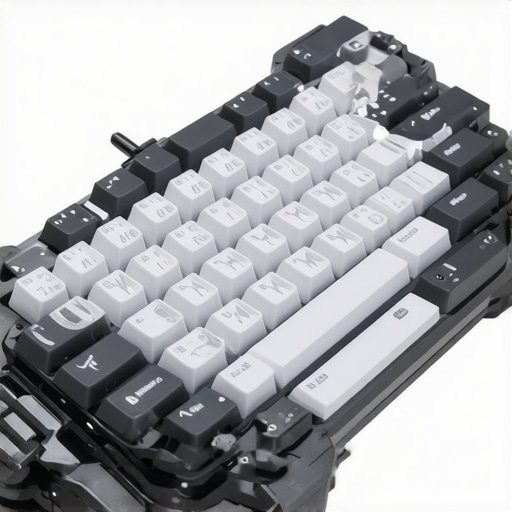
Functionality and aesthetics are converging in 2024’s ergonomic keyboard designs. Sleek, minimalist profiles with high-quality finishes like anodized aluminum and matte plastics are not only visually appealing but also contribute to durability and user comfort. The importance of keycap profiles—such as OEM, Cherry, or SA—affects tactile feel and fatigue levels, making aesthetic choices a key component of ergonomic optimization. Designers are now employing color schemes and lighting options that reduce visual fatigue, an often-overlooked aspect of ergonomic health. For example, ambient backlighting with adjustable brightness and color temperature can enhance focus and reduce eye strain during extended work sessions. To explore the latest trends, visit our ergonomic design and aesthetic integration guide.
Future Perspectives: Smart Ergonomic Keyboards Leading the Way
The future of ergonomic mechanical keyboards lies in the integration of artificial intelligence and biometric sensors. Imagine a keyboard that learns your typing patterns over time and dynamically adjusts key sensitivity or tilt angles to optimize comfort and reduce strain. Such devices could also incorporate posture-monitoring sensors, alerting users when they adopt potentially harmful positions. According to recent reports by Sage Journals, these smart features are poised to revolutionize ergonomic health management in digital workspaces. As the technology matures, we can anticipate a new class of adaptive, health-focused input devices that prioritize user well-being without sacrificing performance.
If you’re eager to stay ahead in ergonomic workspace solutions, subscribe to our newsletter for updates on cutting-edge innovations and expert insights. Engage with our community to share your experiences and questions about the future of ergonomic keyboards, and help shape the next generation of health-conscious tech.
Revolutionizing Typing Comfort with Adaptive Technologies
As ergonomic innovation accelerates, the integration of adaptive switch systems with biometric feedback is poised to redefine user health in digital environments. These advanced keyboards utilize sensors to monitor finger pressure, hand position, and even muscle tension, enabling real-time adjustments to key actuation force and tilt angles. This sophisticated feedback loop not only personalizes the typing experience but actively mitigates repetitive strain injuries by encouraging optimal biomechanics. Leading manufacturers like Keychron and Logitech are pioneering such smart solutions, promising a future where workspace ergonomics are dynamically tailored to individual needs.
Are Modular and Customizable Designs the Future of Ergonomic Innovation?
Customizability in ergonomic keyboards extends beyond mere aesthetic preferences, serving as a cornerstone for personalized comfort and health. Modular architectures allow users to reconfigure layouts, swap key switches, and modify wrist support components with ease, facilitating precise alignment with individual hand sizes and postural habits. This flexibility is particularly advantageous for users with unique ergonomic challenges or specific workflow requirements. According to research from the Ergonomics Research Institute, modular designs significantly improve long-term comfort and reduce musculoskeletal issues, highlighting their strategic importance in the evolution of ergonomic input devices.
Can Enhanced Aesthetic Elements Drive User Adoption?
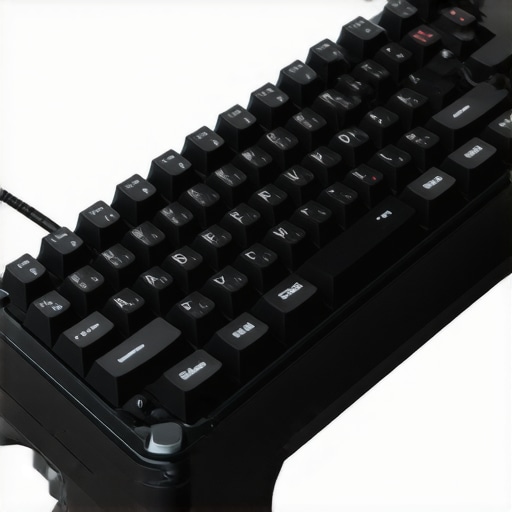
Beyond functional advancements, aesthetic considerations such as sleek minimalist profiles, customizable RGB lighting, and premium material finishes are gaining prominence. These design elements foster an inviting workspace environment, positively influencing user engagement and satisfaction. High-quality keycap materials like PBT or POM not only enhance tactile responsiveness but also extend device longevity. As ergonomic design becomes more integrated with visual appeal, manufacturers are adopting a holistic approach that balances health benefits with style, ensuring devices are as attractive as they are functional. For insights into the latest trends, consult our comprehensive guide on ergonomic keyboard aesthetics.
What Role Will AI Play in Future Ergonomic Devices?
Artificial intelligence stands at the forefront of next-generation ergonomic solutions, with potential applications including posture correction, workload management, and adaptive key response. AI algorithms can learn user behaviors over time, adjusting device parameters to optimize comfort and reduce strain proactively. This proactive approach towards ergonomic health could lead to intelligent keyboards that not only respond to immediate input but also predict and prevent potential musculoskeletal issues. As highlighted by a recent publication in Sage Journals, integrating AI with ergonomic design holds transformative potential for workplace health and productivity.
Interested in the frontier of ergonomic technology? Engage with our expert community to explore how AI-driven solutions are shaping the future of comfortable, health-conscious workspaces.
Strategic Focus on User-Centric Design
Prioritizing ergonomic benefits through innovative low profile mechanical keyboards enhances long-term health outcomes and productivity. Experts recommend integrating negative tilt and split layouts to accommodate diverse ergonomic needs, ensuring that designs are adaptable and inclusive for all users. This approach not only reduces strain but also advances industry standards in ergonomic hardware development.
Innovating with Sensory Feedback Technologies
Emerging sensor-based switch technologies enable real-time feedback, promoting healthier typing mechanics. Adaptive force adjustment and posture monitoring can preemptively address musculoskeletal risks. Leading manufacturers are pioneering these features, which exemplify the convergence of ergonomic science and smart technology, setting a new benchmark for personalized comfort in keyboard design.
Designing for Flexibility and Customization
Modularity in ergonomic keyboards allows for seamless reconfiguration, catering to individual anatomical and workflow variations. This flexibility supports precise wrist alignment and key reach optimizations, fostering sustainable typing habits. Industry experts underscore that such adaptability not only improves comfort but also encourages long-term ergonomic mindfulness among users.
Expert Resources for Deepening Your Knowledge
- Ultimate Ergonomic Keyboard Buying Guide – Comprehensive insights into selecting optimal ergonomic devices tailored for extended use.
- Silent Switch Mechanical Keyboards for 2025 – Expert reviews on quiet, high-performance switches that enhance focus and reduce fatigue.
- Ergonomic Mechanical Keyboards and Productivity – Evidence-based analysis of ergonomic keyboard benefits in professional settings.
Reflections from the Forefront of Ergonomic Innovation
In essence, advancing ergonomic excellence in mechanical keyboards hinges on integrating sensory feedback, modularity, and user-centric design principles. These innovations are not merely enhancements but essential evolutions shaping the future of digital interaction. As industry leaders and ergonomic experts continue to explore these frontiers, your role as a knowledgeable user or developer becomes pivotal. Engage actively—share insights, experiment with new configurations, and contribute to the collective pursuit of healthier, more efficient typing environments. For ongoing updates and expert guidance, visit our contact page and stay connected to the cutting edge of ergonomic technology.
This post does a great job highlighting how low profile mechanical keyboards can be a game-changer for those of us who spend long hours at the desk. I’ve recently switched to a low profile keyboard with silent switches and immediately noticed less wrist fatigue after a few days of use. The integration of silent switches not only makes working in shared environments more comfortable but also helps reduce stress related to noise levels. What I find interesting is how modularity and customization have become more accessible, allowing users to fine-tune their setup for optimal ergonomics. I’m curious about how others have approached balancing aesthetics with ergonomic features—do you think sleek designs sometimes compromise functionality? Personally, I’d love to see more options that marry high-quality materials with advanced ergonomic tech, especially for extended daily use.
This article offers a fascinating overview of how low profile mechanical keyboards are truly transforming ergonomic work setups in 2024. From my personal experience, switching to a low profile keyboard with silent switches has indeed made a noticeable difference in reducing wrist fatigue, especially during long typing sessions. What strikes me as particularly interesting is the focus on modularity and customization, which seems crucial for achieving a tailored ergonomic fit. I’ve often found that aesthetic considerations can sometimes overshadow functionality—especially when sleek designs limit the size or placement of wrist rests. However, I believe that with thoughtful design, aesthetic appeal and ergonomic benefits can coexist. Are there any emerging materials or design innovations that effectively balance high durability with lightweight, minimalist profiles? It would be great to see more brands invest in sustainable, high-performance materials that support both ergonomics and aesthetics, ensuring comfort in the long-term while enhancing workspace style.
I’ve been exploring ergonomic low profile keyboards lately, and I agree that their reduced height and key travel can significantly alleviate wrist strain. The incorporation of silent switches is a game-changer, especially for those working in shared spaces; it minimizes noise distraction while maintaining tactile feedback. What’s fascinating is how the market is increasingly leaning toward customizable and modular designs, which allows users to tailor their setup based on their specific comfort needs. I wonder, though, if there are any trade-offs in durability or long-term performance with these sleek, minimalist models. In my experience, incorporating high-quality materials like aluminum or PBT keycaps might address some durability concerns, but do you think aesthetics could still overshadow ergonomic functionality in some designs? It seems crucial for manufacturers to balance these elements to truly advance ergonomic tech without compromising practicality. Has anyone tried customizing their low profile keyboard with different keycap profiles or materials? I’d love to hear your thoughts on how these choices impact long-term comfort and workspace aesthetics.