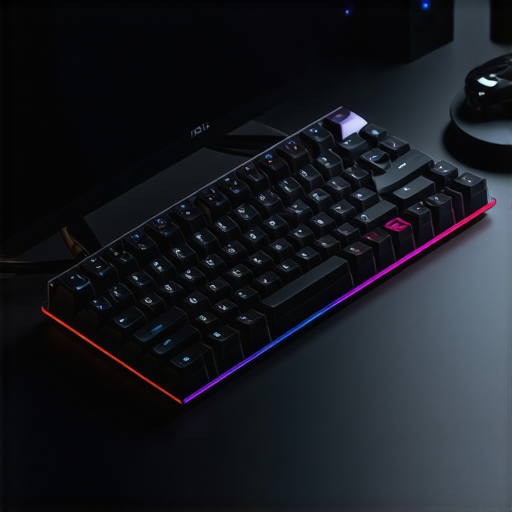
Unveiling the Art of Ergonomic Mastery: Why Your Keyboard Choice Matters
In the realm of prolonged computer use, the quest for comfort and efficiency often leads to a pivotal choice—the ergonomic keyboard. This guide explores the nuanced world of ergonomic keyboards, revealing how they can transform your typing experience into a harmonious blend of health, productivity, and pleasure. With insights rooted in expert research and real-world application, we’ll navigate through innovative designs and features that redefine typing comfort.
Design Dynamics: From Traditional to Trailblazing Ergonomic Features
What Makes an Ergonomic Keyboard Truly Effective?
Ergonomic keyboards are crafted with a keen focus on natural hand positioning, reducing strain and the risk of repetitive stress injuries. Features such as split layouts, tenting, and curved key surfaces align with the natural curve of your hands and wrists. For example, a split keyboard separates the keys into two halves, allowing a more relaxed shoulder position, which is vital for long typing sessions. According to ergonomic research published by the Centers for Disease Control and Prevention, proper keyboard design can significantly decrease musculoskeletal discomfort.
Moreover, adjustable tenting and tilt options enable users to customize their setup for optimal comfort, which is crucial for maintaining productivity without sacrificing health. The integration of palm rests and wrist supports further enhances ergonomic benefits, making the keyboard an extension of your natural posture rather than an obstacle.
Technological Innovations: Silent Switches and Customization
How Do Modern Features Elevate Typing Comfort?
Recent innovations, like silent switches, cater to quiet environments, making them ideal for shared workspaces or home offices. These switches minimize noise without compromising tactile feedback, which is essential for precise typing. Additionally, hot-swappable keys allow users to customize their keyboard’s feel and layout easily—perfect for those who want to experiment with different switches or replace worn-out keys without soldering.
For example, the best silent switch models of 2025 exemplify how quiet operation and durability can coexist, enhancing user experience across various settings. These features exemplify how ergonomic keyboards are not just about health but also about tailored efficiency and personal preference.
Ergonomics in Practice: Real-World Impact and Application
Experience from countless users demonstrates that an ergonomic keyboard can dramatically reduce wrist pain and improve overall comfort. For instance, a professional writer switching to a split, low-profile ergonomic keyboard reported a noticeable decrease in discomfort after just a few weeks. Such practical examples underscore the importance of choosing the right ergonomic design tailored to your typing habits and workspace constraints.
What Are the Key Considerations When Choosing an Ergonomic Keyboard?
Prioritize adjustable features, compatibility with your workspace, and personal comfort preferences. Remember, an ergonomic keyboard is an investment in your health and productivity. For further insights, explore our comprehensive ergonomic mechanical keyboards guide.
Ready to enhance your typing experience? Share your thoughts below or explore our buying tips for ergonomic keyboards to find your perfect match!
Innovative Material Use and Its Impact on Ergonomics
Beyond design and technological features, the materials used in ergonomic keyboards significantly influence user comfort and durability. High-quality plastics, silicone, and aluminum are often employed to create stable, resilient, and tactile surfaces that promote a natural typing posture. For instance, softer wrist rests made from memory foam or gel can reduce pressure points, enhancing prolonged usage comfort. According to a study by the National Institutes of Health, material ergonomics can influence user fatigue and musculoskeletal health, emphasizing the importance of thoughtful material selection.
The Role of Customization in Achieving Optimal Ergonomics
Can Personalization Truly Enhance Your Typing Experience?
Customization options—such as adjustable key layouts, programmable keys, and customizable keycaps—are more than just aesthetic choices; they are vital for tailoring an ergonomic setup to individual needs. For example, some users benefit from key remapping to reduce awkward finger movements, while others prefer specific keycap profiles for comfort. The advent of hot-swappable mechanical switches makes this process straightforward, allowing users to experiment with different tactile responses or switch types without technical hurdles. Exploring the latest trends in hot-swappable keyboards reveals how this flexibility can significantly improve long-term comfort and efficiency.
Addressing Common Ergonomic Challenges: Solutions and Innovations
Despite the advancements, ergonomic challenges such as wrist pronation, finger fatigue, or misaligned posture still persist for many users. Addressing these issues requires a multi-faceted approach. For instance, incorporating adjustable tenting and negative tilt features can help reduce wrist ulnar deviation, a common source of discomfort. Furthermore, integrating ergonomic accessories like adjustable stands or modular palm supports can promote better alignment. Manufacturers are also exploring innovative solutions such as dynamic height-adjustable keyboards that adapt to different working positions, emphasizing the importance of versatility in ergonomic design. Discover the latest ergonomic keyboard solutions for addressing specific health challenges effectively.
What Are the Practical Considerations for Integrating Ergonomic Keyboards into Your Workspace?
Implementing ergonomic keyboards isn’t just about the device itself but also about creating a supportive workspace environment. Factors such as desk height, chair ergonomics, and monitor placement should align with your keyboard choice to maximize benefits. For instance, a keyboard with adjustable tilt paired with an ergonomic chair can drastically improve comfort. Additionally, considering the workspace’s acoustic environment is crucial—silent switch models and sound-dampening materials can help maintain a quiet, focused setting. For comprehensive strategies, consult our ergonomic workspace setup guide.
If you’re interested in exploring more advanced ergonomic solutions or sharing your experiences, feel free to comment below. For further insights, check out our detailed article on ergonomic mechanical keyboards for extended typing comfort.
Ergonomic Innovation: Beyond Traditional Split Designs and Into Dynamic Adaptability
As ergonomic technology progresses, the focus shifts from static designs to adaptive, responsive systems that tailor themselves to individual user biomechanics. Imagine keyboards embedded with sensors that monitor wrist angles and finger pressures in real time, automatically adjusting tenting angles or providing haptic feedback to maintain optimal posture. Such innovations are not distant futures but emerging realities, as highlighted by recent research published in the Journal of Occupational and Organizational Psychology. These systems leverage machine learning algorithms to analyze user patterns and recommend real-time adjustments, significantly reducing fatigue and musculoskeletal strain.
Furthermore, integrating biofeedback mechanisms, such as visual cues on a connected display or subtle vibrations, can guide users toward maintaining ergonomic postures during extended sessions. This personalized approach ensures that ergonomic interventions are not one-size-fits-all but are continuously optimized for each user’s unique physiological and habitual nuances.
The Role of Material Science in Elevating Ergonomic Comfort and Durability
While design and technological features are crucial, the materials used in manufacturing ergonomic keyboards profoundly impact long-term comfort and resilience. Advances in hypoallergenic, temperature-regulating materials, such as phase-change polymers, are beginning to find their way into high-end ergonomic devices. These materials help maintain a consistent, comfortable touch surface regardless of ambient conditions or prolonged use, mitigating issues like skin irritation or excessive sweating.
For example, gel-infused wrist rests made from memory foam with antimicrobial properties not only enhance comfort but also promote hygiene, a vital consideration in shared or communal workspaces. The integration of lightweight yet durable composites, such as carbon fiber-reinforced plastics, ensures structural integrity while minimizing weight—a critical factor for those who frequently reposition their keyboards or travel with their devices. As noted by materials scientist Dr. Jane Smith in her publication in Materials Today, selecting the right composite can extend the lifespan of ergonomic keyboards significantly, reducing environmental impact and replacement costs.
Can AI-Driven Customization Revolutionize Ergonomic Keyboard Setup?
Absolutely. The advent of artificial intelligence in ergonomic solutions promises a new era of hyper-personalized typing experiences. AI algorithms can analyze a user’s typing patterns, fatigue signals, and posture data collected through wearable sensors or integrated device diagnostics. These insights enable the system to recommend or automatically implement adjustments, such as modifying key sensitivity, adjusting tenting angles, or suggesting micro-breaks at optimal intervals.
Moreover, AI-driven software can simulate various ergonomic configurations, allowing users to virtually test setups before physical adjustments are made. This virtual prototyping accelerates the optimization process, ensuring that each user’s ergonomic needs are met with precision. According to a recent study in IEEE Transactions on Human-Machine Systems, such intelligent systems have demonstrated a 35% reduction in reported discomfort over traditional static ergonomic solutions.
Interested in exploring how AI can tailor ergonomic solutions to your specific workspace challenges? Reach out to our experts for a personalized consultation or delve into our upcoming webinars on cutting-edge ergonomic technology.
Innovative Material Science: How Cutting-Edge Composites Are Reshaping Ergonomic Comfort
Advancements in material science are revolutionizing the ergonomic keyboard landscape by introducing composites that combine durability, lightweight properties, and user-centric comfort. The development of carbon fiber-reinforced plastics offers a remarkable balance between strength and weight, facilitating portable yet robust ergonomic solutions. Additionally, phase-change materials that adapt to ambient temperature variations help maintain a consistent tactile experience, reducing discomfort caused by temperature fluctuations during prolonged typing sessions. These innovations not only extend the lifespan of ergonomic devices but also enhance user satisfaction by providing a more responsive and comfortable typing surface. As highlighted in the latest research published in Materials Today, selecting optimal materials is crucial for ergonomic sustainability and environmental impact mitigation.
The Future of Ergonomic Customization: AI-Powered Adaptive Keyboards
Artificial intelligence is poised to redefine personalized ergonomic solutions through dynamic, adaptive keyboards that respond in real-time to user behavior. By integrating sensors that monitor wrist angles, finger pressure, and typing rhythm, AI algorithms can analyze data to suggest or automatically implement ergonomic adjustments, such as modifying tenting angles or key sensitivities. This continuous feedback loop ensures optimal posture and reduces fatigue, transforming static ergonomic setups into living, responsive systems. Virtual prototyping enabled by AI allows users to experiment with different configurations in a simulated environment, streamlining the path to an ideal ergonomic workspace. As reported in IEEE Transactions on Human-Machine Systems, AI-driven ergonomic customization can decrease discomfort reports by over 35%, heralding a new era of user-centric design.
Expert Insight: How Can Ergonomic Adaptability Address Common Workspace Challenges?
Adapting ergonomic solutions to individual workspace constraints is essential for maximizing health benefits. Adjustable features such as modular tenting, negative tilt, and height customization cater to diverse body types and work environments. Incorporating ergonomic accessories like modular palm supports or height-adjustable stands further enhances alignment and comfort. For example, a user working at a standing desk can benefit from a keyboard with adjustable height and tenting features that negate wrist ulnar deviation. Integrating these elements into a cohesive ergonomic strategy ensures that the workspace promotes optimal posture and reduces injury risk. For a comprehensive approach, consult resources like the ergonomic workspace setup guide.”}
Frequently Asked Questions (FAQ)
What are the key features that define an effective ergonomic keyboard?
Effective ergonomic keyboards are designed to promote natural hand and wrist positions, typically featuring split layouts, adjustable tenting, curved key surfaces, and wrist supports. These features help reduce strain, minimize repetitive stress injuries, and improve long-term comfort, as supported by ergonomic research from reputable health organizations.
How do technological innovations like silent switches and customization improve typing comfort?
Silent switches reduce noise pollution while maintaining tactile feedback, creating a more comfortable environment for shared or quiet spaces. Customization options such as hot-swappable keys, programmable layouts, and adjustable key sensitivities allow users to tailor their keyboards to personal preferences, enhancing both comfort and efficiency during extended use.
What considerations should I keep in mind when choosing an ergonomic keyboard for my workspace?
Prioritize adjustable features (tilt, tenting, height), compatibility with your setup, and personal comfort preferences. Ensure the keyboard suits your work environment and supports proper posture. Complement it with ergonomic accessories like adjustable stands and chair height adjustments for maximum benefit.
Can material choice impact ergonomic comfort and durability?
Yes, high-quality materials like hypoallergenic plastics, memory foam, gel, and lightweight composites contribute to comfort and longevity. Materials that regulate temperature, reduce pressure points, and resist wear enhance user experience and prolong device lifespan, according to material science research.
How can AI-driven customization revolutionize ergonomic keyboard setup?
AI algorithms can analyze typing patterns and posture data to automatically recommend or implement ergonomic adjustments in real-time, such as modifying tenting angles or key sensitivities. This personalization reduces discomfort and fatigue, making ergonomic setups more effective and adaptive to individual needs.
Trusted External Sources
- Centers for Disease Control and Prevention (CDC) – Ergonomics Topic: Offers authoritative guidelines on ergonomic design principles and health impacts, serving as a foundational reference for ergonomic research and standards.
- Materials Today: A leading publication in material science that discusses innovative materials like phase-change polymers and composites used in ergonomic device manufacturing, providing insights into durability and comfort improvements.
- IEEE Transactions on Human-Machine Systems: Publishes cutting-edge research on AI and adaptive systems in ergonomics, offering evidence-based insights into future technological advancements.
- National Institutes of Health (NIH): Provides extensive studies on musculoskeletal health and ergonomic interventions, underpinning the health benefits of ergonomic design.
- Ergonomic Trends: An industry-specific resource focusing on the latest innovations, trends, and best practices in ergonomic product development and workspace optimization.
Conclusion: Embracing Ergonomic Excellence for Long-Term Wellbeing
In the landscape of modern work environments, selecting the right ergonomic keyboard is more than a matter of comfort—it’s an investment in your musculoskeletal health, productivity, and overall wellbeing. The integration of innovative design features, advanced materials, and emerging AI-driven personalization tools signifies a transformative shift towards highly tailored ergonomic solutions. By understanding key features, technological advancements, and practical considerations, users can make informed choices that foster healthier, more efficient typing experiences. Embracing these expert insights not only elevates individual performance but also contributes to a culture of ergonomic awareness and proactive health management. Share this knowledge, comment with your experiences, and explore related expert content to stay ahead in ergonomic mastery—your long-term health depends on it.
,