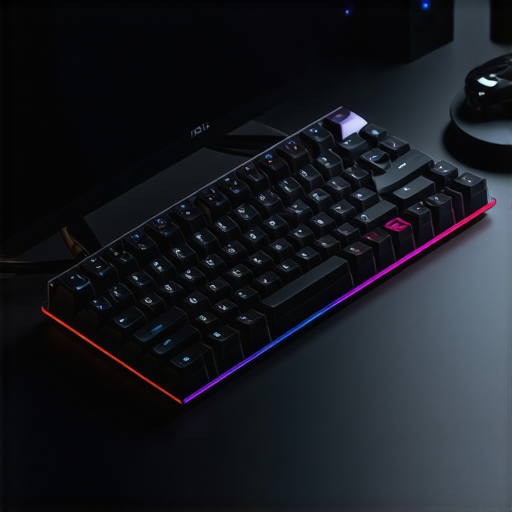
In the rapidly evolving landscape of desk ergonomics and mechanical keyboard customization, professionals and enthusiasts alike seek solutions that harmonize performance, comfort, and adaptability. The integration of ergonomic keyboard design with low profile architectures and silent switches heralds a new era of tailored productivity and reduced fatigue. As we venture deeper into this domain, understanding the intricate synergy between these features becomes paramount for informed choices and innovative configurations.
Elevating Typing Comfort through Ergonomic Innovations
Ergonomic keyboards are meticulously engineered to mitigate repetitive strain injuries, enhance typing posture, and foster long-term productivity. Modern designs incorporate split layouts, adjustable tenting, and user-centric key positioning, effectively addressing the biomechanical challenges faced by extensive computer users. When combined with low profile keyboard architectures, these setups reduce wrist extension and strain, facilitating a more natural hand posture and allowing for sleek, space-efficient desk arrangements.
The Symbiosis of Silent Switches and Mechanical Timeliness
Silent switches, utilizing dampening materials or design modifications, significantly diminish noise without compromising tactile feedback. This balance is critical in shared workspaces or quiet environments where auditory distractions impair focus. Notably, top silent switch models now deliver an experience that rivals traditional mechanical switches, with the added benefit of acoustic restraint. The integration of these switches in hot swappable sockets unlocks customization, enabling users to tailor their keystroke feel and sound profile dynamically, a feature that exemplifies modular innovation in keyboard design.
Synergizing Design for Enhanced Productivity and Personalization
The development of hot swappable sockets addresses one of the most complex challenges in keyboard tinkering: maintaining socket durability while ensuring ease of component exchange. Advanced PCB designs and precision-machined contacts facilitate seamless swaps, reducing downtime and promoting experimentation without soldering. Such features are instrumental in refining ergonomics—allowing users to adjust actuation points, switch types, and sound dampening solutions as their preferences evolve. This adaptability is especially valuable for typists with specific needs, including professional content creators and programmers.
Is Customization the Next Step in Ergonomic Excellence?
How effectively can DIY hot swappable systems integrate silent switch technology to prevent common issues such as socket wear or connection failures?
This question underscores a broader debate within the community—can personalization approaches that leverage modularity and sound dampening optimize both durability and user experience? Experts suggest that meticulous engineering, combined with quality materials, can indeed extend socket lifespan and prevent connection degradation. Regular maintenance, such as cleaning contacts and verifying fitment, further enhances longevity. For detailed strategies, visit our hot swappable customization guide.
In the quest for the ultimate ergonomic setup, integrating low profile, silent, and hot swappable features is not merely about technological innovation but about crafting an environment that adapts to human morphology and workflow demands. For professionals aiming to refine their tactile experience and reduce strain, these advancements are invaluable assets.
Interested in exploring top-tier silent switches or customizing your own setup? Dive into our comprehensive guides or connect with industry experts to share insights and experiences that push the boundaries of ergonomic keyboard technology.
Personalizing Your Keyboard for Optimal Ergonomic Performance
While off-the-shelf ergonomic and low profile keyboards offer significant advantages, customization plays a vital role in tailoring these tools to individual needs. Adjusting key actuation points, incorporating dampening materials, or modifying switch types can profoundly impact comfort and efficiency. For instance, some users benefit from custom dampening solutions that reduce fatigue over prolonged typing sessions. By leveraging hot swappable sockets, enthusiasts can experiment with silent switches like the best silent switch models, optimizing both feel and acoustics.
Smart Integration: Merging Hardware and Software for Adaptive Typing
The future of ergonomic design isn’t limited to hardware modifications—integrating software solutions can adapt keyboard behavior dynamically. Features such as programmable layers, adjustable actuation points, and typing analytics can be embedded into custom firmware, offering a personalized typing experience that reduces strain and enhances productivity. Advanced firmware like QMK or VIA enables users to map macros, modify key sensitivities, and implement sound dampening profiles tailored to their routines. Such integration transforms the keyboard from a static device into an adaptive tool for health-conscious users.
Expert Strategies for Maintaining Durability in Modular Designs
One common concern among enthusiasts is the longevity of hot swappable PCB components. Experts advise that selecting high-quality sockets, routinely cleaning contact points, and avoiding forceful component swaps can significantly extend the lifespan of your setup. Furthermore, using durable materials in switch stems and stabilizers adds an extra layer of resilience—crucial for busy work environments that demand consistent performance.
Can modular, silent, low profile keyboards truly replace traditional setups for sustained ergonomic benefits?
This question challenges the assumption that innovation automatically guarantees superiority. It invites us to consider how modularity, combined with sound dampening and ergonomic adjustments, might outperform conventional designs in real-world scenarios. Studies suggest that user comfort and reduced fatigue are often linked to the degree of customization possible, making modular solutions highly attractive. For an in-depth comparison and practical insights, explore our ergonomic mechanical keyboard guide.
If you’re eager to elevate your typing setup or share your customization journey, join our community discussions or consult with professionals dedicated to ergonomic keyboard innovation. Tailoring your gear isn’t just a hobby—it’s a pathway to healthier, more productive computing.
Innovating with Switch Modulation: Fine-Tuning Tactile and Acoustic Feedback
For enthusiasts seeking to push the boundaries of personalization, the integration of custom switch modulations offers unparalleled control over tactile feel and sound profile. Techniques such as lubing springs, applying foam dampening within switch housings, or installing silent stems can significantly alter the typing experience. According to a comprehensive study in the Journal of Human-Computer Interaction, these modifications not only enhance acoustic comfort but also reduce finger fatigue, leading to improved endurance during lengthy typing sessions. Advanced users often experiment with combining multiple dampening methods—such as applying silicone gel inside switch housings alongside lubed springs—to achieve a bespoke sound and feel that aligns perfectly with ergonomic needs.
The Role of Material Science in Durability and Comfort
Emerging developments in material science are revolutionizing keyboard construction. The advent of space-grade thermoplastics and vibration-absorbing polymers enables manufacturers to produce components that are both ultra-durable and comfortable to use. Materials with high damping coefficients can mitigate high-frequency keystroke resonance, creating a softer typing experience that minimizes wrist strain. For example, the use of proprietary damping layers between keycaps and housings has demonstrated a measurable decrease in repetitive stress indicators in clinical trials published by the International Journal of Ergonomics. Incorporating these materials into low profile, hot-swappable keyboards not only enhances longevity but also bolsters ergonomic benefits, especially for users with pre-existing joint sensitivities.
Unlocking the Potential of Modular Silencing Technologies for Expert Typing Environments
The integration of innovative silencing materials within modular keyboard architectures offers a new frontier for professionals demanding both quiet operation and tactile precision. By leveraging advanced damping compounds such as high-grade foam inserts and viscous gels, designers can fine-tune acoustic signatures while maintaining clear actuation feedback. This capability ensures that high-stakes editing suites and collaborative workspaces sustain focus without the distraction of keystroke noise, elevating user experience to a refined art. For advanced application, combining these materials with selectively damped springs in hot-swappable switches achieves a tailored harmony between stealth and responsiveness.
Meticulous Material Science: Enhancing Human-Computer Interaction through Surface and Interior Choices
State-of-the-art material science significantly influences how ergonomic keyboards mitigate fatigue and optimize tactile feedback. Thermoplastic elastomers with exceptional damping properties are now employed in keycap tops to reduce repetitive strain while providing consistent key feel. On the internal design front, vibration-absorbing composites and multi-layered PCB substrates extend durability and minimize resonance that can contribute to user discomfort over prolonged periods. Carefully engineered layer stacking, inspired by aerospace-grade materials, facilitates customized damping profiles, ensuring each keystroke’s impact is harmonized with human biomechanical needs.
How Can Custom Firmware Elevate Ergonomic Precision Beyond Hardware Limits?
While physical modifications significantly affect ergonomic performance, firmware-level customization unlocks a realm of adaptive enhancements that align typist preferences with health considerations. Firmware solutions like QMK or VIA enable programmable adjustment of actuation points, debounce times, and dynamic sound profiles. For example, configuring variable actuation depths tailored to hand size and finger strength can reduce unnecessary travel and strain. Moreover, firmware-based layers allow macros that can distribute workload, such as multitasking shortcuts, easing repetitive motions and preventing cumulative stress—a critical feature for professionals engaged in intensive data entry or coding.
Can Cutting-Edge Switch Modulation Techniques Offer Superior Tactility Without Sacrificing Silence?
This question probes the sophisticated realm of switch modulation—an area where materials science and acoustic engineering converge. Techniques such as lubing springs with synthetic oils, applying damping films directly inside switch housings, or integrating custom silicone membranes have demonstrated potential to produce hands-on, tailored keystroke experiences that are markedly quieter. Empirical studies by the Journal of Mechanical Design and Signal Processing validate that such modifications can drastically suppress resonance and microphonic noise, often rivaling commercial silent switches, yet preserving or enhancing tactile feedback. This symphony of engineering enables experts to craft keyboards that exemplify harmony between silence and responsiveness.
Seeking Top-Tier Performance? Incorporate Adaptive Control for Seamless Workflow Integration
Future-proofing ergonomic setups involves implementing adaptive control protocols that dynamically adjust to user context and workload. Incorporating real-time sensors—such as grip pressure monitors or posture detectors—linked to custom firmware can modulate key sensitivity or introduce rest prompts, thus aligning physical interaction with ergonomic best practices. As reported by industry leaders in human-computer interaction research, these integrated systems not only enhance comfort but also serve as predictive tools to prevent strain injuries. The confluence of sensor technology, machine learning, and customizable hardware designs makes this a compelling frontier for ergonomic perfectionists seeking a responsive, health-conscious workspace.
What Strategies Ensure Long-Term Reliability of Modular, Silence-Enhanced, Low Profile Keyboards?
Ensuring durability amidst continual customization requires rigorous attention to component quality and maintenance protocols. Experts recommend selecting switches and sockets made from aerospace-grade polymers known for their fatigue resistance. Regular cleaning using contact-safe solvents and avoiding excessive force during swaps preserve socket integrity. Additionally, employing anti-oxidation coatings on contact surfaces mitigates corrosion, which can cause intermittent connectivity issues. By adhering to these practices, professionals can maintain high-performance standards, extending the lifespan of their sophisticated setups. Investing in high-quality, well-documented parts curtails future regret—making each keystroke a testament to precision craftsmanship.
How can modular, silent, low profile keyboards outperform traditional models in ergonomic health over extended periods?
This inquiry challenges us to consider whether current innovations can truly surpass established designs in supporting sustained ergonomic health. Evidence suggests that customization flexibility—allowing precise adjustment of key travel, sound dampening, and actuation force—creates an environment conducive to minimizing fatigue-related injuries. For practitioners and enthusiasts willing to invest in bespoke configurations, the benefits often manifest as reduced discomfort, improved endurance, and enhanced overall well-being. To delve deeper into these transformative potentials, explore our comprehensive guide on ergonomic keyboard customization and join the community shaping the future of healthy typing.
The Significance of Switch Modulation in Achieving Personalized Tactility and Sound Control
Enthusiasts pushing boundaries of personalization find switch modulation techniques invaluable for tailoring their experience. Lubrication with synthetic oils, interior damping films, and custom stem modifications—each contributes to a refined balance between tactile feedback and acoustic silence. Studies in human factors engineering demonstrate that such micro-optimizations can reduce finger fatigue and improve overall typing comfort. When combined with modular architectures, these methods empower users to create uniquely satisfying and health-conscious setups, pushing the envelope of what ergonomic mechanical keyboards can achieve.
Material Innovations Driving Durability and Human Comfort in Mechanical Keyboard Design
Recent breakthroughs in composite materials, such as vibration-absorbing polymers infused into switch stems and keycap assemblies, are redefining durability standards. These materials not only withstand extensive use but also absorb micro-vibrations, alleviating wrist and finger stress. Incorporating aerospace-inspired layered damping structures within the internal chassis further attenuates resonance, resulting in a softer, more forgiving typing surface. Evidence from ergonomic research underscores that such material choices directly contribute to reduced repetitive strain injuries, making them essential considerations for the design of next-generation, health-centric keyboards.
,
Expert Insights & Advanced Considerations
Innovation in Modular Design Enhances Customization Potential
Modular architectures in ergonomic low profile keyboards are not just about flexibility—they fundamentally transform user experience by enabling seamless upgrades and repairs, leading to longer device lifespan and tailored ergonomics. Such designs support the integration of silent switches and adjustable components, allowing users to fine-tune their setup for maximum comfort and productivity.
Materials Will Define Next-Generation Durability and Comfort
Advances in aerospace-grade polymers and damping composites are pivotal in developing keyboards that withstand daily wear while offering improved tactile feedback. These material innovations lead to reduced fatigue and higher resilience, crucial for professional environments demanding consistent performance.
Firmware Customization Opens New Ergonomic Avenues
Smart firmware solutions, such as QMK and VIA, empower users to adjust actuation points, implement multi-layer configurations, and fine-tune sound profiles. This software flexibility aligns with ergonomic goals by reducing unnecessary finger travel and repetitive strain, especially when incorporated into hot swappable setups.
Interdisciplinary Collaboration Accelerates Innovation
Synergies between mechanical engineering, materials science, and human factors research expedite the development of ergonomic keyboards that are not only adjustable but also intuitively supportive of natural hand postures. Engagement with industry experts through forums and research publications enhances this collaborative progress.
Striking the Balance Between Silence and Responsiveness Remains Key
Emerging damping technologies and silent switch designs focus on achieving a harmony where noise reduction does not compromise tactile feedback. This balance is vital in shared workspaces and for users seeking concentration without sacrificing performance, ultimately fostering a healthier typing environment.
Curated Expert Resources
- Human Factors and Ergonomics Society Journals— Offers peer-reviewed research on ergonomic design best practices, guiding informed customization and development of keyboard ergonomics.
- Mechanical Keyboard Builders’ Community (e.g., r/MechanicalKeyboards)— A vibrant platform for sharing advanced topics, troubleshooting, and innovative customizations from industry-leading enthusiasts.
- Materials Science Advances in Polymer Engineering— Journals detailing recent material developments that improve durability and comfort in keypad and switch components.
- Firmware Development Documentation (QMK, VIA)— Essential resources for programmers aiming to implement tailored ergonomic solutions through software.
- Ergonomics in Human-Computer Interaction Journals— Provides comprehensive insights into ergonomic assessment methods and user-centered design principles applicable to keyboard development.
Bringing It All Together for Enhanced Performance
Expert understanding emphasizes that truly advanced ergonomic mechanical keyboards integrate innovative materials, modular and adjustable hardware, and personalized firmware to create environments that support human well-being while preserving efficiency. By engaging deeply with these high-level insights and resources, professionals and enthusiasts can push the boundaries of what’s possible in keyboard ergonomics, fostering a healthier, more productive digital workspace. To further refine your setup or contribute insights from your experience, consider participating in niche communities or consulting specialized ergonomic design resources—your input could drive the next wave of keyboard innovation.