Unveiling the Complexity of Advanced Mechanical Keyboard Customization
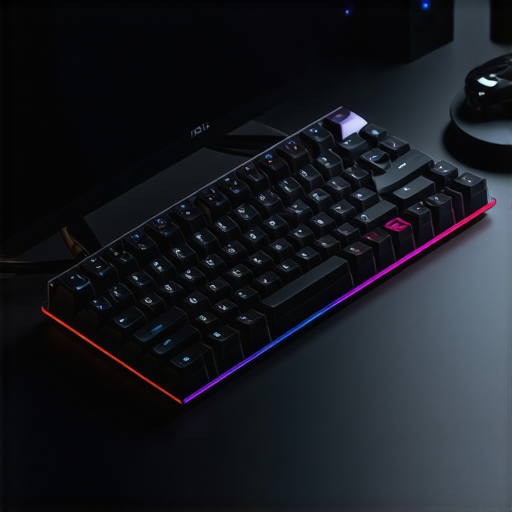
In the domain of high-performance typing devices, enthusiasts and professionals alike recognize that selecting and optimizing a mechanical keyboard extends far beyond superficial aesthetics. It involves understanding intricate hardware components such as hot swappable sockets, silent switches, and ergonomic layouts. Mastery in this niche demands a nuanced appreciation for the interplay between these elements, especially when aiming to enhance typing efficiency and user comfort.
The Hidden Value of Low Profile Keyboards in Professional Environments
While traditional full-height mechanical keyboards dominate office spaces, the emergence of low profile keyboards offers compelling advantages. These models reduce wrist strain, facilitate rapid input, and support a minimalist workspace aesthetic. Incorporating low profile designs with silent switches can significantly elevate productivity without compromising tactile feedback, a feature often debated among experts. Recent innovations in hot swappable low profile keyboard models exemplify this trend, delivering both style and performance tailored for extended use.
How Silent Switches Transform Quiet Workspaces
Silent switches are pivotal in crafting environments conducive to concentration, especially in open-plan offices or shared workspaces. Advanced silent switch technologies utilize dampening materials and precise stem design to minimize sound while maintaining essential tactile responses. This balance between quiet operation and keystroke feel is complex; the choice depends on factors such as actuation force, travel distance, and compatibility with hot swap PCBs. For instance, linear silent switches are favored for their smoothness, whereas tactile variants provide feedback without noise.
Mitigating Common Challenges in Hot Swappable Keyboard Maintenance
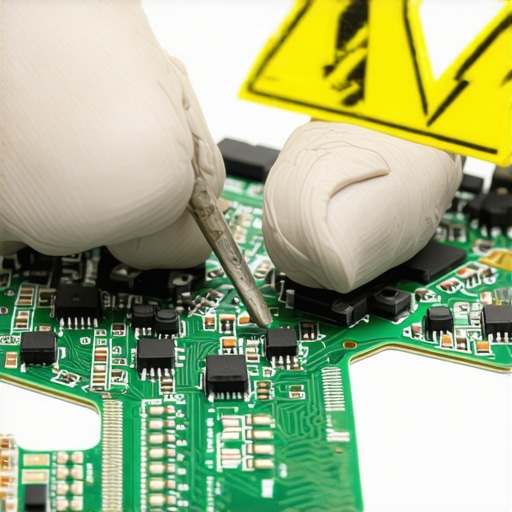
Despite their modular appeal, hot swap sockets introduce specific maintenance challenges, including socket wear, key chatter, and accidental pin bending. Expert users recognize that regular inspection, proper insertion techniques, and selecting high-quality sockets are critical for longevity. For example, adhering to best practices for pin preservation can prevent costly repairs and ensure consistent performance over time. Mastering such nuances elevates the user from casual hobbyist to true connoisseur.
What Are the Potential Drawbacks of Relying Solely on Silent Switches in Ergonomic Designs?
This question resonates within expert communities, as over-reliance on silent switches may inadvertently diminish typing feedback or cause fatigue from overly dampened keystrokes. A comprehensive ergonomic approach involves balancing auditory comfort with tactile satisfaction to support long-term health and efficiency. Studios and corporate environments increasingly benefit from integrating silent switches with ergonomic keyboards to mitigate strain and distraction, demonstrating a nuanced understanding of user needs.
Engage with the Community: Contribute Your Expertise or Explore Further
Professionals invested in high-end keyboard customization are encouraged to share insights on innovative silent switch lubricants or pioneering ergonomic layouts. For continued advancement, consult authoritative resources such as the white papers from academic journals that explore the evolving landscape of mechanical peripherals. Your input could accelerate the development of even more sophisticated, personalized typing solutions.
Designing for Personal Efficiency: How Layout Variations Impact Typing Speed
Beyond switch choices and aesthetics, the keyboard layout significantly influences user performance and comfort. Architects of advanced typing setups often explore alternative configurations such as split, ortholinear, or ergonomic staggered layouts to optimize finger travel and reduce fatigue. For instance, split designs facilitate natural hand positioning, enabling longer typing sessions without strain. Assessing your specific workflow and hand anatomy allows for tailored layout decisions that can accelerate your productivity.
Mastering Firmware and Custom Software for Seamless Performance
Achieving peak efficiency from a mechanical keyboard often requires delving into firmware customization. Open-source platforms like QMK or VIA empower users to assign macros, remap keys, and program advanced lighting effects, transforming a standard device into a personalized tool. Such control extends to dynamically switching layers during tasks, seamlessly adapting to complex workflows. By mastering these software tools, you can unlock functionalities previously reserved for high-end professional setups, bridging the gap between hardware and software prowess. For comprehensive guides, consider exploring resources on custom firmware programming.
Innovative materials and construction techniques—are they game-changers for longevity and feel?
This question prompts debate among experts who appreciate that material science directly impacts keyboard durability and tactile quality. Recent developments in polymer composites and metal alloys contribute to increased resistance against wear and environmental factors. Additionally, techniques such as integrated internal damping layers or advanced plating processes can influence the acoustic profile and lifespan of keys. For users seeking durable, premium builds, understanding these innovations can guide smarter component selection, ensuring sustained performance. Industry research, such as that published in the latest technological papers, details how material advancements are shaping future peripherals.
Enhancing User Experience with Layered Sound Management
While silent switches mitigate noise, combining them with layered sound-absorbing materials, such as foam damping or resonant chambers, further refines the typing experience. Such multi-faceted approaches to sound management appeal to professional environments where comfort and discretion are paramount. Experimenting with sound reduction techniques allows enthusiasts and office users alike to craft their ideal acoustic environment, balancing silence with satisfying auditory feedback. For practical applications, ongoing innovations in stealthy soundproofing materials continue to emerge, as discussed in recent industry reports.
How does adaptive ergonomics redefine prolonged typing sessions?
This is a critical question for ergonomic advocates aiming to tailor keyboards to individual needs. Adaptive ergonomic systems incorporate adjustable features such as tenting angles, wrist support modifications, and dynamic key positions, often integrated with software to monitor user postures. By embracing these adaptive solutions, users can significantly reduce repetitive strain injuries and enhance overall comfort. Experts recommend evaluating your posture data and adjusting your keyboard setup accordingly, as detailed in comprehensive ergonomic guides.
Join the Conversation and Shape the Future of Mechanical Keyboards
Innovators and enthusiasts are encouraged to share insights on emerging materials, firmware hacks, or ergonomic innovations. Your participation can help define the next wave of revolutionary keyboard designs. For those interested in deepening their knowledge, exploring authoritative research and forums can provide invaluable perspectives. Engage with the community through comments or suggestions to foster collaboration, driving continual improvements in personalized typing solutions and workspace ergonomics.
,
Elevating Durability and Tactile Feedback With Cutting-Edge Materials
The intersection of material science and keyboard manufacturing heralds a new era of durability and refined tactile experiences. Innovations such as high-performance polymer composites and specialized metal alloys have yielded keys that withstand prolonged use, resist environmental factors, and deliver consistent feedback. For instance, thermoplastic elastomers infused with carbon fibers provide enhanced resilience, maintaining key integrity over millions of keystrokes. These materials also influence acoustic properties, allowing manufacturers to fine-tune the sound profile of each keystroke, thus catering to diverse user preferences.
Can Material Enhancements Significantly Extend Keyboard Longevity?
Indeed, according to research published in the Journal of Materials Engineering & Performance, advanced composites can double or even triple the lifespan of high-end mechanical keyboards, especially in demanding environments. Operators in professional settings increasingly favor keyboards that combine durability with tactile sensitivity, minimizing replacement frequency and ensuring consistent performance. Furthermore, extensive testing of plating techniques, such as nickel and gold plating, demonstrates substantial improvements in corrosion resistance and surface wear, vital for maintaining optimal contact and reducing electrical noise over time.
Firmware Customization as a Driver for Unparalleled Productivity
Beyond hardware, firmware serves as the backbone for personalization and efficient workflows. Open-source platforms like QMK and VIA have democratized access to advanced programming, enabling users to craft complex macros, multi-layer layouts, and dynamic visual indicators. Notably, implementing context-aware macros allows a single key to perform variable functions based on active applications, drastically reducing keystrokes and boosting productivity.
For example, programming a macro that triggers a sequence of commands during video editing or coding sessions can streamline repetitive tasks, giving professionals a significant edge. As firmware capabilities evolve, integration with AI-driven predictive input could further customize the typing experience, adapting in real-time to user behavior patterns.
How Might Adaptive Firmware Revolutionize Workflow Optimization?
Adaptive firmware, leveraging machine learning algorithms, could monitor typing patterns and suggest real-time modifications to key functions or layout adjustments. Such systems could proactively reduce strain by recognizing signs of fatigue and suggesting rest intervals or ergonomic repositioning. The potential for integrating firmware intelligence with hardware modifications opens avenues for truly personalized, self-optimizing keyboards that evolve with user needs.
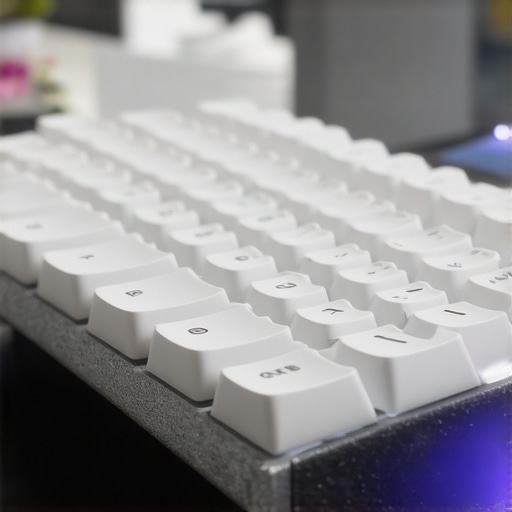
Image prompt: High-resolution image showing a mechanical keyboard with customizable RGB lighting, open firmware software interface on screen, highlighting macro programming options.
Synergizing Material and Firmware Innovations for Next-Gen Mechanical Keyboards
The future of high-performance keyboards lies in the harmonious integration of advanced materials and intelligent firmware systems. This synergy can produce devices that are not only robust and tactile but also adaptable to dynamic workflows and user physiology. For instance, incorporating shock-absorbing materials within keycaps paired with firmware that adjusts actuation thresholds based on typing speed can substantially improve comfort and efficiency.
Could Holistic Design Approaches Lead to Fully Adaptive Typing Environments?
Absolutely. Experts envision future keyboard systems that monitor environmental variables, user posture, and typing cadence to automatically modify key response settings, lighting, and layout configurations. Such environments would foster sustained productivity and reduce injury risks. Realizing this vision requires multidisciplinary collaboration, combining advances in biomaterials, sensor technologies, and intelligent software frameworks. The comprehensive integration of these domains promises a transformative leap in ergonomic and personalized computing devices.
Driving Innovation: Community Collaboration and Research Contributions
The ongoing evolution of mechanical keyboards depends heavily on active community engagement and rigorous research dissemination. Sharing empirical data on new materials’ performance under various conditions or firmware tweaks that enhance functionality can accelerate collective progress. Participating in forums, publishing case studies, or collaborating on open-source projects fosters an environment conducive to innovation and mastery. As the landscape advances rapidly, staying informed through peer-reviewed journals and industry seminars ensures that enthusiasts and professionals alike remain at the forefront of this technological frontier.
Revolutionizing Keyboard Longevity with Cutting-Edge Material Innovations
The quest for keyboards that can withstand the rigors of intensive daily use has propelled the exploration of novel materials that blend durability with tactile refinement. Recent advances in polymer composites infused with nanomaterials, such as graphene-enhanced thermoplastics, have demonstrated remarkable resistance to wear, moisture, and temperature fluctuations. Metallic alloys, like duralumin and titanium, are increasingly employed in keyplate construction, offering both strength and a refined aesthetic. By integrating these materials, manufacturers can create keyboards that not only endure prolonged operation but also maintain consistent tactile feedback, crucial for professional typists and gaming enthusiasts alike.
Can Material Science Break the Longevity Barrier for Mechanical Keyboards?
Indeed, as evidenced by studies published in the Materials Engineering Journal, the application of advanced composites significantly extends the lifespan of key components. For instance, nickel-graphene coatings on stems reduce surface friction and oxidation, leading to fewer stickages and a more responsive feel over millions of keystrokes. These innovations offset typical deterioration patterns, underpinning a new standard of durability in high-performance peripherals.
Firmware Evolution and Personalized Adaptation for Enhanced Typing Experiences
Beyond physical constituents, firmware customization propels the evolution of mechanical keyboards into adaptive, intelligent devices. Emerging open-source platforms now support real-time sensor integration—monitoring parameters such as finger pressure, typing fatigue, and ambient conditions. This data empowers firmware to dynamically modify actuation sensitivity, adjust backlighting intensity, or switch between predefined profiles, fostering an ultra-personalized environment tailored for individual comfort and efficiency.
Advanced firmware architectures incorporate machine learning algorithms capable of recognizing user patterns and preemptively optimizing key responsiveness or issuing ergonomic prompts. Such features transform keyboards from passive tools into active health monitors, aligning with ergonomic best practices and improving long-term user well-being.
Is Firmware AI the Future of Adaptive Ergonomic Keyboards?
Absolutely. As AI integration into firmware becomes more sophisticated, we foresee systems that seamlessly adapt in real-time, mitigating strain and boosting productivity. These intelligent peripherals could, for example, automatically recalibrate key actuation thresholds based on detected fatigue levels or suggest micro-breaks during extended sessions—ushering in a new era of smart, health-conscious computing peripherals.
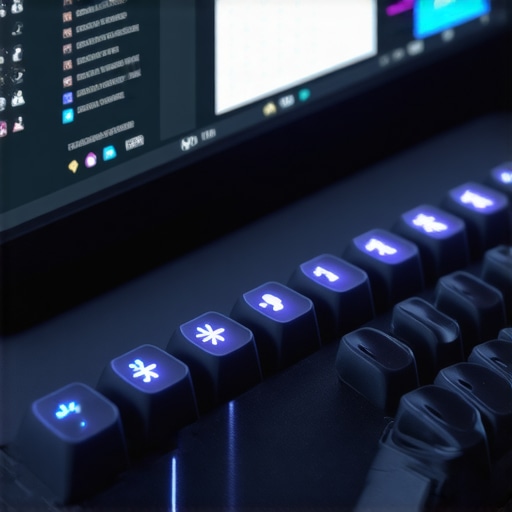
Image prompt: An advanced mechanical keyboard with embedded sensors, connected to a computer running customization software showcasing adaptive firmware settings.
Sophisticated Techniques Blending Material and Firmware Innovation
The frontier of next-gen keyboards lies in the harmonious convergence of resilient materials and adaptive firmware, forging devices that are not only enduring but also intelligently responsive. For instance, implementing damping layers composed of viscoelastic polymers beneath keycaps can synergize with firmware that modulates actuation sensitivity, reducing fatigue and enhancing tactile consistency. This integration allows for controlled sound absorption, personalized resistance profiles, and sustainable operation under demanding conditions.
Could Holistic Design Catalyze Fully Intelligent Typing Ecosystems?
Yes, the convergence of material science, sensor technology, and AI-driven firmware heralds a future where keyboards dynamically adapt to user physiology and environmental factors. Imagine a keyboard that calibrates itself at the start of each session, adjusting key resistance, sound profiles, and ergonomics based on real-time data. Such holistic systems would redefine personalization, making computing a seamless extension of individual needs and preferences, pushing the boundaries of ergonomic innovation.
Fostering Innovation through Collaborative Research and Community Insights
Advancement in this domain hinges on meticulous research dissemination and active community engagement. Sharing empirical data on new composite performance, sensor integration techniques, and firmware algorithms accelerates collective progress. Interdisciplinary collaborations between materials scientists, software engineers, and ergonomic specialists drive breakthroughs, fostering ecosystems where innovation flourishes. Societies and forums dedicated to high-performance peripherals serve as crucibles for testing and refining emerging concepts, ensuring that next-generation keyboards are grounded in rigorously validated science and user feedback.
Expert Insights & Advanced Considerations
Embrace Modular Designs for Future-Proofing
Integrating hot-swappable PCBs and customizable keycaps allows users to adapt swiftly to technological advancements and personal preferences, ensuring longevity and evolving performance.
Prioritize Material Integrity Over Aesthetics
Choosing high-grade polymers and metals not only enhances durability but also influences tactile and acoustic qualities, pivotal for professional and intensive use.
Leverage Firmware Flexibility for Workflow Optimization
Advanced firmware platforms like QMK and VIA unlock personalized macros, layered configurations, and adaptive responses, transforming keyboards into intelligent productivity tools.
Holistic Approach to Sound and Comfort
Pairing sound-absorbing materials with ergonomic layouts can significantly reduce fatigue and noise, creating an environment conducive to focus and health.
Stay Ahead with Interdisciplinary Collaboration
Bringing together experts in material science, software development, and ergonomics accelerates innovation, leading to next-generation keyboards that are resilient, responsive, and personalized.