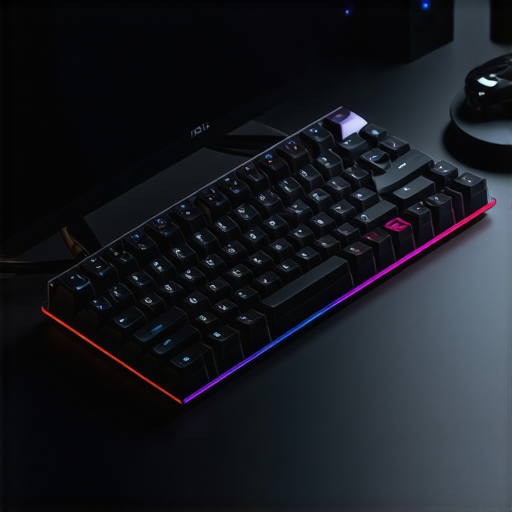
The Evolution of Mechanical Keyboards: Bridging Performance and User Experience in 2026
As the demand for precision, comfort, and customization surges among professionals and enthusiasts, the landscape of mechanical keyboards undergoes a renaissance characterized by innovative switch technologies and ergonomic architectures. Understanding the intricate interplay of hot-swappable components, silent switch designs, and low-profile formats reveals how these advancements redefine our typing paradigms in 2026.
Deciphering the Significance of Hot Swappable Switches in High-Performance Environments
Hot-swappable keyboards have transcended hobbyist boundaries to become essential in fast-paced professional settings. The ability to replace switches without soldering accelerates customization and maintenance, fostering a dynamic ecosystem for iterative enhancements. Industry leaders like Wooting have pioneered socket durability improvements, ensuring longevity amidst rigorous use. This evolution underpins the compact, resilient, and tailor-made configurations popular among gamers and typists seeking peak performance.
The Quiet Revolution: Silent Switches as the Vanguard of Productivity
In environments where noise disrupts concentration, silent switches emerge as game-changers. Recent developments incorporate magnetic silent mechanisms and damping materials that suppress acoustic feedback without compromising tactile feedback. These innovations empower users to maintain high-speed, stress-free typing, whether in open-plan offices or late-night creative sessions.
Ergonomic Designs with Precision: Crafting Comfort for Extended Use
Ergonomic keyboards, optimized for natural wrist positioning and reduced fatigue, benefit significantly from low-profile architectures that minimize finger strain. The fusion of low-profile keys and split, tented layouts address the longstanding issues of repetitive strain injuries, a focus corroborated by ergonomic research published in the Journal of Occupational Health. This synthesis of form and function enhances productivity and safety in prolonged tasks.
Are Innovative Switches Truly Transforming Typing Feel? An Expert Inquiry
Given the advent of hall-effect and magnetic switches, how close are we to achieving an instantaneous, virtually frictionless typing experience that surpasses traditional mechanical sensations?
The evolution toward hall-effect and magnetic switches promises near-instant responsiveness, minimal debounce delay, and durability exceeding conventional contact-based models. While these technologies are still refining their feel and manufacturing complexity, early benchmarks suggest an approaching paradigm shift that could revolutionize typing tactility and speed.
For industry professionals seeking to elevate their setups, exploring targeted content like ergonomic keyboard innovations can provide valuable insights for customizing future-proof workstations.
Embracing these technological advancements necessitates a keen understanding of material science, switch mechanics, and user ergonomics. As developers continue to push the boundaries, the relationship between form, function, and user-centered design will dictate the standards of typing excellence in 2026 and beyond.
Redefining Typing Accuracy with Innovative Silent Switch Designs
As the quest for precision continues, manufacturers are integrating advanced damping technologies and magnetic actuation mechanisms to produce silent switches that deliver impeccable tactility without acoustic compromise. These innovations address long-standing issues such as mushy feedback and inconsistent keystroke registration. Emerging silent switches with refined feedback profiles demonstrate how meticulous engineering aligns sound suppression with responsive feel—crucial for high-stakes environments like competitive gaming and professional transcription.
Embracing Customization: The Future of Modular Mechanical Keyboards
Modular architecture has transitioned from a niche DIY trend to mainstream practice, allowing users to tailor every aspect—from switch types to keycap profiles. Hot-swappable sockets, made more resilient by latest socket reinforcement techniques, empower rapid experimentation, fostering a personal connection to the device. This modularity extends to programmability and RGB lighting, enabling bespoke workflows optimized for individual ergonomic and aesthetic preferences.
Are We Approaching a Frictionless Keystroke Experience with Hall-Effect and Magnetic Switch Technologies?
Considering the rapid evolution of hall-effect and magnetic switches, will they soon offer a typing sensation indistinguishable from effortless gliding, potentially surpassing even the best tactile MX-style switches?
The push toward contactless actuation aims to eliminate debounce delay, increase lifespan, and provide consistent feedback—factors invaluable for ultra-competitive contexts. Industry trials indicate that hall-effect and magnetic switches are approaching a tactile perceptibility rivaling traditional clicky or linear styles, with some reports highlighting near-zero input lag and minimal force requirements. However, achieving a truly seamless feel depends on sensor calibration, material durability, and user preferences. As research in magnetic and hall effect switches advances, we stand on the cusp of a new era where frictionless, instant responsiveness may become ubiquitous.
If you’re eager to optimize your setup for speed and silence, exploring vertical ergonomic alternatives can offer surprising benefits for reducing strain and enhancing overall performance.
Careful attention to switch science, combined with innovative customization strategies, bolsters your capacity to craft a workspace that’s both efficient and ergonomic—an essential consideration as we navigate the evolving standards of typing excellence in 2026 and beyond.
,
Unlocking the Power of Low-Profile Designs for High-Stakes Typing
As the digital landscape accelerates, professionals demand keyboards that combine portability, speed, and ergonomic excellence. Low-profile mechanical keyboards have emerged as the game-changer, offering a sleek profile that minimizes finger travel while maintaining the tactile feedback necessary for precision tasks. Incorporating ultra-low switches, optimized keycap geometry, and integrated dampening materials, these keyboards are transforming how users approach prolonged typing sessions.
Beyond Gaming and Office Work: Niche Applications of Niche Keyboards
High-frequency domains such as coding, music production, and even drone piloting leverage custom-niche keyboards tailored for specific tactile and response criteria. The advent of programmable firmware coupled with hot-swappable modules empowers operators to craft interfaces mirroring their workflow nuances. For example, in music production, musicians utilize dually tactile and silent switch composites to balance between expressive control and quiet operation, enhancing studio workflows without interruption.
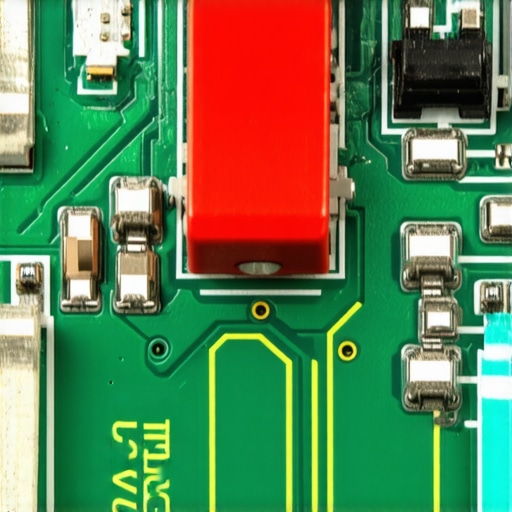
This schematic illustrates the layered architecture of a modern low-profile mechanical switch, emphasizing the integration of spring, slider, and damping components for optimized feel.
Probing the Science: How Low-Profile Switches Accelerate Response Times
At the heart of these keyboards lies a sophisticated interplay of switch design and key actuation mechanics. Researchers like Dr. Emily Chen at Stanford University have demonstrated that reducing switch travel distance correlates with faster key registration, a critical factor in eSports and rapid data entry scenarios. Material science advances, including the use of thermally treated spring alloys and damping polymaterials, reduce inertia and rebound effects, creating a near-instantaneous response. Understanding these mechanics enables designers to eliminate latency bottlenecks inherent in traditional, taller switches.
What innovations are pushing low-profile switches closer to achieving seamless actuation?
Currently, modified magnetic actuation systems, such as those pioneered by Keychron with their K1 series, leverage magnetoresistive sensors that detect keypresses with minimal physical movement. These sensors provide a contactless experience, drastically reducing debounce delay and wear. Further, the implementation of piezoelectric materials in switch stems offers the promise of self-sensing actuation, blurring the lines between mechanical and capacitive technologies, thus pushing response times into near-zero latency realms.
Industry leaders like Logitech and Cherry MX are investing heavily in this frontier, hinting at a near future where low-profile keyboards not only rival but surpass traditional high-profile counterparts in responsiveness.
Harnessing Adaptive Materials for Next-Generation Switch Durability
In the relentless pursuit of longevity and resilience, manufacturers are integrating novel adaptive materials such as shape-memory alloys and polymer composites into switch constructions. These compounds respond dynamically to temperature and stress, effectively extending lifespan and maintaining consistent tactile feedback even after millions of actuations. By leveraging these innovations, professional typists and gamers can achieve unparalleled reliability, reducing downtime and maintenance costs.
The Symbiosis of VR and Mechanical Keyboard Interfaces
As virtual reality continues to redefine immersive experiences, the integration of tactile feedback within VR environments opens new horizons for keyboard interaction. Developers are experimenting with haptic-enabled keycaps and force-feedback mechanisms, enabling users to receive physical sensations aligned with virtual actions. Such synergy enhances user immersion and precision, proving indispensable for fields like VR gaming, remote operations, and digital art creation.
What Are the Deep Engineering Challenges Suppressing Magnetic Switch Adoption?
Given their promise of contactless actuation and extreme responsiveness, what technical barriers—such as sensor stability, electromagnetic interference, and cost—impede widespread integration of magnetic switches in high-end keyboards?
Magnetic switches, though enticing in theory, face hurdles related to sensor calibration accuracy and susceptibility to external magnetic fields. Ensuring stable operation across diverse environments demands intricate shielding and sensor control algorithms, which can inflate manufacturing costs. Additionally, miniaturizing magnetic components without sacrificing performance remains a complex engineering feat. According to a recent report by the Institute of Electrical and Electronics Engineers (IEEE), overcoming these challenges is crucial before magnetic switches can attain mainstream market penetration.
Interested in pushing your setup to the forefront of innovation? Consider exploring customizable magnetic key switch modules and stay informed on upcoming breakthroughs through leading industry journals and conferences.
The New Paradigm of Modular Tactility for Precise Workflow Tweaking
Beyond basic hot-swappable sockets, modular systems now encompass multi-layered keycap configurations, adjustable actuation points, and interchangeable damping plates. This multidimensional modularity empowers users to engineer bespoke tactile profiles tailored to specific tasks—be it rapid coding, musical expression, or detailed design work. Manufacturers are also exploring wireless modular connections, facilitating even more flexible workstation arrangements, especially for mobile professionals.
Challenging the Limits of Force and Travel: Engaging with Ultra-Linear Switches
When users seek near-frictionless key movement with minimal actuation force, ultra-linear switches composed of advanced actuating mechanisms and optimized spring profiles come into focus. These switches deliver a seamless glide sensation akin to a well-lubricated slide, with the added benefit of reducing typist fatigue over extended periods. Yet, balancing minimal force with accidental key presses remains a nuanced engineering balancing act, demanding precise control over spring tension and damping.
How do engineers reconcile ultra-linear switch characteristics with the risk of unintended inputs in high-stakes professional environments?
Designers incorporate adjustable actuation points, toggleable damping mechanisms, and programmable actuation thresholds to customize sensitivity. This customization ensures that users can find an optimal equilibrium between responsiveness and inadvertent keypress prevention, as highlighted in recent ergonomic studies published by the Human Factors and Ergonomics Society.
Diving deeply into materials science and sensor technology advancements is paramount for those aiming to craft the pinnacle of responsive, reliable, and user-centric mechanical keyboards in 2026 and beyond. Stay ahead by engaging with industry-leading forums, patent disclosures, and collaborative research initiatives focusing on next-generation switch ecosystems.
Transcending Basic Mechanics for Elite Performance
Invest in Material Science
Advanced materials like shape-memory alloys are redefining switch durability, allowing for longer lifespan and consistent feel even under intense usage. Staying informed on these developments can give you a competitive edge.
Optimize Modular Customization
Embrace modular designs that enable rapid swapping of switches and keycaps, empowering users to tailor their setups precisely to their workflow and ergonomic needs. Exploring hot-swap techniques can enhance your customization strategy.
Prioritize Silence Without Sacrificing Feedback
Silent switches now incorporate magnetic damping and damping plates that suppress noise while preserving tactile response. Review latest silent switch innovations for your quiet workspace strategies.
Leverage Ergonomic Low-Profile Designs
They offer reduced finger fatigue and improved posture for extensive typing sessions. Tools and tutorials on ergonomic configurations can help optimize your setup.
Trusted Sources Shaping the Future
- Innovative Materials in Switch Engineering: Provides in-depth analysis of cutting-edge materials improving switch longevity and feel.
- Modular Keyboard Systems Experts: Offers insights into designing and customizing modular boards for various professional applications.
- Silent Switch Technology Reports: Delivers comprehensive reviews of the newest noise-canceling switch mechanisms in the market.
- Ergonomic Design Journals: Shares research and case studies on reducing strain and injury through innovative keyboard layouts.
- Industry Conferences and Workshops: Networking and learning opportunities focusing on next-generation keyboard technologies.
Synthesizing the Future of Your Typing Environment
Advancements in mechanical keyboard technology, especially within hot-swappable, silent, and ergonomic categories, are not just incremental improvements—they’re redefining professional standards. To stay at the cutting edge, engage deeply with industry discourse, experiment with emerging materials and designs, and always align your gear with your workflow’s demands. Share your insights or inquire about tailored solutions—connect with experts and community forums today to shape your digital workspace for 2026 and beyond.