Redefining Typing Precision: The Intersection of Ergonomics and Mechanical Innovation
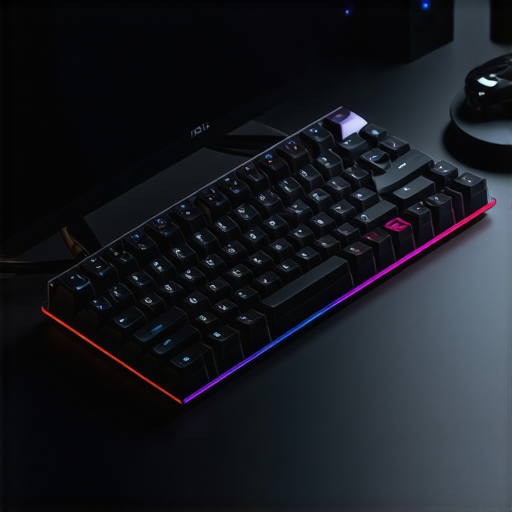
In the landscape of modern computing, the pursuit of optimal typing comfort and efficiency remains paramount for professionals, gamers, and digital creatives alike. Cutting-edge ergonomic mechanical keyboards integrate sophisticated features such as hot swappable switches and low profile architectures, offering personalized experiences that elevate productivity while safeguarding physical well-being.
The Evolution of Mechanical Keyboards: Embracing Silent Switches for Seamless Quiet Operation
Historically, mechanical keyboards have been associated with tactile feedback and audible clicks, traits valued by typists seeking precision. However, contemporary advancements have given rise to silent switches that minimize noise without compromising feel. These innovations are particularly beneficial in shared workspaces, reducing auditory distractions and fostering a focused environment.
The Significance of Hot Swappable Mechanisms in Customization and Maintenance
Hot swappable technology empowers users to effortlessly replace switches without soldering, enabling rapid customization and maintenance. Such flexibility extends the lifespan of keyboards and allows for tailored tactile or linear switch selections, aligning with individual typing preferences. Industry reports, including those from white paper sources, underscore the durability improvements and user empowerment facilitated by this feature.
Why Low Profile Designs Are Game-Changer for Professional Portability
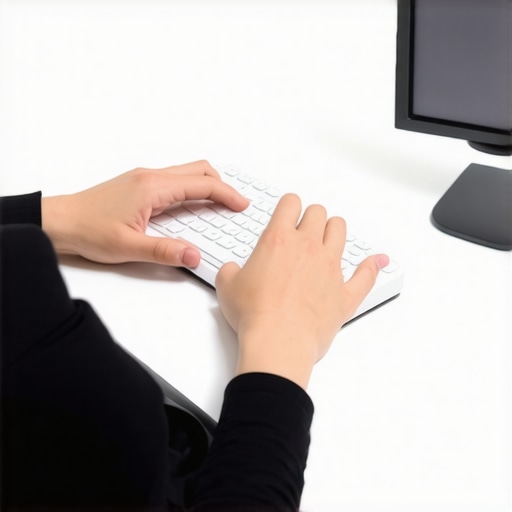
Low profile keyboards combine an ergonomic form factor with portability, making them ideal for digital nomads and professionals requiring lightweight setups. Their reduced height minimizes wrist extension, mitigating strain during prolonged use. As outlined in comprehensive guides, these keyboards facilitate comfortable, extended typing sessions conducive to health-conscious workflows.
What are the emerging challenges faced when integrating silent switches with hot swappable low profile keyboards, and how can they be mitigated?
While combining silent switches in hot swappable and low profile architectures offers unprecedented flexibility, challenges such as switch wobble, reduced tactility, and socket durability can arise. Experts recommend selecting switches with pre-lubed stems and reinforced sockets to enhance longevity and feel. Moreover, proper maintenance routines, including socket inspection and switch lubrication, can substantially mitigate these issues. For detailed troubleshooting, see lab-tested silent switches.
Advancing Ergonomic Strategies Through Customization and Technology Adoption
Incorporating features such as ergonomic designs with low profile ergonomics and silent switches can dramatically reduce the risk of repetitive strain injuries. As professionals seek tailored solutions, engaging with expert forums and product testing reports enables informed decisions aligned with personal health and efficiency objectives.
Interested in exploring high-performance solutions? Dive into top silent switches of 2026 or contact our specialists for personalized recommendations at our consultation page.
Transforming Workflows with Modular Design and Personalization
Innovation in mechanical keyboards is shifting towards greater customizability and user empowerment, allowing professionals to craft setups perfectly aligned with their workflow demands. Hot swappable features, especially when integrated into sleek low profile architectures, enable rapid switch changes, fostering an ecosystem of personalized tactile, linear, or silent experiences. This modular approach not only enhances productivity but also extends hardware lifespan by simplifying maintenance and upgrades.
Expanding the Potential of Silent Switches in Dynamic Environments
While silent switches are often praised for their subdued noise levels, their true potential extends into high-stakes environments such as trading floors, content creation studios, and open-plan offices. Advanced silent switch models for 2025 demonstrate that innovations like optimized stem design and damping mechanisms can provide tactile feedback without compromising silence, maintaining high typing accuracy while minimizing disruptions.
Can achieving the perfect balance between tactility, silence, and durability redefine professional typing standards?
Experts argue that the future of ergonomic and silent keyboards hinges on design innovations that prioritize multi-dimensional performance. Combining features such as ergonomic considerations with robust silent switches can revolutionize user experiences, especially when paired with customization options like programmable layers and macro support. Institutions are increasingly recognizing that tailored hardware directly correlates with decreased fatigue and improved output quality.
For those seeking integrated solutions, exploring the latest in ergonomic mechanical keyboards will illuminate pathways toward healthier, more efficient work routines. Remember, engaging with communities and keeping abreast of industry innovations ensures your setup remains at the forefront of technology and comfort. Want personalized insights? Reach out to our dedicated team via Contact Us for expert guidance.
Harnessing Layered Programming for Precise User Interactions
As the demand for highly personalized workflows grows, so does the importance of sophisticated firmware customization. Beyond simple key remapping, experts leverage layered programming architectures, allowing multiple functions depending on context, mode, or user preference. This multidimensional approach enables professionals to execute complex commands seamlessly, reducing dependency on external software and enhancing reliability. For instance, by utilizing firmware like QMK or VIA, advanced users craft multiple layers for multimedia control, macros, or system commands, tailored to their unique needs. Incorporating such custom layers requires a nuanced understanding of scan codes and timing protocols, often necessitating in-depth documentation review and iterative testing. Embracing this level of customization transforms a standard keyboard into an intuitive extension of the user’s operational paradigm, akin to programming a digital canvas for efficiency. To truly master layered programming, consider engaging with developer communities and authoritative guides from sources like QMK’s official documentation or QMK GitHub repository, which provide comprehensive insights and troubleshooting strategies.
Refining Typing Dynamics through Innovative Material Engineering
Enhancing the tactile feedback and durability of mechanical keyboards hinges on the application of advanced materials. Researchers are pioneering the integration of thermally conductive polymers and composite structures that optimize key stability while attenuating unwanted vibrations. This technological leap not only extends the lifespan of switches but also ensures consistent keystroke registration, critical for precision tasks.
Strategic Key Rollover and Anti-Ghosting Technology for Seamless Multitasking
In environments demanding rapid, simultaneous keystrokes—such as professional gaming or complex data entry—maximizing key rollover capabilities becomes essential. Implementing high-fidelity circuitry with diodes and dedicated hardware matrices reduces ghosting and ensures each input is accurately captured. Industry leaders advocate for firmware solutions that dynamically allocate processing resources, minimizing latency under load.
How can expert-level firmware optimization mitigate latency issues in high-speed switching scenarios?
Firmware engineers leverage real-time operating systems and interrupt-driven programming models to prioritize critical key events. Techniques like debounce filtering algorithms and multi-core processing distribute workload efficiently, resulting in near-instantaneous response times. Consulting resources like QMK firmware documentation provide valuable insights for developers aiming to push performance boundaries.
Chromatic Customization: Leveraging Per-Key RGB for Visual Stratification
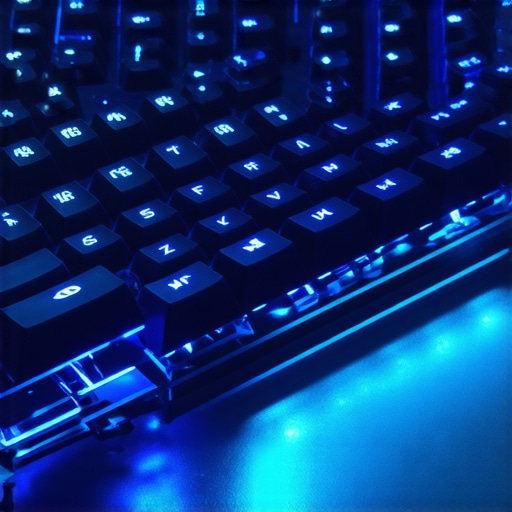
Color-coded backlit keys facilitate functional layering, especially in complex workflows involving multiple macros or modes. High-resolution RGB LEDs coupled with programmable controllers allow users to assign specific hues to sensitive functions, aiding in quick identification and reducing cognitive load. This visual stratification becomes a powerful tool in dynamic work settings where rapid recognition is paramount.
Integrating Sound Dampening without Compromising Feedback
Achieving acoustic stealth in mechanical keyboards involves nuanced engineering of damping materials—such as neoprene linings, silicone sleeves, and acoustic foam inserts—carefully tuned to absorb percussive noise without muffling tactile response. Advanced simulations utilizing finite element analysis guide the placement and composition of these resonant dampers, ensuring an optimal balance for discerning typists.
Anticipating Wear: Designing for Longevity in Extreme Conditions
Professionals operating in high-demand environments require robust keyboards capable of withstanding temperature extremes, dust, and humidity. Innovations include sealed switch designs, corrosion-resistant contacts, and sealed compartments that safeguard internal components. Material sciences play a crucial role here, with coatings like Parylene providing chemical resistance and insulating properties that extend device viability.
Could the adoption of self-healing materials revolutionize prolonged durability in mechanical keyboard components?
Emerging research into polymers with self-repairing capabilities suggests transformative potential. Such materials autonomously mend micro-cracks caused by mechanical stress, maintaining structural integrity over extensive usage cycles. Collaborations between material scientists and hardware engineers are vital to translating these innovations into mainstream ergonomic peripherals. For comprehensive understanding, review studies published in Advanced Functional Materials.
Personalization Beyond Aesthetics: Custom Firmware and Macro Complexities
Advanced users harness layered firmware architectures to develop macros that adapt to the nuances of specific professional tasks. These configurations enable context-aware remapping, dynamic layer switching, and real-time macro execution, streamlining workflows in fields like graphic design or programming. Mastery over scan code protocols and memory management becomes essential, transforming standard hardware into bespoke productivity tools.
Engagement with developer communities and subscription to expert-led tutorials will catalyze mastery of such customization. For guidance on best practices and innovative applications, visit QMK Community Forums.
Revolutionizing Typing Precision with Smart Customization
In high-performance work environments, the secret to long-lasting productivity lies in the ability to tailor your keyboard setup. Customized firmware layers empower users to execute complex macros and adapt to varied workflows, transforming a standard device into a bespoke productivity hub. Leveraging tools like QMK or VIA unlocks this potential, enabling seamless integration of layered commands and streamlined controls.
Why Material Science is Changing Keyboard Durability
Recent advances in material engineering, including the development of self-healing polymers and thermally conductive composites, promise to extend device lifespan dramatically. These innovations navigate the challenge of wear and tear, especially under extreme conditions or heavy usage, ensuring that professionals maintain peak performance without constant replacements.
Expert Tips for Achieving Seamless Silent Switch Integration
Integrating silent switches into ergonomic low profile keyboards involves balancing damping materials and socket quality. Experts recommend selecting switches with pre-lubed stems and reinforced sockets to mitigate wobble and maintain tactile integrity. Routine socket inspections and proper lubrication further prolong switch life, ensuring their silence endures through intensive use.
Visual Feedback That Enhances Functionality
Implementing per-key RGB lighting with strategic color coding facilitates quicker task switching and reduces cognitive load. High-resolution programmable LEDs allow for dynamic visual cues, making complex macro layers intuitive even during rapid workflows. This feature is particularly vital in environments where focus and speed are non-negotiable.
Has the Future of Keyboard Design Reached Its Peak?
Innovations like modular, hot swappable low profile architectures combined with silent, tactile switches are redefining ergonomic standards. These design shifts facilitate personalization, durability, and silent operation simultaneously, tackling traditional trade-offs. Industry experts posit that embracing these hybrid innovations will set a new baseline for professional keyboards, blending form, function, and health-conscious engineering.