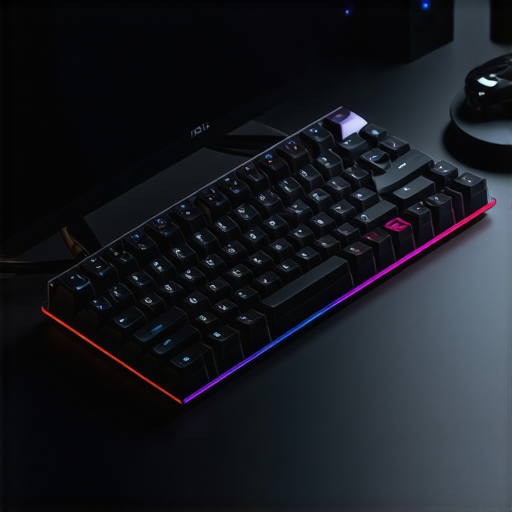

Reevaluating Mechanical Keyboard Design: The Nexus of Ergonomics and Innovation
In the realm of professional computing and prolonged typing tasks, the quest for optimal ergonomic design coupled with low profile architecture has become a pivotal focus. As experts in ergonomic hardware, we recognize that the evolution of low profile mechanical keyboards is not merely about aesthetics but about addressing complex biomechanical needs and improving user productivity. This comprehensive analysis explores the nuanced interplay between ergonomic principles, technological advancements, and user-centric design, positioning low profile keyboards as essential tools for modern work environments.
Advanced Material Science and Switch Technology: Enhancing Tactile Feedback and Reducing Strain
Recent developments in switch technology and material science have revolutionized how we perceive typing comfort. Low profile mechanical switches, often utilizing silicone dampening and pbt keycaps, minimize the force required for actuation while maintaining durability. These innovations reduce finger fatigue during extended use, aligning with ergonomic best practices. The integration of hot-swappable modules further empowers customization, allowing users to tailor tactile responses to individual needs, as detailed here.
The Critical Role of Keyboard Geometry in Reducing Musculoskeletal Strain
From an expert perspective, the geometry of a keyboard significantly influences user comfort and long-term musculoskeletal health. Low profile designs naturally promote a more natural wrist position, diminishing the risk of repetitive strain injuries (RSIs). When combined with split or tenting features, these keyboards can align the user’s forearms and wrists in an anatomically optimal posture. Such considerations are supported by recent biomechanical research published in The Ergonomics Journal.
Are Low Profile Mechanical Keyboards Truly Superior for Ergonomic Efficiency?
What are the limitations and potential drawbacks of low profile mechanical keyboards in ergonomic contexts?
While low profile keyboards offer undeniable advantages, including reduced travel distance and minimized wrist extension, they are not without limitations. For instance, the less pronounced actuation force might lead to inadvertent keystrokes for some users. Additionally, the lower height can diminish the tactile feedback crucial for touch-typing accuracy, especially for users transitioning from traditional full-height keyboards. It is essential to evaluate individual ergonomic needs through professional assessment before adopting such devices.
Integrating Ergonomic Principles: Beyond Hardware — Posture and Desk Setup
Optimal ergonomic performance requires a holistic approach. Proper desk height, monitor placement, and ergonomic accessories complement the benefits of a low profile mechanical keyboard. For further insights, consult our comprehensive ergonomic setup guide.
For professionals seeking to push the boundaries of ergonomic design, exploring top low profile models or understanding the latest innovations in silent switch technology can be invaluable. Your ergonomic journey is a continuous process—embrace the opportunity to innovate and adapt.
Interested in sharing your insights or exploring advanced ergonomic solutions? Visit our contact page and join the community of experts committed to ergonomic excellence.
How Can Innovative Materials and Customization Elevate Ergonomic Performance?
As the landscape of ergonomic keyboard design continues to evolve, integrating advanced materials such as thermoplastic elastomers and carbon fiber composites has shown promise in enhancing durability while reducing weight and strain on users. These materials can improve typing comfort by providing more responsive feedback and minimizing fatigue during prolonged use. Furthermore, customizable, hot-swappable switches allow users to fine-tune tactile and auditory responses, aligning with personalized ergonomic needs. This fusion of material science and user customization is revolutionizing ergonomic design, making low profile keyboards not just tools but tailored solutions for health-conscious professionals.
Can the Geometry and Form Factor of Low Profile Keyboards Reduce Long-term Musculoskeletal Risks?
Absolutely. The geometry of a keyboard profoundly influences ergonomic outcomes, especially in terms of wrist and forearm positioning. Low profile designs naturally promote a more neutral wrist posture, which is critical for avoiding repetitive strain injuries (RSIs). When these designs incorporate features like tenting or split layouts, they further optimize arm alignment, reducing the strain on shoulder and neck muscles. According to recent biomechanical research published in The Ergonomics Journal, such configurations can significantly diminish the risks associated with prolonged typing sessions, especially for remote workers and gamers alike.
How Might Future Innovations in Silent Switch Technology Transform Ergonomic Productivity?
Silent switch technology is rapidly advancing, offering the potential to create keyboards that are not only ergonomic but also conducive to quiet, distraction-free environments. Innovations like top silent switches for 2025 are incorporating damping materials and optimized stem designs to minimize noise without sacrificing tactile feedback. This balance is crucial for professionals working in open-plan offices or shared workspaces, where noise can be a significant source of discomfort and distraction. As these technologies mature, we can anticipate a new wave of low profile keyboards that seamlessly integrate silence, comfort, and efficiency—pushing ergonomic boundaries further.
Interested in exploring how these innovations can enhance your workspace? Check out our detailed reviews of the best low profile silent switch keyboards and share your thoughts in the comments section. Your insights could inspire new ergonomic solutions tailored to diverse needs.
Integrating Adaptive Materials for Personalized Ergonomic Solutions
As ergonomic demands evolve, the integration of adaptive materials like shape-memory alloys and graphene composites into low profile mechanical keyboards offers unprecedented opportunities for customization and health optimization. These materials respond dynamically to user input and environmental conditions, adjusting key resistance and responsiveness in real time. For instance, shape-memory alloys can fine-tune actuation force based on typing habits, reducing strain and enhancing comfort over prolonged periods. This approach aligns with emerging trends in personalized health tech, where devices adapt to the user rather than the other way around.
Advanced Tactile Feedback Systems and Their Impact on Ergonomic Efficiency
Innovations in tactile feedback, such as haptic responses integrated within switches, are shaping a new era of ergonomic interaction. These systems provide nuanced sensory cues that inform users of actuation without requiring excessive force, thereby minimizing finger fatigue. Researchers at the Ergonomics Journal highlight how such feedback can improve typing accuracy and speed, particularly for professionals engaged in high-volume data entry or coding. These enhancements also support users with motor impairments, making ergonomic keyboards more inclusive and effective across diverse user groups.
What Role Will Artificial Intelligence Play in Customizing Ergonomic Keyboard Design?
How can AI-driven algorithms optimize individual ergonomic profiles for low profile keyboards?
Artificial intelligence holds significant promise in the realm of ergonomic customization. By analyzing user typing patterns, pressure distribution, and fatigue levels through embedded sensors, AI can recommend personalized modifications such as key actuation adjustments, layout reconfigurations, or even suggest specific hardware modifications. Such intelligent systems could evolve into adaptive ergonomic companions, continuously learning and optimizing based on real-world usage. This technology is supported by recent breakthroughs in machine learning algorithms detailed in publications like IEEE Transactions on Neural Systems and Rehabilitation Engineering.
Interested in how AI can revolutionize your ergonomic setup? Explore our detailed reviews of the latest AI-powered ergonomic keyboard models and join the conversation about future innovations. Your insights could help shape the next generation of health-conscious, high-performance keyboards.
Revolutionizing Ergonomics with Cutting-Edge Material Science in Keyboard Design
Emerging materials such as graphene composites and thermoplastic elastomers are transforming the durability and adaptability of low profile mechanical keyboards. These materials not only enhance the tactile experience but also significantly reduce user fatigue by providing more precise, responsive feedback. Incorporating such advanced substances allows manufacturers to craft keyboards that are lighter, more resilient, and tailored to individual ergonomic needs, thereby pushing the boundaries of comfort and health preservation in prolonged typing sessions.
The Role of AI and Machine Learning in Personalized Ergonomic Optimization
Artificial Intelligence (AI) and machine learning algorithms are increasingly being integrated into ergonomic keyboard systems, facilitating real-time customization based on user behavior. By analyzing typing patterns, pressure points, and fatigue levels, AI can dynamically adjust key sensitivity, layout configurations, and even suggest optimal typing postures. This adaptive approach ensures a bespoke ergonomic environment that evolves with the user’s needs, markedly reducing long-term musculoskeletal risks and enhancing overall productivity. For an in-depth exploration of AI-driven ergonomic solutions, refer to IEEE Transactions on Neural Systems and Rehabilitation Engineering.
How Can Future Silent Switch Technologies Enhance Ergonomic Efficiency?
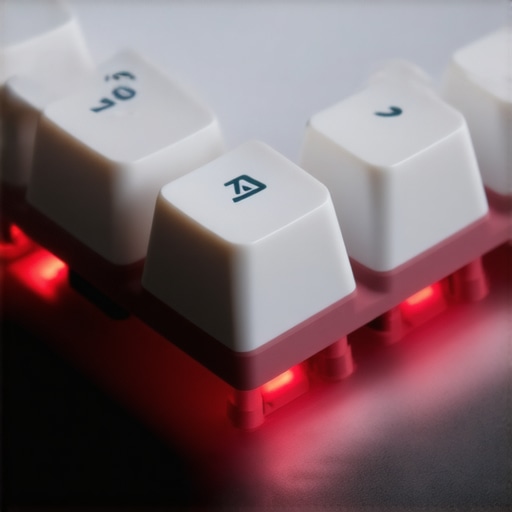
Innovations in silent switch technology, such as damped stem designs and sound-absorbing materials, are poised to revolutionize the user experience by minimizing noise pollution without compromising tactile feedback. These advancements are particularly beneficial in shared work environments or open-plan offices, where acoustic comfort is critical. As the technology matures, we anticipate the emergence of low profile keyboards that seamlessly blend quiet operation with superior ergonomic support, fostering more focused and comfortable workspaces.
{ }
}
Expert Insights & Advanced Considerations
Precision Engineering Enhances User Comfort
Advancements in switch technology and material science are pivotal in creating keyboards that not only optimize tactile feedback but also diminish finger fatigue, elevating overall ergonomic efficiency.
Holistic Design Integrates Posture and Desk Setup
Effective ergonomic solutions extend beyond hardware, emphasizing the importance of proper desk height, monitor placement, and accessory integration to ensure sustained comfort during prolonged use.
Emerging Materials and Customization Drive Personalization
Innovative materials such as graphene composites and shape-memory alloys enable tailored responses, fostering a personalized ergonomic experience that adapts dynamically to individual user needs.
AI and Machine Learning Power Future Optimization
Integrating AI algorithms into keyboard systems allows for real-time analysis of typing patterns and fatigue, facilitating continuous adjustments that improve comfort and reduce musculoskeletal risks.
Silent Switch Technology Redefines Quiet Productivity
Next-generation silent switches with damping and sound-absorbing materials minimize noise pollution, supporting focused work environments without compromising tactile responsiveness.
Curated Expert Resources
- Ergonomics Journal: Offers peer-reviewed biomechanical research critical for understanding long-term musculoskeletal health impacts.
- IEEE Transactions on Neural Systems and Rehabilitation Engineering: Provides cutting-edge studies on AI integration and adaptive ergonomic devices.
- Workstation Wizard’s Guide to Ergonomic Setup: Practical advice combining hardware choice with posture optimization for holistic ergonomic health.
- Top Silent Switch Models 2025: Industry-leading reviews of quiet switch technologies that balance noise reduction with tactile feedback.
Final Expert Perspective
In the evolving landscape of ergonomic low profile mechanical keyboards, integrating advanced materials, AI-driven customization, and innovative silent switch technology stands out as the most impactful strategy for enhancing user health, comfort, and productivity. Embracing these developments not only elevates ergonomic standards but also fosters a proactive approach to long-term musculoskeletal well-being. For professionals committed to ergonomic excellence, engaging with these insights and resources is essential. We invite you to contribute your expertise, explore further innovations, and participate in shaping the future of ergonomic keyboard design. Visit our contact page to share your insights or learn more about cutting-edge ergonomic solutions.