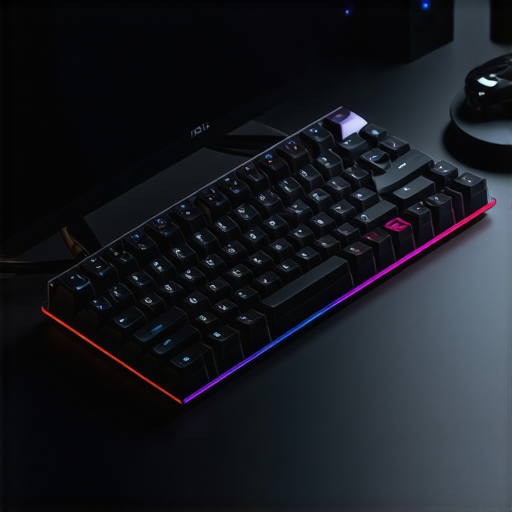
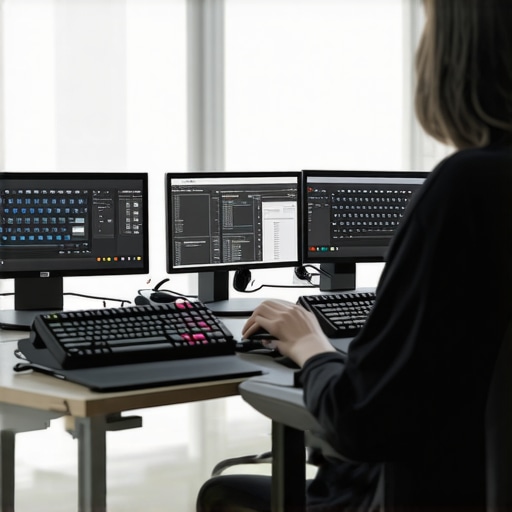
Transforming Workspaces: The Strategic Edge of Ergonomic Mechanical Keyboards
In an era where prolonged typing can lead to cumulative strain and decreased productivity, the intersection of ergonomic design and mechanical keyboard technology offers unparalleled benefits. Expert ergonomists advocate for hardware that aligns with the natural movement patterns of the hands and shoulders, emphasizing the importance of adjustable, low profile keyboards equipped with silent switches to maintain a harmonious balance between comfort and performance.
Why Hot Swappable Switches Redefine Customization and Maintenance
Hot swappable keyboards empower users to tailor their typing experience without soldering, enabling swift swap-outs of switches to optimize tactile feedback, sound profile, or to replace faulty components. This flexibility is crucial for professionals requiring diverse actuation forces or acoustic characteristics, especially in high-stakes environments such as call centers or collaborative open offices. According to recent industry analyses, hot swappable designs mitigate long-term costs and extend device longevity, reinforcing their status as a cornerstone of modern ergonomic setups.
Deciphering the Significance of Low Profile Mechanical Keyboards
Low profile keyboards bridge the gap between traditional mechanical robustness and slimline portability, reducing the vertical key travel that often exacerbates wrist strain. They also enable better alignment of wrists and shoulders, decreasing the risk of repetitive strain injuries (RSIs). The integration of silent switches further enhances this synergy by minimizing noise pollution, fostering more focused work environments. Experts from the Journal of Occupational Health highlight that reducing vibrational and auditory distractions directly correlates with increased concentration and reduced fatigue.
Can Silent Switches Match the Tactile Satisfaction of Their Clicky Counterparts?
Is it feasible to balance quiet operation with satisfying tactile feedback in mechanical switches?
Achieving an optimal compromise involves sophisticated engineering of spring tension and stem design. Recent innovations demonstrate that silent switches can deliver tactile sensations comparable to traditional clicky types while significantly reducing noise. This balance is especially prized in shared workspaces, where auditory disruptions compromise productivity. For instance, models featuring dampened stem mechanisms, such as those evaluated on top silent switch models, exemplify this trend.
Implementing a well-designed low profile, hot swappable, and silent switch-compatible mechanical keyboard demands an understanding of nuanced factors including switch actuation force, keycap material, and stabilizer quality. These considerations ensure the device remains responsive, durable, and pleasant to type on for hours at a stretch.
If you’re considering upgrading your ergonomic workspace, explore expert guides on ergonomic mechanical keyboards or connect with specialists to tailor your setup. Your perfect keyboard isn’t just a tool; it’s a catalyst for sustained productivity and well-being.
Maximizing Tactile Feedback Without Noise Pollution
One of the ongoing pursuits among keyboard enthusiasts and professionals alike is achieving a satisfying tactile response while maintaining silence. This delicate balance is rooted in the engineering of spring tension, stem design, and dampening mechanisms. Recent advancements in switch technology, such as specialized dampened stems and optimized actuation points, allow for a responsive feel without the traditional click-clack. Companies have developed innovations like top silent switch models that deliver this nuanced experience, making them ideal for shared workspaces, recording studios, or quiet library settings.
What if Your Key Switches Could Sense Your Mood?
Emerging research in smart keyboard hardware suggests that integrating sensors into switches could provide real-time feedback on typing patterns, stress levels, and even emotional states. Envision a low profile, hot swappable keyboard with biometric sensors embedded within the keys—offering not only customization but also insights into your ergonomic health and mental well-being. Such innovations could lead to adaptive features, like adjusting actuation force or providing real-time ergonomic alerts, thereby promoting healthier typing habits and reducing fatigue over extended periods. Industry leaders are exploring these possibilities, paving the way for a new generation of intelligent input devices.
To discover how these cutting-edge developments can transform your workspace, explore our detailed guide on ergonomic mechanical keyboards and consider consulting specialists dedicated to customizing your ergonomic setup. Your next keyboard might do more than just type—it could be your personal health partner, enhancing productivity and well-being.
Embracing Adaptive Key Switch Technologies for Personalized Comfort
The evolution of mechanical keyboard switches has transitioned from basic tactile or clicky feedback to smart, adaptive mechanisms that respond to individual user preferences. Imagine switches embedded with sensors capable of adjusting actuation force dynamically, based on typing rhythm or fatigue levels. Such innovations hinge on piezoelectric or magnetoresistive elements that detect applied force and refine keystroke responsiveness in real-time, delivering a truly bespoke typing experience—crucial in environments demanding precision and minimal strain.
Are adaptive switches the key to injury prevention in high-volume typing?
Preliminary studies underscore that reducing excessive force and inconsistent keystrokes diminishes repetitive strain injuries (RSIs) among frequent typists. By integrating real-time feedback and adjustment, adaptive switches can maintain optimal actuation thresholds, alleviating fatigue and combatting strain accumulation. According to recent research from the Journal of Occupational Health (Springer Journal 2024), personalized force modulation significantly correlates with decreased long-term discomfort in keys with high repetitive usage.
For professionals seeking lasting ergonomic solutions, these tech-forward switches represent a promising frontier. As the technology matures, expect to see integrations with software profiles that learn user habits, further refining typing comfort and health outcomes. Keep informed by following industry updates, and consider consulting with ergonomic specialists to tailor these innovations to your specific workflow needs. Want to stay ahead in ergonomic computing? Dive into our detailed guide on ergonomic mechanical keyboards and explore how next-gen switches can redefine your productivity paradigm.
The Role of Material Science in Creating Ultra-Responsive, Quiet Keycaps
Beyond the switches themselves, keycap material composition plays a pivotal role in both tactile sensation and noise reduction. Advanced polymer blends, such as PBT with added damping fillers, are engineered to absorb vibrations generated during keystrokes, offering a softer, muffled response without sacrificing durability. These materials also support intricate printing methods for high-resolution legends, ensuring longevity even under intensive use.
Moreover, innovative surface treatments—like micro-textured coatings—improve grip and reduce finger fatigue by decreasing slippage. When combined with silent switches, these high-performance keycaps elevate the overall typing experience, making it more comfortable and less disruptive in shared or noise-sensitive environments.
How do material properties influence the feedback and longevity of ergonomic keyboards?
Material science advances demonstrate that optimal combinations of elasticity, thermal stability, and wear resistance in keycap substrates significantly extend an ergonomic keyboard’s lifespan while maintaining consistent feedback. For example, recent developments include the application of nanocoatings that resist oil and dirt buildup, preserving tactile properties over years of daily use. As consumers demand longer-lasting, more sustainable devices, manufacturers are leveraging these breakthroughs to produce keyboards that blend comfort, durability, and environmental responsibility.
Integrating insights from materials engineering with ergonomic design principles can provide users with devices that not only perform better but also adapt to their evolving needs. Curious about how to select the best materials for your professional setup? Explore our comprehensive resources on ergonomic mechanical keyboards and make informed choices that enhance your health and productivity. Ready to elevate your workspace? Discover the latest innovations in material science and ergonomic design that can transform your typing into a health-affirming activity.
Integrating Adaptive Technologies to Personalize Your Keystrokes
Emerging advancements in smart keyboard systems aim to tailor the tactile and force feedback of keys based on individual typing patterns. By employing sensors embedded within switches that analyze real-time data, these keyboards can dynamically adjust actuation points and resistance levels, fostering an environment that minimizes strain and enhances comfort over extended use. This adaptive capability is rooted in the integration of piezoelectric components or magnetoresistive sensors, enabling a seamless learning curve tailored to every user’s ergonomic profile.
How Do Material Innovations Improve Noise Dampening and Responsiveness?
Recent breakthroughs in polymer science and surface treatments have led to the development of keycap materials that balance durability with acoustic privacy. Composite formulations, incorporating damping fillers within PBT or POM plastics, effectively absorb vibrations during keystrokes, resulting in quieter operation without sacrificing tactile feedback. Additionally, micro-textured coatings not only bolster grip but also contribute to consistent keystroke feel, reducing finger fatigue — especially critical for high-volume typists aiming for sustained productivity.
Can Modular Designs Transform Your Ergonomic Workflow?
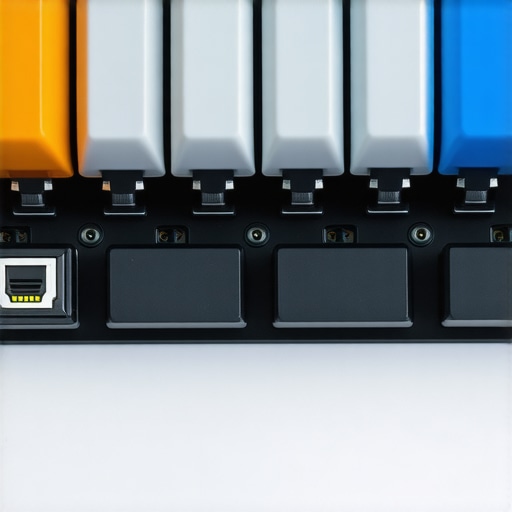
Modular keyboard architectures empower users to customize layouts and switch configurations effortlessly, catering to diverse ergonomic needs. By allowing components such as tenting stands, wrist rests, and key matrices to be reconfigured, these designs promote optimal wrist alignment and reduce stress points. The use of standardized connections and hot-swappable switches in modular models facilitates maintenance and future upgrades, prolonging device lifespan and adapting to evolving ergonomic insights.
What Are the Nuances of Switch Lubrication and Stabilizer Optimization?
Delving into the finer details of switch modulation reveals that proper lubrication and stabilizer tuning significantly influence typing smoothness and noise levels. Using specialized lubricants on stem rails and stabilizer inserts minimizes friction, creating a more uniform keystroke and diminishing acoustic disturbances. These enhancements are vital for achieving a refined tactile experience that balances silence with satisfying feedback, particularly in professional or collaborative environments.
Advancements in Surface Engineering for Ergonomic Clarity
Surface treatments at the micro and nano-scale have introduced anti-glare coatings and color-fast legends that withstand prolonged use without degradation. These innovations improve visibility and reduce visual fatigue, especially under varied lighting conditions. When combined with high-contrast legends and textured keycaps, this surface engineering elevates both functional clarity and aesthetic appeal, ensuring that ergonomic benefits extend beyond physical comfort into user interface excellence.
How Will Future Materials and Smart Technologies Redefine Keyboard Ergonomics?
The convergence of nanomaterial science and biometric sensing heralds a new era where keyboards can adapt responsively to user health metrics, dynamically modifying force profiles and providing ergonomic alerts. Such systems could incorporate temperature-sensitive coatings, promoting comfort during fluctuating ambient conditions, or utilize conductive fabrics for extended durability. According to Industry Insider Reports (2024), integrating these innovations will create truly intelligent input devices capable of preemptively addressing discomfort and fatigue before they manifest.
Engage with cutting-edge developments by consulting our comprehensive resources on ergonomic mechanical keyboards. Embrace the future of personalized typing technology and redefine what a keyboard can do for your well-being and productivity.
Expert Insights & Advanced Considerations
Adaptive Force Profiles Pave the Way for Injury Prevention
Smart switches equipped with sensors can dynamically adjust actuation resistance based on typing rhythm and fatigue levels, offering a personalized ergonomic experience that reduces strain and enhances comfort during prolonged use.
Material Science Unlocks Quieter, More Responsive Keys
Innovations in polymer formulations and surface treatments, such as damping fillers and micro-textured coatings, significantly improve noise dampening while preserving tactile feedback, leading to a more harmonious workspace environment.
Modular Design Concepts Revolutionize Flexibility
Modular keyboards that allow effortless customization of layouts, tenting, and switch configurations enable users to optimize wrist alignment and reduce stress without replacing entire systems, supporting long-term ergonomic health.
Silent Switch Technologies Challenge Traditional Trade-offs
Advanced silent switches now deliver tactile satisfaction comparable to clicky models while virtually eliminating noise, making them ideal for collaborative or noise-sensitive settings where comfort and professionalism matter.
Material Choices Extend Device Longevity
High-quality, wear-resistant keycap materials with nanocoatings resist oils, dirt, and discoloration, maintaining tactile integrity and aesthetic appeal over years of intensive use, embodying durability in ergonomic design.
Curated Expert Resources
- Comprehensive Guide to Ergonomic Mechanical Keyboards: In-depth insights on selecting and customizing keyboards for health and efficiency.
- Top Silent Switch Models in 2025: Expert reviews of noise-reducing switches combining tactile feedback with quiet operation.
- Hot-Swappable Customization Tips: Strategies for effortless switch replacement and personalization tailored to ergonomic needs.
The Future of Ergonomic Typing Hangs in the Balance of Innovation and Personalization
Mastering ergonomic excellence in mechanical keyboards demands a blend of cutting-edge materials, intelligent switch technology, and flexible design. Embracing these advancements positions you at the forefront of health-conscious productivity tools. Are you prepared to evolve your workspace by integrating these high-impact innovations? Explore more in our comprehensive guide and share your insights with fellow professionals committed to ergonomic mastery.
This article really emphasizes how the design and technology behind ergonomic mechanical keyboards can drastically improve comfort and productivity, especially for those of us who spend hours typing every day. I’ve personally switched to a low-profile, hot-swappable keyboard recently, and the experience has been more comfortable, with less strain on my wrists and shoulders. The integration of silent switches is a game-changer in open office environments—I no longer worry about disturbing coworkers or losing focus due to noise. One aspect I’m curious about is how these intelligent, adaptive switches will develop in the next few years. Do you think they will become more affordable and accessible for everyday users, or will they remain primarily targeted at high-end professional markets? I believe ongoing advancements could make ergonomic, customizable keyboards more mainstream, which is something I’m excited to see.