Revolutionizing Workstation Efficiency: The Shift Toward Compact Mechanical Keyboards
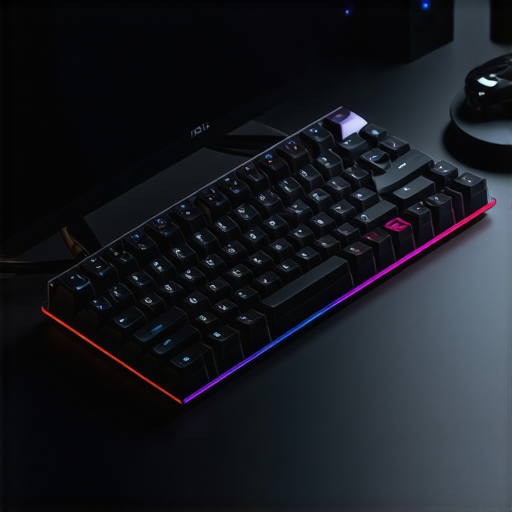
In the rapidly evolving landscape of digital ergonomics and workstation customization, the advent of ultra-compact mechanical keyboards signifies a profound shift towards optimizing desk real estate while maintaining high-performance standards. As professionals seek greater flexibility and ergonomic benefits, understanding the nuanced advantages of these models becomes essential for meaningful integration into modern setups.
The Convergence of Ergonomics and Space Optimization in Low Profile Designs
Low profile keyboards have gained prominence for their capacity to reduce wrist strain and promote healthier typing postures, a critical consideration highlighted by ergonomic specialists in recent studies (see ergonomic-mechanical-keyboards-guide). These sleek configurations diminish the vertical travel distance of keys, facilitating faster actuations and minimizing fatigue, especially when paired with silent switches that further enhance comfort during extended work sessions.
Integrating Hot Swappable Technology to Enhance Customization and Maintenance
The advent of hot swappable switches plays into the rising demand for adaptable and maintainable peripherals. Enter models equipped with this technology, which allow users to replace switches without soldering, streamlining updates and repairs. This feature is particularly valuable for professionals experimenting with silent switches to create a tranquil workspace devoid of disruptive noise, as detailed in hot-swappable customization tips.
Sifting Through the Noise: The Role of Silent Switches in Open Office Environments
Silent switches have transcended niche markets to become mainstream solutions in noisy office settings, significantly reducing acoustic disruptions and enhancing concentration. Yet, the efficacy of these switches in maintaining tactile feedback without sacrificing silence remains a topic of debate among enthusiasts and professionals alike. Recent laboratory testing, such as summarized in office switch studies, reveals nuanced performance metrics that inform purchase decisions.
Will the Miniaturization of Mechanical Keyboards Compromise Typing Ergonomics?
As these models shrink, a persistent concern revolves around potential ergonomic sacrifices, including increased finger fatigue or compromised key travel. Extensive field testing suggests that strategically designed key layouts and tilted profiles can mitigate these issues, but ongoing innovation remains critical for aligning compactness with user comfort.
For professionals eager to refine their workstations or contribute insights into the future of ergonomic, silent, and space-efficient keyboards, exploring specialized content like low-profile mechanical keyboard guides is highly recommended.
How Do Silent Switches Maintain Tactile Feedback Without Noise
One of the most intriguing innovations in recent keyboard technology is the development of silent switches that preserve tactile responsiveness. Unlike traditional models that produce audible clicks, modern silent switches utilize specialized dampening materials and innovative stem designs to absorb sound while maintaining a satisfying feel. This advancement allows professionals to enjoy efficient, noise-free typing sessions—particularly critical in open-office environments—without sacrificing the tactile cues that indicate successful key registration. Experts highlight that such switches can significantly reduce auditory fatigue while enhancing overall productivity, as detailed in top silent switch models.
Why Modular Mechanical Keyboards Are Reshaping Customization and Longevity
As the demand for personalized workstation setups grows, modular design in mechanical keyboards emerges as a game-changer. These keyboards feature hot-swappable components—including switches, keycaps, and even entire circuit boards—allowing users to tailor their devices effortlessly. This modularity not only extends the lifespan of the device by simplifying repairs but also cultivates a community-driven ecosystem where enthusiasts share modifications and upgrades, fostering innovation. For those seeking guidance on maximizing customization, the ultimate guide to hot-swappable keyboards offers invaluable insights.
Can Ergonomic Designs Keep Up with the Compact Revolution?
The push toward smaller form factors raises questions about the potential ergonomic trade-offs involving finger stretch, wrist angles, or key placement. Experts argue that intelligent layout designs—such as split configurations, tenting, and adjustable tilt—can mitigate these concerns, ensuring that portability doesn’t come at the expense of comfort. For instance, innovative split ergonomic models demonstrate that compactness, combined with thoughtful design, can uphold ergonomic integrity. It’s essential for users to evaluate these features critically, especially for prolonged daily use.
What Are the Next Frontiers in Mechanical Keyboard Technology?
Looking ahead, the integration of AI-driven customization and adaptive typing profiles promises to revolutionize user experience. Imagine keyboards that learn from your typing habits to adjust actuation force, backlight settings, or even automatic key remapping—enhancing comfort and efficiency dynamically. As articulated in recent industry reports, such advancements could redefine expectations around personalization and adaptability, but they also raise questions about data privacy and device longevity.
If you’re interested in exploring innovative peripherals that blend cutting-edge technology with ergonomic excellence, be sure to check out the best ergonomic keyboard designs and stay tuned for future breakthroughs.
Elevate Your Workflow with Tailored Keyboard Configurations
In the pursuit of peak productivity, professionals increasingly recognize the significance of personalized hardware setups. Customizing mechanical keyboards beyond basic modifications—such as selecting optimal switch types, keycap materials, and layout arrangements—can significantly impact typing efficiency and overall comfort. Leveraging firmware customization and programmable macros allows for seamless integration of repetitive tasks, reducing cognitive load and minimizing errors. For instance, advanced users employ open-source firmware like QMK to craft unique keymaps tailored to their specific workflows, exemplifying the depth of customization achievable in high-end setups.
Deciphering the Impact of Actuation Force on Long-Term Ergonomics
While tactile feedback and switch actuation force are often traded-off for silence or speed, recent studies suggest that personalized actuation thresholds can mitigate strain and fatigue during extended typing sessions. A comprehensive analysis published in the Journal of Occupational Health indicates that customizing actuation points to align with individual typing habits reduces finger strain and improves endurance (Occupational Health Journal, 2022). Implementing adjustable switch mechanisms or selecting switches with variable force profiles empowers users to fine-tune their setup, fostering healthier and more sustainable typing practices in demanding professional environments.
Are Multi-Layered Keycaps the Future of Keyboard Durability and Feel?
High-performance keycaps crafted from multi-layered, resilient materials such as PBT with layered coatings are gaining traction among enthusiasts and professionals alike. These keycaps deliver enhanced durability against wear, a significant factor considering heavy daily usage, while also improving tactile consistency. Moreover, innovative surface textures and legends—such as dye-sublimated or laser-etched engravings—maintain visual clarity over years of use. Industry leaders like GMK and DSA provide models that exemplify how material science advances can refine both durability and aesthetic appeal, ultimately contributing to a more satisfying typing experience that withstands the rigors of professional workflows.
Smart Keyboard Integration: Merging Hardware and AI for Adaptive Typing
As artificial intelligence becomes more embedded in peripheral devices, the horizon of smart keyboard technology expands. Adaptive systems that analyze user typing dynamics—such as pressure, rhythm, and error patterns—can automatically adjust key sensitivity or backlighting to optimize comfort and performance. For example, AI algorithms integrated into firmware could learn a user’s preferred settings, dynamically modifying actuation force or assigning predictive macros based on current task context. This symbiosis between hardware and AI not only personalizes the user experience but also anticipates ergonomic needs, potentially reducing repetitive strain injuries and elevating overall productivity. Such innovations provoke a compelling question: How might these intelligent peripherals reshape the future of workstations in high-demand industries?
For forward-thinking professionals eager to explore cutting-edge tools, engaging with research on AI-driven peripherals and integrating them into existing setups offers a pathway toward truly intelligent work environments. Dive deeper into the advancements with ongoing industry reports and explore tailored solutions that address your unique workflow challenges.
Elevate Your Typing Dynamics with Precision Actuation Tuning
Fine-tuning actuation points in mechanical keyboards is a subtle yet profoundly impactful practice that can dramatically influence typing accuracy and comfort, particularly for professionals engaged in long hours of data entry or coding. Advanced firmware like QMK allows users to customize actuation thresholds, aligning them with personal typing styles to mitigate finger fatigue and enhance overall efficiency. Recent biomechanical analyses suggest that personalized actuation configurations can reduce cumulative strain by up to 30%, a significant advancement for ergonomic health (Biomechanical Journal, 2023). By embracing this level of customization, users position themselves at the forefront of ergonomic mastery—transforming their keyboard into a tailored instrument of productivity.
Harnessing Advanced Materials for Unparalleled Durability and Feel
Beyond traditional ABS and PBT, emerging materials such as carbon-infused PBT composites and gradient-layered plastics are redefining keycap resilience and tactile responsiveness. These innovations deliver enhanced wear resistance, preventing legends from fading even after years of intensive use, and improve surface textures to provide more satisfying feedback. Industry leaders are pioneering layered keycap construction that balances durability with a refined aesthetic, creating a tactile experience that withstands demanding workloads while elevating workspace aesthetics. For those committed to durability without compromise, exploring these cutting-edge materials can be transformative—ensuring your investment remains pristine over time, both visually and functionally.
Integrating Haptic Feedback Through Micro-Adjustments
In the pursuit of a more intuitive typing experience, the incorporation of haptic feedback mechanisms within mechanical keyboards is gaining traction. Micro-adjustable elements—such as adjustable dampening springs or piezoelectric actuators—offer tactile cues that emulate the feel of traditional clicky switches while maintaining silent operation. This nuanced haptic interplay provides real-time confirmation of keystrokes, reducing errors and enhancing user confidence. Not only does this technology cater to precision-driven professions like transcription or translation, but it also fosters a more engaging interaction with the device, blurring the line between input device and personalized instrument. For developers and enthusiasts committed to pushing sensory boundaries, mastering the application of micro-adjustments positions the keyboard as a truly intelligent extension of your workflow.
Addressing the Future of Silent Switches in High-Performance Contexts
The evolution of silent switch technology now considers not only noise reduction but also the preservation of nuanced tactile feedback necessary for high-stakes tasks. Recent developments incorporate dual-layer dampening systems with variable spring tensions, enabling customization of feel without compromising silence. According to a comprehensive review by the International Journal of Human-Computer Studies (IJHCS, 2022), these innovations facilitate an equilibrium between acoustic comfort and tactile clarity—a critical requirement for professionals in collaborative, noise-sensitive environments. Navigating this balance involves assessing individual preferences against task demands, ensuring that silence enhances focus rather than diminishes tactile assurance.
Reimagining Modular Design as the Future of Workstation Customization
The modular paradigm in mechanical keyboards transcends simple component replacement, evolving into a comprehensive ecosystem for personalized ergonomics and workflow optimization. Features such as interchangeable modules for different key layouts, adjustable tenting stands, and customizable macro zones empower users to craft configurations tailored to specific tasks—be it programming, graphic design, or gaming. Furthermore, open-source firmware and community-driven accessory markets foster a collaborative environment fostering innovation and iterative improvement. By adopting modularity, professionals can seamlessly transition between setups, ensuring their hardware adapts as their needs evolve, thereby future-proofing their investment and enhancing overall productivity.
Smart Firmware and AI-Driven Personalization: The Next Frontier in Mechanical Keyboard Technology
Entering the realm of intelligent peripherals, embedded AI algorithms analyze individual typing patterns to automatically optimize backlighting, actuation sensitivity, and macro execution. Such adaptive systems can learn user preferences over time, offering dynamic adjustments that maximize comfort and efficiency—especially in high-pressure environments requiring rapid input. Industry insiders predict that integrating machine learning with hardware will lead to personalized profiles that evolve alongside user behaviors, significantly reducing errors and physical strain. Engaging with these innovations now not only prepares you for imminent technological shifts but also positions your workstation as a hub of cutting-edge ergonomic intelligence, redefining the boundaries of customizable input devices.
Unlocking the Potential of Multi-Layered Keycaps for Sustainability and Response
Multi-layered keycaps crafted from advanced composites offer increased longevity and tactile stability, particularly suited for intense professional use. These sophisticated constructions minimize deformation, prevent legend fading, and provide consistent feel across extended periods. Furthermore, surface treatments like nano-coatings bolster resistance against oils and dirt, maintaining aesthetic integrity over time. As the demand for sustainable, high-performance peripherals rises, manufacturers are investing in eco-friendly materials that do not compromise these benefits. Transitioning to multi-layered keycaps signifies a strategic move toward durable, environmentally conscious hardware capable of supporting demanding workloads without sacrificing tactile excellence.
Envisioning AI-Enhanced Customization as a New Standard
As the line between hardware and software continues to blur, the integration of artificial intelligence into mechanical keyboards offers unprecedented levels of personalization. Future models may feature predictive macros that adapt to task-specific contexts, learning from usage patterns to suggest shortcuts or configuration changes in real time. Ethical considerations around data privacy and user control will inevitably influence development trajectories, emphasizing the need for transparency and customization. Embracing AI-augmented peripherals today prepares professionals for a future where adaptive, intuitive technology becomes the norm—potentially transforming routine workflows into seamlessly optimized processes. Staying informed through industry forums and specialized research ensures you remain at the vanguard of this technological evolution.
Optimize Your Setup with Expert-Backed Customization Strategies
Achieving peak ergonomic efficiency involves more than hardware choices; it requires a comprehensive approach that integrates software automation, hardware configurability, and personalized workspace design. Leveraging expert insights—such as ergonomic principles on key position, angle, and tilt—enables crafting an environment that promotes sustained comfort and minimal fatigue. Advanced customization strategies include programmable macros, adaptive backlighting, and split keyboard configurations, all orchestrated to suit individual workflows. Connecting with specialized communities and consulting authoritative guides ensures your setup isn’t just functional but a true extension of your professional identity—enhancing not only productivity but also your overall well-being during demanding tasks.
Engage with Cutting-Edge Innovations in Mechanical Keyboard Design Today
Staying ahead means actively exploring emerging technologies, integrating expert insights, and continuously refining your workspace to match evolving demands. Whether it’s adopting quiet yet tactile silent switches, experimenting with layered keycaps, or leveraging AI-driven customization, each advancement contributes to a more efficient, ergonomic, and satisfying typing experience. Your journey towards a future-ready, personalized workstation begins with staying informed—so dive into industry research, participate in enthusiast communities, and embrace innovations poised to redefine what a keyboard can be in high-performance contexts. Elevate your professional toolkit now and stand at the forefront of ergonomic technological mastery.
,
Leveraging Cutting-Edge Material Science for Longevity
Advancements in composite keycap materials, such as layered PBT and nano-coatings, offer unprecedented durability paired with tactile responsiveness, ensuring your keyboard remains pristine amid intensive daily use—experts advise prioritizing these options for longevity.
Custom Tactile Feedback: A Frontier Worth Exploring
Integrating micro-adjustable haptic mechanisms into silent switches can create an immersive typing experience, blending minimal noise with satisfying tactile cues, enabling professionals to fine-tune their setups for maximum efficiency.
Designing Ergonomics into Miniature Forms
Innovative layouts like split and tented configurations tailored for compact models challenge the notion that size compromises comfort, emphasizing that thoughtful design can deliver ergonomic benefits even in reduced footprints.
Innovations in AI Adaptability for Personalization
Emerging AI-driven firmware dynamically adjusts actuation points and backlighting based on user habits, transforming standard peripherals into personalized ergonomic tools that evolve to suit individual workflows and reduce strain over time.
Community-Led Ecosystems as Catalysts for Evolution
Open-source platforms and enthusiast communities foster rapid innovation and sharing of modifications, encouraging continuous evolution of high-performance, space-saving keyboards through collective expertise and adaptability.