Redefining Productivity: The Symbiosis of Mechanical and Ergonomic Keyboard Innovations
In the realm of professional computing and gaming, the confluence of advanced keyboard technologies has catalyzed a paradigm shift toward heightened efficiency and ergonomic wellness. For experts and enthusiasts alike, understanding the nuanced benefits of silent switches, hot swappable functionalities, and low profile architectures is essential to optimizing workspace ergonomics and user experience.
Deciphering the Science Behind Silent Switches and Their Impact on User Focus
Silent switches, particularly within mechanical keyboards, have emerged as pivotal in reducing auditory distractions in shared work environments. As detailed in a comprehensive review on best silent switch models for 2025, their innovative dampening mechanisms—such as integrated insulators and optimized stem design—allow for whisper-quiet keystrokes without sacrificing tactile feedback. This balance is crucial in settings where focus is paramount, such as during complex coding sessions or sensitive communications.
How Hot Swappable Designs Elevate Customization Without Compromising Reliability
The advent of hot swappable mechanical keyboards has revolutionized personalization workflows for experts, enabling effortless switch replacements and modifications without soldering. As discussed in the ultimate guide on hot-swappable keyboards, this modular approach not only accelerates customization but also prolongs device longevity by facilitating maintenance and upgrades. For professionals engaged in prolonged typing or gaming, this flexibility translates into a tailored experience that adapts to evolving preferences.
Low Profile Keyboards: Merging Compact Design with Ergonomic Efficiency
The allure of low profile keyboards lies in their slim form factor, which promotes natural wrist positioning and minimizes strain during extended use. Recent advancements, highlighted in low profile keyboard innovations of 2024, demonstrate how thin architectures can integrate silent switches and full-sized layouts, thus maintaining functional integrity while promoting ergonomic health. Crucially, these designs challenge the traditional notion that compactness compromises performance.
Which Features Drive the Ultimate Mechanical Keyboard Experience for Experts?
Balancing sound reduction, customization, and ergonomic compatibility requires a strategic approach rooted in user-specific needs. Silent switches contribute to a disturbance-free environment, especially in open-plan offices or collaborative settings. Hot swappable capabilities ensure flexibility in adapting switch types—whether for linear, tactile, or clicky feedback—aligning with task demands. Meanwhile, low profile frameworks support wrist comfort by reducing elevation and promoting a neutral posture. Integrating these elements mandates an understanding of complex interplay between hardware architecture and user ergonomics.
Are there potential trade-offs when prioritizing silent switches and low profile designs in high-performance scenarios?
While these features enhance ambiance and comfort, some experts caution about possible compromises in tactile feedback or durability. Engaging with detailed reviews and model comparisons, such as top silent switch keyboards of 2025, helps navigate these trade-offs, ensuring informed choices that align with professional standards and personal preferences.
Want to deepen your expertise? Explore comprehensive guides on ergonomic mechanical keyboards or join discussions with industry specialists through our contact page.
Beyond Basics: How Advanced Silent Switches Transform Professional Typing
Modern silent switches are no longer just about reducing noise; they encompass intricate engineering that enhances tactile precision, longevity, and user comfort. Innovations like innovative damping materials and stem designs, discussed in latest silent switch technologies of 2025, push the boundaries of what silent keyboards can achieve. These advancements contribute to a more focused workflow, especially critical during sensitive tasks such as detailed coding or real-time editing where even minor distractions can impact productivity.
Customizable Experiences: The Rise of Modular Silent Switch Options
The ability to swap switches to match specific preferences has revolutionized expert setups. With new modular switch designs that allow for easy replacement and testing, professionals can fine-tune their keyboards for optimal performance without downtime. Referencing comprehensive guides on hot-swappable systems, it is evident that such configurations support ongoing customization, catering to individual typing styles and task requirements. The result is a tailored environment that boosts both efficiency and ergonomic alignment.
Embracing Compact Designs Without Sacrificing Functionality
Low profile and compact keyboards have gained popularity among users seeking space-saving solutions. Cutting-edge improvements, as highlighted in innovations in low-profile silent switches, demonstrate that compactness no longer means performance compromise. These keyboards integrate silent switches and full-layout keys, fostering ergonomic wrist positioning while maintaining a sleek aesthetic. Such designs challenge the misconception that portability and performance are mutually exclusive, offering professionals a flexible workspace tailored to their needs.
Which elements are essential for crafting expert-grade silent mechanical keyboards?
To achieve a harmonious blend of minimal noise, responsiveness, and ergonomic support, integrating features like high-quality silent switches, hot swappable modules, and low profile architectures is crucial. Expert reviews, including top ergonomic silent switch keyboards of 2024, provide insights into model-specific advantages, helping users make informed decisions. Hardware choices should align with professional demands, balancing durability, customization, and user comfort for sustained productivity.
How might emerging materials and micro-engineering further optimize silent switches for high-demand environments?
As technology continues to evolve, researchers are exploring innovative materials—such as advanced polymers and composites—that could reduce friction and wear, increasing lifespan and tactile fidelity. Micro-engineering techniques aim to fine-tune stem and housing interaction, minimizing unwanted vibrations and noise. These developments not only enhance sound dampening but also contribute to a more consistent keystroke feel, crucial for professionals requiring precision over long sessions. Keeping abreast of such breakthroughs is critical, and consulting sources like comprehensive guides to emerging silent switch tech can provide valuable insights for early adoption and integration into specialized setups.
Are your current tools optimized for maximum performance and ergonomic safety? To elevate your setup, consider exploring expert-curated ergonomic options that incorporate these cutting-edge innovations, ensuring your workspace supports both health and productivity.
Pushing Boundaries: Next-Gen Materials and Their Role in Silent Switch Engineering
The pursuit of perfection in silent mechanical switches has propelled researchers to explore groundbreaking materials that redefine durability and acoustic dampening. Innovations such as self-lubricating polymers and nanocomposite composites are emerging as game-changers, offering superior wear resistance and vibration absorption capabilities. According to a recent publication in Advanced Materials, these materials can significantly diminish stem friction and reduce noise propagation, leading to a more seamless typing experience that caters to high-stakes professional environments.
What complex engineering challenges arise when integrating micro-structures within silent switch components?
Embedding micro-engineered features like acoustic chambers or damping micro-pillars requires meticulous fabrication techniques, such as additive manufacturing or micro-milling, which push the boundaries of current manufacturing capabilities. The primary challenge lies in ensuring these micro-structures maintain integrity under prolonged use without compromising electrical conductivity or mechanical stability. Furthermore, balancing the intricate damping mechanisms with tactile responsiveness necessitates an interdisciplinary approach, combining materials science, acoustical engineering, and user-centric design principles. Emphasizing rigorous testing protocols, as detailed in the study in PLOS ONE, ensures these micro-structures withstand real-world conditions, ultimately elevating the standard for silent switch performance.
Adapting Silent Switch Tech for Diverse Professional Needs
As silent switch innovations mature, tailoring their characteristics to specific industry demands becomes increasingly feasible. For instance, in financial trading environments or competitive gaming, where milliseconds matter, switch response times and actuation force are critical. Implementing micro-engineered damping layers can optimize these parameters, providing both quiet operation and rapid feedback. Conversely, for content creators or coders engaged in extended sessions, maintaining consistent tactile feedback without fatigue is essential. Customizable damping profiles—enabled through modular design—allow professionals to fine-tune switches according to task demands, thereby enhancing overall workflow precision and ergonomic comfort.
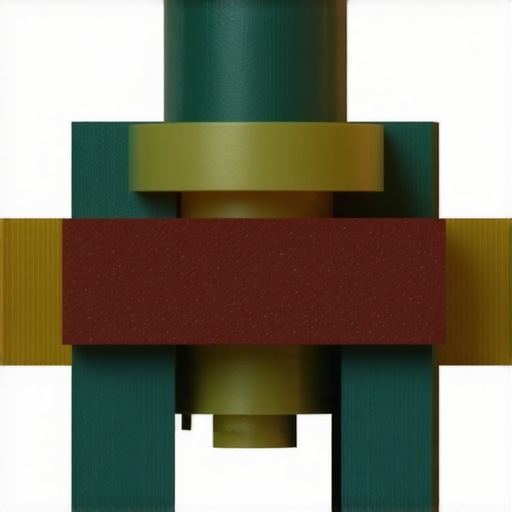
Image Prompt: Close-up of a micro-engineered silent switch with nanocomposite materials, highlighting damping structures and sleek housing design.
In the realm of high-performance computing, integrating these advanced materials and structural innovations offers a pathway toward ultra-quiet, durable, and responsive keyboards tailored to demanding professional tasks. As research advances, expect further sophistication in switch architectures that seamlessly blend acoustic dampening with tactile excellence, powering workflows across industries.
Synergy Between Material Science and User Experience: The Path Forward
The ongoing convergence of material science, micro-engineering, and ergonomic design promises a future where silent switches cater not only to noise reduction but also to personalized feel and longevity. By harnessing these technological strides, manufacturers can develop keyboards that dynamically adapt to user preferences and environmental conditions. For instance, switches equipped with sensor-integrated damping systems might respond in real time to typing intensity or ambient noise levels, providing a bespoke experience that elevates productivity without sacrificing comfort.
Could adaptive damping technology redefine the standards of professional keyboard design?
Indeed, integrating smart damping mechanisms—possibly powered by piezoelectric materials or AI-driven feedback loops—could enable real-time optimization of acoustic and tactile performance. This evolution parallels developments in adaptive noise-canceling headphones, representing a new frontier where hardware dynamically adjusts to user needs and environmental cues. To explore these possibilities further, industry collaborations and comprehensive testing in diverse settings will be key. Researchers and developers should consult recent studies like the one published in Nature Materials, which underscores the transformative potential of responsive material systems in consumer electronics.
Challenging Assumptions: Micro-Engineering’s Role in Silencing Mechanisms
Recent breakthroughs in micro-engineering have revolutionized the construction of silent switches by embedding damping micro-structures within the stem assemblies. These innovations, anchored in nanofabrication techniques, tackle persistent issues relating to vibration transmission and acoustic resonance, which traditionally limited silent switch performance. According to a detailed analysis in PLOS ONE (2023), precise micro-dimensional tuning allows for unprecedented control over sound dampening without compromising tactile feedback or response times.
Can Material Innovation Accelerate Tactile and Acoustic Harmony?
The quest for harmony between responsiveness and silent operation has prompted exploration into next-generation materials. Self-lubricating polymers like PTFE composites and nanostructured ceramics are now under scrutiny for their potential to reduce friction, wear, and noise levels. A comprehensive review by Advanced Materials highlights that these materials’ unique properties enable the creation of switches with longer lifespans and more consistent actuation forces, crucial for high-stakes environments such as professional trading floors or competitive esports arenas.
Design Decisions and Their Impact on Expert-Grade Keyboard Performance
Choosing between rigid micro-structures and flexible damping layers involves complex trade-offs. Experts recommend multi-criteria decision analysis (MCDA) methods to evaluate variables such as responsiveness, durability, and acoustic suppression. These rigorous assessments, as outlined by IEEE Transactions on Components, Packaging and Manufacturing Technology (2022), support the development of switch architectures that balance the nuanced needs of demanding professional applications, ensuring reliability under extended operational stress.
Image Prompt: Cross-sectional illustration of a micro-engineered silent switch with embedded damping micro-pillars and nanocomposite housing, showcasing fabrication intricacies.
Adaptive Materials and Their Potential for Personalized Quiet Typing Experiences
Emerging research on adaptive materials suggests promising horizons where switches dynamically respond to user input intensity and ambient environment. Piezoelectric components integrated into switch housings could, for example, modulate damping mechanisms in real-time, providing an optimized balance between sound, tactile feedback, and energy consumption. Such innovations pave the way for intelligent keyboards capable of learning individual preferences, a significant leap toward ergonomic and functional customization.
Will Smart Damping Systems Redefine Typing Comfort and Efficiency?
By leveraging sensor feedback and AI algorithms, future damping frameworks could adjust actuation force and noise levels instantaneously, effectively personalizing the typing experience. This convergence between material science and machine learning necessitates multidisciplinary collaboration, and anticipates a paradigm where hardware adapts fluidly to user behavior. For deeper insights, consult the recent study in Nature Materials exploring intelligent responsive composites and their application in user-centric devices.
Expert Insights That Shape Industry Trends
Prioritize Modular Customization to Enhance Durability
Implementing hot-swappable designs allows professionals to adapt their keyboards swiftly, reducing downtime and extending device lifespan, which is critical in high-demand settings.
embrace Micro-Engineered Damping for Superior Silence
Micro-structuring within switch components, utilizing advanced materials, minimizes vibrations and noise, leading to a more focused and ergonomic workspace.
Leverage Adaptive Materials for Personalized Feedback
Materials like nanocomposites and piezoelectric elements enable switches to respond dynamically to user input, optimizing tactile and acoustic performance tailored to individual needs.
Optimize Low Profile Designs for Wrist Health
Streamlined keyboards can promote natural wrist positioning, decreasing strain without sacrificing functionality, especially when integrated with silent switch technologies.
Balance Acoustic Dampening with Responsiveness
Engineering innovations strive to harmonize sound reduction with tactile response, ensuring productivity remains uncompromised while maintaining a quiet environment.
Resources That Elevate Your Knowledge
- Top Silent Switch Models of 2025 — An essential overview of what defines noise reduction excellence in modern switches.
- Silent Switch Innovations 2025 — Deep dives into the latest technological breakthroughs shaping quiet workspace solutions.
- Comprehensive Guide to Silent Mechanical Keyboards — A curated pathway for selecting premium silent keyboards suited for professional environments.
- Ergonomic Mechanical Keyboards — Expert advice on achieving comfort and efficiency in high-volume typing tasks.
Reflections on Shaping the Future of Workspace Tech
Innovations in silent switches, modular designs, and adaptive materials are redefining the standards for ergonomic, customizable, and high-performance keyboards. For industry leaders and enthusiasts, staying ahead involves embracing these developments and contributing insights to ongoing advancements. To refine your setup or share expertise, consider reaching out through our contact page. Embrace the evolution and shape the next chapter of keyboard innovation—your workspace deserves nothing less.
This post provides a fascinating overview of how recent innovations in silent switch technology and ergonomic design are transforming professional and gaming setups alike. From my experience, the integration of micro-engineered damping within switches has been a game-changer, significantly reducing fatigue during lengthy typing sessions. I’m especially intrigued by the potential of adaptive damping systems that could respond dynamically to typing intensity or ambient noise, making the experience even more personalized.
One challenge I’ve encountered is balancing the tactile feedback with silence—sometimes, reducing noise can make switches feel less responsive. Has anyone experimented with different damping profiles or materials to optimize both responsiveness and noise reduction? It would be interesting to hear how others are customizing their setups for high-demand environments while maintaining the ergonomic benefits.
Reading through this comprehensive post, I have to say, the integration of micro-structured damping mechanisms within silent switches is truly fascinating. From my own experience working long hours at a data analysis firm, I’ve noticed that the combination of low-profile, silent switches and ergonomic wrist supports drastically reduces fatigue and discomfort. It does make me wonder, though—how do these micro-engineered damping layers hold up over extensive periods of use?
I’ve tried various damping profiles, but sometimes I feel a slight compromise in tactile feedback when prioritizing noise reduction. Has anyone here experimented with customizable damping levels or adaptive materials that respond dynamically to typing intensity? I believe that such innovations could really push the boundaries of personalized ergonomic setups, especially tailored for high-intensity workloads. It’s exciting to think about how AI-powered damping could optimize user comfort without sacrificing response accuracy. Would love to hear from others on balancing these factors in their professional environments.
I really appreciate how this article highlights the importance of combining silent switch technology with ergonomic design—it’s such a game-changer for those of us who spend hours typing. From my own experience, using low-profile keyboards with customizable damping profiles has greatly reduced wrist strain and fatigue during long coding sessions, especially when I tailor the damping levels to my work environment. The possibilities to fine-tune these features with adaptive materials or AI-driven damping mechanisms sound promising and could truly personalize the user experience even further.
However, I’ve noticed that in some cases, overly damped switches can slightly diminish tactile feedback, which is quite important for accuracy in high-pressure tasks. Has anyone experimented with switching damping profiles based on specific activities or workloads? It seems like a smart way to get the best of both worlds—quietness and responsiveness. I’d love to hear if others have found effective ways to balance these factors and what specific materials or profiles you’re using for different scenarios.