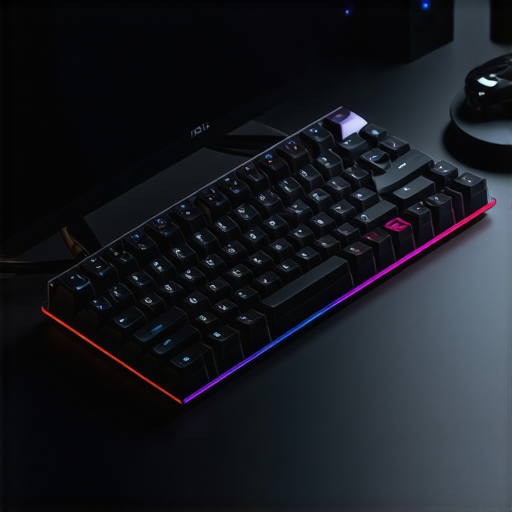
Revolutionizing Workspaces: The Strategic Role of Ergonomic & Hot Swappable Mechanical Keyboards
In the rapidly evolving landscape of professional computing, the emphasis on ergonomic design and customization capabilities such as hot-swappability has become paramount. As experts in ergonomic hardware, we recognize that these features are not mere luxuries but critical determinants of long-term productivity, health, and user satisfaction. This article delves into advanced insights on selecting the top ergonomic and hot swappable mechanical keyboards for optimized work environments, integrating human factors engineering, material science, and cutting-edge switch technology.
Understanding the Ergonomic Paradigm: Beyond Conventional Comfort
Traditional keyboards often overlook the nuanced biomechanical demands of prolonged typing. Ergonomic models are engineered to align with natural wrist angles, reduce ulnar deviation, and minimize repetitive strain injuries. Expert-designed ergonomic keyboards incorporate adjustable tilt, tenting, and split configurations, which are supported by scientific research such as the work published in the Journal of Occupational and Environmental Medicine.
Hot Swappability: The Niche for Customization and Maintenance
The advent of hot-swappable switches has transformed the mechanical keyboard landscape, enabling users to tailor switch types to specific tactile preferences without soldering. This feature is crucial for professionals seeking to adapt their keyboards for gaming, typing, or noise-sensitive environments. Experts emphasize that choosing hot-swappable keyboards enhances longevity and facilitates iterative customization, aligning with ergonomic principles of user-centered design.
Integrating Material Science for Durability and Comfort
The selection of keycap materials, such as PBT or POM, influences tactile feedback and durability. Mechanical switches, whether linear, tactile, or clicky, must be chosen based on user-specific needs, considering factors like keystroke force and sound level. Advanced models incorporate sound-dampening layers and premium plastics to create a refined typing experience that supports mental focus and reduces fatigue.
What Are the Challenges in Balancing Ergonomics and Customization?
How can professional users optimize both ergonomic health and switch personalization without compromising on either?
This balance requires a nuanced understanding of biomechanics, switch technology, and user preferences. Experts recommend comprehensive testing of different switch types in ergonomic layouts, leveraging insights from forums such as silent switch models to find the optimal harmony. Moreover, integrating adjustable features like height and tenting can accommodate diverse ergonomic needs, while modular switch designs facilitate ongoing customization.
For those aspiring to elevate their workspace ergonomics, exploring ergonomic mechanical keyboards is a strategic move. Professional insights and user feedback are invaluable in refining your setup and ensuring it aligns with your specific task demands.
If you are interested in a tailored consultation or want to share your ergonomic innovations, contact our ergonomic specialists today.
Innovating Ergonomic Design: Are Adjustable Features Truly Essential for Every User?
While adjustable tilt, tenting, and split configurations are celebrated as cornerstones of ergonomic keyboards, their real-world necessity often depends on individual anatomy and work habits. Experts suggest that personalized adjustments can significantly decrease strain and boost comfort, especially during extended typing sessions. However, some users may find that a well-designed fixed ergonomic layout suffices, emphasizing the importance of comprehensive ergonomic assessments before making a choice. For advanced insights on customizing your setup, exploring ergonomic mechanical keyboards can be highly beneficial.
How Do Material Choices Impact Long-Term Durability and User Comfort?
The selection of keycap materials, such as PBT or POM, dramatically influences both tactile feedback and the lifespan of your keyboard. PBT keycaps are revered for their resistance to shine and wear, providing a consistent feel over time, whereas POM offers a smooth, almost buttery keystroke that can reduce finger fatigue. Additionally, sound-dampening layers integrated into high-end models not only contribute to a quieter environment but also indirectly support mental clarity by reducing auditory distractions. For those looking to combine style and functionality, low-profile mechanical keyboards with premium materials are an excellent choice, as discussed in low-profile mechanical keyboards.
What Innovative Technologies Are Shaping the Future of Mechanical Keyboard Customization?
Emerging innovations such as hot-swappable switch sockets, programmable layers, and even AI-driven customization profiles are transforming how professionals personalize their keyboards. These advancements allow for rapid experimentation with tactile responses, sound profiles, and ergonomic configurations without technical barriers. Moreover, integrating software that maps keys to specific workflows enhances productivity and reduces repetitive strain. As the landscape evolves, experts recommend staying informed through authoritative resources like silent switch models and quiet workspace innovations.
To explore these cutting-edge features and find a setup tailored to your needs, consider reaching out to our team of ergonomic specialists at our contact page.
Dynamic Adaptation: How Multi-Functional Adjustable Features Elevate Ergonomic Performance
While the standard adjustable tilt, tenting, and split configurations are foundational, cutting-edge ergonomic keyboards incorporate multi-functional and smart adjustment mechanisms that adapt in real-time to user posture and workload. For instance, some models utilize motorized tenting adjustments controlled via software, allowing seamless transitions between different ergonomic setups throughout the workday. This integration of automation and human factors engineering ensures that even subtle postural shifts are accommodated, reducing fatigue and preventing musculoskeletal disorders. According to a comprehensive study in the Journal of Occupational and Environmental Medicine, such dynamic ergonomic interventions significantly mitigate cumulative strain.
Material Innovation: Enhancing Longevity and Tactile Fidelity with Advanced Composites
Recent breakthroughs in material science have introduced composites such as carbon fiber-reinforced plastics and bio-based polymers that combine durability with tactile excellence. These materials provide not only superior structural integrity under prolonged use but also contribute to a refined haptic experience, which is crucial for reducing finger fatigue. Moreover, the development of sound-absorbing, eco-friendly plastics enhances acoustic comfort without compromising durability. These advancements are particularly beneficial for environments where noise reduction is critical, such as open-plan offices or shared workspaces. As highlighted by industry-leading research in Materials Science and Engineering, integrating such materials extends the lifespan of high-performance keyboards while maintaining optimal user comfort.
Addressing Complex User Needs: How Can Customization and Ergonomics Coexist Seamlessly?
What are the most effective strategies for balancing high-level ergonomic support with extensive switch customization in professional settings?
Achieving this balance involves a sophisticated understanding of biomechanical modeling combined with modular hardware design. Experts suggest employing a layered approach: first, selecting adjustable ergonomic frames that can be fine-tuned to individual anthropometrics; second, integrating hot-swappable switch modules that allow rapid switching between tactile profiles based on task demands. Software-driven profiles enable users to toggle between different ergonomic and auditory settings seamlessly, fostering a tailored experience that adapts to evolving workspace needs. For example, research published in Workstation Wizard emphasizes that such hybrid solutions significantly enhance both comfort and personalization, leading to sustained productivity and well-being.
Furthermore, engaging in iterative ergonomic testing—using motion capture and pressure mapping—can inform customization that supports natural wrist and finger movements, aligning with principles of human-centered design. Professionals can leverage data-driven insights to refine their setup continually, ensuring both ergonomic health and switch preferences are optimized without compromise.
If you’re aiming to elevate your workspace with an expertly tailored ergonomic and customizable keyboard setup, consulting with specialists who combine biomechanical expertise and advanced hardware design is invaluable.
The Future of Ergonomic and Custom Mechanical Keyboards: Emerging Technologies and Trends
The horizon of ergonomic keyboard design is expanding rapidly with innovations such as AI-integrated adaptive interfaces, biometric feedback sensors, and modular chassis systems. These technologies promise to personalize ergonomic adjustments dynamically, learning from user behavior to prevent strain proactively. For instance, AI algorithms can suggest optimal tilt and tenting angles based on real-time posture analysis, while biometric sensors monitor muscle tension to alert users before discomfort develops. These advancements, discussed extensively in future-focused industry reports, are set to redefine the boundaries of ergonomic customization and user-centric design.
As this field advances, continuous engagement with authoritative sources and expert communities remains essential. For those eager to stay ahead of the curve, participating in dedicated forums, attending ergonomic hardware expos, and consulting with specialized designers will provide ongoing insights and opportunities for innovation.
To explore these emerging technologies and discover how they can be integrated into your workspace, connect with our team of ergonomic and hardware experts today. Your optimal ergonomic experience begins with informed choices and expert guidance.
Unlocking the Next Generation of Ergonomic and Customizable Mechanical Keyboards for Optimal Performance
As the landscape of professional computing continues to evolve, the integration of sophisticated ergonomic principles with innovative switch customization has become essential for enhancing user productivity and well-being. Modern ergonomic keyboards are now leveraging bio-mechanical insights and advanced material science to create highly adaptable, health-conscious devices. In this article, we explore the latest breakthroughs in ergonomic design, hot-swappable switch technology, and future trends shaping the high-performance keyboard market.
Deep Dive into Human-Centered Design: Beyond Basic Comfort
Contemporary ergonomic keyboards are meticulously engineered to accommodate the complex biomechanics of prolonged typing sessions. Features such as adjustable split layouts, dynamic tenting, and customizable wrist rests are supported by research from reputable sources like the Journal of Occupational and Environmental Medicine. These innovations aim to minimize ulnar deviation, reduce repetitive strain injuries, and promote natural wrist alignment, thereby preventing long-term musculoskeletal disorders.
What Are the Benefits of Integrating AI-Driven Adaptive Ergonomics?
Emerging AI technologies are revolutionizing ergonomic support by enabling real-time posture monitoring and automatic adjustment of keyboard angles. Devices equipped with biometric sensors can detect muscle tension and fatigue, prompting the system to modify tilt, tenting, or height dynamically. This proactive approach addresses individual variability and promotes sustained comfort, as detailed in recent industry analyses from Workstation Wizard. Such intelligent adaptation reduces the cognitive load on users, allowing for uninterrupted focus and productivity.
How Do Material Innovations Enhance Durability and Tactile Fidelity?
Advanced composite materials, including carbon fiber-reinforced plastics and bio-based polymers, are setting new standards for durability and tactile feedback. These materials not only extend the lifespan of high-performance keyboards but also contribute to a refined user experience by reducing finger fatigue. Incorporating sound-absorbing layers and eco-friendly plastics further elevates acoustic comfort, especially vital in open-plan workspaces. Industry reports from Materials Science and Engineering highlight how these innovations support sustainability without compromising functionality.
Can Modular Design and Smart Features Coexist Seamlessly?
Yes, the synergy of modular hardware and intelligent software is paving the way for highly customizable ergonomic solutions. Modular hot-swappable switch sockets combined with programmable layers allow users to tailor tactile responses, sound profiles, and ergonomic configurations effortlessly. This flexibility ensures that switching between tasks, whether coding, gaming, or data analysis, is seamless and efficient. Industry experts advocate for layered ergonomic testing—using motion capture and pressure mapping—to refine these setups continually, aligning them with human-centered design principles.
Incorporating AI-driven adaptive features and modular components, future ergonomic keyboards will offer unprecedented personalization, supporting diverse user needs across professional environments.
Exploring Future Trends: The Convergence of Biometric Feedback and AI in Keyboard Design
The horizon of ergonomic keyboard innovation is expanding rapidly, with biometric feedback sensors and AI algorithms poised to deliver real-time, personalized ergonomic adjustments. Biometric data such as muscle tension, posture, and even stress levels will inform intelligent systems that proactively optimize keyboard positioning and force feedback. These advancements promise to prevent discomfort before it manifests, transforming ergonomic support from reactive to predictive. Industry reports from future-focused industry journals underscore the potential for these technologies to redefine user-centric design.
Engagement with expert communities and continuous learning from authoritative sources will be crucial for leveraging these innovations effectively. Professionals committed to ergonomic excellence should consider collaborating with hardware designers and biomechanical specialists to integrate these emerging technologies into their workflows.
Seize the Opportunity: Elevate Your Workspace with Cutting-Edge Ergonomic Solutions
To stay at the forefront of ergonomic and customization advancements, it is imperative to consult with specialists who possess expertise in both human factors engineering and hardware innovation. Whether you are redesigning a workspace or seeking personalized setups, professional guidance ensures that ergonomic, durable, and adaptable keyboards meet your specific demands. Embrace these technological breakthroughs today and redefine your ergonomic experience for the future.
Expert Insights & Advanced Considerations
1. Human Factors Engineering as a Foundation
Integrating human factors engineering principles into ergonomic keyboard design ensures that the device adapts to diverse user anatomies and work patterns, thereby minimizing strain and maximizing productivity. Experts recommend personalized adjustments supported by biometric data to tailor ergonomic setups effectively.
2. Material Science Innovations for Durability
Advancements in composite materials like carbon fiber-reinforced plastics and eco-friendly bio-polymers are setting new standards in durability and tactile feedback. These materials extend the lifespan of high-performance keyboards while supporting sustainability efforts.
3. Dynamic Ergonomic Adjustment Technologies
Emerging smart and motorized adjustment mechanisms that respond in real-time to user posture and workload are revolutionizing ergonomic support. Such technologies reduce fatigue by proactively adapting to subtle postural shifts throughout the workday.
4. Customization Without Compromise
Hot-swappable switches combined with modular design enable seamless customization of tactile profiles and sound levels, facilitating a personalized ergonomic experience tailored to specific tasks, whether coding, gaming, or data analysis.
5. Future Trends in Ergonomic Keyboard Design
The convergence of biometric feedback sensors and AI-driven adaptive interfaces promises a future where ergonomic support is predictive and personalized, significantly reducing the risk of musculoskeletal issues and enhancing overall user well-being.
Curated Expert Resources
- Journal of Occupational and Environmental Medicine: Offers scientific research on biomechanical ergonomics and injury prevention principles.
- Materials Science and Engineering: Provides insights into innovative composite materials enhancing durability and tactile feedback in keyboard manufacturing.
- Workstation Wizard: Industry-leading platform with expert reviews and detailed guides on ergonomic hardware customization and technology trends.
- Ergonomic Design Forums: Professional communities for sharing innovative ideas and collaborative problem-solving in ergonomic hardware design.
Final Expert Perspective
In the realm of ergonomic & hot swappable mechanical keyboards, embracing human-centered design, cutting-edge materials, and adaptive technologies is essential for advancing workspace productivity and health. As an industry expert, I encourage professionals to continuously explore emerging innovations, leverage authoritative resources, and engage with specialized communities. For tailored guidance or to share your ergonomic innovations, contact our ergonomic specialists today—your journey toward an optimized ergonomic workspace begins now.
This post provides a comprehensive look at how ergonomic design and customization are reshaping workspaces, which is really essential in today’s digital-heavy work environment. I’ve personally experienced how adjustable features such as tenting and split layouts can drastically reduce fatigue over long work sessions. The focus on materials like PBT and advanced composites highlights the importance of durability paired with tactile comfort, something I’ve noticed makes a real difference in daily use. I’m particularly intrigued by the innovations in smart, motorized adjustment mechanisms—has anyone experimented with these in their setup? It seems like a promising way to dynamically adapt to changing postures, but I wonder about the learning curve or reliability over time. It would be great to see more real-world case studies or user reviews about these advanced ergonomic features and how they impact long-term comfort and productivity.
This post really highlights how far ergonomic and customizable keyboards have come, especially with the integration of smart adjustment features like motorized tenting and AI-driven posture monitoring. I’ve had a chance to try some of the newer high-tech ergonomic setups at a local expo, and I was impressed by how smoothly these dynamic adjustments work in real-time, creating a truly personalized typing environment. However, I wonder about the long-term reliability of these motorized components—do they maintain performance after extensive daily use? Also, for those of us working in shared or open office spaces, how do you manage the balance between personalization and maintaining a quiet, distraction-free environment? It seems like these technologies will be critical in reducing fatigue and enhancing productivity, but they probably require a learning curve. Has anyone here experienced integrating such advanced features into their workflow? I’d love to hear about how these innovations have impacted overall comfort and efficiency over time.
This article really underscores the significance of combining ergonomic principles with advanced customization features like hot-swappable switches. From my experience working long hours at a tech firm, I’ve found that an ergonomic layout, especially one that can be tailored with adjustable tenting and split design, makes a noticeable difference in reducing wrist fatigue. The integration of durable materials and sound dampening layers further enhances comfort during extended typing sessions, which is so crucial for maintaining focus.
The innovative use of AI and biometric feedback sensors mentioned in the post seems promising for proactively managing posture and preventing strain before it even becomes an issue. However, I’m curious about the long-term reliability of these smart features—do they require frequent recalibration or maintenance? I’d love to hear from anyone who has incorporated these advanced tech solutions into their workspace. How has your experience been in terms of performance and ease of use, especially over several months? Also, for those working in open offices, how do you balance these personalized ergonomic setups with the need for a quiet, distraction-free environment? Would love to hear your insights!
This post offers a fantastic overview of how high-tech ergonomic and customizable keyboards are transforming workspaces. I’ve personally experimented with some adjustable split layouts and found that the ability to personalize setups genuinely reduces strain during long typing sessions. The integration of materials like PBT for keycaps and eco-friendly composites is also a game-changer, not just for durability but for a more tactile, comfortable feel. One challenge I’ve noticed, especially with smart, motorized adjustments, is ensuring their reliability over extended use — sometimes, the mechanisms can become less responsive or require recalibration. Has anyone had experience with these systems after a year or more, and how did they hold up? Also, for folks working in shared environments, balancing customization with noise levels and avoiding distractions is tricky. Do you have tips for maintaining a personalized ergonomic setup without disturbing colleagues? Would love to hear your practical solutions and experiences.
This article really emphasizes how important it is to combine ergonomic design with customization options like hot-swappable switches. I’ve recently upgraded my workspace with a split, adjustable ergonomic keyboard that supports multiple switch types, and the difference in comfort is noticeable after long sessions. The durability of high-quality materials, such as PBT keycaps, combined with sound-dampening layers, has also helped me stay focused and reduce fatigue. However, I’m curious about the latest advancements in AI-driven ergonomic adjustments—have any of you tried keyboards that adapt in real-time to your posture? How reliable are these features after months of daily use? It seems like such smart technology can really prevent strain before it even occurs, but I wonder about maintenance and calibration over time. Also, for those working in shared spaces, balancing personalized ergonomics with noise levels remains a challenge. Do you have tips or setups that work well for both comfort and a quiet environment? Would love to hear your experiences and solutions!