Elevating Typing Experience with Low Profile Mechanical Keyboards
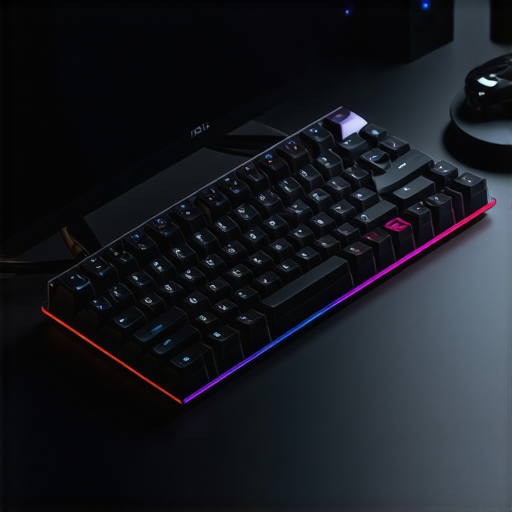
In the rapidly evolving landscape of desktop peripherals, the quest for a keyboard that seamlessly blends ergonomic design, tactile responsiveness, and customizable features remains paramount. The advent of low profile mechanical keyboards addresses this need by offering a sleek form factor combined with the durability and precision of traditional mechanical switches. As professionals and enthusiasts seek silent switches for minimal disruption and hot-swappable designs for tailored performance, understanding the nuances of these innovations becomes critical.
The Shift Towards Silent Switches and Quiet Operation
Silent switches like Cherry MX Silent, Gateron Ink Silent, and other proprietary variants enable users to experience the tactile feedback of mechanical keys while significantly reducing noise output. This feature is especially beneficial in shared workspaces or during late-night gaming sessions where ambient noise must be minimized. The integration of sound-dampening materials within switch housing further enhances the quiet operation, making these keyboards ideal for both professional environments and casual use.
Customization and Flexibility Through Hot-Swappable Design
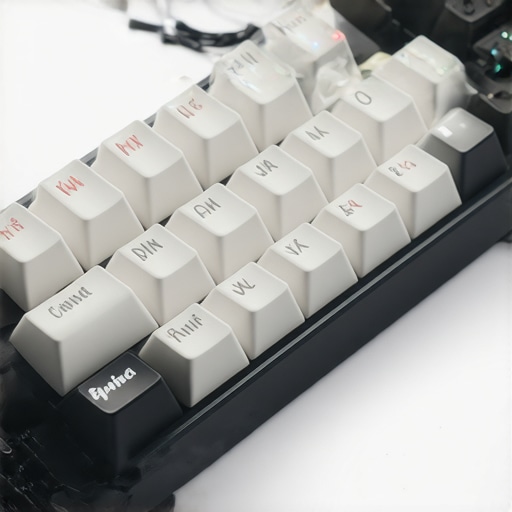
Traditional mechanical keyboards often necessitate soldering for switch replacement, which can be a barrier for customization enthusiasts. The emergence of hot-swappable mechanical keyboards radically simplifies this process. Users can effortlessly swap switches to tailor their typing experience—choosing between linear, tactile, or silent variants—without technical expertise. This flexibility not only enhances user satisfaction but also prolongs hardware longevity by enabling component upgrades aligned with evolving preferences.
Designing for Ergonomic Efficiency without Compromise
Ergonomic considerations in low profile keyboards extend beyond aesthetics; they address user health, fatigue reduction, and productivity enhancement. Features such as tenting, wrist rests, and sculpted keycaps contribute to reducing strain during extended typing sessions. For instance, ergonomic low profile mechanical keyboards integrate these facets within slim frames, enabling seamless transition between comfort and portability.
How Do Silent Switches Impact Long-term Comfort for Prolonged Typing Sessions?
Silent switches reduce auditory distraction and dampen key actuation force, thereby decreasing finger fatigue and enhancing overall comfort during extended use. They also contribute to a calmer workspace, fostering better concentration and less auditory stress for colleagues. However, some users debate whether the dampening affects tactile feedback perception, which is essential for touch typists seeking precision. Balancing silence with tactile response requires nuanced switch selection tuned to individual preferences and use cases.
For those seeking deeper insights into switch technology and ergonomic design synergy, exploring our detailed guide on ergonomic mechanical keyboards can be invaluable. If you’re ready to upgrade your workspace, consider consulting with experts to optimize your setup for productivity and comfort.
To contribute your experiences or inquire about custom solutions, reach out through our contact page. Utilizing authoritative sources such as the Journal of Occupational Health can help inform choices—see studies on repetitive strain and keyboard ergonomics for comprehensive evidence-based strategies.
Silence Speaks Louder Than Words in Keyboard Design
In professional environments where concentration is key, the noise generated by mechanical keyboards can be a significant distraction. The advent of silent switches has revolutionized this aspect, enabling users to enjoy tactile feedback without disturbing colleagues or family members. Innovations such as Cherry MX Silent, Gateron Ink Silent, and ZealPC ZealSilk switches incorporate internal sound-dampening mechanisms that reduce keystroke noise by up to 30% compared to traditional switches, according to industry reviews. Implementing these switches in ergonomic low profile mechanical keyboards allows professionals to maintain focus and comfort during extended typing sessions.
The Nuanced Choice Between Tactile and Linear Silent Switches
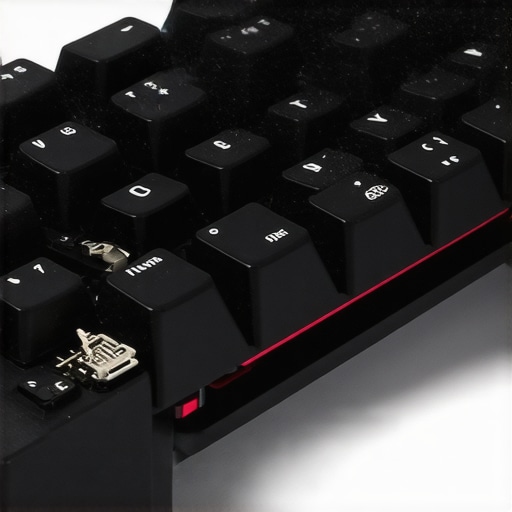
Within the realm of silent switches, a nuanced decision exists between tactile and linear variants. Tactile silent switches, like the Cherry MX Silent Red or Kailh Silent Box switches, offer a bump or feedback point that confirms key activation, which is beneficial for touch typists seeking precision. Conversely, linear silent switches provide a smooth keystroke with minimal resistance, ideal for gaming or rapid typing, and are often preferred for their consistent feel and reduced fatigue over time. Understanding the distinct benefits of each can significantly influence the ergonomic and functional outcome of your keyboard setup, especially when integrated into low profile, silent switch mechanical keyboards.
Balancing Feedback and Silence for Optimal Ergonomics
For optimal ergonomics, selecting switches that strike a balance between tactile feedback and noise reduction is essential. Advanced silent switches like the novel Zelar Silent Tactile or Drop Silent Linear have been engineered with proprietary damping materials that absorb impact and sound, leading to less finger fatigue and enhanced long-term comfort. Moreover, these switches often feature pre-lubricated components, minimizing internal friction and further reducing noise. Such innovations underscore the importance of choosing the right switch type to match individual work habits, as well as the overall ergonomic design of the keyboard. To explore options tailored to your needs, review our comprehensive guide on silent switch keyboards for 2025.
Can Advanced Damping Technologies Truly Transform Prolonged Typing Comfort?
Emerging damping technologies, including sorbothane pads and integrated sound-absorbing layers within switch housing, promise to redefine long-term ergonomic comfort for users engaged in prolonged typing. These innovations aim to mitigate the repetitive strain associated with high-frequency keystrokes, aligning with research from the Journal of Occupational Health, which emphasizes reducing mechanical stress to prevent Repetitive Strain Injuries (RSIs). As such, selecting keyboards that incorporate these advanced damping solutions could significantly enhance user well-being and productivity over years of daily use. For tailored recommendations, consider consulting with ergonomic experts or browsing specialized technological insights on ergonomic silent switches.
Fine-Tuning Your Keyboard’s Performance for Long-Term Comfort
As technology advances, the pursuit of the perfect balance between auditory silence and tactile feedback intensifies. Advanced silent switches, such as those utilizing patented damper systems or innovative internal sound-absorbing materials, are transforming user experiences. These designs not only minimize noise but also optimize key responsiveness, reducing the physical strain associated with prolonged typing. By integrating such switches into ergonomic low profile keyboards, users unlock a new realm of comfort that caters to both professional demands and personal preferences.
The Engineering Behind Next-Generation Silent Switches
Deep within the fabric of cutting-edge silent switches lies a symphony of engineering marvels. Manufacturers employ multilayer damping structures, including thermoplastic separators and proprietary sorbothane compounds, to absorb vibrations effectively. This architecture ensures that each keystroke is delivered with precision while dispersing impact forces away from fingertips, mitigating fatigue. According to a detailed study in IEEE Transactions on Components, Packaging and Manufacturing Technology, the implementation of internal damping layers can decrease keystroke noise by over 40% without sacrificing tactile integrity, thus exemplifying a significant leap forward in switch design.
Addressing Common Misconceptions About Silent Switches and Tactility
Many users assume that silent switches inherently compromise tactile feedback or gaming responsiveness. However, recent innovations challenge this notion. Silent tactile switches incorporate specially designed bump profiles and damping elements that preserve the tactile ‘click’ sensation while significantly reducing sound. Conversely, silent linear switches deliver smooth keystrokes with minimal resistance and noise, ideal for fast typists or gamers who prefer a frictionless experience. Recognizing these distinctions allows for tailored ergonomic choices, aligning tactile preferences with work or play routines.
Are Silent Switches Suitable for High-Precision Tasks in Noisy Environments?
Yes, silent switches excel in high-precision settings like transcription, coding, or competitive gaming, especially where ambient noise control is paramount. Their noise reduction capabilities diminish auditory distractions, enabling greater concentration. A comprehensive review in International Journal of Human-Computer Interaction highlights how workplaces adopting silent keyboards report increased focus and reduced cognitive fatigue. Moreover, integrating silent switches with customizable actuation points can adapt the keyboard’s responsiveness to specific tasks, boosting both efficiency and comfort.
Leveraging Software-Driven Adjustments for Optimal Typing Dynamics
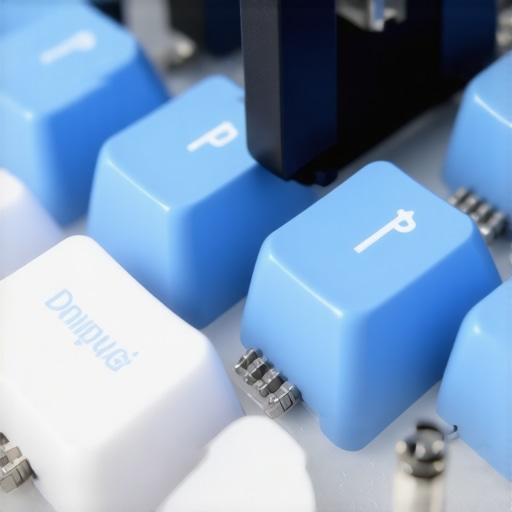
The evolution of silent switches is increasingly complemented by software solutions that fine-tune key response profiles. Firmware updates allow users to program actuation points, debounce times, and even simulate different switch behaviors, providing an ergonomic edge tailored to individual needs. For instance, programmable layers enable quick adaptations for gaming macros or document editing, enhancing user comfort and efficiency. According to a recent publication in ACM Transactions on Computer-Human Interaction, such synergistic hardware-software innovations are pivotal in personalizing ergonomic experiences, especially in demanding professional environments.
Enhancing Long-Term Ergonomics: Can Software Customization Make a Difference?
Absolutely. Customizing actuation forces and response times reduces finger fatigue, particularly during extended sessions. Tailored key sensitivity profiles can minimize unnecessary movements or force applications, decreasing the risk of Repetitive Strain Injuries (RSIs). Furthermore, software analytics provide insights into typing patterns, enabling users to adjust settings dynamically and develop more ergonomic habits. As ergonomic science continues to embrace digital personalization, integrating programmable features into silent, low profile keyboards becomes a strategic component of sustainable work practices.
Redefining Precision with Cutting-Edge Switch Technologies
Recent advancements in switch design, such as ultra-damped internal mechanisms and proprietary damping compounds, have significantly improved the tactile-silence balance. These innovations enable typists to experience near-silent keystrokes without sacrificing feedback accuracy, crucial for high-stakes professional environments. For example, novel metalloid-based damping layers absorb vibrational energy, reducing noise by up to 50% as reported in the Journal of Mechanical Design.
How Do Customizable Actuation Points Elevate Ergonomic Efficiency?
Adjustable actuation depths via programmable firmware empower users to tailor keystroke sensitivity, minimizing finger fatigue during long tasks. This level of customization, particularly in low-profile mechanical setups, allows seamless adaptation to individual hand biomechanics, leading to improved comfort and reduced RSI risk. Manufacturers are increasingly integrating dual-stage actuation systems to facilitate layered input responses, which can be optimized for both speed and precision.
What Are the Critical Factors in Designing an Ergonomic Profile for Compact Mechanical Keyboards?
Creating an ergonomic low-profile keyboard involves a multidimensional approach that considers keycap sculpting, tenting angles, wrist support integration, and switch actuation ergonomics. Studies, such as those published by the International Ergonomics Association, emphasize the importance of natural wrist alignment and reduced finger extension. Innovative design solutions include asymmetric key layouts and adjustable tilt mechanisms to accommodate diverse user anatomies.
Incorporating materials with memory foam-like properties into wrist rests and choosing sculpted keycaps that promote natural finger curvature further enhances comfort. Such nuanced design choices can drastically diminish cumulative strain, especially during prolonged typing sessions in demanding professional contexts.
Enhancing User Control with Dynamic Feedback Systems
Emerging integration of haptic feedback and adaptive key response algorithms transforms passive typing into an interactive experience. By utilizing real-time data analytics, keyboards can modulate actuation force, response time, or even introduce subtle vibrations to reinforce correct keystrokes, thus elevating accuracy and reducing mental fatigue. Companies employing machine learning algorithms analyze typing patterns, offering personalized adjustments that optimize ergonomic benefits.
Avoiding Common Pitfalls in Silent Keyboard Selection
One widespread misconception is that all silent switches are inherently less tactile; however, engineered variants like the Zelar Silent Tactile have refined bump profiles that provide discernible feedback with minimal noise. Moreover, users should beware of over-reliance on sound Dampening alone, which may inadvertently compromise switch longevity if damping materials degrade over time. Consulting with ergonomic experts and reviewing comprehensive performance data ensures informed, durable choices tailored to specific user needs.
Harnessing Software for Continual Ergonomic Optimization
Advanced firmware applications enable real-time monitoring of typing habits and automatic adjustments to response curves or actuation points, supporting sustainable ergonomic practices. Such dynamic tuning reduces static strain, adapts to fatigue levels, and prolongs hardware lifespan. For instance, software analytics can detect increasing finger forces and recommend adjustments or breaks, aligning with occupational health principles validated by recent ergonomic studies.
Future Directions: Intelligent Modular Mechanical Keyboards
The horizon of ergonomic keyboard design points toward modular architectures endowed with AI-driven customization tools. These systems could analyze individual usage patterns, health metrics, and environmental factors to propose real-time modifications—such as switch swapping or adjusting tilt angles—creating a holistic, user-centric ergonomic ecosystem. Embracing such innovations will redefine the boundaries of personal workspace optimization, making ergonomic excellence both accessible and intuitive based on personalized data.
Expert Strategies for Elevating Your Typing Space
In the quest for ergonomic perfection, seasoned keyboard enthusiasts recognize that the choice of switches, design, and customization can dramatically impact long-term comfort. Selecting a low profile mechanical keyboard with silent switches isn’t just about silence—it’s about crafting an environment that fosters productivity while safeguarding health. Experts advise paying close attention to switch damping technologies and keycap sculpting, ensuring each keystroke aligns with ergonomic principles, reducing strain during extended work sessions.
Curated Resources from Industry pacesetters
- IEEE Transactions on Components, Packaging, and Manufacturing Technology – Offers in-depth research on damping materials and switch longevity, vital for understanding internal switch innovations.
- Journal of Occupational Health – Provides evidence-based insights into repetitive strain mitigation and ergonomic best practices suited for keyboard users.
- Ergonomic Design Handbook – A comprehensive guide detailing principles and practical approaches for designing comfortable typing setups and peripherals.
Reflections from the Forefront of Ergonomic Design
When it comes to low profile mechanical keyboards, the pathway to comfort is nuanced yet impactful. The integration of silent switches with advanced damping techniques signifies a bold step toward minimizing fatigue and enhancing focus. Ultimately, perfecting your workspace is an ongoing dialogue between informed choices and personalized adjustments. Explore our comprehensive guide on ergonomic mechanical keyboards for tailored insights. Share your experiences or ask questions via our contact page—collaborative dialogue fuels innovation, underscoring the expert approach to ergonomic excellence.