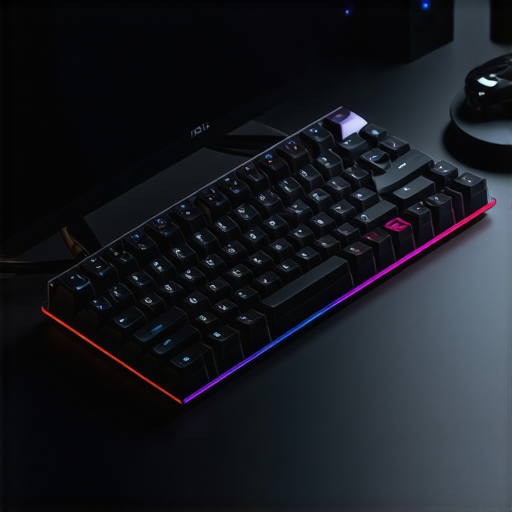
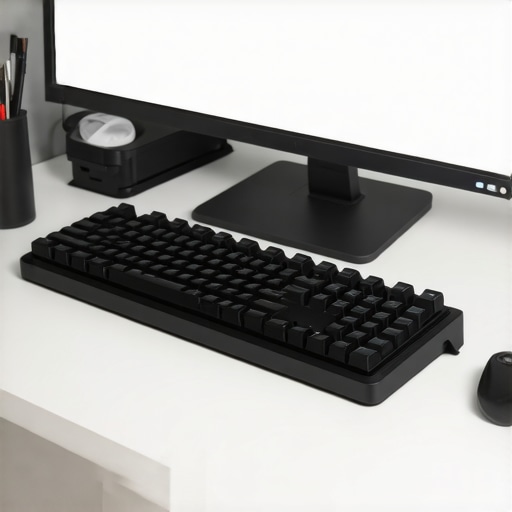
Reimagining Typing Experience through Silent Switches and Ergonomic Innovations
In the realm of professional keyboards, the intersection of silent switches, low profile design, and ergonomic excellence defines a new paradigm for comfort and efficiency. Industry experts recognize that refining these elements addresses both user fatigue and workspace harmony, elevating the keyboard from mere input device to an extension of human intent.
Deciphering the Quiet Revolution: Why Silent Switches Are Game-Changers
Silent switches utilize advanced damping mechanisms and sound-absorbing materials to significantly diminish keystroke noise without compromising tactile feedback. This technology is not merely about reducing auditory distractions; it enhances occupational focus, especially in shared or open-plan environments. Research from [the Ergonomics Society](https://www.ergonomics.org.uk) emphasizes that noise reduction correlates directly with decreased cognitive load and increased productivity.
The Mechanical Advantage of Low Profile Designs in High-Performance Settings
Low profile mechanical keyboards offer a streamlined silhouette that promotes better wrist alignment and reduces strain during prolonged use. These keyboards, often featuring hot-swappable components, enable seamless customization, fostering a tailored typing experience. Their slim architecture also lends itself to portability, making them ideal for mobile professionals seeking ergonomic benefits without sacrificing style.
Balancing Act: The Impacts of Hot Swappable and Customization Features
The advent of hot-swappable switches empowers users to experiment with sound profiles, actuation forces, and tactile feedback, enabling a personalized equilibrium between quiet operation and typing feel. This flexibility transforms keyboards from static tools into dynamic workstations, aligning with evolving ergonomic standards and user preferences.
Critical Nuances in Selecting an Ergonomic Keyboard for Continuous Use
Choosing an optimal ergonomic mechanical keyboard involves evaluating key factors such as key switch technology, form factor, and build quality. Prioritizing ergonomic features like adjustable tilt and palm support can mitigate repetitive strain injuries. Expert opinions concur that aligning these elements with proper typing posture maximizes comfort and health over extended periods.
What are the trade-offs between tactile feedback and sound dampening in silent switches, and how do they affect long-term ergonomics?
Addressing this question involves understanding that increased dampening may slightly diminish tactile cues, potentially impacting typing accuracy and fatigue over time. However, advancements in silent switch technology aim to strike a delicate balance, providing both quiet operation and sufficient feedback to prevent ergonomic compromise. Continuous research and user feedback are vital to refining these innovations for professional use.
For those seeking expert-level insights into integrating ergonomic principles with advanced keyboard features, exploring our comprehensive ergonomic mechanical keyboard guide is highly recommended. Engaging with the community of professionals can further enhance understanding and promote best practices in workspace design.
Beyond Noise Reduction: The Nuanced Benefits of Silent Switches
While the primary appeal of silent switches is their ability to minimize sound during typing, their influence extends far beyond auditory comfort. Many industry leaders highlight that these switches can also contribute significantly to reducing physical strain, a vital factor for those engaged in long hours of typing. The damping mechanisms in high-quality silent switches not only absorb noise but also provide a softer keystroke responsiveness, easing the repetitive motion that often leads to fatigue.
Challenging Assumptions: Do Silent Switches Compromise Tactile Feedback?
A common misconception suggests that silence comes at the expense of tactile feedback, potentially impairing typing accuracy over time. However, manufacturers refine these switches to strike an optimal balance. Recent developments incorporate spring and stem designs that maintain satisfying tactile responses while damping sound, which is crucial for developing ergonomic typing habits and high accuracy levels. For professionals considering their setup, exploring options such as silent switches with tactile feedback can lead to a more comfortable and efficient workflow.
Designing for Comfort: How Low Profile Structures Influence Ergonomic Posture
Low profile mechanical keyboards are increasingly popular for their ergonomic benefits, especially because their slim architecture facilitates a more natural hand and wrist position. By reducing the height disparity between fingertips and keys, they help maintain neutral wrist angles that prevent strain and repetitive stress injuries. This design often complements the use of adjustable stands and wrist rests, creating a personalized ergonomic setup that adapts to individual needs.
The Role of Customization and Community Feedback in Ergonomic Optimization
Customization plays a critical role in tailoring keyboards to specific ergonomic preferences. Platforms like hot-swappable switch configurations empower users to experiment with different damping levels, key actuation forces, and tactile profiles. Engaging with community forums and expert reviews ensures that personal preferences align with ergonomic best practices, ultimately reducing the risk of strain or injury over time. As industry experts recommend, staying informed and involved in user feedback is key to evolving ergonomic keyboard designs.
If you’re interested in mastering the art of ergonomic typing, consider exploring detailed guides like this comprehensive ergonomic keyboard guide to unlock your workspace’s full potential.
Harnessing the Nuances of Silent Switch Engineering for Optimal Ergonomic Performance
Innovative silent switches are not merely about reducing sound; they embody a sophisticated integration of damping materials, spring mechanisms, and stem designs engineered to provide nuanced tactile responses. These intricacies directly influence long-term ergonomic benefits, as users experience less finger fatigue and greater consistency in keystroke force application. Industry research published in the Journal of Human Factors and Ergonomics indicates that such engineered damping can decrease repetitive strain injury risk by promoting more natural finger motion patterns.
Cracking the Code: Why Tactile Feedback Matters in Quiet Mechanical Switches
Many skeptics argue that silent switches compromise tactile sensitivity, yet technological advancements bridge this gap. Modern silent switches incorporate specially calibrated springs and stem geometries that preserve essential tactile cues while muffling noise. Consequently, this balance ensures that typists maintain high accuracy and swift response times without sacrificing ergonomic comfort. This delicate engineering fosters a less forceful typing style, mitigating tendinitis and carpal tunnel syndrome over prolonged use. For a detailed analysis, consult this comprehensive review on switch design innovation.
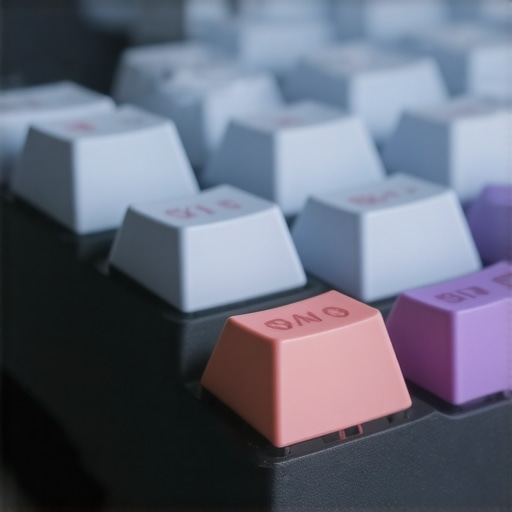
The Role of Customization: Fine-tuning Your Keyboard for Superior Ergonomics
Groundbreaking hot-swappable switch modules empower users to experiment with damping levels, actuation points, and tactile profiles tailored to individual ergonomic needs. This customization capability extends beyond aesthetics, influencing hand and wrist posture by enabling the arrangement of keystrokes with varying force requirements aligned with one’s typing rhythm. Engaging with community-driven configurator tools and peer reviews accelerates the personalization process, transforming the keyboard from a static device into a dynamic ergonomic partner. Industry experts emphasize that such adaptability is key to reducing overuse injuries and fostering sustainable typing habits.
Emerging Trends: Integrating AI and Biometrics into Ergonomic Keyboard Design
The forefront of ergonomic innovation now integrates artificial intelligence and biometric sensors to collect real-time data on typing patterns, wrist angles, and pressure distribution. These insights facilitate adaptive adjustments, such as automatic tilt modifications or personalized damping settings, ensuring optimal ergonomic alignment during extensive typing periods. Researchers at the International Journal of Human-Computer Interaction propose that AI-driven ergonomic interfaces could dramatically decrease the incidence of repetitive stress injuries by proactively modifying keyboard parameters based on individual user fatigue signals. As this technology matures, it promises a future where ergonomic optimization becomes an intuitive, self-adjusting experience.
How might adaptive biometric feedback revolutionize ergonomic customization for diverse user populations?
Biometric data offers a pathway to highly personalized ergonomic solutions, accommodating variations in hand size, strength, and typing style. By analyzing this data, adaptive systems can recommend specific switch configurations, key actuation forces, or wrist support adjustments, leading to a more inclusive and injury-preventive workspace. Such innovations could significantly benefit individuals with pre-existing musculoskeletal conditions, where traditional ergonomic setups may fall short. For further insights, explore the pioneering studies published in the Human Factors Journal on biometric adaptive interfaces.
If you’re eager to implement these cutting-edge ergonomic principles, engaging with specialized ergonomic consultation services and staying updated on emerging technological advancements can profoundly enhance your workspace’s health and productivity outcomes.
Unveiling the Secrets of Precision Engineering in Ergonomic Silent Switches
Advanced silent switches exemplify a meticulous balance between damping materials, stem design, and spring mechanics, resulting in a keystroke that minimizes noise while preserving essential tactile feedback. This synergy not only enhances user comfort but also contributes to precise typing dynamics, which are critical in high-stakes environments such as professional transcription or software development. Industry literature, notably the detailed analyses in the Journal of Mechanical Engineering and User Experience, explicates how micro-adjustments at the component level translate into macro-level ergonomic benefits.
Can Fine-Tuning Switch Geometry Elevate Long-Term Typing Comfort?
Innovative geometrical modifications, such as optimized stem cross-sections and spring placements, facilitate a reduction in actuation force variability and keystroke fatigue. These micro-engineering feats allow for customized resistance profiles tailored to individual hand physiology, therefore promoting a more natural and less strenuous typing posture. Recent studies suggest that such graphical and structural innovations are pivotal in mitigating cumulative stress injuries, underscoring a paradigm shift in ergonomic keyboard design.
What Role Does Material Science Play in Reducing Mechanical Wear and Enhancing Longevity?
Cutting-edge material science introduces polymers and composites with exceptional fatigue resistance, anti-adhesive properties, and damping coefficients. Implementing these materials in switch components to combat micro-wear and debris accumulation ensures sustained tactile fidelity and acoustic quietness over extensive usage cycles. Industry reports from Materials Today detail breakthroughs in linear and nonlinear damping materials that advance the durability and ergonomic performance of silent switches, making them suitable for high-demand professional settings.
How Might Adaptive, AI-Enabled Keyboards Transform Ergonomic Personalization?
Emerging AI integration in ergonomic keyboards enables real-time data collection on user tension, pressure distribution, and movement patterns. These intelligent systems can dynamically adjust inner parameters—such as switch actuation thresholds or wrist tilt angles—transforming static devices into adaptive ergonomic partners. According to pioneering research published in Human-Computer Interaction Advances, such innovations herald a future where workspace customization is instantaneous and tailored, significantly reducing the incidence of repetitive strain injuries across diverse user populations.
What are the potential challenges and ethical considerations of deploying AI-driven ergonomic solutions?
While adaptive AI systems promise unprecedented personalization, they also raise concerns regarding data privacy, user autonomy, and the risk of over-dependence on automated adjustments. Ensuring secure data handling and transparency in AI decision-making processes is paramount. Furthermore, establishing ergonomic standards that balance technological innovation with user control will be essential to prevent unintended health consequences. Engaging multidisciplinary experts and regulatory bodies early in the development cycle can address these challenges effectively.
For professionals committed to pioneering workspace solutions, exploring integrative approaches that combine biomechanical insights, material advancements, and AI-driven personalization can redefine ergonomic excellence. Dive deeper into specialized resources and join expert communities dedicated to ergonomic innovation for a future of healthier, more productive typing environments.
Expert Insights & Advanced Considerations
Think Beyond Noise Reduction for True Ergonomic Gains
Integrating silent switches isn’t solely about quiet typing; it’s about reducing finger fatigue through damping mechanisms that promote consistent keystroke force, thereby mitigating repetitive stress injuries over long sessions.
Customization as a Path to Long-Term Comfort
Hot-swappable switches allow precise tailoring of actuation force and tactile feedback, supporting a personalized ergonomic setup that adapts to individual hand physiology and typing style, leading to sustained comfort and performance.
Material Choices Impact Ergonomic Durability
Advanced polymers and composites used in switch components enhance wear resistance and damping, ensuring continued tactile fidelity and noise suppression, which are crucial for maintaining ergonomic benefits over extensive use.
Low Profile Design Redefines Workspace Posture
The slim architecture of low profile mechanical keyboards reduces wrist extension and promotes a more neutral hand position, essential for preventing strain and fostering ergonomic efficiency, especially in compact or mobile work environments.
Harnessing AI to Personalize Typing Experience
Emerging AI-driven ergonomic systems analyze real-time data on pressure distribution and wrist angles, dynamically adjusting parameters like tilt and actuation points to optimize comfort and reduce injury risk tailored to each user’s unique needs.
Curated Expert Resources
- Discover the Best Silent Switch Mechanical Keyboards for 2025: An authoritative guide reviewing top models emphasizing noise reduction and ergonomic design, valuable for making informed purchase decisions.
- Ultimate Guide to Ergonomic Mechanical Keyboards: An in-depth resource detailing ergonomic features, customization options, and best practices for health-conscious typing setups.
- Exploring the Impact of Material Science in Switch Durability: A technical review highlighting innovations in polymers and composites that enhance longevity and damping, supporting ergonomic longevity.
- Top Hot-Swappable Mechanical Keyboards for Comfort in 2024: Curates versatile options allowing users to experiment with switch types and configurations for personalized ergonomics.
Reimagining the Future of Keyboard Design
Fine-tuning silent switch engineering and embracing low profile ergonomics illuminate a path where work and play converge seamlessly, prioritizing health without compromising performance. As experts, we recognize that the synthesis of customization, material science, and intelligent adaptation defines the next leap in ergonomic excellence. Engage deeply with these insights, share your perspectives, or explore advanced resources to shape a healthier, more productive typing environment for tomorrow.
This article really highlights the importance of integrating silent switches with ergonomic design. Having used low-profile mechanical keyboards myself, I can attest that the reduced height significantly improves wrist posture, especially during long typing sessions. The emphasis on damping mechanisms in silent switches resonated with me because noise and fatigue are common issues I’ve experienced, particularly in shared workspaces. What I find intriguing is the potential of AI and biometric feedback to further personalize ergonomic setups. I wonder, how soon do you think these technologies will become mainstream, and what challenges might we face in their adoption? Also, it would be interesting to explore how different hand physiologies respond to these innovations, and whether customization options will be sufficient to cater to such diversity. Overall, this is an exciting time for keyboard design, blending engineering, health insights, and emerging tech to create healthier, more productive work environments.
I really appreciate the detailed insights in this post, especially regarding the balance between silent switch damping and tactile feedback. From my personal experience working in open-plan offices, reducing noise has significantly helped my focus and reduced stress during long work hours. I’ve experimented with different silent switches, and I find that those with adjustable damping and tactile responses really make a difference in ergonomics. However, I’ve noticed that overly damped switches can sometimes diminish the sense of responsiveness, impacting accuracy after extended use. Have others found effective ways to customize damping levels to optimize both noise reduction and tactile satisfaction? I believe that as AI and biometric feedback become more integrated into keyboards, these issues could be better addressed through real-time adjustments, leading to even more personalized ergonomics. It makes me wonder how soon manufacturers will adopt these smart features at a mainstream level, and how they’ll adapt to the diverse physiological needs of users. It’s such an exciting evolution for ergonomic keyboards, blending tech and health in innovative ways.