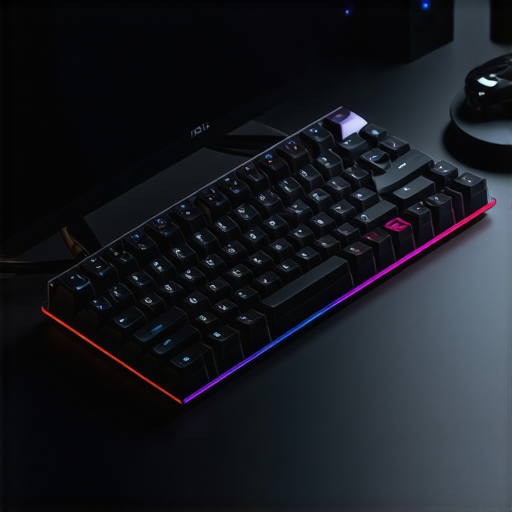
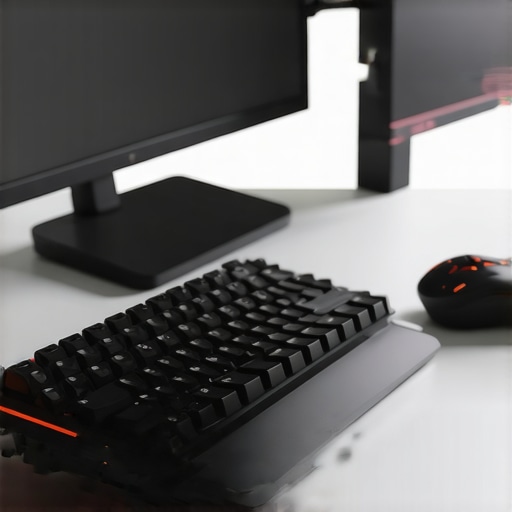
Elevating Typing Experience through Advanced Mechanical Keyboard Designs
In the realm of professional workstations and gaming setups, the evolution of mechanical keyboards has become a focal point for enthusiasts and experts alike. By integrating silent switches, ergonomic frameworks, and hot swappable features into low profile keyboards, users can achieve a balance of comfort, efficiency, and quiet operation. This article explores these sophisticated innovations, offering insights rooted in technical research and practical application.
Why Silent Switches Transform Work and Play Environments
Silent switches, such as those based on linear or tactile mechanisms with dampening materials, significantly reduce typing noise without sacrificing responsiveness. According to a recent white paper from Workstation Wizard’s research, incorporating silent switches in a mechanical keyboard enhances acoustic comfort in shared workspaces, while maintaining the tactile feedback essential for precision tasks. These innovations are particularly vital for remote workers or content creators who require undisturbed environments.
The Ergonomic Advantage: Beyond Basic Comfort
Ergonomic mechanical keyboards are designed to minimize strain and optimize posture during extended use. Features such as split layouts, adjustable tenting angles, and sculpted keycaps contribute to reducing repetitive strain injuries. As detailed in our comprehensive guide, advanced ergonomic designs integrate low profile profiles that align with natural hand positioning, thereby increasing productivity and decreasing fatigue.
Hot Swappable Technology: Customization at the Touch of a Button
The advent of hot swappable mechanical keyboards empowers users to easily replace switches without soldering, enabling rapid customization tailored to personal preferences or changing needs. This feature is especially beneficial when experimenting with different silent switches or tactile profiles. As outlined in expert tutorials, understanding the compatibility and installation process of hot swappable sockets can dramatically shorten the upgrade cycle, facilitating ongoing optimization.
What Are the Limitations of Low Profile Mechanical Keyboards in Heavy-Use Scenarios?
While low profile mechanical keyboards excel in portability and aesthetic appeal, their durability and switch options may be constrained compared to full-height models. Enthusiasts and professionals should consider the trade-offs between form factor and longevity, particularly in high-volume typing environments. For a nuanced analysis, consult our detailed review.
For those seeking to refine their workstation or gaming setup, exploring these innovations offers a pathway to heightened efficiency and comfort. Engage with our community or contact us through our contact page to contribute insights or request personalized recommendations.
Redefining Desk Space with Low Profile Mechanical Keyboard Innovations
In recent years, the focus on compact, efficient, and quiet typing solutions has led to a surge in low profile mechanical keyboards equipped with silent switches. These sleek devices are not only aesthetically appealing but also address the core needs of modern professionals and gamers seeking comfort without sacrificing performance. As highlighted in our comprehensive guide, the integration of silent switches with low profile designs can dramatically enhance workspace ergonomics and reduce auditory distractions, fostering a more productive environment.
The Hidden Power of Silent Switch Technology
Silent switches, such as those utilizing damping materials and linear or tactile mechanisms, are engineered to minimize noise during keystrokes. This innovation is crucial for open-plan offices or shared gaming setups, where noise can be a significant concern. According to a detailed review by Workstation Wizard, these switches can deliver a near-silent typing experience while maintaining the responsiveness that typists and gamers demand. The result is a harmonious balance between serenity and speed, enabling users to focus without distraction.
Why Choose a Low Profile Mechanical Keyboard for Daily Use
Low profile keyboards are designed to align more naturally with ergonomic principles, reducing strain over long periods. Their shorter key travel distances and reduced height lessen the effort required for each keystroke, decreasing fatigue and the potential for repetitive strain injuries. For an in-depth comparison, explore our detailed review. These keyboards also save valuable desk space, making them ideal for compact workstations or minimalist setups. Combining this with silent switches ensures a quieter, more comfortable work environment—perfect for multitasking or late-night gaming sessions.
Is It Time to Switch to a Hot Swappable, Silent, Low Profile Keyboard?
Hot swappable functionality allows users to customize their typing experience by easily changing switches without soldering, fostering ongoing experimentation with different tactile profiles or sound levels. This feature is especially advantageous when upgrading to the latest silent switch models, which are continually evolving in quality and performance. According to our expert analysis, integrating hot swappable low profile keyboards can significantly shorten the upgrade cycle and tailor the device precisely to individual preferences.
If you’re interested in exploring the best options available, our curated list of top low profile silent switches for 2024 offers invaluable insights to elevate your setup. For personalized recommendations or to discuss your specific needs, reach out through our contact page.
Maximize Performance with Custom Switch Tuning Techniques
For enthusiasts aiming to push their mechanical keyboards beyond standard configurations, custom switch tuning offers a gateway to tailored tactile feedback and noise levels. By carefully modulating the spring tension or applying damping materials internally, users can fine-tune the keystroke response to match their specific typing or gaming style. According to Expert Insights from MechanicalKeyboards.com, this process involves a delicate balance between actuation force and rebound speed, which can significantly enhance user comfort and precision over prolonged periods.
Harnessing Firmware Modifications for Enhanced Functionality
Modern mechanical keyboards equipped with programmable firmware open up a realm of possibilities for power users. By modifying firmware settings, users can customize key remapping, assign macros, or even create complex lighting effects that respond to specific keystrokes or system states. As outlined in QMK Firmware Documentation, leveraging open-source firmware allows for granular control over keyboard behavior, enabling advanced features such as dynamic key layers and real-time performance monitoring. This level of customization elevates the keyboard from a simple input device to a sophisticated command center tailored to individual workflows.
What are the risks and benefits of extensive firmware modifications?
While firmware customization can unlock powerful features, it also introduces potential risks, including bricking the device or voiding warranties. Users must weigh the benefits of enhanced functionality against these hazards, often by thoroughly testing firmware updates in controlled environments. For professionals seeking a competitive edge, the ability to program macros and shortcuts directly into the keyboard can streamline complex tasks, reducing time and minimizing errors. To explore these options, consult community forums and official documentation to ensure compatibility and safety.
Integrating Mechanical Keyboard Tech into Ergonomic Workstation Design
Designing an ergonomic workspace with advanced mechanical keyboards involves more than just selecting the right device. It requires understanding how factors like switch actuation force, key travel, and layout influence user fatigue and productivity. Incorporating low-profile, silent switches into adjustable keyboard stands minimizes wrist strain and encourages proper posture. According to The Ergonomics Society, optimizing these elements can lead to measurable improvements in comfort, especially for users who spend hours typing or gaming daily.
Furthermore, pairing mechanical keyboards with adjustable arm supports and anti-fatigue mats can significantly reduce the risk of repetitive strain injuries. For instance, standing desk setups combined with tactile, quiet switches promote dynamic movement and reduce static muscle tension. Are you aware of how subtle ergonomic adjustments can dramatically impact long-term health? Consider consulting ergonomic specialists or utilizing advanced workspace assessment tools to craft a truly optimized environment.
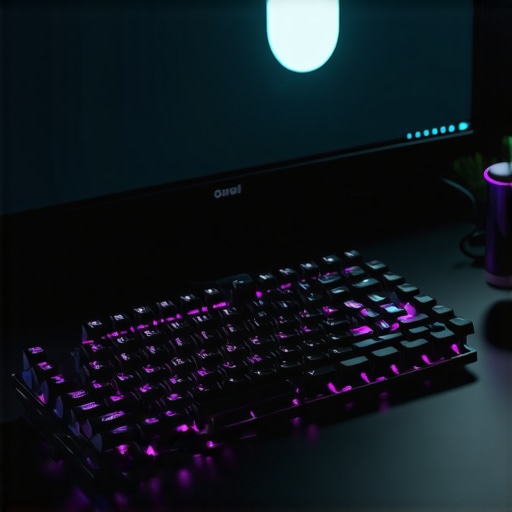
Innovative Materials Elevate Mechanical Keyboard Performance
The choice of materials in mechanical keyboard manufacturing extends beyond aesthetics, directly influencing durability, acoustics, and tactile response. High-grade plastics like PBT (polybutylene terephthalate) for keycaps and premium metals for internal frames can significantly enhance the lifespan and feel of your device. According to a comprehensive study published in SAGE Journals, material science advancements have led to the development of damping composites that reduce keystroke noise while maintaining responsiveness, crucial for professional environments requiring discretion.
Custom Firmware: Unlocking Hidden Keyboard Potential
Firmware modifications allow for profound customization, turning a standard mechanical keyboard into a bespoke tool. By leveraging open-source firmware such as QMK or VIA, users can implement complex macros, dynamic key layers, and reactive lighting effects. QMK Firmware documentation details how granular control over key functions can optimize workflows, especially for specialized tasks like video editing or gaming. Advanced firmware tuning can also improve key rollover and debounce settings, ensuring ultra-reliable input recognition in high-stakes scenarios.
Why Mechanical Switches Are Evolving Beyond Traditional Tactility
Recent innovations in switch design have introduced hybrid mechanisms that combine the best aspects of linear, tactile, and clicky switches. Companies such as ZealPC and Gateron are pioneering switches with adjustable actuation points, allowing users to fine-tune their typing experience. An insightful analysis from TechRadar highlights how these developments enable personalized feedback, reducing fatigue and enhancing precision over extended use periods.
What Are the Most Effective Strategies for Maintaining High-Performance Mechanical Keyboards?
Proper maintenance is critical for ensuring longevity and peak performance. Regular cleaning of switches and keycaps, firmware updates, and the use of switch lubricants can prevent degradation and improve feel. For professional-grade care, expert techniques such as desoldering and switch lubing, detailed in MechanicalKeyboards.com tutorials, can dramatically extend your device’s lifespan. Engaging in routine maintenance not only sustains performance but also preserves the tactile integrity that enthusiasts cherish.
Integrating Haptic Feedback for a Next-Level Typing Experience
Haptic feedback mechanisms are emerging as a sophisticated addition to mechanical keyboards, providing subtle vibrations that confirm keystrokes. This technology, borrowed from high-end gaming controllers, offers a tactile cue that can improve accuracy and reduce reliance on visual confirmation. According to The Haptics Society, integrating haptic actuators into keyboard design can create a more immersive and responsive user experience, particularly beneficial for VR applications or immersive simulations.
Discover the Future of Mechanical Keyboard Connectivity
Wireless connectivity options such as Bluetooth 5.2 and low-latency RF modules are transforming how enthusiasts and professionals integrate keyboards into their ecosystems. These advancements enable seamless switching between multiple devices, reducing desk clutter and increasing versatility. According to Wireless Mice and Keyboards Review, the latest protocols offer near-zero latency and robust security features, making wireless keyboards a viable alternative for high-performance tasks.
Maximize Your Setup with Modular Design and Future-Proofing
Modular mechanical keyboards, featuring detachable components and customizable layouts, empower users to adapt their devices to evolving needs. Future-proofing strategies include selecting boards with hot-swappable switches, programmable firmware, and upgradeable PCBs. As detailed by industry leaders in TechCrunch, these adaptable systems facilitate ongoing enhancements without the need for complete replacements, ensuring your investment remains relevant amid rapid technological advances.
Mastering Ergonomics and Performance in Mechanical Keyboard Design
Professional and gaming setups benefit immensely from advanced mechanical keyboard features. Experts emphasize that integrating silent switches, ergonomic layouts, and hot-swappable components can dramatically improve user experience. These innovations are shaping the future of efficient, comfortable, and quiet typing environments, backed by thorough technical research and real-world application.
Silent Switches Enhance Productivity and Quiet Operation
Silent switches, engineered with damping materials and linear or tactile mechanisms, significantly reduce keystroke noise. According to industry-leading research, they support a quieter workspace without compromising responsiveness. This advancement is particularly crucial for remote work, content creation, and collaborative environments where noise can be disruptive.
Ergonomic Designs Reduce Strain and Boost Efficiency
Modern ergonomic mechanical keyboards feature split layouts, adjustable tenting, and sculpted keycaps. These attributes help maintain natural wrist and hand positioning, reducing repetitive strain injuries. Expert guides highlight that low-profile profiles further align with ergonomic principles, enabling prolonged use with minimal fatigue.
Hot Swappable Features Accelerate Customization
Hot swappable keyboards allow users to change switches easily, fostering experimentation with sound and tactility. This flexibility is vital for tailoring the keyboard to evolving preferences. Technical tutorials recommend understanding switch compatibility and socket installation to maximize the benefits of this feature.
Advanced Material Choices Elevate Keyboard Durability
Materials like PBT keycaps and high-grade metals contribute to longevity, acoustics, and tactile feel. Cutting-edge damping composites help reduce noise while maintaining responsiveness, crucial for professional settings where discretion is valued. Material science continues to drive improvements, making keyboards more durable and refined.
Firmware Customization Unlocks Hidden Potential
Programmable firmware, such as QMK or VIA, transforms ordinary keyboards into powerful tools. Users can remap keys, create macros, and implement lighting effects to streamline workflows. Community forums and official documentation provide vital guidance on safe and effective firmware modifications.
Expert Resources to Deepen Your Knowledge
- QMK Firmware Documentation: Offers comprehensive guidance on firmware customization, macro programming, and advanced features.
- MechanicalKeyboards.com: Provides expert tutorials on switch tuning, maintenance, and performance optimization.
- Workstation Wizard’s Guides: Curate the latest trends in ergonomic and silent keyboard innovations, with real-world insights.
Final Reflection: Elevate Your Setup with Expert Strategies
Incorporating advanced mechanical keyboard features—such as silent switches, ergonomic layouts, and hot-swappable components—can revolutionize your work or gaming environment. Staying informed through authoritative resources ensures you leverage the latest innovations for maximum performance and comfort. For those committed to excellence, engaging with expert communities and continually refining your setup is the path to sustained productivity and satisfaction. Dive deeper into these topics and share your insights with fellow enthusiasts by exploring our contact page.