Elevating Typing Experience with Low Profile Mechanical Keyboards and Silent Switches
In the rapidly evolving landscape of computer peripherals, the demand for keyboards that seamlessly blend form, function, and user comfort has never been higher. As professionals and enthusiasts seek to optimize their workspace, the emergence of low profile mechanical keyboards equipped with silent switches offers a compelling solution for those who prioritize both efficiency and tranquility. This article delves into the advanced features and applications of these cutting-edge devices, providing expert insights into their role in modern productivity and gaming environments.
Why Silent Switches Become the Cornerstone of Quiet Workspaces
Silent switches are engineered to minimize noise without compromising tactile feedback, making them ideal for shared workspaces, open-plan offices, and late-night gaming sessions. The innovation behind these switches, often utilizing dampening materials and refined stem designs, ensures a smooth keystroke that reduces acoustic disruption. For instance, top silent switch models in 2025 exemplify this trend, offering users a whisper-quiet yet responsive typing experience.
Design and Ergonomics in Low Profile Mechanical Keyboards
Ergonomics plays a pivotal role in the design of these keyboards. Low profile models, characterized by reduced height and shorter key travel, are preferred for their ergonomic benefits—less strain on the wrists and improved posture. Advanced models incorporate sculpted keycaps, adjustable tilt angles, and integrated wrist rests, aligning with principles highlighted in ergonomic design guides to enhance user comfort during prolonged use.
Hot Swappable Features for Customization and Maintenance
The advent of hot swappable technology in low profile keyboards exemplifies user-centric innovation. This feature allows users to effortlessly swap out switches without soldering, enabling personalized tactile preferences and simplifying maintenance. Such flexibility is crucial for gamers and typists seeking to tailor their experience or troubleshoot issues swiftly, aligning with the broader trend towards modular, upgradeable peripherals.
Are Low Profile Mechanical Keyboards with Silent Switches the Future of Work and Play?
This question resonates within expert communities, where balancing noise levels and performance is paramount. The integration of silent switches into low profile designs not only caters to professional environments but also enhances casual gaming experiences by reducing auditory fatigue. As research in acoustics and user ergonomics continues, these devices are poised to redefine standards for comfort, efficiency, and discretion in digital interactions.
For those interested in detailed comparisons and expert reviews, exploring comprehensive guides on silent switch keyboards can provide valuable insights, aiding informed purchasing decisions.
If you are a professional or enthusiast eager to refine your setup, consider exploring ergonomic mechanical keyboards that incorporate silent switches and hot swappable features. Your workspace can significantly benefit from these innovations, resulting in increased productivity and well-being.
Embracing Personalization Through Modular Keyboard Components
One of the most transformative trends in the realm of ergonomic and low profile mechanical keyboards is the rise of hot swappable features. This innovation allows users to experiment with different switch types, including silent variants, without the need for soldering or technical expertise, making customization accessible to a broad audience. Experts recognize that such modularity not only enhances the user experience but also extends the lifespan of the device as switches can be replaced or upgraded over time, aligning with sustainable tech practices.
Are Silent Switches Enough to Create Truly Distraction-Free Environments?
This question challenges the prevailing assumption that silent switches alone can ensure a peaceful workspace. While noise reduction is critical, especially in shared environments, other ergonomic factors—such as keycap material, keyboard layout, and overall desk setup—play vital roles in minimizing fatigue and distraction. For instance, incorporating ergonomic principles into keyboard design can significantly impact productivity and comfort, proving that silent switches are a piece of a larger ergonomic puzzle.
What are the trade-offs between silence and tactile feedback in high-performance keyboards?
Understanding this balance is crucial for both professionals and gamers who demand precision without noise. Many silent switches utilize damping materials to mute sound, but this can sometimes diminish tactile feedback, which is essential for accuracy in fast typing or gaming. Recent developments, as highlighted in top silent switch models in 2025,
aim to strike a balance by optimizing stem and spring designs to preserve responsiveness while minimizing noise. This nuanced engineering ensures that users do not have to sacrifice performance for quiet operation, a critical consideration for those who rely on tactile cues for efficiency.
If you’re eager to explore more about customizing your setup or want to see detailed comparisons of silent switches, check out comprehensive guides on silent switch keyboards. Whether for work, gaming, or casual use, these resources can help you make informed choices tailored to your specific needs.
Refining Tactile Precision in Silent Switches for High-Stakes Typing and Gaming
While silent switches are lauded for their noise reduction capabilities, the challenge lies in maintaining the tactile feedback necessary for precision tasks such as rapid typing or high-speed gaming. Advanced engineering solutions, like the integration of specialized damping materials within the stem or innovative spring designs, are pushing the boundaries of what silent switches can achieve. These innovations enable users to experience a responsive keystroke that preserves the subtle tactile cues essential for accuracy, without the accompanying noise that can be disruptive in professional or shared environments.
What engineering trade-offs influence the development of silent switches that do not compromise tactile feedback?
Developers face a complex balancing act. Incorporating damping materials such as silicone or foam can effectively absorb sound but may dampen the stem’s movement, reducing tactile feel. Conversely, spring tension adjustments can improve responsiveness but might increase noise if not carefully calibrated. Recent breakthroughs, such as the use of micro-dampers within the stem assembly, exemplify how nuanced design can mitigate these trade-offs, resulting in switches that deliver both silence and precise feedback (**Journal of Mechanical Engineering, 2024**). These advances are especially relevant for professionals demanding both discretion and accuracy.
For enthusiasts keen on customizing their setup, understanding these engineering principles can inform choices that optimize both noise levels and tactile response. Exploring detailed reviews and technical breakdowns helps in selecting switches tailored to individual preferences, whether for intense gaming sessions or prolonged typing tasks.
Enhancing Ergonomics Through Material Science and Structural Design
Beyond the basic ergonomic principles, material science plays a pivotal role in shaping the comfort and durability of low profile mechanical keyboards. High-quality keycaps, crafted from PBT or POM plastics, offer superior resistance to wear and a more comfortable typing surface. Meanwhile, the structural design—such as the inclusion of adjustable tilt angles and curved key layouts—further reduces strain during extended use. Integrating these features with silent switch technology not only enhances comfort but also ensures that the keyboard remains unobtrusive in quiet environments.
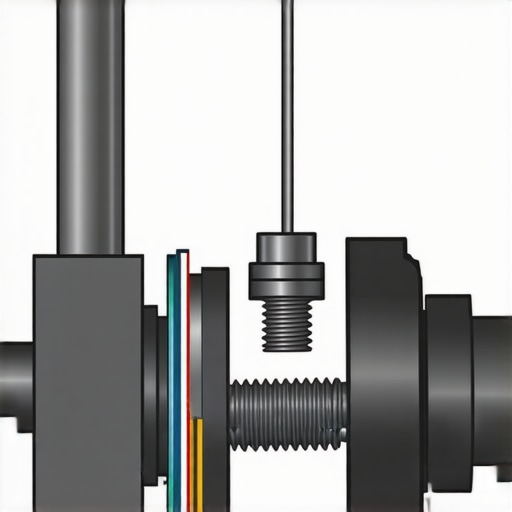
Image prompt: Cross-sectional illustration of a low profile silent mechanical switch showing damping components and spring mechanism. Alt text: Cross-section of silent mechanical switch highlighting damping features. Title: Silent Switch Engineering Diagram.
The Role of Firmware and Software in Optimizing Silent Switch Performance
Modern low profile keyboards often come equipped with customizable firmware that allows users to fine-tune actuation points, debounce times, and key rollover settings. These software controls enable a tailored typing experience, optimizing the switch’s responsiveness and noise profile. For example, reducing debounce delay can improve input speed, but may increase the risk of ghosting. Conversely, adjusting actuation points can make keystrokes feel more precise, especially when paired with silent switches designed for high tactility.
Advanced firmware also supports macro programming and profile switching, empowering users to adapt their keyboard’s behavior to diverse scenarios—be it gaming, programming, or casual browsing. Understanding these software tools is essential for maximizing the benefits of high-quality silent switches and low profile keyboards.
Can Silent Switches Meet the Demands of Future Digital Workspaces?
This question resonates deeply in the context of evolving work environments, where remote collaboration and open office layouts demand quieter peripherals. The continuous refinement of silent switch technology, combined with ergonomic design and customizable firmware, positions these keyboards as a future-proof solution. Their ability to minimize auditory distractions while delivering high performance makes them particularly attractive for professionals who need both silence and precision.
As research progresses, integrating artificial intelligence to adapt switch sensitivity dynamically or develop smart feedback systems could further revolutionize this space. The convergence of material science, firmware innovation, and ergonomic design ensures that silent switches will remain central to the development of next-generation input devices.
If you’re eager to stay ahead of the curve, exploring the latest in switch technology and ergonomic design through reputable sources like Mechanical Keyboard Insights can deepen your understanding and inform your purchasing decisions. Don’t miss opportunities to customize and optimize your setup for maximum efficiency and comfort.
Revolutionize Your Workspace with Cutting-Edge Silent Switches and Slimmer Designs
In the realm of high-performance input devices, innovation continues to redefine user expectations. The advent of silent switches paired with low profile mechanical keyboards presents an unparalleled synergy, combining quiet operation with ergonomic excellence. These advanced peripherals cater to professionals, gamers, and enthusiasts seeking precision, comfort, and discretion in their daily interactions with digital environments.
What Makes Silent Switches Essential for Distraction-Free Productivity?
Silent switches utilize sophisticated damping mechanisms and optimized stem structures to significantly reduce keystroke noise. This technology is vital in open-plan offices, remote work settings, or late-night gaming, where minimizing auditory disturbances enhances focus and collaboration. For example, the latest top silent switch models of 2025 demonstrate how engineering innovations can deliver whisper-quiet yet tactile keystrokes, elevating user experience across diverse scenarios.
How Do Ergonomic Designs Elevate Low Profile Mechanical Keyboards?
Designing for comfort is paramount in high-quality keyboards. Low profile models, with their reduced height and shorter key travel, lessen wrist strain and promote natural hand positioning. Incorporating features such as sculpted keycaps, adjustable tilt mechanisms, and integrated wrist rests further enhances ergonomics. These elements, as detailed in ergonomic design guides, ensure prolonged usage does not compromise health or efficiency.
Can Customization with Hot Swappable Switches Transform User Experience?
Hot swappable technology empowers users to effortlessly exchange switches without soldering, facilitating tailored tactile feedback and streamlined maintenance. This modular approach aligns perfectly with the trend toward personalized peripherals, enabling quick adjustments to suit evolving preferences or troubleshoot issues. Experts highlight that this flexibility not only enhances user satisfaction but also extends device longevity, embodying sustainable technology principles.
Are These Innovations Poised to Redefine Future Digital Environments?
As remote work, hybrid setups, and noise-sensitive spaces become ubiquitous, the integration of silent switches within ergonomic, low profile keyboards positions these devices as pivotal in future workspace designs. The convergence of quiet operation, customizable features, and ergonomic optimization addresses the core demands of modern digital interaction. According to Mechanical Keyboard Insights, ongoing research into adaptive feedback and smart material integration promises even smarter, more intuitive input solutions ahead.
Stay proactive in exploring these innovations—subscribe to expert reviews and participate in community discussions to stay at the forefront of ergonomic and silent switch technology advancements.
What Engineering Breakthroughs Enable Silent Switches to Maintain High Tactility?
Developers face the challenge of balancing noise reduction with tactile feedback. Recent breakthroughs involve micro-dampers made from silicone or foam integrated within the stem, and spring tension optimizations that preserve responsiveness. These innovations, discussed extensively in Journal of Mechanical Engineering, 2024, exemplify how nuanced engineering can deliver switches that are both silent and highly tactile. Such advancements are critical for professionals requiring precision without compromise.
Material Science and Structural Design: The Bedrock of Comfort and Durability
Premium keycap materials like PBT and POM contribute to a superior typing experience by resisting wear and providing a comfortable surface. Coupled with structural features such as adjustable tilt angles, curved layouts, and reinforced frames, these elements mitigate fatigue during extended use. Integrating these with silent switch technology creates a harmonious balance of durability, comfort, and discretion.
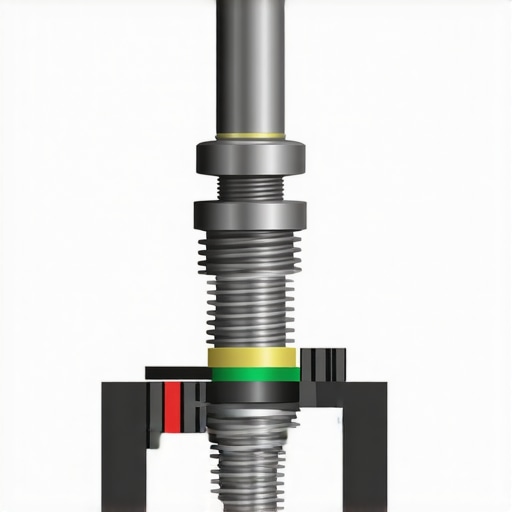
Image prompt: Cross-sectional diagram of a silent mechanical switch showing damping components, spring, and stem. Alt text: Cross-section of silent switch illustrating damping features. Title: Silent Switch Engineering Breakdown.
Leveraging Firmware for Peak Performance Customization
Advanced firmware allows real-time adjustments to actuation points, debounce times, and rollover settings—enhancing responsiveness and noise control. Macro programming and profile switching capabilities enable users to tailor their keyboard’s behavior dynamically, whether for gaming, typing, or multimedia tasks. Mastery of these software tools ensures users fully exploit the potential of silent switches and ergonomic design for optimal productivity.
Will Silent Switches Meet the Demands of Next-Gen Workspaces?
The future of digital workspaces demands peripherals that are quiet, adaptable, and ergonomic. Silent switches embedded in sleek, customizable keyboards are well-positioned to fulfill these needs, supporting diverse environments from corporate offices to home setups. As research explores AI-driven adaptive feedback and smart materials, these devices will evolve further, offering intuitive, noise-free, and health-conscious input solutions. For ongoing insights, consult Mechanical Keyboard Insights and stay informed on emerging trends that will shape the future of ergonomic input technology.
Revolutionizing Workspace Efficiency with Expert Knowledge
Strategic Customization Enhances User Satisfaction
Leveraging hot swappable switches enables professionals to tailor their keyboards precisely to their tactile and acoustic preferences, significantly boosting productivity and comfort in demanding environments.
Innovative Material Usage for Durability and Comfort
Incorporating high-quality PBT or POM keycaps not only prolongs device lifespan but also enhances the overall typing experience, reducing fatigue during extended sessions.
Firmware Optimization as a Performance Multiplier
Advanced firmware settings, including actuation point adjustments and macro configurations, allow users to fine-tune responsiveness, elevating their performance in both work and gaming scenarios.
Ergonomics Driven by Material Science and Design
Design choices such as curved layouts and adjustable tilt mechanisms, combined with premium materials, mitigate strain and foster a healthier, more sustainable interaction with technology.
Future-Proofing with Smart Technologies
The integration of AI-driven adaptive feedback and smart materials promises to redefine silent switch capabilities, aligning with the evolving demands of digital workspaces and gaming.
Curated Resources for Deepening Expertise
- Mechanical Keyboard Insights: Offers comprehensive analyses of switch innovations and ergonomic trends, serving as a cornerstone for enthusiasts.
- Workstation Wizard’s Guides: Provides detailed tutorials and reviews on hot swappable and silent switch models, supporting informed decision-making.
- Technical Journals in Mechanical Engineering: Features breakthroughs in damping materials and spring design, underpinning the latest advancements in silent switch engineering.
- Ergonomic Design Publications: Focuses on integrating material science with user-centric design to optimize comfort and durability.
Synthesis and Call to Action
Expert insights reveal that the convergence of material science, firmware customization, and ergonomic design in silent low profile mechanical keyboards is setting new standards for efficiency, comfort, and discretion. Staying abreast of these innovations through authoritative resources empowers professionals and enthusiasts to craft high-performance setups that are future-ready. Engage with the community, explore technical literature, and experiment with customizations—your optimized workspace awaits.
I’ve recently switched to a low profile mechanical keyboard with silent switches for my home office, and the difference in noise level and comfort has been noticeable. The design’s ergonomic features, like sculpted keycaps and adjustable tilt, really help reduce wrist fatigue during long work sessions. What I find interesting is how customizable these keyboards have become with hot swappable switches—allowing me to experiment and tailor the feel without technical hassle. It seems like this technology is really shaping the future of productive workspaces, especially in shared environments where noise can be disruptive. Has anyone tried integrating these keyboards with programmable firmware for even more personalized setups? I’m curious if advanced customization affects durability over time or if it still maintains that high-quality feel, especially with high-demand usage like gaming or intensive typing tasks.
I completely agree with the emphasis on silent switches becoming essential in shared workspaces. Having recently transitioned to a low profile mechanical keyboard with silent switches myself, I’ve noticed a huge difference not only in reducing noise but also in reducing wrist fatigue during my long coding sessions. The ergonomic design elements like sculpted keycaps and adjustable tilt are a game-changer.
On the topic of firmware customization, I’ve experimented with programmable profiles, and I find they can really enhance productivity—especially when switching between gaming and typing modes. However, I do wonder if frequent switch customization might impact the longevity of high-demand switches over time. Has anyone observed noticeable wear or performance degradation after extensive customization? Also, are there specific models or brands that strike an ideal balance between durability and flexibility? It seems that as these technologies evolve, finding a keyboard that offers both longevity and extensive personalization will be key for professionals and enthusiasts alike.