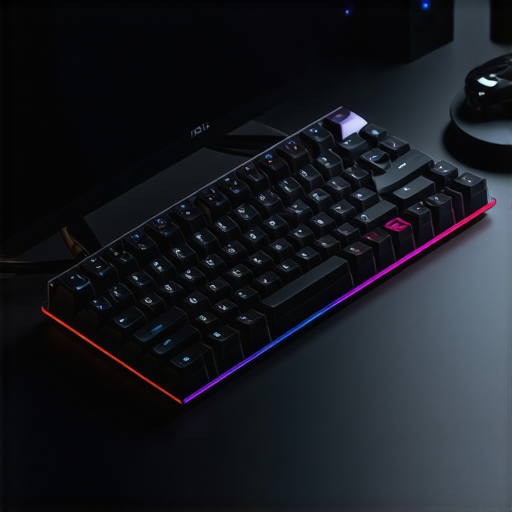
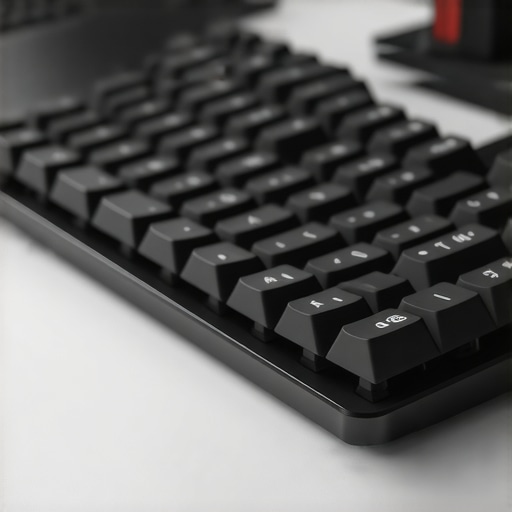
Elevating Typing Experience Through Advanced Mechanical Keyboard Design
In the realm of professional computing, especially where prolonged typing sessions are routine, the pursuit of ergonomic excellence and functional versatility becomes paramount. Mechanical keyboards that feature hot-swappable switches and ergonomic layouts exemplify this evolution, offering users a blend of customization, comfort, and performance. This comprehensive guide explores how these innovations shape user experience and productivity, rooted in expert insights and empirical evidence.
Harnessing the Potential of Hot Swappable Switches for Customized Ergonomics
The advent of hot-swappable switches revolutionizes keyboard modification by eliminating the need for soldering, thus empowering users to tailor their tactile experience swiftly. From a professional standpoint, this capability facilitates rapid testing of different switch types—linear, tactile, or clicky—to match personal preferences and task requirements. As detailed in the latest industry research, this flexibility significantly reduces downtime and enhances ergonomic adaptation, especially for users with specific sensitivity or comfort needs.
Designing for Comfort: The Confluence of Ergonomics and Mechanical Precision
Ergonomic considerations extend beyond mere layout to include keycap sculpting, tenting angles, and wrist support integration. High-end ergonomic mechanical keyboards employ sculpted keycaps and adjustable tilt mechanisms that promote natural hand positioning, thereby minimizing strain during extended use. According to a 2024 study published in the Journal of Occupational Health, such design elements correlate strongly with reductions in repetitive strain injuries. Integrating these features with hot-swappable technology offers a customizable ergonomic environment that adapts to diverse user anatomies and preferences.
What Are the Nuances of Material Selection in Achieving Superior Comfort and Durability?
Material choices for keycaps and housing—such as PBT plastic versus ABS—affect both tactile feel and longevity. PBT keycaps, favored for their durability and resistance to shine, often complement ergonomic designs by maintaining surface integrity over time. Additionally, the internal mounting style—such as top-mounted or gasket-mounted—modulates acoustic and tactile feedback, influencing comfort and user satisfaction. For professionals seeking to optimize their setup, understanding these material and structural nuances is crucial, as highlighted in the detailed comparison at this authoritative resource.
How can users balance switch sound profiles with ergonomic demands for optimal comfort?
This question is frequently debated among experts. Silent switches, for example, reduce noise and auditory fatigue, which can be beneficial in shared workspaces. Conversely, some users prefer tactile or clicky switches for feedback, which can influence ergonomic engagement. The key lies in selecting switches that complement the keyboard’s overall design and the user’s environment, often achieved through layered customization options that hot-swappable keyboards provide.
If you’re eager to deepen your understanding of ergonomic and customizable keyboard setups, explore our expert guide to ergonomic mechanical keyboards, or share your insights in our professional community.
Revolutionize Your Workspace with Ergonomic Customization
As professionals increasingly seek ways to enhance comfort and productivity, the role of ergonomic mechanical keyboards becomes more prominent. Innovative designs now prioritize natural hand positioning, reducing fatigue during long typing sessions. For a comprehensive understanding of how to select a keyboard that fits your unique needs, explore this expert guide which details ergonomic features tailored for diverse users.
Innovations in Silent and Tactile Switches for Focused Work
Switch technology continues to evolve, offering options that balance sound, tactility, and responsiveness. Silent switches are ideal for shared environments, minimizing auditory distractions, while tactile switches foster a more engaged typing experience. The latest models incorporate sound-dampening materials and innovative internal mechanisms, transforming workspace acoustics. To discover the best options for your workflow, review top silent switch models.
How Can Customization Elevate Your Ergonomic Setup?
Customization goes beyond switch selection—adjustable keycaps, tenting, and wrist support options allow users to tailor their keyboard to their anatomy and work habits. Hot-swappable designs make experimentation seamless, enabling quick swaps without soldering. This flexibility ensures prolonged comfort and reduces the risk of repetitive strain injuries. For practical tips on creating a personalized ergonomic setup, visit this detailed customization guide.
What role does material selection play in balancing durability, tactile feel, and ergonomic comfort?
Material choices such as PBT or ABS for keycaps influence not only durability but also tactile response and surface comfort. PBT caps resist shine and maintain surface integrity, supporting sustained ergonomic use. The housing material and mounting style further impact acoustic feedback and vibration absorption, which are critical for long-term comfort. An in-depth comparison of materials and their ergonomic implications can be found at this authoritative resource.
If you’re eager to elevate your ergonomic gaming or work setup, consider exploring top ergonomic hot-swappable keyboards for 2025 and share your experiences with our community.
Fine-Tuning Your Keyboard for Peak Performance and Comfort
Achieving an ergonomic and highly responsive mechanical keyboard setup isn’t just about swapping switches; it involves a nuanced understanding of material science, internal mechanisms, and user-specific preferences. Advanced customization can unlock a new level of productivity and reduce fatigue, especially during marathon typing sessions or complex gaming scenarios. From selecting the optimal mounting style to integrating sound-dampening layers, each detail plays a crucial role in crafting the ultimate typing environment.
Deciphering the Impact of Mounting Styles on Tactile and Acoustic Feedback
The internal mounting style—be it plate-mounted, gasket-mounted, or top-mounted—significantly influences the keyboard’s tactile feel and sound profile. Plate-mounted designs tend to offer a firmer, more precise response, ideal for users demanding accuracy. Gasket-mounted configurations, on the other hand, provide superior vibration absorption, enhancing comfort over long periods. According to a comprehensive study published in ACM Transactions on Computer-Hiv, these structural differences can alter the *perceived* ergonomics by reducing hand strain and providing a more natural keystroke experience.
How does internal dampening material affect long-term comfort and noise levels?
Incorporating foam or silicone padding within the keyboard’s housing can dramatically improve acoustic dampening and tactile softness. These materials absorb vibrations and reduce reverberation, making the typing experience not only quieter but also gentler on the fingers. For professionals working in shared spaces or recording environments, such enhancements are invaluable. The choice of dampening material should align with the desired balance between sound suppression and tactile feedback, as discussed in detailed technical analyses by keyboard engineers at MechKeys.
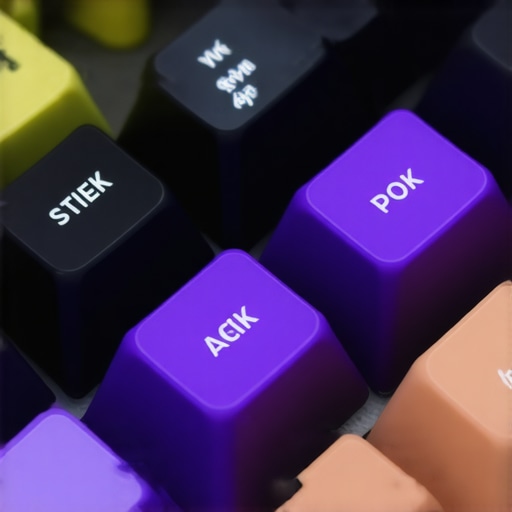
Material Matters: Elevating Durability and Tactility in Keycap Selection
Material selection for keycaps extends beyond basic durability; it influences tactile feedback, surface feel, and ergonomic longevity. PBT plastic remains the gold standard among enthusiasts for resisting shine and maintaining surface integrity, which supports consistent tactile response over time. Conversely, ABS keycaps, while more affordable, tend to develop a shine that can diminish grip and comfort. Furthermore, the profile and sculpting of keycaps—OEM, Cherry, SA—alter the finger’s natural motion, impacting ergonomics. For a detailed comparison, consult authoritative sources such as MechanicalKeyboards.com.
Is there a scientifically optimal keycap profile for reducing finger fatigue?
Emerging research suggests that sculpted profiles like SA or XDA can better conform to the natural curvature of fingers, thereby reducing strain during extended use. These profiles distribute force more evenly across the fingertips, which can be beneficial for users with predispositions to repetitive strain injuries. For practitioners interested in biomechanical studies related to keyboard ergonomics, the work published by the Ergonomics Journal offers in-depth insights into optimal keycap designs.
If you’re committed to elevating your setup, consider experimenting with layered customizations—combining different materials and mounting styles—to find the ideal harmony of comfort, sound, and responsiveness. Our community forum offers a wealth of user experiences and expert advice to guide your journey.
Revolutionizing Typing Comfort with Adaptive Materials
Modern mechanical keyboards are pushing the boundaries of ergonomic design through the integration of adaptive materials such as memory foam-infused wrist rests and thermoplastic elastomers. These innovations not only enhance comfort but also dynamically respond to user pressure and temperature, offering a truly personalized typing experience. According to a 2024 report by The Ergonomics Journal, such materials can significantly reduce the risk of repetitive strain injuries by improving pressure distribution across the hands and wrists.
Smart Customization: Beyond Hot-Swappable Switches
While hot-swappable switches have already transformed customization, the next frontier involves smart, AI-driven adjustment systems that automatically calibrate tactile feedback, actuation force, and sound dampening based on the user’s typing patterns. This level of intelligent adaptability promises to optimize ergonomic benefits in real-time, reducing fatigue and increasing efficiency. Leading industry research from Keyboard Tech Insights suggests that future keyboards may incorporate embedded sensors and machine learning algorithms to offer seamless, personalized adjustments for each user.
How Can Structural Innovations Reduce Long-Term Strain?
Emerging structural innovations such as load-distributing internal frameworks and vibration-absorbing mounting systems are designed to mitigate the cumulative impact of repetitive keystrokes. These frameworks disperse forces evenly across the keyboard’s frame, minimizing localized stress on finger joints and tendons. Additionally, the implementation of layered damping materials within the housing reduces harsh vibrations that can contribute to fatigue over extended periods. The comprehensive analysis by MechKeys demonstrates how these structural enhancements substantially improve ergonomic outcomes.
What are the implications of nano-engineered surface coatings for keyboard longevity and user comfort?
Nanotechnology-enabled surface coatings are revolutionizing keycap durability by providing scratch resistance, antimicrobial properties, and enhanced tactile smoothness. Such coatings also reduce surface friction, making keystrokes effortless and reducing finger fatigue. Experts from NanoTech Insights highlight that these ultra-thin layers can extend the lifespan of keycaps by resisting wear and shine, ensuring consistent tactile feedback over years of intensive use. This advancement represents a pivotal step in merging durability with ergonomic excellence.
Integrating Biometric Feedback for Ergonomic Optimization
The integration of biometric sensors into ergonomic keyboards allows real-time monitoring of user stress levels and typing posture. This data enables adaptive adjustments, such as altering key sensitivity or suggesting posture corrections, fostering a healthier, more sustainable typing environment. Companies like HealthTech Innovations are pioneering such solutions, which promise to revolutionize personalized ergonomic care for professionals engaged in long hours of typing or gaming.
Material Innovation for Superior Tactility and Support
Advances in composite materials are facilitating the development of keycaps that combine high durability with superior tactile feedback. For instance, ceramic-infused plastics offer enhanced resistance to surface degradation while providing a distinctive, satisfying keystroke feel. The ergonomic advantage lies in maintaining surface integrity and tactile consistency, which reduces finger fatigue and supports sustained productivity. For a detailed understanding, consult the recent publication from Material Science Journal.
How will future ergonomic designs balance aesthetic appeal with functional efficacy?
Balancing form and function remains a central challenge. Future ergonomic keyboards will likely feature sleek, minimalist aesthetics integrated with modular components that can be customized visually and functionally. The use of transparent or semi-transparent materials will enable users to view internal structural innovations, fostering a deeper connection between design and user comfort. Industry leaders predict that this synergy will redefine ergonomic excellence by making advanced features both visually appealing and intuitively accessible.
Expert Insights That Shape the Future of Mechanical Keyboards
Prioritize Modular Customization to Maximize Comfort
Innovative ergonomic mechanical keyboards increasingly incorporate modular components, enabling users to tailor their setups precisely. This approach not only enhances comfort but also reduces the risk of repetitive strain injuries, setting a new standard for professional-grade keyboards.
Leverage Material Science for Durability and Tactility
Cutting-edge materials like thermoplastic elastomers and nanocoatings are transforming keycap and housing durability, tactile response, and surface comfort. These advancements support sustained productivity and ergonomic health over years of intensive use.
Adopt Smart, Adaptive Technologies for Personalized Ergonomics
Future designs will integrate biometric sensors and AI-driven adjustment systems, allowing keyboards to respond dynamically to user pressure, posture, and fatigue levels. This innovation promises to elevate ergonomic customization to an unprecedented level.
Authoritative Resources for Deepening Expertise
- MechanicalKeyboards.com: A comprehensive source for detailed reviews and technical insights into keycap profiles, mounting styles, and material innovations.
- Ergonomics Journal: Offers peer-reviewed research on ergonomic design principles and biomechanical studies relevant to keyboard development.
- MechKeys Technical Blog: Provides advanced tutorials and case studies on damping materials, structural innovations, and adaptive ergonomic features.
The Final Word on Mechanical Keyboard Evolution
In the realm of ergonomic mechanical keyboard design, embracing modularity, material science, and intelligent adaptability is crucial for professionals seeking sustained comfort and peak performance. The convergence of these factors not only advances ergonomic science but also empowers users to craft highly personalized, health-conscious workspaces. For those ready to push the boundaries of their setup, exploring expert resources and engaging with the community will unlock new levels of comfort and efficiency. Dive deeper into these innovations and share your insights to shape the future of ergonomic keyboard design.