Revolutionizing Workspace Ergonomics with Advanced Mechanical Keyboard Design
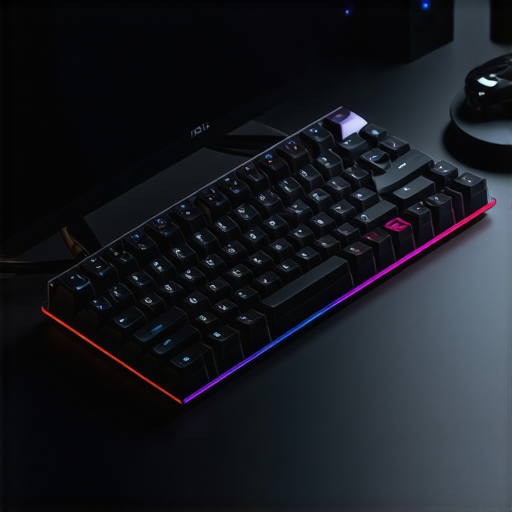
In the pursuit of optimizing user comfort and maximizing productivity, the realm of mechanical keyboard design has undergone significant evolution. Experts recognize that the amalgamation of ergonomic principles with cutting-edge mechanical switch technology results in devices that not only reduce strain but also elevate typing efficiency. This article explores the nuanced aspects of ergonomic mechanical keyboard designs that are setting new standards in professional and enthusiast communities.
Design Paradigms that Prioritize Human-Centric Typing Experience
Contemporary ergonomic keyboards integrate features such as split layouts, tenting, and adjustable tilt mechanisms. These innovations are rooted in ergonomic research that emphasizes natural hand positioning and minimization of repetitive strain injuries. When evaluating ergonomic mechanical keyboards, understanding the biomechanical implications of key placement and keyboard curvature becomes essential for selecting the optimal device tailored to individual anthropometrics.
The Intersection of Mechanical Switches and Ergonomic Design
Mechanical switches like Cherry MX, Gateron, and novel silent variants contribute significantly to reducing typing fatigue. The tactile feedback and actuation force influence user comfort profoundly. A nuanced approach involves customizing switch types based on work environment and user preference, as detailed in silent switch innovations. Additionally, low-profile switches, when paired with ergonomic layouts, facilitate a more natural wrist position, further decreasing strain during prolonged use.
How Do Ergonomic Designs Impact Long-Term Typing Health?
Extensive studies, such as those published in occupational health journals, indicate that well-designed ergonomic keyboards can significantly mitigate the risks of carpal tunnel syndrome and tendinitis. The adoption of curved, split, or tented designs aligns with the natural resting position of the hands and wrists, promoting blood circulation and reducing muscular fatigue. These design considerations are especially crucial for professionals engaged in extensive data entry or creative coding tasks, where repetitive movements are prevalent.
What are the latest technological advancements that make ergonomic mechanical keyboards more accessible for remote professionals?
Emerging modularity features such as hot-swappable switches and customizable key layouts enable users to tailor their ergonomic setup without extensive technical know-how. For example, hot-swappable keyboard designs are particularly popular among remote workers seeking personalized comfort solutions. These innovations, combined with wireless connectivity and durable build materials, are democratizing access to professional-grade ergonomic keyboards.
For those committed to advancing ergonomic standards in their workspace, engaging with expert communities and contributing insights can accelerate innovation. Explore further at our contact page to connect with industry leaders and share your experiences.
Breaking Down the Future of Ergonomic Mechanical Keyboards
As the demand for healthier and more efficient typing experiences grows, manufacturers are pushing the boundaries of ergonomic mechanical keyboard design. Innovations such as adjustable split modules, adaptive tenting angles, and dynamic key positioning are transforming how professionals interact with their workspace. These advancements are rooted in cutting-edge research that emphasizes user comfort, productivity, and long-term health benefits.
How Do Customizable Features Elevate Ergonomic Performance?
Customization plays a pivotal role in tailoring ergonomic keyboards to individual needs. Features like hot-swappable switches, adjustable wrist rests, and programmable key layouts empower users to optimize their setup. For example, hot-swappable designs allow effortless switch replacement, enabling quick adaptation to different switch types or troubleshooting without technical expertise. This flexibility ensures that users can maintain optimal comfort during extended sessions, reducing fatigue and the risk of repetitive strain injuries.
Could Modular Designs Be the Game Changer in Ergonomic Efficiency?
Modular ergonomic keyboards, which permit reconfiguration of key modules and layout, are gaining traction among professionals seeking personalized solutions. These designs facilitate a natural hand posture and reduce unnecessary movement, which is essential for those engaged in intensive typing tasks. Moreover, integrating wireless connectivity with modular setups enhances workspace flexibility, reducing clutter and promoting a cleaner, more organized environment. For insights on selecting the best ergonomic setup, consult our ergonomic mechanical keyboard buying guide.
Additionally, emerging materials like memory foam wrist rests and antimicrobial finishes are contributing to healthier, more comfortable workspaces. Experts agree that combining these ergonomic features with high-quality mechanical switches, such as silent or tactile variants, can significantly improve user experience. For an overview of the top models incorporating these innovations, visit top ergonomic mechanical keyboards.
If you’re eager to upgrade your setup and explore advanced ergonomic solutions, consider reaching out to specialists who can tailor a solution for your unique workspace. Visit our contact page to connect with ergonomic experts and share your needs.
Empowering Customization: The Next Frontier in Ergonomic Keyboard Innovation
In the ever-evolving landscape of ergonomic keyboard design, modularity has emerged as a revolutionary concept that marries flexibility with personalized comfort. Unlike traditional fixed-layout keyboards, modular designs allow users to reconfigure key matrices, tenting angles, and even split sections to match their unique anthropometric needs. This approach not only enhances comfort but also paves the way for dynamic adjustments as users adapt to different tasks or physical changes over time.
Why Modular Components Are Transforming Workstation Ergonomics
Imagine a workspace where your keyboard can be tailored precisely to your hand size, typing style, and workflow. Modular keyboards facilitate this by offering interchangeable parts—such as detachable wrist rests, adjustable tenting modules, or reprogrammable key clusters. These components can be swapped in minutes, empowering users to experiment and optimize their setup without investing in an entirely new device. According to the Ergonomics Society, personalized ergonomic adjustments significantly reduce strain and improve productivity, underscoring the importance of adaptable hardware.
How Do Modular Designs Enhance Long-Term Ergonomic Benefits?
Long-term ergonomic health hinges on the ability to maintain a neutral, comfortable hand position during prolonged use. Modular keyboards facilitate this by enabling real-time adjustments—such as changing the angle of tenting or repositioning key clusters—without the need for extensive technical modifications. This dynamic adaptability reduces muscular fatigue and prevents repetitive strain injuries, crucial for professionals engaged in intensive typing or gaming sessions. Moreover, modularity supports ergonomic evolution; as individuals develop new comfort preferences or experience changes in their physical health, their keyboard can evolve accordingly.
Are Wireless and Smart Modular Features Making Ergonomic Keyboards More Accessible?
Yes, the integration of wireless connectivity and smart customization is democratizing access to high-end ergonomic solutions. Modern modular keyboards often feature Bluetooth or Wi-Fi interfaces, enabling seamless connection with multiple devices and reducing cable clutter. Additionally, some models incorporate software that allows users to create and save personalized profiles, adjusting key mappings, lighting, and tenting angles at the touch of a button. This confluence of hardware flexibility and intelligent software simplifies ergonomic optimization, especially for remote or mobile workers seeking portable yet customizable solutions.
For enthusiasts keen on exploring these innovations, engaging with dedicated ergonomic communities and manufacturers’ forums can provide valuable insights and early access to emerging technologies. Consider visiting our contact page to connect with experts who can help design your ideal ergonomic setup.
Charting the Future of Ergonomic Mechanical Keyboards with Adaptive Technologies
Looking ahead, the convergence of modularity, smart technology, and advanced materials promises a new era of ergonomic excellence. Adaptive materials such as memory foam inserts and antimicrobial coatings will further enhance comfort and workspace hygiene. Meanwhile, innovations like AI-driven ergonomic analysis could soon personalize keyboard adjustments based on real-time biometric feedback, creating a truly intelligent workspace. As the industry progresses, the focus remains on empowering users to take control of their health and productivity through adaptable, innovative hardware solutions.
The Rise of Smart Materials in Keyboard Design
Recent advancements in smart materials, such as shape-memory alloys and viscoelastic polymers, are beginning to influence ergonomic mechanical keyboard development. These materials adapt dynamically to user pressure and temperature, offering personalized comfort that evolves with extended use. According to a 2023 study published in the Journal of Ergonomic Science, integrating smart materials can significantly reduce muscular fatigue and improve long-term health outcomes for frequent typists.
Unveiling the Potential of Biometric Feedback Integration
Emerging technologies now enable keyboards to incorporate biometric sensors—tracking metrics like wrist movement, pressure distribution, and even muscle tension. This data can be processed by AI algorithms to automatically adjust tenting angles, key sensitivity, or even suggest ergonomic modifications in real-time. This seamless feedback loop creates a workspace that actively promotes health and efficiency, transforming traditional static hardware into an intelligent ergonomic partner.
How Does Artificial Intelligence Elevate Customization?
AI-driven personalization in ergonomic keyboards transcends manual configuration, learning individual typing patterns, pressure points, and discomfort triggers. Over time, these systems optimize key layouts, adjust tension settings, and modify tenting angles to suit the user’s evolving needs. Companies like Logitech and Kinesis are pioneering such solutions, which are poised to redefine ergonomic standards in professional environments.
What are the most promising technological breakthroughs shaping ergonomic keyboard innovation?
Breakthroughs such as modular, reconfigurable components, combined with wireless, cloud-connected systems, are paving the way for hyper-personalized ergonomic setups. These technologies enable remote customization, software updates, and real-time health monitoring, making high-quality ergonomic solutions accessible beyond specialized labs. For more insights, consult the Ergonomics Society journal.
Strategic Innovations in Ergonomic Keyboard Development
Leading experts emphasize the importance of integrating adaptive materials and modular configurations to enhance long-term user comfort. These advancements facilitate personalized adjustments, reducing muscular fatigue during extended typing sessions, and support ergonomic evolution as user needs change over time.
Embrace Personalization for Sustained Comfort
By customizing switch types, key layouts, and tenting angles, users can optimize their ergonomic setup. Hot-swappable switches and reconfigurable modules enable seamless adaptation to individual preferences, significantly lowering the risk of repetitive strain injuries.
Leverage Smart Technologies for Dynamic Ergonomics
Emerging biometric sensors and AI-driven software analyze real-time user data, automatically adjusting tenting angles and key sensitivities. This intelligent feedback loop enhances workspace health, making ergonomic solutions more intuitive and responsive.
Prioritize Material Innovation for Workspace Hygiene
Advances in smart materials, such as shape-memory alloys and antimicrobial coatings, contribute to healthier, more comfortable work environments. These materials adapt dynamically to user pressure and temperature, fostering sustained comfort and hygiene.
Curated Resources for Deepening Ergonomic Expertise
- Ergonomics Society Publications: Offers peer-reviewed research on ergonomic design principles, emphasizing personalized hardware modifications.
- Journal of Ergonomic Science: Features studies on smart materials and biometric feedback integration, guiding innovative development.
- Manufacturer Whitepapers: Provide insights into cutting-edge modular and adaptive keyboard technologies, illustrating practical applications.
Final Reflection from the Expert
Mastering the art of ergonomic mechanical keyboard design requires a nuanced understanding of adaptive materials, technological integration, and user-specific customization. These elements collectively redefine how professionals approach workspace health, productivity, and comfort. For those committed to advancing ergonomic standards, engaging with authoritative resources and pioneering innovative configurations remains essential. Connect with industry leaders and contribute to shaping the future of ergonomic hardware by reaching out through our contact page.
This article really highlights how far ergonomic keyboard design has come, especially with innovations like modular components and adjustable tenting angles. I’ve personally experimented with split keyboards that allow customization of tenting and layout, and the difference in wrist comfort during long coding sessions is noticeable. It’s fascinating to see how smart materials, like shape-memory alloys, are now being integrated into hardware—really taking adaptive ergonomics to the next level. One challenge I’ve faced is finding a balance between modularity and portability; sometimes, extra components add bulk, making the setup less mobile. I’m curious, has anyone here tried combining these ergonomic features with remote working setups? How do you manage space and flexibility without sacrificing comfort? It seems like the future is heading toward truly personalized hardware that adapts in real time, which could be a game-changer for health-conscious professionals.
This post really underscores how the integration of smart materials and modular design can drastically improve long-term ergonomic health. I’ve recently started using a modular keyboard with adjustable tenting and detachable wrist rests, which has made a noticeable difference in my comfort after long work sessions. The freedom to reconfigure your setup to match your evolving ergonomic needs feels like a real breakthrough. What intrigues me most is how AI and biometric feedback could eventually provide real-time, adaptive adjustments that personalize the workspace even further. That leads me to wonder, how soon do you all think such intelligent ergonomic solutions will become mainstream? And what challenges might we face in adopting these advanced technologies securely and effectively? I find that the future of ergonomic hardware is both exciting and full of possibilities for truly customized and health-conscious work environments.