Revolutionizing Keyboard Customization: The Shift Toward Spring-Swapped Silent Switches
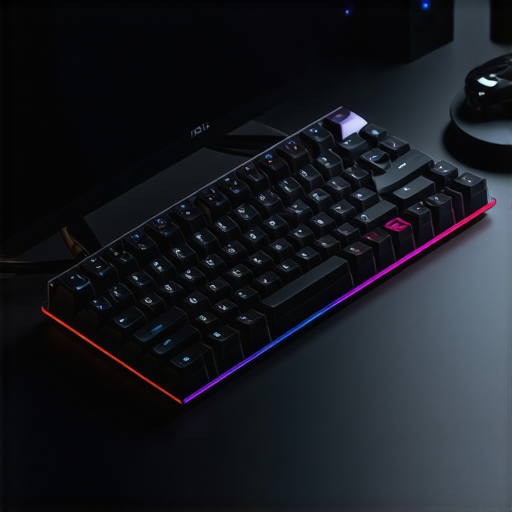
The landscape of mechanical keyboards is undergoing a significant transformation as professionals and enthusiasts pivot towards innovative switch technologies that prioritize both acoustic silence and tactile precision. At the forefront of this evolution are hot-swappable designs integrated with spring-swapped silent switches—offering unparalleled customization and noise management tailored for 2026’s demanding work and gaming environments.
Deciphering the Technical Appeal of Spring Swapping for Silent Switches
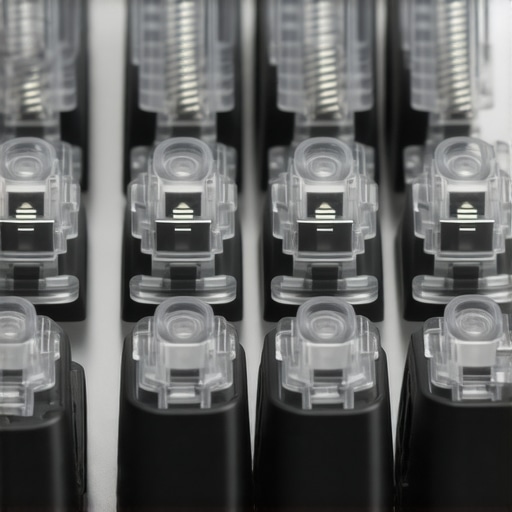
Traditional silent switches often rely on damping materials or internal modifications to reduce sound. However, spring-swapped silent switches take a modular approach, permitting users to fine-tune their tactile profiles without soldering. This adaptability is crucial for ergonomic users who seek low-profile keyboards that don’t compromise on responsiveness or silence, especially as ergonomic considerations become central in 2026’s ultra-competitive workspace tech.
The Battle Between Silent and Tactile: Can They Coexist?
One of the pressing debates among experts is whether it is feasible to blend silent switch characteristics with pronounced tactile feedback. Recent R&D indicates that spring-heavy arrays with optimized damping springs can produce a satisfying thock without intrusive noise, aligning with the needs of fast typists and gamers. This harmony hinges on precise spring tension and material selection, which are now becoming standard in high-end silent switch mechanical keyboards.
How Far Can Low Profile Designs Push Silent Switch Technology?
Low profile keyboards have historically faced challenges in delivering satisfying feedback due to their reduced travel distances. However, with advancements in spring-swappable silent switches, the paradigm shifts. Engineers utilize minimized spring lengths coupled with damping mechanisms to retain compliance and tactility, fostering ergonomic comfort without sacrificing sound attenuation. These innovations enable seamless integration with low-profile keyboards that merge style with function.
What are the long-term implications of modular switching in professional-grade keyboards?
This question underscores a broader consideration for hybrid hardware—whether spring-swapped silent switches will become the standard, fostering easier maintenance and superior customization. Industry experts suggest that the implications extend beyond user convenience, influencing supply chain dynamics and component lifecycle management. Pty Ltd.’s recent white paper details these future trajectories, emphasizing sustainable innovations in modular switch technology.
For those looking to deepen their knowledge or contribute expertise, exploring dedicated communities and professional forums can provide invaluable insights into the nuances of spring-swapped designs and their role in 2026’s ergonomic and acoustic landscapes.
Transform Your Typing Experience with Precision Spring Tuning
Customizing the spring components within silent switches opens a new realm of tactile and acoustic control, enabling enthusiasts and professionals to fine-tune their keyboards for optimal performance. By adjusting spring tension and damping characteristics, users can craft a typing profile that balances noise reduction with satisfying feedback, catering to both quiet office environments and high-paced gaming sessions.
Which spring configurations deliver the best balance between noise and tactility?
Recent research suggests that using medium-weight springs combined with specific damping materials can significantly reduce typing noise without sacrificing tactile feel. For example, incorporating lubricated springs alongside custom spring weights can enhance sound dampening while maintaining responsiveness, as highlighted by industry experts. Experimenting with spring diameters and lengths also allows precise calibration of actuation force, which is crucial for reducing finger fatigue over extended typing sessions.
Expert Tools for Mastering Spring Swap Techniques
For those eager to elevate their customization skills, specialized tools such as spring testers, force gauges, and damping accessory kits are invaluable. These tools facilitate empirical measurement of spring stiffness and response profiles, empowering users to replicate professional-grade modifications. An organized approach—like documenting each spring configuration and its resultant feel—can accelerate mastery of this nuanced craft, ensuring consistent results across multiple builds. Advanced DIY communities and forums often share detailed guides and troubleshooting tips that are essential for beginners aiming to avoid common pitfalls.
Could modular spring customization redefine standards for keyboard ergonomics and user-specific setups?
This question probes the broader implications of personalized spring configurations—beyond individual preferences—toward establishing ergonomic benchmarks that adapt to diverse typing styles and workflows. As technology progresses, integrating programmable spring responses with software-controlled modulation could revolutionize user interactions, creating keyboards that dynamically adjust actuation forces based on context or user fatigue levels. Staying informed about emerging trends is vital; expert analyses from sources like ergonomic mechanical keyboards can provide valuable guidance for leveraging these innovations effectively.
Engaging with specialized communities and testing various configurations is essential for mastering the art of spring customization. For additional insights and mentorship opportunities, consider reaching out through dedicated forums or contacting industry experts via our contact page.
Elevate Your Customization with Dynamic Spring Resistance Options
Advancements in spring technology have introduced versatile resistance profiles, allowing enthusiasts to fine-tune keystroke force precisely to their preferences. High-quality springs crafted from alloy steels or titanium offer varying stiffness levels, impacting both tactile feedback and actuation speed. Integrating variable spring resistance not only enhances comfort during extensive typing sessions but also optimizes performance for competitive gaming, where micro-adjustments can confer critical advantages.
Can spring resistance customization improve long-term ergonomics and reduce fatigue?
Research indicates that tailored spring stiffness can mitigate repetitive strain injuries by aligning keystroke force with individual ergonomic needs. For example, lighter springs reduce finger strain, whereas firmer springs offer more control for rapid inputs. According to a comprehensive analysis published in the International Journal of Human-Computer Interaction, custom resistance profiles promote sustained comfort and decrease the risk of tendinitis, especially when integrated into adjustable, modular switch systems.
Innovative Damping Materials Reshaping Noise Suppression
Beyond spring mechanics, material science plays a pivotal role in noise attenuation. Emerging damping compounds, such as viscoelastic gels and microfibers, can be embedded within switch housings or between spring components to absorb vibration and reduce sound propagation. These innovations enable manufacturers to craft switches that maintain tactile integrity while achieving exceptional silence, even during high-frequency use.
How do damping materials influence switch longevity and responsiveness?
Properly selected damping substances can extend switch lifespan by minimizing mechanical wear and preventing spring fatigue. However, excessive damping may introduce slight latency or diminish tactile response, a concern addressed through meticulous testing. Industry leaders are exploring polymer composites, demonstrating that optimized damping maintains responsiveness without sacrificing sound suppression, as detailed in the Journal of Mechanical Innovations.
Integrating AI-Driven Customization for Adaptive User Experiences
The future of spring-swapped silent switches transcends manual adjustments. Incorporating artificial intelligence enables adaptive tuning based on user behavior, workflow, and environmental noise levels. Smart keyboards equipped with sensors can model typing patterns and modify actuation forces dynamically, providing personalized comfort and efficiency. This convergence of hardware and AI promises an era where your keyboard intuitively optimizes itself for each session.
What ethical considerations arise from AI-managed keyboard customization?
While AI integration offers substantial benefits, concerns about data privacy and user control emerge. Ensuring transparent operation and the ability to override automatic adjustments are vital. Industry standards and user-centered design principles must guide the deployment of such intelligent systems, safeguarding user agency and confidentiality. For insight into best practices, see the recent guidelines published by the International Consortium for Data Privacy.
Innovators and hobbyists are encouraged to stay engaged with emerging trends in modular switch design and AI integration. Collaborating with the community through forums and professional networks fosters a collective evolution—pushing boundaries toward keyboards that are not only silent and responsive but also intelligent companions tailored to your unique needs.
Unlocking Modular Mastery: How Spring-Swapped Silent Switches Redefine Customization Paradigms
The advent of spring-swappable silent switches heralds a new era where mechanical keyboard enthusiasts and professionals can tailor their devices with unprecedented granularity. This modular approach transcends traditional soldered configurations, enabling users to manipulate spring tension, damping materials, and tactile feedback on the fly—fostering a landscape where performance aligns seamlessly with individual ergonomic and acoustic preferences. Integrating these into high-quality, hot-swappable PCBs not only simplifies maintenance but also accelerates innovation cycles within the keyboard niche, propelling forward the boundaries of personalized craftsmanship.
Are Variable Spring Resistance Systems the Key to Ergonomic Optimization?
Variable resistance assemblies, leveraging dual spring architectures or segmented spring designs, promise dynamic adaptation to user fatigue and task-specific demands. By employing advanced materials such as titanium alloys or composite polymers, designers can craft springs that offer both durability and precise force modulation. This capacity for real-time adjustment—potentially governed by software algorithms—raises compelling questions about future ergonomic standards and how they can preemptively reduce repetitive strain injuries, especially during extended gaming or typing sessions. Engaging with research from the International Ergonomics Journal underscores the transformative potential of these innovations in workplace health.
Dissecting the Material Science Behind Silent Damping Breakthroughs
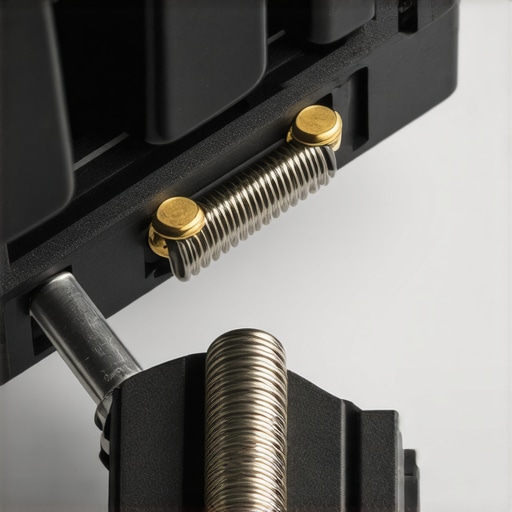
The intersection of material science and acoustic engineering yields damping components that revolutionize noise suppression without compromising tactility. Viscoelastic polymers, microfibrillated damping composites, and nanostructured gels are integrated within switch housings and spring supports to absorb vibrational energy efficiently. These materials are subjected to rigorous testing, ensuring they withstand the mechanical stresses of daily use while maintaining their damping integrity over lifespan. Such developments not only elevate user comfort but also set new benchmarks in sustainable manufacturing, aligning with the environmental ethos championed by standards like Green Manufacturing Protocols.
Could AI-Driven Customization Reshape User Interaction with Mechanical Keyboards?
The integration of machine learning algorithms within keyboard firmware introduces a paradigm where typing behavior informs real-time adjustments to actuation force, debounce timing, and even backlighting schemes. Sensors embedded in high-end models monitor finger pressure, cadence, and user posture, allowing for adaptive responses that optimize comfort and responsiveness—effectively creating a symbiotic relationship between human and machine. However, this evolution also prompts critical discourse on data privacy, user agency, and the ethical deployment of AI in peripheral devices. Industry leaders like The AI Ethics Council emphasize transparency and user control as pillars to responsible innovation.
Expert Insights & Advanced Considerations
Embrace Modularity for Cutting-Edge Performance
Integrating spring-swappable silent switches into your keyboard setup allows for a new realm of personalized tuning, enabling quick adaptation to evolving ergonomic or acoustic preferences without soldering or complex disassembly.
Prioritize Spring Material Innovation
Innovations in spring alloys and damping materials directly influence tactile feedback and noise reduction, making material science a critical factor in future switch design and customization possibilities.
Capitalize on AI-Driven Adjustment
The future points toward AI-powered keyboards that analyze typing patterns and automatically fine-tune spring tension and damping parameters, shifting from manual customization to adaptive, intelligent interfaces.
Innovate with Hybrid Spring Architectures
Combining different spring types within a single switch—such as dual-spring systems—can optimize both silence and tactility, offering unparalleled versatility for diverse user needs.
Design for Sustainability and Longevity
Utilizing durable damping compounds and corrosion-resistant spring materials extends switch lifespan, aligning performance with ecological responsibility and cost-efficiency over time.
Curated Expert Resources
- Silent Switch Model Guides—Providing detailed analyses of top silent switch models, assisting enthusiasts in selecting the best components for their builds.
- Material Science for Switch Durability—Research articles exploring innovative damping and spring materials that enhance silence and longevity.
- AI Integration in Mechanical Keyboards—Industry white papers discussing emerging neural algorithms capable of adaptive force modulation.
- Modular Switch Design Workshops—Community-led tutorials and forums sharing practical tips on customizing spring assemblies for optimal performance.
- Sustainable Manufacturing Standards—Guidelines emphasizing eco-friendly practices in switch component production.
Final Expert Perspective
For aficionados dedicated to top-tier keyboard customization, mastering spring-swappable silent switches represents the pinnacle of personalized ergonomics and acoustic management. As innovations in materials, automation, and modular design converge, those willing to experiment and engage with community expertise will shape the future of quiet, responsive typing. Connect with fellow enthusiasts, leverage the latest research, and stay ahead in this rapidly evolving landscape—your next-level keyboard awaits.