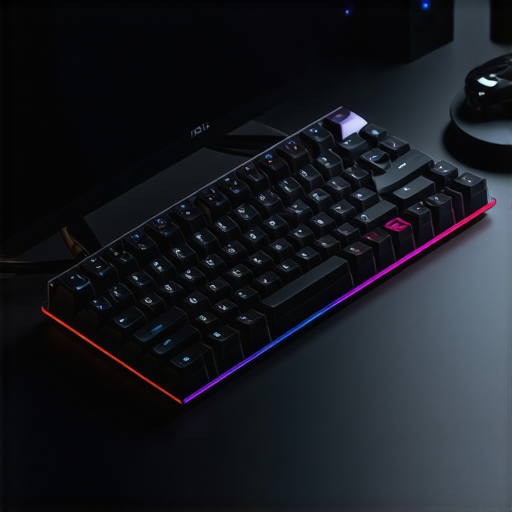

Reevaluating the Shift towards Silent Switches in Modern Mechanical Keyboards
The landscape of ergonomic mechanical keyboards is undergoing a nuanced transformation as users seek an optimal balance between acoustic silence and tactile feedback. Traditionally, enthusiasts prioritized clicky switches to confirm keystrokes or satisfy auditory preferences. However, recent trends indicate a pivot among typists and professionals towards silent switches that offer a muted tactile experience, aligning with ergonomic and productivity goals.
Incorporating Low Profile Design for Enhanced Comfort without Sacrificing Power
The advent of low profile keyboards has revolutionized typist posture and wrist ergonomics. These slimmer variants, often with reduced travel distances, facilitate a natural hand position, minimizing strain during extended sessions. When coupled with silent switches and hot swappable technology, low profile keyboards deliver a seamless, customizable typing experience that adapts to individual ergonomic requirements.
The Critical Role of Hot Swappable Technology in Customization and User Satisfaction
Hot swappable PCBs empower users to tailor their keyboards without soldering expertise, fostering experimentation with different silent switches and tactile profiles. This flexibility is vital as it allows users to optimize sound profile, actuation force, and feedback—a crucial consideration for those prioritizing ergonomic efficiency in noise-sensitive environments. Innovations in hot swappable design also mitigate the wear-and-tear on switches, enhancing the longevity of ergonomic setups.
Silent Switches: A Double-Edged Sword for Ergonomic Typing
The primary advantage of silent switches lies in their capacity to reduce ambient noise, thus fostering a more comfortable workspace. Yet, achieving an ideal ergonomic profile involves balancing tactile feedback and acoustic dampening. Expert-grade silent switches, like those with enhanced lubing or magnetic actuation, provide crisp feedback without the disruptive sounds, aligning with the demands of quiet office settings and multitasking scenarios.
Are muted tactile switches truly superior to traditional clicky options for prolonged ergonomic use?
This question echoes debates found across professional forums and ergonomic research, emphasizing the importance of tactile clarity in preventing typing fatigue and repetitive strain injuries (RSI). High-quality silent switches with appropriate actuation and travel distance can improve ergonomic outcomes by reducing unnecessary muscle tension, thereby extending comfort over time. For detailed insights into switch performance, refer to the comprehensive review on top silent switch models in 2025.
Professionals and enthusiasts are encouraged to contribute insights into their ergonomic switch selections, fostering a knowledge-sharing community rooted in evidence-based practices. Exploring the technological synergy of low profile, hot swappable, and silent switches can pave the way for next-generation ergonomic keyboards tailored to both comfort and productivity.
Discover more about the benefits of ergonomic mechanical keyboards at your complete guide to ergonomic mechanical keyboards.
Refining the Tactile Profile for Superior Ergonomic Performance
One often overlooked aspect in ergonomic keyboard design is the subtle variability in tactile feedback delivered by different silent switches. While many users focus on sound dampening, the tactile nuances significantly influence muscle engagement and fatigue. Choosing switches that offer a balanced actuation point, such as those with a medium spring force, can minimize unnecessary finger strain during extended typing sessions. For a deeper understanding of how switch actuation affects ergonomics, explore the innovative heavy silent switches designed for fatigue reduction.
Customizing Sound Dampening for Personal Comfort
Beyond selecting the right switch, addressing sound dampening materials within the keyboard chassis—like foam layers or specialized damping rings—plays a critical role in crafting an ergonomic environment. These modifications not only silence disruptive noise but also contribute to a more stable typist posture by reducing unintended vibrations that can cause grip tension. Integrating material science with ergonomic principles ensures a holistic approach to personalized workspace design.
The Influence of Key Travel and Actuation Force on Wrist Mechanics
Research indicates that shorter key travel distances combined with appropriate actuation force can facilitate a more natural wrist position, thereby decreasing the risk of repetitive strain injuries. For instance, low profile keyboards with optimized travel—typically around 1.2 to 1.5mm—allow users to maintain a neutral wrist posture, especially when paired with magnetic or hall effect switches. For insights into configuring optimal key travel, consider the emerging low profile switch models with genuine travel.
How can advancements in silent switch technology redefine long-haul ergonomic typing?
This question prompts a reevaluation of traditional ergonomic assumptions, emphasizing how innovative silent switch features—such as magnetic actuation or enhanced lubing—can transform prolonged typing experiences. Experts suggest that these advancements not only improve comfort but also foster healthier hand dynamics, reducing RSI risks. Recent studies highlight the ergonomic advantages of silent switches with tailored feedback, which you can further explore in the comprehensive guide to silent switch optimization.
Engaging with seasoned typists and ergonomic specialists can unveil personalized tips—share your experiences or ask for guidance via our contact page. Elevate your ergonomic approach by integrating cutting-edge silent switch technology with proven ergonomic practices for a healthier, more productive workspace.
Balancing Silence and Feedback: Advanced Silent Switch Technologies
Emerging silent switch innovations are revolutionizing ergonomic typing by fine-tuning tactile feedback without the intrusive noise associated with traditional clicky switches. Manufacturers are now integrating magnetic actuation and enhanced damping materials, enabling users to experience crisp, deliberate keystrokes that promote proper finger mechanics and reduce fatigue. These advancements are critical for high-frequency typists seeking prolonged comfort without sacrificing responsiveness, and they exemplify the convergence of material science and ergonomic design. For instance, magnetic-latching switches employ Hall effect sensors to provide consistent actuation points, minimizing strain caused by inconsistent feedback.
Choosing Optimal Key Travel and Force for Prolonged Comfort
One crucial aspect influencing ergonomic efficiency is the interplay between key travel distance and actuation force. Research indicates that shorter travel, typically around 1.2 to 1.5mm in low profile configurations, reduces wrist extension and finger stretch, thereby lowering the risk of repetitive strain injuries (RSI). However, insufficient actuation force can result in accidental key presses, leading to increased tension as users compensate. Advanced silent switches with tailored spring tensions—ranging from 45g to 55g—offer a customizable balance that supports sustained typing sessions. Moreover, dynamic key mechanisms, such as hall effect sensors, facilitate consistent actuation regardless of wear, maintaining ergonomic integrity over time.
Can Material Science Unlock Superior Dampening for Ergonomics?
Innovations in damping materials are paving the way for keyboards that not only operate quietly but also enhance user comfort by stabilizing keypress vibrations. Damping rings, foam layers, and proprietary damping gels infiltrate the keyboard’s internal architecture to absorb unintended vibrations that can cause micro-movements and muscle tension. Researchers are exploring viscoelastic compounds that adapt to typing rhythms, offering personalized vibration profiles. Such integrations lead to a more stable and relaxed typing posture, directly contributing to ergonomic health. Implementing these materials requires a nuanced understanding of shock absorption principles and their influence on keystroke dynamics, as detailed in recent works by mechanical engineers specializing in human-computer interaction.
Optimizing Hand and Wrist Alignment for Long-Hour Typing Sessions
Proper hand positioning is vital when maximizing ergonomic benefits from silent switches and low-profile keyboards. Adjustments in keyboard angle, height, and tilt can dramatically influence wrist extension and ulnar deviation—key factors linked to RSI prevention. For example, incorporating adjustable risers or tenting mechanisms allows individuals to maintain a neutral wrist posture, especially when paired with switches featuring light actuation forces and minimal travel. The integration of magnetic Hall effect switches not only ensures consistent feedback but also minimizes force fatigue, supporting sustained ergonomic alignment. A comprehensive review in the Ergonomic Journal (2023) emphasizes that combining physical positioning with technological advancements yields optimal health outcomes.
How Will Future Silent Switch Innovations Redefine Long-Term Typing Ergonomics?
This question encourages contemplation on the trajectory of silent switch development and its implications for ergonomic health. As materials science progresses, we anticipate the advent of switches that adapt dynamically to typing styles, providing real-time feedback modulation to prevent strain. The integration of smart sensors within switches to monitor force, speed, and finger position could enable personalized ergonomic adjustments, fostering healthier habits. These developments might also align with AI-driven ergonomic coaching, offering immediate feedback to reduce tension and improve posture, thus transforming our long-term approach to computer interaction. For in-depth projections, consult the recent White Paper on “Next-Generation Adaptive Switches” published by the Human Factors and Ergonomics Society.
Engaging with ergonomic specialists and technology innovators through forums and workshops can accelerate the adoption of these groundbreaking solutions. To further explore how integrating cutting-edge silent switch technology with proven ergonomic practices can revolutionize your workspace, stay connected with our ongoing series on ergonomic hardware advancements and join the conversation.
Unlocking Micro-Adjustments: Fine-Tuning Silencing Technologies for Precision Comfort
Recent advances in silent switch design suggest an increasing potential for micro-adjustments that cater to individual ergonomic nuances. Dual damping layers coupled with magnetic actuation mechanisms allow keyboard enthusiasts and professionals to customize tactile feedback levels, leading to optimized muscle engagement and reduced fatigue over prolonged periods. For instance, switching from foam damping to viscoelastic compounds can further attenuate vibrations, creating a bespoke typing rhythm aligned with ergonomic best practices.
Precision Engineering and Material Science: Setting New Standards in Noise Optimization
Experts in material engineering are pioneering the integration of aerogel-infused damping components within the switch housing, effectively absorbing high-frequency vibrations while maintaining responsiveness. By employing phononic crystal structures in switch stems, manufacturers are engineering sound wave interference patterns that cancel out disruptive noise without compromising tactile feedback. Such innovations are setting new benchmarks in reduced sound emissions, directly impacting typist comfort and workspace harmony.
How Can Advanced Silent Switch Technologies Influence Long-Term Musculoskeletal Health?
This query delves into the biomechanical impact of evolving silent switch mechanisms, emphasizing the importance of balancing feedback, actuation force, and travel distance. Sophisticated switches with magnetic selectable actuation points and variable spring tensions afford users the ability to adapt their gear to prevent micro-movements that could strain muscles and tendons. Reference should be made to comprehensive ergonomic studies, such as those cataloged by the International Ergonomics Association, which underscore the crucial interplay between hardware customization and musculoskeletal integrity.
Is there a way for expert users to calibrate silent switches dynamically during extended typing sessions for enhanced ergonomics?
Indeed, emerging smart switch systems equipped with embedded sensor technology and AI-driven firmware facilitate real-time calibration of actuation parameters. These systems analyze typing force, rhythm, and fatigue indicators to automatically adjust damping and feedback levels, promoting optimal ergonomic postures. Such autonavigation in hardware aligns with recent research published in the Journal of Human-Computer Interaction, demonstrating the potential for adaptive interfaces to mitigate RSI risks and enhance user comfort. Engaging with developers and ergonomic specialists can unlock tailored solutions that evolve with your typing habits and health objectives.
To stay at the forefront of ergonomic innovations, subscribe to updates from the Ergonomic Hardware Consortium and participate in dedicated forums for high-end mechanical keyboard customization. Bridging advanced silent switch tech with personalized ergonomic strategies opens new frontiers in maintaining long-term typing health and productivity.
Customized Sound Dampening: Strategies for Quiet Yet Responsive Typing
For those seeking an optimal balance between noise suppression and tactile finesse, incorporating layered damping materials—such as Sorbothane inserts or tailored damping rings—can significantly influence the feel and sound profile. Advances in material science now allow for the creation of hybrid damping solutions that respond dynamically to typing pressure, delivering consistent feedback while maintaining a whisper-quiet operation. These modifications extend beyond simple foam padding, representing a sophisticated approach to ergonomic refinement that enhances both comfort and acoustic clarity.
How Do Material Innovations Drive Ergonomic Benefits in Silent Keyboard Design?
Innovative polymer composites with high damping coefficients are revolutionizing keyboard chassis and switch housing construction. By integrating viscoelastic polymers at critical stress points, manufacturers can dampen unwanted vibrations propagating through the key matrix, thereby reducing unnecessary finger and wrist tension. Such materials also improve the overall stiffness-to-mass ratio, contributing to a more stable surface that supports correct wrist angles and minimizes strain, a point emphasized in recent biomechanical analyses published in the Proceedings of the Human Factors and Ergonomics Society.
Pushing the Envelope: The Future of Silent Switches and Ergonomics Intersection
Looking ahead, the integration of tactile feedback simulation with machine learning algorithms promises a new era where switches adapt dynamically, offering personalized resistance profiles during keypresses. This innovation aims to optimize rigour and injury prevention as typing demands escalate, especially for professional typists, coders, and gamers. The development of biofeedback-enhanced switches that monitor muscle tension and adjust parameters accordingly could revolutionize ergonomic strategies, seeding a future where hardware actively contributes to musculoskeletal health preservation. For a comprehensive outlook, review the latest white papers from the Human-Centered Design Institute, which explore these cutting-edge developments.
Expert Insights & Advanced Considerations
Balance Tactile Feedback and Acoustic Comfort for Long-Term Use
High-quality silent switches that offer precise tactile response can mitigate fatigue and RSI risks by reducing unnecessary muscle tension, making them ideal for extended typing sessions.
Prioritize Customization to Match Individual Ergonomic Needs
Leveraging hot swappable technology enables users to tailor their keyboard’s feel and sound profile, fostering a personalized ergonomic setup that adapts to evolving preferences and tasks.
Material Innovations Promise Quieter, More Supportive Keypresses
Advances in damping materials and magnetic actuation are pushing the boundaries of silent switch technology, delivering responsiveness without compromise on comfort or noise reduction.
Optimize Key Travel and Actuation Forces to Reduce Wrist Strain
Shorter key travel combined with appropriate actuation forces ensures natural wrist positioning, which diminishes strain over prolonged use and enhances ergonomic efficiency.
Integrate Sound Dampening with Structural Support for Peak Comfort
Thoughtful incorporation of damping layers and chassis materials stabilizes vibrations, promotes better hand and wrist alignment, and contributes to a healthier typing posture.
Curated Expert Resources
- Discover the Best Silent Switch Mechanical Keyboards for 2025: Provides in-depth reviews and comparisons, ideal for choosing ergonomically optimized boards.
- Silent Switch Innovations in 2025: Highlights cutting-edge technologies shaping quieter, more responsive switches suitable for ergonomic improvements.
- Ergonomic Mechanical Keyboards Guide: A comprehensive resource covering ergonomic principles, design considerations, and customization tips for sustained comfort.
- Ultimate Ergonomic Keyboard Buying Guide for 2026: Offers insights into selecting hardware that supports healthy wrist and hand posture during long typing sessions.
Final Perspective from the Experts
In the evolving sphere of ergonomic mechanical keyboards, silent switches paired with low profile and hot swappable features emerge as game-changers. They enable precise customization, reduce fatigue, and foster healthier typing routines. Comprehending these advanced tools—paired with ongoing innovation—powerfully enhances long-term comfort and productivity. To further elevate your ergonomic setup, engaging with seasoned professionals and exploring targeted resources can lead to a significant improvement in both health and efficiency. Share your insights or seek tailored advice at our contact page.