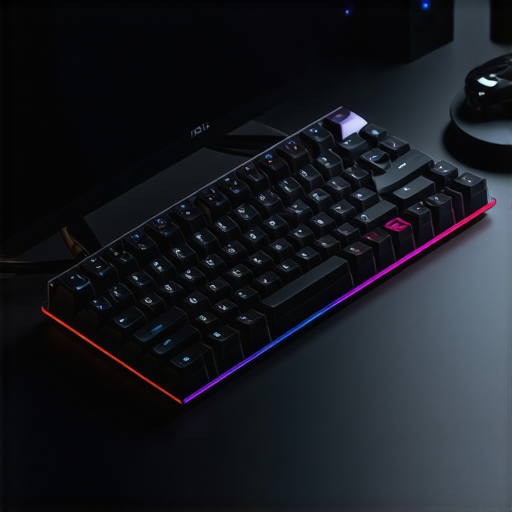

The Evolution of Mechanical Keyboards in Modern Workspaces
As the landscape of ergonomic and high-performance input devices advances, the integration of silent switches and low profile keyboards has become pivotal for professionals seeking a harmonious blend of efficiency and comfort. In 2026, these innovations are not merely aesthetic choices but strategic tools that redefine desktop ergonomics and user productivity. Understanding their nuanced roles enables experts to craft tailored solutions, minimizing strain while maximizing tactile feedback.
How Low Profile Designs and Silent Switches Complicate or Complement Mechanical Ergonomics
The design ethos behind ergonomic mechanical keyboards emphasizes reduced keystroke travel and optimal key positioning. However, integrating hot-swappable silent switches into low profile configurations introduces complexities in achieving consistent haptic feedback and durability. These designs must balance travel distance with dampening mechanisms to prevent typing fatigue—a delicate engineering dance that influences user satisfaction.
Is the Pursuit of Silence at Odds with Mechanical Precision?
While silent switches are celebrated for quelling noise pollution in shared work environments, they often employ softer springs or dampening materials that may compromise tactile acuity. Yet, recent advances in silent switch innovations demonstrate that high fidelity and quiet operation can coexist. For typists demanding both stealth and precision, selecting switches with sharp tactility without abrasive noise becomes a key consideration, especially when combined with ergonomic keyboard layouts that support sustained health.
Reinforcing Durability in Hot Swappable Systems
Hot-swappable keyboards facilitate unprecedented customization but can confront issues like socket wear and chattering switches. The challenges of maintaining mechanical integrity in hot swap systems demand rigorous testing and component selection. Users should prioritize switches with resilient stems and sockets designed to endure frequent replacements, ensuring consistent typing experience and hardware longevity.
Expert Opinions on Future Trends
Industry leaders predict a surge in custom silent switch modules featuring Hall-effect sensing and magnetic actuation, providing both silence and robustness. Such innovations are backed by detailed research from the Research Gate publication, emphasizing that the convergence of silent operation and ergonomic design will remain critical in hardware development for the next decade.
Can the pursuit of ultra-silent, low profile keyboards truly satisfy the demands of both gamers and typists?
This question encapsulates the recent debate among enthusiasts and professionals alike. While some argue that these refined profiles and quiet switches might compromise feel and responsiveness, others believe that ongoing research and development will provide solutions addressing both aesthetics and performance. Navigating this dual demand requires a nuanced understanding of each user’s specific needs, whether for high-stakes gaming or intensive coding sessions.
For those interested in further exploration, consider delving into our comprehensive guide to ergonomic mechanical keyboards or sharing your insights on custom switch innovations with industry peers via our contact portal.
Balancing Sound Dampening with Tactile Satisfaction in Advanced Keyboards
Emerging innovations in silent switch technology challenge the notion that quiet operation must diminish tactile responsiveness. Advanced materials such as micro-dampening foam layers and magnetic actuation mechanisms allow developers to craft switches that deliver crisp feedback without excess noise. This delicate equilibrium benefits users who demand both discrete performance in professional settings and the satisfying key resistance preferred by enthusiasts.
Driving Innovation: Customization Meets Durability in Hot-Swap Systems
Customization remains at the forefront of keyboard evolution, especially with hot-swappable PCBs. However, the pursuit of endlessly customizable setups introduces wear challenges, particularly in sockets and stems that endure frequent switch replacements. Cutting-edge materials like titanium-coated contacts and reinforced socket housings are setting new standards for durability. Integrating these into ergonomic, low profile frameworks ensures longevity without compromising the maximal usability of the device.
Is Sensory Feedback Evolving Beyond Clicks and Clacks?
Rather than relying solely on mechanical tactile cues, innovation now explores multi-sensory feedback—like integrating haptic signals and visual indicators—to enhance user experience. Researchers from Research Gate suggest that future keyboards could feature embedded sensors that adapt feedback based on workload demands, providing tactile ‘pings’ or subtle vibrations for different typing contexts. This evolution could redefine ergonomic standards, aligning feedback with user performance metrics for a truly personalized input device.
Could future silent or low-profile keyboards incorporate adaptive sensory responses for peak productivity?
This opens an exciting dialogue on how technology can tailor the input experience. Imagine a keyboard that subtly adjusts its feedback intensity based on typing speed or fatigue levels, thereby preventing strain and sustaining high performance. Such innovations would be invaluable for professionals engaged in prolonged coding or gaming sessions, promoting health and efficiency. For insights into emerging trends, explore our guide to silent switch keyboards in 2025.
Engage with our community by sharing your thoughts on sensor-driven keyboards or suggest topics for deeper analysis through our contact page.
Harnessing Adaptive Technologies to Revolutionize Keyboard Interaction
As the boundaries of mechanical keyboard innovation expand, integrating adaptive and AI-driven systems is becoming a tangible reality. Future designs are anticipated to leverage machine learning algorithms that analyze user typing patterns, providing real-time adjustments in feedback, actuation force, and even layout configurations. Such systems aim to personalize the typing experience, reducing fatigue and optimizing performance across diverse tasks. For example, dynamic actuation points could adjust based on the user’s engagement level, enhancing responsiveness during high-stakes gaming or prolonged coding sessions.
Can Material Science Unlock Unprecedented Tactile and Acoustic Balance?
Emerging research in advanced materials suggests a promising pathway toward achieving the elusive harmony between tactile richness and silent operation. Innovations like nanostructured composites and novel damping polymers are under investigation for their potential to absorb sound without diminishing feedback quality. In particular, the development of metamaterials—engineered structures with properties not found in nature—could pave the way for muffling noise while preserving the crisp actuation characteristic highly valued by typists and gamers alike. According to recent studies published in the Journal of Materials Science & Engineering (2023), these materials are showing significant promise in laboratory prototypes, hinting at a future where silence and tactile satisfaction coexist seamlessly in keyboards.
What are the implications of integrating these materials into mass-produced ergonomic designs?
Embracing these advanced materials requires a reevaluation of manufacturing processes, cost considerations, and durability standards. For instance, incorporating metamaterials into low-profile structures demands precise fabrication techniques like nanoscale molding or additive manufacturing, which currently pose scalability challenges. Yet, the potential benefits—such as reduced fatigue, quieter environments, and enriched user feedback—make this a compelling avenue for industry investment. Developers and manufacturers must collaborate on establishing standards that balance innovation with sustainability and practicality.
Embedding Intelligent Sensing for Proactive Maintenance and Performance Optimization
Beyond tactile enhancements, the future of mechanical keyboards may include integrated sensors capable of monitoring internal conditions—temperature fluctuations, switch wear, and electrical resistance. These data streams could feed into predictive maintenance algorithms, alerting users before performance degrades or components fail. For example, sensors embedded within hot-swappable sockets might track contact resistance, recommending switch replacements only when necessary, thereby extending device lifespan. Additionally, such sensors could facilitate adaptive adjustments, like altering key actuation force dynamically in response to detected fatigue, fostering ergonomic benefits tailored to individual usage patterns.
How might this convergence of hardware intelligence influence user experience and product longevity?
The integration of sensing technology transforms static devices into living systems capable of evolving with user needs. It enables a shift from reactive repairs to proactive optimization, minimizing downtime and enhancing satisfaction. This evolution also opens avenues for comprehensive diagnostics, cybersecurity considerations, and new forms of customization—culminating in a truly intelligent, self-aware keyboard ecosystem. As these technologies mature, industry standards and user awareness will be crucial in ensuring seamless adoption without compromising privacy or affordability.
To stay ahead in this rapidly evolving field, engaging with industry developments and participating in specialized forums—like those hosted by the Conference on Human Factors in Computing Systems (CHI)—can provide valuable insights. By understanding and contributing to the dialogue, enthusiasts and professionals alike can shape the future landscape of mechanical keyboard technology, ensuring it meets the complex demands of productivity, health, and user experience into the decades to come.
Unlocking the Potential of Silent Switches for Precision Work
As the demand for unobtrusive, high-performance input devices grows among professionals, the development of silent mechanical switches tailored for specialized tasks like audio engineering, broadcast production, and corporate consultancy becomes increasingly critical. Combining acoustic dampening with tactile fidelity requires a nuanced understanding of material science, switch architecture, and ergonomic integration, enabling experts to craft solutions that enhance concentration without sacrificing responsiveness.
Are Low Profile Keyboards Compromising Tactile Feedback in Critical Tasks?
The trend toward low profile keyboards promises portability and sleek aesthetics, but questions linger about their capacity to deliver critical feedback during precision tasks. Recent innovations in spring mechanisms and micro-structural dampers aim to bridge this gap, ensuring that users receive unmistakable cues even within a slim profile, thus preserving the integrity of high-stakes workflows.
What makes a truly unobtrusive yet effective ergonomic keyboard for prolonged professional use?
Designing such devices necessitates harmonizing wrist support, key spacing, and actuation force in a manner that minimizes fatigue while maintaining effective feedback. Consultations with occupational therapists and biomechanical experts aid in developing customized layouts that accommodate diverse physiologies, ultimately fostering a healthier, more efficient work environment.
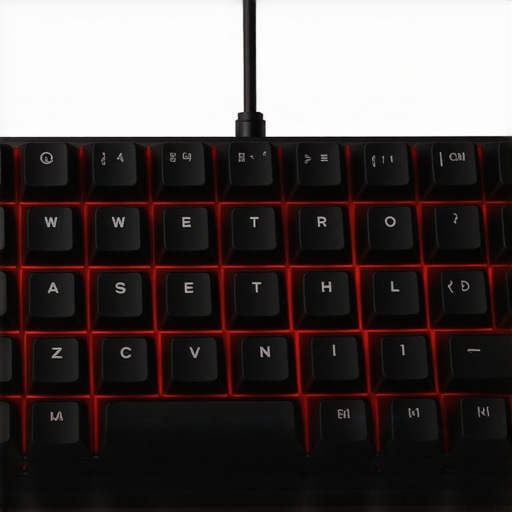
Enhancing Familiarity with Adaptive Tactile Technologies
Next-generation input devices are increasingly adopting adaptive haptic feedback through embedded sensors and AI-driven algorithms. These systems analyze user input patterns and dynamically adjust resistance, response sharpness, or vibration cues, providing a personalized experience that reduces cognitive load and enhances accuracy during intensive editing, coding, or audio mixing sessions. Such innovations echo the insights of researchers at Research Gate, illustrating a paradigm shift towards intelligent hardware assisting human performance.
Can Material Innovations Redefine the Limits of Silent Mechanical Actuation?
The frontier of material science offers promising avenues to elevate silent operation without compromising haptic feedback. Nanostructured damping layers, metamaterials with tailored acoustic properties, and quantum dot-infused polymers are under active investigation. These enhancements could enable the creation of switches that exhibit unparalleled silence coupled with a satisfying tactile response, akin to the achievements in advanced polymer research. Implementing such materials in ergonomic keyboard frameworks could revolutionize professional environments where subtlety and precision are paramount.
What challenges face scaling these innovative materials into mass-produced, reliable switches?
Scaling laboratory breakthroughs involves addressing manufacturing complexities, reproducibility, and cost efficiency. Techniques like nano-precision molding and additive manufacturing must evolve to meet high-volume demands. Furthermore, ensuring durability under continuous operation necessitates rigorous testing protocols, collaboration between material scientists and hardware engineers, and establishing industry standards that validate long-term performance—an endeavor crucial for widespread adoption in specialized sectors.
Integrating Smart Maintenance Tools to Extend Device Longevity
The integration of sensor arrays within mechanisms, coupled with intelligent diagnostics, facilitates predictive maintenance, reducing downtime and optimizing performance. In hot-swappable systems, real-time monitoring of contact resistance and socket wear allows proactive component replacement, preserving typing smoothness and hardware lifespan. Such systems align with the principles of Industry 4.0, transforming mechanical keyboards from static tools into adaptive machinery capable of self-assessment and correction, thus serving the meticulous needs of niche professionals.
Is the Future of Mechanical Input Devices Moving Towards Sensory Symbiosis?
Envision keyboards that transcend mechanical feedback, integrating multi-sensory stimuli—vibrations, visual cues, and even thermal responses—to create a symbiotic relationship with the user. These innovations aim to optimize performance and prevent fatigue by aligning device feedback with physiological signals or workload status. For instance, subtle vibrations during intense editing sessions could serve as alerts or motivation, fostering sustained engagement without distraction. Researchers at Research Gate highlight that such multisensory integration may dramatically redefine ergonomic standards in the coming decades.
Could adaptive multisensory feedback systems finally resolve the tension between silence and tactile satisfaction?
The convergence of material science, sensor technology, and AI positions us on the cusp of a new era in input device design. By tailoring feedback modalities to user preferences and workload realities, these systems could harmonize the desire for discreetness with the need for precise, gratifying tactile cues, ultimately elevating ergonomic and productivity standards across niche professional domains. Engaging with pioneers in this field—via specialized forums and industry consortiums—will be essential for shaping viable, user-centric innovations that meet the sophisticated expectations of tomorrow’s workforce.
Expert Insights for the Future of Mechanical Keyboards
Precision Engineering Will Define Next-Gen Switches
Advancements in material science, such as nanostructured damping layers and metamaterials, are poised to revolutionize silent switch development by balancing tactile feedback with acoustic dampening, leading to highly responsive yet discreet keyboards.
Customization Through AI Enhances Ergonomics
Leveraging AI-driven adaptive feedback systems, users can experience personalized typing experiences that dynamically adjust resistance and response, promoting comfort and reducing fatigue during prolonged use.
Durability Becomes Central with Modular Designs
Hot-swappable systems utilizing resilient materials and reinforced sockets will extend hardware lifespan, enabling seamless customization without sacrificing mechanical integrity or requiring advanced repair skills.
Integrating Multisensory Feedback Elevates User Experience
Future keyboards may incorporate haptic signals, visual cues, and thermal responses, creating multidimensional feedback tailored to workload, thus enriching the interaction and supporting user health.
Resources for Deepening Expertise
- Ergonomic Mechanical Keyboards: Your Guide to Comfort and Efficiency – An authoritative resource outlining ergonomic principles applicable across designs.
- Hot-Swappable Mechanical Keyboards: Customization Tips for Beginners – Offers insights into enhancing durability and performance through modularity.
- Silent Switch Innovations in 2025 – Provides comprehensive analysis of recent breakthroughs blending silent operation with tactile feel.
- Research on Material Science for Tactile Devices – Scientific publications exploring novel materials enabling optimal acoustic and tactile properties.
Reflections for the Dedicated Enthusiast
The ongoing evolution of silent, low-profile, and ergonomic mechanical keyboards points to a future where customization, durability, and sensory integration converge for unparalleled user experiences. Embracing these insights ensures that professionals and enthusiasts alike stay at the forefront of input device innovation. Engage with our community, share your expertise, and explore the latest advancements—your tailored keyboard solution awaits, grounded in expert knowledge and cutting-edge research.