
Redefining Desk Dynamics: The Crucial Role of Low-Profile Keyboard Design in Modern Ergonomics
As the demand for sleek, space-efficient, yet highly functional input devices escalates, the evolution of low-profile mechanical keyboards has become a focal point in ergonomic and technological innovation. The integration of silent switches within these compact architectures not only enhances user comfort but also transforms the auditory environment in professional and gaming spaces. This article explores the intricate balance between form, function, and acoustic performance, emphasizing the significance of hot-swappable features in maintaining longevity and customization flexibility.
Bridging Performance and Silence: How Silent Switches Elevate User Experience
Silent switches have transitioned from niche solutions to industry standards, especially within low-profile keyboards where space constraints necessitate precise sound dampening. The nuanced engineering of these switches—such as the incorporation of interior foam modulation and innovative lubing techniques—enables a tactile yet whisper-quiet typing experience. When embedded in ergonomic designs, these switches support prolonged usage with reduced strain, aligning with occupational health best practices endorsed by specialists like the Ergonomic Society.
Ensuring Durability Amidst Innovation: The Challenge of Hot-Swappable Sockets with Lifted Pads
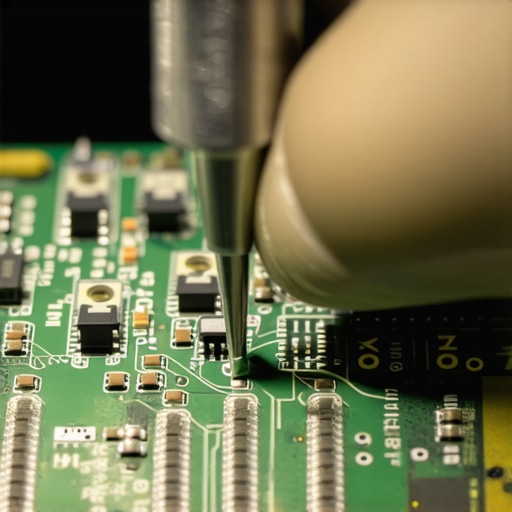
The advent of hot-swappable PCBs has revolutionized DIY customization, but recent trends reveal a vulnerability linked to lifted pads, threatening the operational integrity of high-performance setups. Advanced repair tactics, including tactics to save a hot-swap PCB with lifted pads, have become essential knowledge for enthusiasts. Understanding the underlying causes—such as improper pin insertion or material fatigue—is critical for developing resilient designs that can withstand daily switch swapping without compromising connectivity.
What Makes a Switch Truly Silent Beyond the Noise Reduction?
Contrary to popular belief, silence isn’t merely a byproduct of padding or lubing; it stems from the mechanical architecture and materials involved. Silent switches often leverage linear actuation with specially designed damping sheets or proprietary internal construction to diminish both noise and bounce-back. Furthermore, the tactile feedback plays a pivotal role; optimal silent switches provide a subtle click without sacrificing the satisfying engagement preferred by typists and gamers alike.
Future-Proofing: The Intersection of Ergonomics, Aesthetics, and Technological Integration
Looking ahead, the convergence of ergonomic principles—such as tenting and split designs—with aesthetic minimalism requires a sophisticated understanding of materials science and user psychology. Low-profile keyboards, favored for their portability, must incorporate silent, hot-swappable switches that sustain durability, responsiveness, and silence. As reported in recent industry breakthroughs, continuous innovation in switch materials and mounting techniques are poised to redefine keyboard performance standards.
Is it feasible to combine ultra-low profile, silent operation, and hot-swappable convenience without compromising on durability and tactile quality?
This question underscores the ongoing debate among design engineers and end-users seeking the perfect balance. Engaging with professional communities via platforms like Reddit’s MechanicalKeyboards can provide practical insights and shared experiences to guide future developments. For those interested in the cutting-edge of ergonomic mechanical solutions, exploring our comprehensive guide to ergonomic mechanical keyboards is highly recommended.
Beyond Quietness: What Truly Defines Effective Silent Switches
While the primary perception of silent switches centers around noise reduction, true silence encompasses more nuanced factors such as vibration dampening, tactile feedback consistency, and resistance to external interference. Engineering firms are now integrating advanced damping materials like sorbothane or microfoam layers within switch housings to absorb residual vibrations and eliminate echoing sounds, thereby creating a more refined typing environment. These innovations allow users—be they professionals, gamers, or content creators—to enjoy a quiet yet highly responsive experience without sacrificing feedback quality.
How Hot-Swappable Low-Profile Switches Are Reshaping DIY Customization
Hot-swappable technology has revolutionized the landscape, empowering users to tailor their keyboards without soldering expertise. However, integrating high-quality silent switches into low-profile, hot-swappable frames presents unique challenges, such as maintaining alignment precision and ensuring stable electrical contact. Recent advancements, including stabilized socket designs and reinforced contact pads, have significantly improved durability and ease of switch swapping. To achieve optimal performance, enthusiasts often leverage proven techniques for avoiding pin bending and socket damage, ensuring their customization sessions are both safe and satisfying.
Can Material Science Unlock the Next Level of Silent Switch Durability and Feel?
The path to next-generation silent switches involves exploring innovative materials that balance softness, resilience, and acoustic dampening. Researchers are experimenting with composite plastics infused with microbeads or damping gels, aiming to create switches that not only operate quietly but also offer enhanced longevity under heavy usage. These material advancements also target reducing the common issue of switch wobble, resulting in a more stable tactile experience with consistent sound profiles. Such developments require close collaboration between material scientists and keyboard designers, pushing the boundaries of what’s achievable in low-profile, silent switching technology. For insights on current trends, the latest industry breakthroughs highlight promising innovations shaping the market in 2026.
Would integrating adaptive damping technologies allow switches to modulate noise levels dynamically based on user input intensity or ambient noise?
Imagine a future where silent switches automatically adjust damping levels to match the environment, providing silent operation in quiet offices and responsive feedback during gaming intense sessions. Such smart mechanical solutions could utilize embedded sensors and microcontrollers to perceive input force, typing rhythm, and ambient acoustics, tweaking internal damping mechanisms in real time. Developing this requires multidisciplinary expertise spanning acoustics, sensor technology, and microelectronics, making it a complex but potentially transformative frontier. Engaging with the community of advanced keyboard developers on platforms like Reddit’s MechanicalKeyboards can offer insights into current experimental projects and collaborative opportunities. If you’re aiming to stay ahead in ergonomic and innovative keyboard designs, exploring our