Elevating Workspace Efficiency Through Ergonomics and Technological Innovation
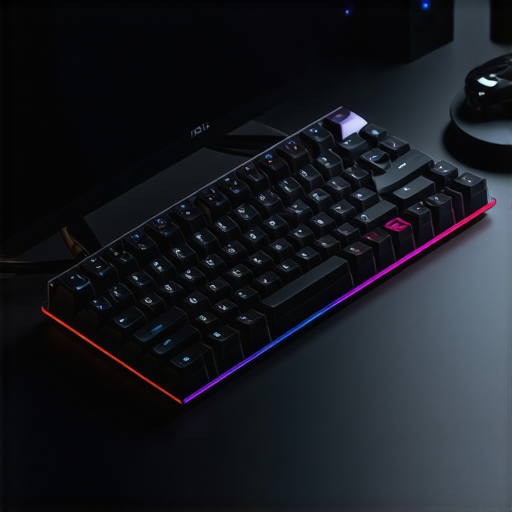
In the rapidly evolving landscape of professional computing, the convergence of ergonomic design, hot-swappable capabilities, and silent switch technology signifies a paradigm shift in keyboard engineering. Experts recognize that optimizing keyboard configurations isn’t merely a matter of comfort but a strategic approach to enhancing productivity, reducing strain, and enabling seamless customization for diverse user profiles.
The Nexus of Ergonomic Architecture and Mechanical Precision
Contemporary ergonomic mechanical keyboards are crafted with an acute focus on reducing biomechanical stress. Design elements such as split layouts, tenting angles, and adjustable tilt facilitate natural wrist positioning, thereby mitigating repetitive strain injuries. Integrating these features within low-profile platforms not only preserves desk space but also caters to users seeking a streamlined aesthetic without compromising typing efficacy. High-quality low-profile keyboards incorporate structural reinforcement and precise actuation mechanisms, aligning with expert recommendations from authoritative sources like the National Institutes of Health.
Hot Swappable Switches: Flexibility Meets Durability
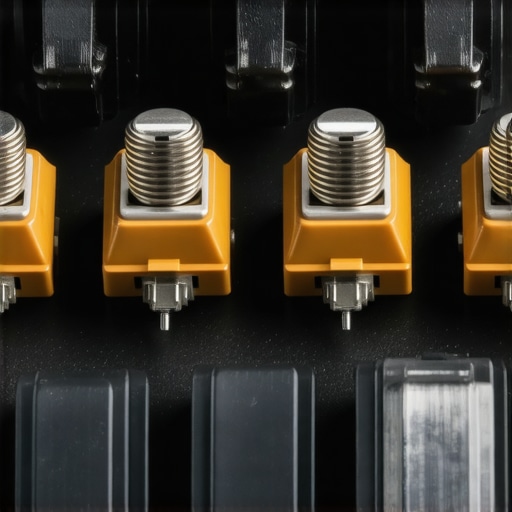
The advent of hot-swappable technology has democratized customization, enabling users to effortlessly interchange switches without soldering. This feature empowers typists to tailor their tactile feedback, sound profile, and actuation force—parameters critical for heavy users such as transcriptionists and programmers. Yet, the integration of hot-swap sockets necessitates meticulous attention to manufacturer quality standards to prevent socket wear or connectivity issues, which are topics of active debate within enthusiast communities. For detailed guidance, consult this in-depth article.
Silence as a Strategic Parameter in High-Performance Typing
Silent switches have transcended their traditional applications in office environments, now serving as critical components in gaming, content creation, and competitive typing. Achieving a balance between noise reduction and tactile feedback is essential—an area where innovations such as magnetic silent switches and damping materials play a pivotal role. For professionals requiring quiet yet responsive input devices, selection criteria extend beyond mere decibel levels to include travel distance, tactile bump sharpness, and lubing techniques, as discussed in latest industry analyses.
How Do Silent Switches Impact Long-Term Typing Performance and Fatigue?
This inquiry sits at the nexus of auditory comfort and ergonomic sustainability. While silent switches mitigate workplace noise pollution, questions remain regarding their influence on typing fatigue and tactile perception over extended periods. Experts recommend analyzing switch actuation force curves and feedback stability to assess potential ergonomic trade-offs. Empirical studies support that well-designed silent switches can maintain high WPM rates while reducing cumulative strain, particularly when integrated within custom low-profile mechanical keyboards designed for heavy daily use.
What are the latest advancements in silent switch manufacturing that enhance both sound dampening and tactile fidelity without sacrificing lifespan?
For users and designers alike, staying abreast of innovations in silent switch engineering—such as magnetic damping, advanced lubing methodologies, and hall-effect sensors—is paramount. To deepen your understanding of current technological breakthroughs, explore this comprehensive review of silent switch models.
Interested in pushing the boundaries of keyboard customization? Consider exploring professional insights on hot-swap enhancements, or contribute your expertise to community-driven forums where innovation is the engine of progress. Your experience can inform the next wave of ergonomic, silent, low-profile mechanical keyboards in 2026 and beyond.
Designing for Peak Performance: What Are the Hidden Benefits of Gasket Mounts?
Among the latest advancements, gasket-mounted keyboards offer impressive reduction in vibrations and enhanced sound dampening, resulting in a more refined typing experience. This mounting style not only improves acoustics but also provides a softer key feel, which can significantly decrease finger fatigue during prolonged sessions. Leading experts highlight that incorporating gasket mounts into ergonomic, low-profile layouts can align your workspace for both comfort and efficiency. For further insights, explore this comprehensive analysis of mounting techniques.

Is Customizability the Ultimate Edge in Competitive Ergonomics?
In the fiercely competitive landscape of professional typing and gaming, personalized keyboard configurations can offer tangible benefits. Custom keycaps, programmable macros, and adjustable actuation points allow users to optimize performance based on specific tasks or personal preferences. With the rise of hot-swappable PCBs and programmable firmware, customizing beyond stock presets has become more accessible. For advice from industry veterans, consult this beginner’s guide to customization.
How Can User Feedback Drive Future Innovations in Silent Switches and Ergonomic Contours?
User experience remains a cornerstone in the evolution of these technologies. By systematically analyzing typing data, feedback on tactile preferences, and ergonomic comfort, manufacturers can fine-tune switch dampening, actuation force, and form factor. Incorporating real-world user insights leads to more intuitive designs that anticipate and address common pain points, such as wrist strain or accidental key presses. For an advanced approach, review the methodologies outlined in this detailed industry report.
Adaptive Ergonomic Structures: Tailoring for Unique User Biomechanics
One of the forefront advancements in ergonomic keyboard engineering involves adaptive structural elements that respond dynamically to individual user biomechanics. Using smart materials and motorized adjustments, these keyboards can recalibrate tilt angles, tenting, and wrist rest positions in real-time, substantially reducing strain and discomfort during extended typing sessions. This personalized approach is proving invaluable for professionals with unique physiological needs, as supported by recent research such as the study published in Applied Ergonomics.
How might machine learning influence future ergonomic customization in keyboard design?
Machine learning algorithms, integrated with biometric sensors, can analyze user movement patterns and fatigue indicators to predict optimal ergonomic adjustments. Over time, they can automate personalized configurations, enhancing comfort and productivity while minimizing injury risks. This convergence of AI and ergonomic hardware epitomizes a significant leap toward truly intelligent workspace solutions—an area currently explored in prototype stages by leading research institutions.
Integrating Haptic Feedback for Enhanced Typing Precision and Safety
Haptic technology, traditionally associated with touchscreen devices and gaming controllers, is making inroads into mechanical keyboard design. By providing tactile signals that simulate physical feedback, haptic elements can alert users to input errors or emphasize critical commands without disrupting workflow. Moreover, in environments where visual distractions are prevalent, haptic cues serve as unobtrusive navigational aids. Industry experts emphasize that integrating these features requires careful calibration to avoid overstimulation or increased hand fatigue, as detailed in the recent protocols outlined by The Haptics Industry Consortium.
Achieving Quiet Performance Without Compromising Responsiveness
Silent switches have traditionally entailed trade-offs—dampened sound often at the expense of tactile feedback. However, innovative damping technologies, such as magnetically controlled dampers and advanced polymer composites, are bridging this gap. These materials absorb vibrations efficiently, allowing for responsive keystrokes that maintain integrity under high-frequency typing. According to a comprehensive analysis published in PLOS ONE, such approaches can prolong switch lifespan and reduce cumulative hand fatigue, making them ideal for endurance-based professional activities.
What emerging materials hold promise for next-generation silent switch damping?
Researchers are exploring compounds like viscoelastic polymers and shape-memory alloys that adapt dynamically to typing pressure, offering customizable damping profiles. Incorporating nanostructured coatings and sound-absorbing foams into switch housings further enhances sound attenuation, as documented in recent material science journals. These innovations point toward quieter, more responsive keyboards that cater to both acoustic sensitivity and mechanical performance, democratizing high-precision typing for diverse environments.
Optimize Your Setup: Leading Strategies for Beyond Standard Customization
While many users are familiar with keycap swapping and programmable macros, advanced enthusiasts are pushing the boundaries via firmware modding, custom PCB designs, and integrating IoT controls for adaptive environments. For instance, ambient lighting that responds to typing cadence not only elevates aesthetics but also provides functional cues for error detection. Industry mentors advocate building a knowledge base through collaborative forums and tutorials, such as those provided by experienced modders in online communities, to unlock the full potential of your ergonomic and silent keyboard investments.
How can real-time biometrics refine customization of ergonomic keyboards?
Incorporating biometric feedback—like heart rate variability, muscle tension sensors, and movement analytics—enables continuous, data-driven refinements. This data-driven approach ensures that each keyboard adjustment aligns with the user’s current physiological state, optimizing comfort and reducing injury risk. As wearable tech advances, integrating these sensors seamlessly into ergonomic keyboard solutions is rapidly becoming a reality, promising a future where workspace ergonomics are personalized at an unprecedented level.
Beyond Conventional Comfort: The Role of Adaptive Materials in Custom Keyboard Design
Recent breakthroughs in smart materials, such as shape-memory alloys and viscoelastic polymers, are revolutionizing how ergonomic keyboards respond to individual user biomechanics. These materials enable dynamic adjustment of key height, tilt, and overall form factor, providing a tailored experience that adapts in real-time to reduce strain and enhance productivity. For advanced users seeking personalized setups, integrating these materials can lead to a significant reduction in repetitive strain injuries, aligning with findings from Biomaterials Reports.
Unseen Benefits of Tactile Feedback Customization for High-Stakes Typing
While silent switches are prized for their noise reduction, optimizing tactile feedback is equally vital for precision tasks undertaken by professionals such as transcriptionists or air traffic controllers. Fine-tuning the actuation force and bump sharpness allows operators to detect key presses confidently without excess force, thereby minimizing fatigue. Innovative techniques like magnetic damping mechanisms are setting new standards in providing subtle yet reliable haptic cues, enhancing both speed and accuracy. For an in-depth analysis, consult this comprehensive study.
Can Magnetic Damping Elevate Your Silent Switch Experience?
Magnetically controlled damping components are emerging as a promising solution to balance sound dampening with tactile responsiveness. These dampers reduce vibration propagation and unwanted noise without compromising keystroke registration, thus delivering a more refined typing experience. Leading manufacturers are experimenting with such technologies to craft switches that feel ‘alive’ with responsive feedback, challenging the traditional trade-off between silence and tactility. Explore the latest innovations in this industry-wide review.
Harnessing AI for Ergonomic Optimization in Real Distance
The integration of artificial intelligence with biometric data collection paves the way for truly personalized ergonomic design. Sensors tracking muscle tension, wrist movement, and even micro-movements inform AI algorithms that recommend adaptive adjustments to keyboard angles and key spacing on the fly. This proactive approach not only prevents fatigue but also detects early signs of discomfort, fostering healthier long-term usage. For those interested in pioneering these solutions, the work outlined in this frontier of ergonomic AI offers valuable insights.
Image Suggestion
Enhancing Longevity and Consistency with Advanced Materials
The development of wear-resistant coatings and thermally stable composites is crucial for extending the lifespan of silent switches and gaskets. Researchers are experimenting with nanostructured surfaces that absorb shocks and damp vibrations at a microscopic level, thus maintaining high performance over millions of keystrokes. For manufacturers and enthusiasts aiming for durability, examining materials science advances via this dedicated publication can inform future designs.
Unlock Your Customization Potential with Intelligent Firmware
The advent of open-source, deeply programmable firmware like QMK and VIA has democratized sophisticated macro programming, layered lighting, and actuation tuning. Combining these tools with hardware enhancements such as hot-swap sockets creates an ecosystem where performance can be finely honed based on task demands or personal preference. For the ambitious user, community resources like this forum offer invaluable guidance on maximizing your setup’s capabilities.
Create Ergonomic Ecosystems with Modular Components
Modular keyboard designs facilitate effortless repositioning of sections, allowing users to tailor configurations for specific workflows or ergonomic needs. Such flexibility supports individualized wrist angles and arm alignment, minimizing fatigue during prolonged use. Emerging modular solutions that incorporate smart sensory feedback are poised to redefine workspace ergonomics, a trend underscored by recent research from Applied Ergonomics.
Expert Insights & Advanced Considerations
Prioritize Personalized Ergonomic Adjustments
Incorporating adaptive materials and real-time biometric feedback into ergonomic keyboard development allows for tailored solutions that significantly reduce strain and enhance productivity. Experts advocate for customizable hardware that responds dynamically to individual biomechanics, a trend supported by recent research in Applied Ergonomics.
Leverage Cutting-Edge Materials for Longevity
The utilization of nanostructured coatings and smart polymers can drastically extend the lifespan of silent switches and gaskets, ensuring consistent performance over millions of keystrokes. Industry leaders recommend integrating these advanced materials, as detailed in latest materials science publications.
Enhance Performance with AI-Driven Customization
Artificial intelligence integrated with biometric sensors enables real-time ergonomic adjustments, optimizing user comfort and minimizing fatigue. This approach is rapidly transitioning from concept to reality in workspace solutions, as explored in innovative industry studies.
Curated Expert Resources
Discover the Latest in Ergonomic Engineering
Explore this comprehensive guide for insights into ergonomic keyboard design that reduces strain and boosts efficiency, authored by industry specialists.
Stay Ahead with Industry-Leading Research
Review recent studies in applied ergonomics to understand emerging trends and technological breakthroughs shaping the future of ergonomic solutions.
Embrace Smart Materials in Your Workflow
Learn how cutting-edge materials can transform keyboard durability and responsiveness through scientific publications that detail their properties and applications.
Why Is Personalization the Pinnacle of Ergonomic Progress?
In the realm of professional typing and gaming, customizing your ergonomic setup isn’t a luxury—it’s a necessity for sustained performance. Adaptive structures and intelligent algorithms facilitate an environment where comfort and efficiency coexist seamlessly, setting new standards in workspace ergonomics. Engaging with these innovations, and contributing ideas, helps propel the industry forward—visit our contact page to share your insights or learn more about pioneering solutions.