The Nuances of Low Profile Design in Modern Mechanical Keyboards
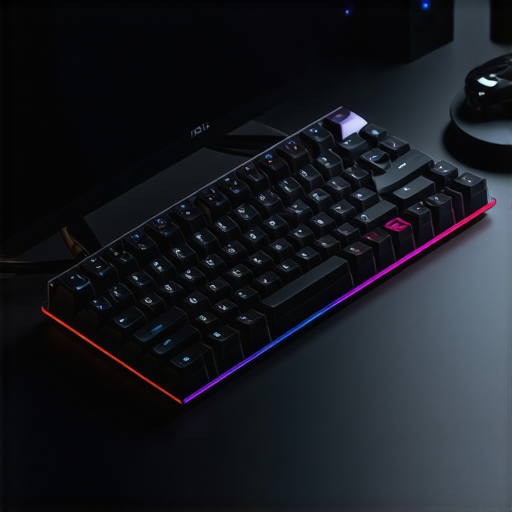
In the rapidly evolving landscape of mechanical keyboards, low profile variants have garnered significant attention among professionals seeking a blend of form factor and high-performance typing experience. These keyboards challenge the traditional bulkiness associated with mechanical switches, offering a sleeker aesthetic without compromising tactile feedback or durability. Understanding the interplay between switch design, keycap ergonomics, and mounting techniques is essential for enthusiasts aiming to optimize their workspace for efficiency and comfort.
How Hot Swappable Sockets Redefine Customization and Maintenance
Hot swappable technology has revolutionized the customization paradigm, especially within the realm of low profile keyboards. This feature allows users to replace switches without soldering, thus enabling rapid iteration and tailored acoustics or tactility. However, it introduces complexities related to socket longevity and contact reliability. Advanced users must consider socket material quality, pin alignment precision, and maintenance routines to ensure consistent performance over time.
For comprehensive guidance on maximizing socket lifespan and avoiding common pitfalls, explore our expert tutorial on hot swap socket maintenance.
Silent Switches: Achieving Quiet Typing Without Sacrificing Feedback
Silent switches have transcended their initial reputation as dull or spongy, thanks to innovations in stem dampening mechanisms, internal lubrication, and housing materials. The pursuit of near-silent operation must balance acoustic reduction with tactile and actuation finesse. Recent developments demonstrate that high-quality silent switches can provide a crisp, audible snap alongside noise mitigation, crucial for open-office environments or late-night coding sessions.
What Are the Best Practices to Prevent Silent Switches from Feeling Mushy During Extended Use?
This common concern among power users demands a nuanced approach, encompassing proper lubrication, controlled actuation force, and pre-lubed options designed for longevity. For instance, applying minimal silicone or PTFE lubricants can preserve tactility, while selecting switches with dedicated bump and stem stabilization features can prevent mushiness or wobble over time.
Given the myriad of silent switch models tested in 2025, consult our comparison of top silent switches for 2026 to inform your choice.
Why Ergonomic and Silent Features Are Critical for Competitive Coding
As software development demands increasingly long typing sessions, ergonomic considerations become non-negotiable. Low profile, ergonomic keyboards with silent switches not only reduce strain but also enhance focus by minimizing auditory distractions. Advanced designs incorporate ortholinear layouts, split architectures, and adjustable tenting options that cater to individual hand anatomy and posture nuances. Such configurations directly impact productivity, especially for high-stakes coding environments.
Incorporating user feedback from professional developers and ergonomic specialists, platforms like our guide to ergonomic mechanical keyboards offer in-depth analysis for optimal setup customization.
Embracing the Future of Switch Technologies for Precise Control
Advancements in switch design continue to push the boundaries of what mechanical keyboards can offer. Hall-effect switches, for example, utilize magnetic fields to register key presses, providing unparalleled durability and consistency, even under rigorous usage. As detailed in recent reviews, these switches boast resistance to dust and wear, making them ideal for long-term investment. For gamers and typists seeking both silence and responsiveness, exploring hall-effect silent switches can unlock a new realm of performance.
How does the customization potential of hot-swappable low-profile keyboards influence user experience and personalization?
Traditional keyboards often limit users to factory configurations, but hot-swappable low-profile models empower users to tailor their typing experience with ease. The ability to swap switches, modify keycaps, and adjust mounting styles fosters a deeply personalized setup that can adapt to evolving preferences or specific tasks. This flexibility not only enhances comfort but also encourages ongoing experimentation, a trait valued by enthusiast communities. Moreover, understanding the intricacies of socket compatibility and switch lubrication can lead to smoother transitions and prolonged hardware lifespan. For those venturing into this customization frontier, our comprehensive guide to hot-swappable customization offers invaluable insights.
Could integrating magnetic or clickable silent switches redefine workspace acoustics and efficiency?
Innovations in magnetic and tactile silent switch designs suggest a future where workspace noise and tactile feedback can be precisely controlled. The fusion of magnetic actuation with sound-dampening materials enables tactile precision while remaining whisper-quiet, offering a stealthy typing environment. Such features are especially compelling for shared or open-office spaces where noise can disrupt concentration. Exploring these cutting-edge switches within your configuration could markedly improve focus and reduce auditory fatigue. For a deeper dive into the latest switch innovations, consult our review of magnetic silent switches.
If you’re eager to enhance your setup further, sharing your experiences or seeking tailored advice can connect you with our community of experts. Feel free to reach out to us for personalized recommendations or to suggest a topic you’d like covered next.
Harnessing Magnetic Actuation to Push the Limits of Responsiveness
Recent breakthroughs in switch engineering have introduced magnetic actuation mechanisms, promising to redefine the boundaries of sensitivity and durability in mechanical keyboards. By leveraging Hall-effect sensors—non-contact magnetic field detectors—these switches eliminate physical contact points that typically degrade over time, significantly extending lifespan and providing a consistent tactile experience. According to a comprehensive study published in the IEEE Transactions on Magnetics, magnetic switches exhibit resistance to dust, debris, and wear, ensuring reliable performance even under demanding conditions. Integrating these innovations into your workflow could mean a substantial leap in typist accuracy, especially during high-stakes gaming or precision data entry tasks.
What Are the Challenges Faced When Implementing Magnetic Switches in Custom Builds?
While magnetic switch technology offers remarkable durability and responsiveness, it presents unique integration challenges. Compatibility issues with existing hot-swappable sockets, the requirement for precise magnetic field calibration, and increased manufacturing complexity can act as barriers for hobbyists and manufacturers alike. Moreover, the initial cost premium might deter widespread adoption among casual users. However, ongoing research by leading electronics engineers demonstrates that with tailored socket designs and standardized magnetic module interfaces, these challenges are rapidly diminishing. Industry insiders suggest that future developments, such as multi-magnet configurations for adjustable actuation points, could further empower users to fine-tune their typing experience.
Furthermore, collaboration between magnetics specialists and keyboard designers is crucial to refine these switches’ integration into mainstream market offerings, as seen in recent prototypes showcased at the 2025 Consumer Electronics Show.
The Role of Adaptive Software in Customizing Switch Responsiveness
Beyond hardware innovation, software solutions are emerging to complement physical switch technologies. Firmware that allows dynamic adjustment of actuation points, debounce timings, and response curves offers a versatile way to optimize performance tailored to individual preferences or specific tasks. In practice, this means users can program their switches to respond differently based on the application—delivering a light touch for casual browsing and a firm press for gaming or professional coding. Companies like QMK firmware have pioneered such capabilities, enabling granular control through user-friendly interfaces and scripting.
However, integrating adaptive software introduces complexity, requiring thorough understanding of firmware configurations and potential trade-offs in stability. Consequently, educating users on optimal parameters and providing expert guidance becomes essential, perhaps through specialized platforms or workshops.
How Might AI-Driven Algorithms Revolutionize Switch Customization?
Looking ahead, the convergence of artificial intelligence and hardware customization opens a new frontier. AI algorithms could analyze typing patterns, force curves, and response times to automatically suggest or implement tailored switch responses, creating an ultra-personalized ergonomic profile. For instance, machine learning models trained on user data might identify the ideal actuation force to minimize fatigue or maximize accuracy, adjusting firmware settings in real-time. Such intelligent systems could also detect signs of hardware wear or performance anomalies, prompting maintenance alerts before issues impact usability.
Implementing AI-driven customization requires robust data privacy protocols and seamless integration with existing firmware ecosystems. Yet, as these technologies mature, they promise a future where the keyboard adapts autonomously to optimize productivity—turning an ordinary input device into a truly intelligent tool.
Interested in exploring the latest AI-enabled switch innovations? Stay tuned to our upcoming in-depth analysis and join the conversation by sharing your thoughts and experiences in our community forum. Your insights could shape the next wave of intelligent peripheral design.
Transform Your Typing: Advanced Strategies for Low Profile Keyboard Mastery
In the realm of high-performance typing, the nuanced selection and customization of low profile mechanical keyboards can profoundly impact efficiency, ergonomics, and user satisfaction. Beyond basic features, expert practitioners leverage a sophisticated understanding of switch modulation, mounting styles, and firmware adaptability to craft personalized setups that transcend conventional expectations.
The Hidden Power of Mounting Techniques in Elevating Typing Precision
While switch selection garners most attention, the mounting style profoundly influences tactile feedback and resonance. Options such as tray mounting, gasket mounting, and top-mount configurations modify decoupling levels between the keycap and case, affecting sound dampening and key feel. Precise alignment and material choices in mounting components can eliminate unwanted wobble, enhance acoustic dampening, and provide a refined user experience. For those seeking expert-level finesse, integrating silicone or foam layers within the mounting architecture can reduce vibrations, yielding a quieter and more controlled typing sensation.
Can Firmware Customization Drive Peak Typing Performance?
Yes, firmware manipulation unlocks a realm of responsiveness tailored to individual workflows. Advanced users employ open-source firmware like QMK or VIA to fine-tune actuation points, adjust debounce timings, and implement macros, effectively turning the keyboard into an extension of their cognitive process. Such modifications enhance speed and reduce fatigue during marathon coding sessions. Nevertheless, achieving optimal firmware configurations requires a delicate balance—overly aggressive debounce settings may cause missed keystrokes, while too low actuation heights risk accidental inputs. Mastering these parameters elevates the typing ergonomics to an art form.
What Are the Most Effective Techniques for Calibrating Key Response Curves in High-End Configurations?
Advanced calibration involves mapping force versus travel distance profiles, often utilizing force curve analysis tools. By analyzing these curves, users can identify the precise actuation threshold where tactile feedback is optimal, reducing inadvertent presses and maximizing comfort. Integrating custom firmware profiles to emulate top-tier switch characteristics can also alleviate sensory fatigue and reinforce desired response behaviors. For meticulous system tuning, consult dedicated biomechanical assessments or employ haptic feedback devices to correlate subjective feel with quantitative metrics, ensuring an ergonomically refined setup.
Influence of Material Science on Switch Durability and Feel
Emerging developments in polymer composites and magnetics are redefining long-term performance metrics. Utilization of thermoplastic elastomers and reinforced housing materials enhances shock resistance and reduces micro-wear, preserving tactility over millions of keystrokes. Simultaneously, the integration of magnetically actuated components—such as Hall-effect sensors—further diminishes mechanical degradation, offering stable feedback across extended usage cycles. These innovations are particularly advantageous for intensive professional environments, safeguarding investment and ensuring consistent performance.
Choosing the right combination of materials for switch housings and mounting substrates is crucial for optimizing both feel and longevity. Consider consulting material science reports from institutions like the Journal of Polymer Science for latest insights into durable composites suitable for high-use keyboards.
Creating a Personal Sanctuary: Ergonomics Meets Aesthetic Innovation
Modern ergonomic designs incorporate adjustable tenting angles, split architectures, and palm rests, all harmonized with low profile aesthetics to foster a state of sustained comfort. Integrating visual elements—such as customizable RGB lighting synchronized with system alerts—can improve contextual awareness and reduce mental fatigue. Moreover, material choices that match tactile preferences—matte finishes to reduce glare or textured surfaces for grip—contribute to a seamless sensory experience. Embracing these innovations requires a holistic understanding of form, function, and personal ergonomics, empowering users to attain peak productivity and well-being.
Engage with Cutting-Edge Innovation—Elevate Your Typing Game
To truly excel, developers and enthusiasts must stay abreast of evolving technologies, from magnetically stabilized switches to AI-driven firmware optimization. Exploring these frontier concepts can elevate your workflow, reduce physical strain, and create a workspace tailored to your unique needs. We invite you to join our community discussions and share your experiences—your insights might inspire the next innovation in mechanical keyboard excellence. Reach out to us via our contact portal and become part of this journey towards unparalleled customization and performance.
Unlocking Next-Level Customization Choices
Go Beyond Basic Switches for Personalized Tactility
Integrating magnetic or clickable silent switches can dramatically transform workstation acoustics and responsiveness, offering a tactile experience akin to top-tier mechanical switches but with whisper-quiet operation. These innovations enable users to fine-tune their typing feel, especially crucial in shared or noise-sensitive environments.
Leverage Firmware for Fine-Tuning Response Curves
By harnessing advanced firmware customization, such as adjustable actuation points and debounce settings, typists can craft a responsive, fatigue-reducing setup. Firmware flexibility empowers high-performance, personalized workflows tailored to individual preferences or specific tasks.
Adopt AI and Machine Learning for Adaptive Optimization
The future lies in intelligent systems that analyze typing patterns to automatically calibrate switch responsiveness and ergonomics. Such AI-driven algorithms could reduce fatigue, improve accuracy, and prolong hardware lifespan, ushering in an era of truly adaptive input devices.
Strategic Resource Goldmine for Enthusiasts
- Discover top silent switch models for 2025 and beyond
- Deep dive into why mechanical switches outperform Hall-effect designs
- Beginner’s guide to hot-swappable customization and maintenance
Synthesizing Innovation for Discerning Typists
In the high-stakes realm of low profile mechanical keyboards, integrating magnetic actuation, firmware adaptability, and AI-driven personalization offers unparalleled avenues for optimizing workflow, ergonomics, and acoustic comfort. These emerging technologies redefine what users can expect from their hardware, transforming it into a deeply tailored tool rather than a mere input device. By embracing these advanced strategies and leveraging authoritative resources, enthusiasts and professionals alike can craft a workstation that embodies both precision and personality. Engage with the community, share your insights, and contribute to the evolution of keyboard mastery—your next step toward perfection begins with informed exploration and active participation.
I found the section on mounting techniques particularly intriguing, especially how different styles like gasket and top-mount can significantly influence tactile feedback and noise levels. I recently experimented with gasket mounting in my DIY low-profile build and noticed a marked reduction in vibration and sound resonance, which greatly enhanced my typing experience. It’s impressive how such subtle adjustments in the mounting architecture can make a noticeable difference.
Given how much importance is placed on switch choice, do others find that certain mounting styles better complement specific switch types? For instance, would silent switches benefit more from a particular mounting style to maximize noise reduction without sacrificing tactility? Sharing practical insights on matching switch types with mounting methods could help enthusiasts fine-tune their setups even further.