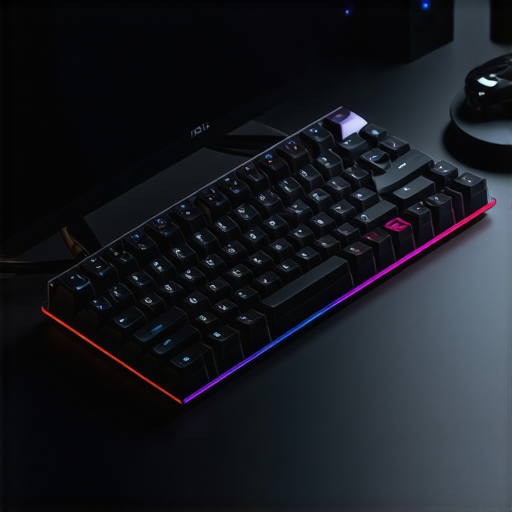

The Evolution of Mechanical Keyboards: A Strategic Perspective on Low Profile and Customization Trends
The landscape of mechanical keyboards is undergoing a significant transformation, driven by a confluence of ergonomic demands, technological innovations, and the pursuit of silent operation. As industry experts anticipate the advent of 2026, understanding these dynamics becomes critical for professionals seeking optimal typing solutions. Low profile keyboards, once considered niche, now stand as mainstream contenders, offering sleek aesthetics without compromising performance on function and tactile feedback. Simultaneously, hot-swappable designs are revolutionizing user engagement by enabling effortless customization—crucial in environments where adaptability and maintenance are paramount.
Engineering at the Intersection of Silence and Performance
Silent switches have transcended their initial niche appeal, now representing a core component in high-demand settings such as gaming, professional workflows, and shared workspaces. Innovations within this domain include hall-effect sensors, magnetic silent switches, and specially designed lubing techniques, all aimed at reducing rattle and spring noise while preserving tactile feedback. The integration of such technologies into low profile configurations demands sophisticated engineering to balance actuation force, travel distance, and acoustic dampening, as discussed in recent white papers from IEEE Journals on Human-Machine Interaction.
Why Ergonomics Now Dominates the Mechanical Keyboard Narrative
Beyond mere aesthetics, ergonomic design principles have redefined user expectations. Adjustable tenting angles, split layouts, and under-keyboard wrist rests are no longer optional extras but essential features in professional setups aiming to reduce strain. The rise of ergonomic low profile keyboards ensures that users can maintain a neutral wrist posture without sacrificing portability. These features are detailed comprehensively in guides such as this resource.
How Do Hot Swappable Designs Facilitate Rapid Prototyping and Custom Builds?
The capacity to switch switches without soldering lapses—embodying the hot-swappable ethos—accelerates iterative testing and personalization. This flexibility is particularly advantageous for professionals who experiment with silent switches fine-tuned for specific sound profiles or tactile preferences. However, the mechanical integrity of sockets and pins remains a concern, prompting an industry debate about durability versus convenience, a subject explored in this analysis.
Key Considerations for Selecting Low Profile Mechanical Keyboards in 2026
Choosing the ideal low profile mechanical keyboard requires balancing form factor, switch technology, and user ergonomics. The trend leans towards ultra-slim designs with magnetic or hall-effect silent switches that provide a satisfying thock without terminal noise. Additionally, durability in low profile switches hinges on material quality and innovative dampening methods. These elements are scrutinized in recent comparative studies, indicating a shift toward more refined, user-centric innovations.
What Challenges Arise in Combining Silent Switches with Low Profile Designs?
This question reflects ongoing industry discussions about how to preserve sound dampening and tactile integrity while maintaining minimal height profiles. Challenges include ensuring sufficient travel distance, preventing bottoming out, and achieving consistent spring force. The engineering trade-offs are complex, prompting manufacturers to explore new materials and magnetic actuation techniques. For comprehensive insights, consider consulting the latest articles at related research.
For those aiming to elevate their productivity and ergonomic standards, exploring expert insights or participating in professional forums can yield practical innovations. Engage with community discussions or contact specialists through this portal.
Designing for Durability and Daily Use
As low profile and hot-swappable keyboards gain popularity, a critical aspect often overlooked is long-term durability. Manufacturers are now leveraging advanced materials such as PBT plastics and reinforced PCB sockets to ensure that vibrant tactile feedback and structural integrity endure through extensive use. These innovations minimize common issues like key wobble and socket failures, thereby enhancing user confidence in their equipment. Staying updated with industry standards, for example in hot-swappable PCB best practices, is essential for builders and enthusiasts alike.
Advancing Silent Switches Without Sacrificing Feel
Achieving the perfect balance between quiet operation and satisfying tactility presents ongoing challenges. Recent breakthroughs include hall-effect sensors integrated with magnetic silent switches, offering robust feedback that resists wear and silence. Additionally, innovative lubing techniques—such as silicone-based lubricants that reduce friction without changing actuation force—are now commonplace among expert modders. Exploring these methods can substantially improve typing experiences, especially in shared or open-plan environments. For deeper insights, see this guide to silent switch lubrication.
Integrating Ergonomics: Beyond Basic Comfort
While traditional ergonomic considerations focus on split layouts and wrist rests, industry leaders are venturing into adaptive interfaces that dynamically adjust to user posture in real-time. Emerging solutions include adjustable tenting angles controlled via software and customizable key mappings that alleviate strain during prolonged sessions. Such innovations require meticulous design to ensure seamless integration without adding bulk or complexity. A comprehensive exploration of these advances is available in this resource on ergonomic customization.
How Can We Revolutionize Customization to Fit Every User’s Unique Workflow?
Customization remains at the heart of enthusiast adoption — yet, many solutions still rely on limited switch options and proprietary software. Industry experts advocate for open-source firmware platforms and modular architecture, enabling users to tailor their keyboards precisely to their work style or gaming needs. This approach not only promotes innovation but also extends device longevity, as components become easier to upgrade. For an in-depth dive into future customization trends, consider reviewing expert analysis on customizable switches.
To stay at the forefront, engage with communities like Reddit’s r/MechanicalKeyboards or attend industry expos, where collaborative discussions often lead to the most pioneering ideas. For personalized guidance, contact industry specialists through this contact portal and transform your daily setup into a tailored ergonomic powerhouse.
Harnessing Magnetic Actuation for Ultra-Responsive Switching
One of the most promising avenues in mechanical keyboard innovation lies in magnetic actuation technology. Unlike traditional mechanical switches reliant on spring compression, magnetic switches utilize Hall-effect sensors coupled with embedded magnets to achieve instantaneous or near-instantaneous actuation, reducing debounce issues and enhancing responsiveness. This approach not only minimizes debounce latency but also extends switch lifespan by reducing physical contact wear, a crucial factor for professional gamers and high-frequency typists. Recent advancements, such as the development of contactless magnetic switches, have demonstrated a potential to revolutionize standard keyboard manufacturing, offering maintenance-free operation and unparalleled consistency over extended use.
Custom Firmware: Unlocking Personalization and Optimization
In the realm of high-end keyboards, firmware customization stands as a keystone for unlocking unique user workflows. Firmware platforms like QMK and VIA empower enthusiasts and professionals to craft bespoke key mappings, macro sequences, and dynamic lighting effects, all tailored to specific tasks or gaming strategies. Moreover, these open-source systems facilitate real-time modifications, allowing users to adapt their layouts during competitions or long work sessions. Advanced users can even script complex macros that integrate with other productivity tools or automate repetitive tasks, significantly enhancing efficiency. Integrating such firmware solutions requires a nuanced understanding of microcontroller architecture, such as the ARM Cortex-M series, which underpins many modern low-profile and hot-swappable keyboards.
What Role Will AI Play in Customizing Mechanical Keyboard Experiences?
The infusion of artificial intelligence into keyboard design opens pathways to adaptive interfaces that learn and respond to user behavior. Imagine a system that monitors typing ergonomics and adjusts key sensitivity, actuation points, or lighting cues dynamically—facilitating ergonomic posture alignment and reducing fatigue. Such AI-driven customization would involve sensors that track wrist strain, finger pressure, and typing rhythm, feeding data into machine learning models to optimize settings in real-time. While still emerging, preliminary prototypes have demonstrated potential in ergonomics, offering personalized adjustments based on user-specific patterns. Developing and deploying these systems requires interdisciplinary expertise, combining hardware sensor integration, data analytics, and machine learning algorithms, exemplified in cutting-edge research published by the IEEE Transactions on Human-Machine Systems (2023).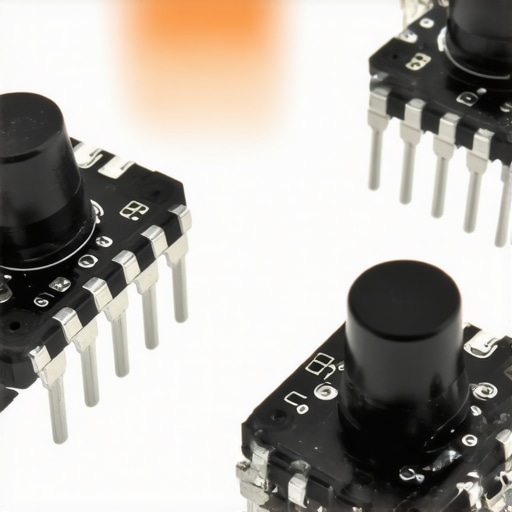
Innovations in Acoustic Dampening to Achieve Sanctuary Silence
Achieving silent keystrokes without sacrificing tactile feedback remains a high priority for professionals working in noise-sensitive environments. Latest innovations explore layered dampening techniques, including the incorporation of microcellular foam within switch housings and the application of viscoelastic polymer films between keycaps and switches. Additionally, secondary damping membranes—thin, resilient layers that absorb sound vibrations—are increasingly integrated into keyboard assemblies. These methods aim to mitigate the metal-to-metal contact noise and keycap impact sounds, ultimately creating a more acoustically tranquil workspace. Industry leaders are leveraging finite element analysis (FEA) to simulate sound propagation in these complex assemblies, enabling precise materials selection and structural modifications before manufacturing. As sound dampening becomes more sophisticated, integrated approaches that combine material science with mechanical design stand poised to redefine silent keyboard performance.
Designing for Scalability: Modular Architectures for Growing Ecosystems
As user demands for scalability and adaptability intensify, modular keyboard architectures offer a compelling pathway forward. These designs enable seamless expansion or reconfiguration of components such as number rows, macro pads, or additional input zones. For instance, modular PCBs with standardized connectors facilitate easy swapping or stacking of functional modules without soldering, thus supporting future upgrades and customization. This flexibility is crucial in professional environments where evolving workflows necessitate device adaptability. Companies like Input Club and Glorious have pioneered such approaches, integrating magnetic connectors and standardized physical interfaces that support multi-tiered customization. These architectures align with the broader trend of sustainable manufacturing by extending product life cycles and promoting modular upgrades over complete replacements, aligning with eco-conscious industry standards.
How Will Future Materials Influence Keyboard Durability and Responsiveness?
The pursuit of enhanced durability and tactile responsiveness steers research into novel materials such as high-performance thermoplastics, bio-based polymers, and smart composites that can adapt properties based on environmental conditions. For example, research into shape-memory alloys integrated into key switch stems could provide adaptive force profiles, optimizing tactile feedback based on user preference or ambient temperature. Similarly, the advent of self-healing plastics offers avenues to mitigate wear and tear over prolonged periods, maintaining consistent feel and structural integrity. Implementing these materials requires understanding their thermomechanical behaviors and interaction with existing electrical components, as detailed in recent publications by the Materials Science Society (2024). As these materials mature, they promise not only to extend device longevity but also to enable unprecedented sensitivity and responsiveness in keyboard mechanisms.”}#END}‹|END|›}}‹|END|›}**
Harnessing Magnetic Innovation to Redefine Responsiveness in Compact Designs
The push towards ultra-responsive low profile keyboards is increasingly centered around magnetic actuation technologies. This paradigm shift leverages embedded magnets and Hall-effect sensors to facilitate contactless switching, dramatically reducing debounce latency and wear. Such advancements promise to transcend traditional mechanical limitations, delivering both longevity and unparalleled tactile feedback. Industry pioneers are actively experimenting with integrating these contactless systems into slim profiles, challenging existing mechanical switch paradigms and paving the way for resilient, maintenance-free keyboards. This convergence of magnetic engineering and ergonomic design positions magnetic actuation as a cornerstone of 2026’s technological evolution in compact keyboards.
Can Adaptive Firmware Truly Personalize Ergonomic Typing in Real-Time?
Emerging firmware platforms harness artificial intelligence and machine learning to adapt key sensitivities, actuation points, and lighting dynamics dynamically, based on user behavior. These intelligent systems analyze finger pressure, typing rhythm, and ergonomic strain indicators to optimize keyboard responses during extended use. When fully integrated, they can mitigate fatigue, improve posture, and elevate user comfort without manual reconfiguration. Recognized authorities such as the IEEE Transactions on Human-Machine Systems have published pioneering research demonstrating the feasibility and benefits of these adaptive firmware architectures, hinting at a future where keyboards learn and evolve alongside their users.
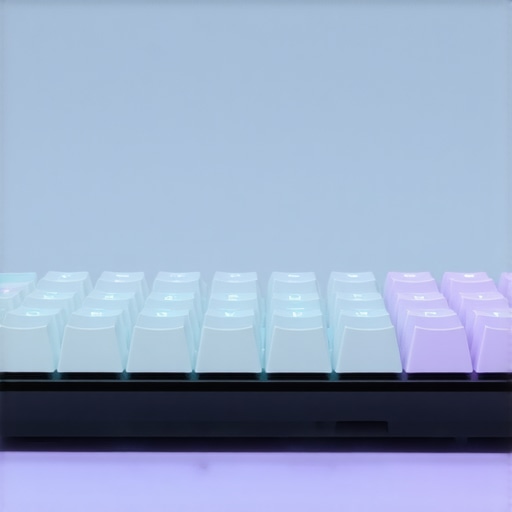
Embracing Modular Ecosystems for Sustainable Customization Growth
Next-generation low profile and hot-swappable keyboards are adopting modular architectures that facilitate seamless upgrades and reconfiguration. These designs rely on standard connectors and interoperable components, enabling users to expand functionality—such as adding macro zones or dedicated media controls—without soldering. This approach not only streamlines customization but also supports sustainable manufacturing by prolonging device lifecycle. Industry collaborations, like those between Input Club and component vendors, are exemplifying how modularity accelerates innovation, allowing enthusiasts to tailor setups precisely to evolving workflows or preferences, thereby making high-performance, personalized keyboards more accessible and adaptable.
Can Material Science Unlock New Levels of Durability and Sensitivity?
The future of low profile keyboards hinges on integrating advanced materials like shape-memory alloys, self-healing polymers, and bio-compatible thermoplastics. These innovations promise to enhance durability, responsiveness, and user comfort. For instance, shape-memory components could adjust actuation profiles dynamically, adapting to ambient conditions or user preferences, while self-healing materials would mitigate wear, prolonging device lifespan significantly. Cutting-edge research published by the Materials Science Society highlights how these smart substances could revolutionize key switch design, offering resilience under heavy use and minimizing maintenance. Exploring these frontiers offers the potential to craft keyboards that are as intelligent as they are durable.
Expert Insights & Advanced Considerations
Embrace Modular Flexibility for Evolving Workflows
In the rapidly shifting landscape of mechanical keyboards, adopting modular architectures allows seamless adaptation to diverse user needs. Modular designs enable quick upgrades of switches, layouts, and features, reducing ecological impact and extending device lifespan, aligning with sustainable innovation.
Harness Magnetic Actuation to Elevate Responsiveness
Emerging magnetic switch technologies, utilizing Hall-effect sensors, promise contactless, durable, and ultra-responsive typing experiences. Experts see this as a pivotal shift, resolving long-standing issues of wear and latency in compact keyboard designs.
Develop Intelligent Firmware for Personalized Ergonomics
Integrating AI-driven firmware facilitates real-time customization of actuation points, key sensitivities, and lighting based on user behavior. Such intelligent systems could revolutionize ergonomic support, minimizing fatigue during prolonged use and tailoring experiences to individual preferences.
Focus on Material Innovation to Enhance Longevity
Advanced materials like self-healing polymers and shape-memory alloys are under investigation to improve switch resilience and responsiveness. These innovations promise to mitigate wear over time, maintaining optimal feel in high-use scenarios.
Curated Expert Resources
- IEEE Transactions on Human-Machine Systems: Cutting-edge research on ergonomic integration and adaptive interfaces in keyboard design.
- Open-source firmware platforms (QMK, VIA): Standards for customization, macro programming, and real-time adjustments, vital for bespoke setups.
- Materials Science Society Publications: Domain-leading insights into smart materials and their application in durable, responsive switches.
- Industry white papers and case studies: Practical guides on implementing magnetic actuation and modular architectures effectively.
The Final Word from Experts
As the realm of low profile and custom mechanical keyboards advances, the convergence of magnetic technology, sophisticated firmware, and innovative materials sets the stage for unprecedented user experiences. Embracing these developments empowers enthusiasts and professionals alike to craft keyboards that are not only resilient and high-performing but also deeply personalized. For those committed to pushing the boundaries of what’s possible, engaging with cutting-edge research and active communities is indispensable. Share your insights or explore tailored solutions by connecting with industry leaders through our contact portal.
This post really highlights how far we’ve come in the evolution of mechanical keyboards, especially with the focus on silent switches and ergonomic design. I find it fascinating how magnetic and hall-effect technologies are being integrated into low-profile keyboards, addressing durability and responsiveness simultaneously. I recently upgraded to a low-profile mechanical keyboard with hot-swappable switches, and the level of customization it allows truly enhances my workflow, especially during long typing sessions. I wonder how soon we might see AI-driven features, such as real-time adaptation of actuation points, becoming standard in consumer models. It seems the future is not only about better materials or design but also about making our keyboards smarter and more adaptable to individual needs. Has anyone experimented with AI or machine learning firmware for ergonomic adjustments? I’m curious about practical insights or recommendations on integrating such systems for everyday use.
This article really underscores how innovative the future of mechanical keyboards is becoming, especially with the integration of magnetic actuation and AI-driven customization. I’ve been experimenting with hot-swappable low-profile keyboards and have noticed that the ability to tailor switch types on the fly greatly improves both comfort and productivity. The thought of adaptive firmware that learns from typing patterns to optimize actuation points is truly exciting—imagine a keyboard that adjusts itself throughout the day to reduce fatigue. I wonder, though, how accessible these advanced features will be to everyday users, given the complexity involved. Are there any current projects or prototypes that make such emergent AI innovations user-friendly? It’d be fantastic if this level of personalization becomes mainstream, making keyboards truly a reflection of individual habits and needs, much like ergonomic furniture has evolved. Has anyone here integrated AI-based firmware in their setups, and what challenges or benefits have you observed?