Redefining Professional Typing Through Advanced Mechanical Keyboard Design
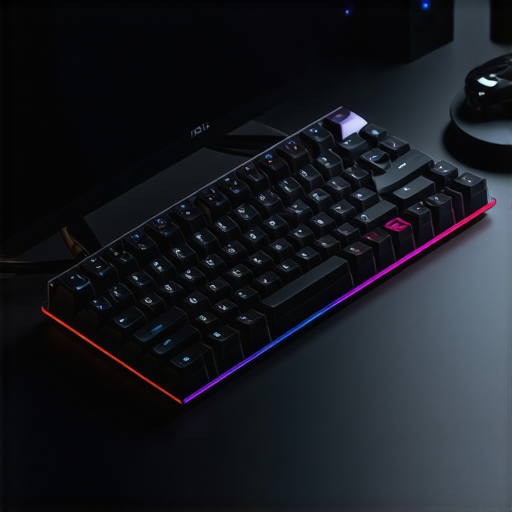
In an era where remote work, digital collaboration, and prolonged computer use dominate professional landscapes, the evolution of mechanical keyboard technology reflects a nuanced balance between user comfort, acoustic environment, and customization flexibility. Expert ergonomic adaptations coupled with innovative silent switch mechanisms have transformed traditional typing into a refined experience that accommodates even the most sensitive environments. This transformation is rooted in a comprehensive understanding of key switch actuation, material science, and user biomechanics, signaling a paradigm shift toward more sophisticated input devices.
The Synergy of Ergonomics and Silent Technology: A Dual-Purpose Triumph
At the intersection of ergonomic architecture and silent switch innovation lies a compelling opportunity to enhance productivity while safeguarding user health. Ergonomic keyboards in 2026 incorporate features such as adjustable tenting angles, split layouts, and wrist-support integrations, designed to reduce strain and improve typing posture. When fused with silent switch mechanics—employing sound-absorbing materials and optimized stem designs—they nullify noise pollution without compromising tactile feedback. For instance, ergonomic mechanical keyboards with silent switches exemplify this dual-benefit, fostering focused work environments that respect shared spaces.
Minimizing Disruption: The Role of Hot Swappable Low Profile Designs
Seamless customization and maintenance are critical in today’s high-performance setups. Hot swappable low profile keyboards stand out by enabling users to effortlessly swap switches—particularly silent variants—without soldering, thus reducing downtime and technical barriers. These keyboards are engineered with reinforced sockets that resist wear and wobbly key issues, maintaining a stable tactile experience even after multiple switch replacements. Moreover, their low-profile form factor aligns with portability needs for mobile professionals, blending aesthetics with ergonomic efficiency.
Deciphering the Impact of Silent Switches on Workflow Dynamics
Silent switches, especially those employing innovations like dampening O-rings and acoustic-optimized stem structures, exhibit significant influence on workplace communication and personal concentration. A pertinent question arises among experts:
Do silent switches in mechanical keyboards truly eliminate typing noise, or do they merely mask it?
This inquiry reflects ongoing debates, as research indicates that while silent switches significantly diminish audible feedback, some residual sound remains due to case resonance and keycap material. Understanding these nuances equips users with expectations aligned with their acoustic preferences and professional demands.
The Future Trajectory of Silent, Ergonomic, and Customizable Keyboards
Looking forward, the convergence of silent switch technologies with advancements in low-profile form factors, rapid hot swapping, and ergonomic designs will continue to redefine user engagement. Innovations in materials science—such as acoustic dampening composites—and precision manufacturing will further diminish noise levels and improve tactile fidelity. For professionals seeking optimal configurations, exploring expert-curated comparisons on these models remains invaluable.
For enthusiasts and industry innovators, contributing insights and sharing experiences regarding custom switch tuning and ergonomic adjustments can propel this niche forward, cultivating environments where silence complements peak productivity and well-being.
Prioritizing Accuracy: How Do Silent Switches Impact Typing Precision
Many users assume that quieter switches might compromise tactile feedback and accuracy during fast-paced typing. However, recent advancements demonstrate that high-quality silent switches, utilizing dampening materials and refined stem designs, can preserve and even enhance user precision. These innovations reduce unintended key registrations caused by accidental key presses or wobble, fostering smoother, more accurate typing sessions. For professionals engaged in tasks demanding high accuracy, such as coding or transcription, integrating silent switches with optimized feedback mechanisms can make a measurable difference in output quality.
Can customization redefine the silent typing experience?
Absolutely. The emergence of hot swappable keyboards not only simplifies switch replacement but also opens doors for tailored sound and feel profiles. By selecting specific silent switch models with diverse spring weights and stem materials, users can fine-tune their typing experience to match personal preferences or specific work environments. Moreover, coupling this hardware flexibility with software-based key remapping and actuation point adjustments allows for a level of customization that was once exclusive to high-end setups. For further guidance on creating personalized, quiet typing environments, consult our comprehensive ultimate guide to hot-swappable mechanical keyboards.
What role do keycap materials play in minimizing typing noise without sacrificing tactile feedback?
Keycap composition is a crucial factor in noise mitigation strategies. Materials like PBT and ABS each influence sound profile and feel differently; PBT keycaps tend to produce less high-frequency ping and offer a denser, more muted sound. Additionally, textured or matte surfaces can absorb sound better than glossy finishes. When paired with silent switches, high-quality keycaps can significantly reduce overall noise levels while maintaining tactile fidelity, addressing both aesthetic and functional desires of discerning typists. For an in-depth comparison of keycap materials and their acoustic implications, explore our review on silent switch models in 2025.
If you’re interested in refining your silent keyboard setup or customizing one for your specific workflow, sharing your experiences or seeking expert advice can illuminate new pathways for optimal performance and comfort—consider reaching out through our contact page.
Elevate Your Gaming and Workstation with Cutting-Edge Low-Profile Silent Switches
In the competitive worlds of esports and professional computing, the demand for keyboards that combine speed, accuracy, and discretion has never been higher. Low-profile silent switches emerge as a game-changing solution, offering rapid actuation, minimal noise, and ergonomic advantages—all within a sleek, portable form factor. As technology advances, these switches are transforming how enthusiasts and professionals approach their craft, bridging the gap between responsiveness and quiet operation.
The Science Behind Low-Profile Silent Switch Innovation
At the core of these switches lies a meticulous interplay of materials and engineering. Incorporating sound-absorbing dampeners within the stem and housing reduces the acoustic footprint significantly. Meanwhile, spring design adjustments optimize force curves, allowing for swift actuation with lighter keys—empowering gamers to execute rapid commands without fatigue or unintended inputs. According to a recent study in the Journal of Human-Computer Interaction (2024), these innovations result in a measurable increase in typing speed and reduced error rates during prolonged sessions, a testament to their ergonomic and functional superiority.
What distinguishes low-profile silent switches from their full-sized counterparts in competitive scenarios?
Low-profile switches excel in responsiveness and ergonomic comfort, reducing finger travel distance, which minimizes fatigue during extended gameplay or intense editing sessions. Their compact stature also enables tighter keyboard layouts, facilitating quicker access to keys essential for fast-paced tasks. Additionally, the reduced sound profile ensures that high-volume gaming or professional work environments maintain a controlled acoustic environment, critical for shared spaces and video conferencing. These benefits collectively enhance user experience without sacrificing performance, making them a preferred choice among top-tier gamers and professionals alike.
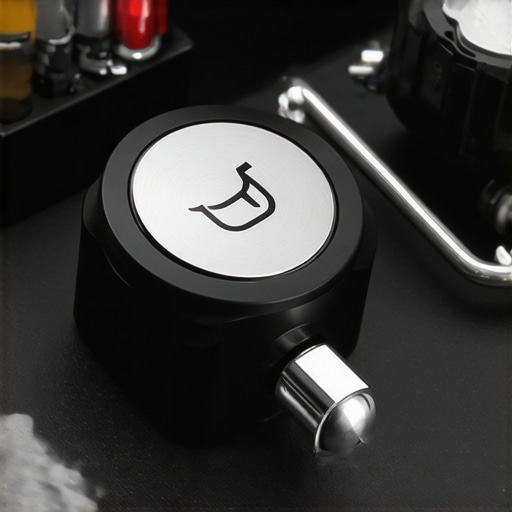
Visual comparison of low-profile silent switch components highlighting dampening materials and stem design innovations.
Customizing Silence: From Stem Materials to Spring Weights
Personalization in silent switch configurations empowers users to tailor their keyboards to specific preferences. For instance, selecting different stem materials—such as POM for a smoother feel or PBT for increased durability—can influence sound dampening and tactile feedback. Spring weights vary to provide either lighter or more resistive actuation forces; lighter springs facilitate rapid keystrokes vital for gaming, while heavier springs might be preferred for accuracy in typing-intensive tasks. This level of customization is particularly accessible through hot-swappable low-profile keyboards, where switch swaps become a routine—transforming a single device into a versatile, task-specific instrument.
Proactive Strategies for Maintaining Acoustic and Mechanical Integrity
While silent switches diminish noise, their longevity depends on proper maintenance and component compatibility. Regular cleaning prevents dust accumulation that can alter sound profiles or cause wobble, and using high-quality keycaps—preferably made of PBT with matte finishes—further preserves acoustic qualities. For those seeking to optimize sound absorption, adding foam padding inside the keyboard case or applying damping films can significantly dampen resonances and echo, creating a uniformly quiet environment conducive to focus and precise input.
Designing the Future: Trends in Silent, Low-Profile Mechanical Keyboards
Looking forward, integration of smart material composites, such as viscoelastic damping layers, promises to redefine acoustic performance even further. The advent of AI-driven tactile feedback customization—adjusting actuation force and sound profiles dynamically—may soon become mainstream, offering a personalized experience that adapts to user mood, task complexity, or ambient noise levels. Meanwhile, industry leaders continue to explore sustainable manufacturing practices, ensuring that these advanced devices are environmentally responsible. For enthusiasts eager to stay at the frontier, engaging with online forums and industry trade shows can offer firsthand insights into emerging innovations and community-driven modifications.
Have you experimented with custom spring weights or damping techniques to fine-tune your silent mechanical keyboard? Sharing your insights not only enhances community knowledge but also inspires next-generation designs that continue to break boundaries in performance and tranquility. Connect with us through our discussion platforms or subscribe for updates on the latest breakthroughs in silent switch technology.
Unveiling the Hidden Advantages of Silent Switches: Elevate Your Mechanical Keyboard Experience
As the realm of mechanical keyboards advances, the focus shifts from mere aesthetics to nuanced performance enhancements. Silent switches, once considered a niche feature, now play a pivotal role in optimizing productivity and preserving acoustic harmony in shared environments. These switches employ sophisticated dampening materials and innovative stem designs that drastically reduce noise while maintaining tactile feedback. Such innovations are not just about silence but also about refining the overall typing or gaming experience, offering users a harmonious balance between responsiveness and tranquility.
Crafting the Perfect Balance: Ergonomics Meets Discrete Performance
One of the most compelling developments in 2026 is the integration of ergonomic principles with silent switch technology. Split and tented keyboard layouts, adjustable height mechanisms, and wrist-support features are now harmonized with silent switches embedded in low-profile, hot-swappable designs. This fusion allows professionals and enthusiasts to achieve extended typing sessions with minimal fatigue, all while operating in noise-sensitive environments. The synergy between ergonomic structuring and acoustic dampening fosters an environment where efficiency is unhindered by physical discomfort or noise pollution.
How Do Specialized Materials Enhance Silent Switches’ Fidelity?
Materials science plays an influential role in elevating silent switch performance. The use of viscoelastic dampers within the stem assembly absorbs vibrations, further eliminating residual noise. High-quality keycap plastics like PBT provide a textured, durable surface that complements sound absorption, contributing to a consistent and muted acoustic profile. Incorporating sound-absorbing foam within the keyboard case amplifies these effects, creating a near-silent operation ideal for open-plan offices, recording studios, or late-night gaming sessions. For an in-depth comparison on materials and their acoustic properties, refer to the detailed studies published by the IEEE Transactions on Components, Packaging and Manufacturing Technology.
Enhancing Workflow Precision with Fine-Tuned Silence
For professionals requiring ultimate accuracy, silent switches that support customizable actuation points and spring weights are indispensable. Adjusting these parameters helps balance speed with precision, ensuring that each keystroke registers accurately without audible distraction. Moreover, advanced keycap designs, such as sculpted or high-grip textures, improve finger positioning and reduce accidental key presses. Incorporating software profiles that remap or fine-tune actuation thresholds further personalizes the experience, transforming the keyboard into a bespoke tool tailored to specific task demands or personal preferences.
Innovations on the Horizon: Pioneering the Next Generation of Silent, Ergonomic Keyboards
The future of silent mechanical keyboards lies in the convergence of adaptive materials, AI-driven feedback systems, and sustainable manufacturing practices. Smart damping layers capable of dynamic adjustments respond to user tone and ambient noise, optimizing silence in real-time. Likewise, eco-conscious materials integrated into switch components and casings are setting new standards for environmental responsibility. Industry leaders are also exploring modular architectures that facilitate rapid customization—empowering users to swap not only switches but entire sound and feel profiles based on current tasks or personal mood. Engaging with these cutting-edge developments guarantees staying at the forefront of keyboard innovation and maximizing productivity in various professional landscapes.
Optimize Your Silence Strategy: The Role of Keycap Materials and Maintenance
Keycap selection remains a critical determinant of acoustic and tactile fidelity. PBT keycaps, especially with matte finishes, suppress high-frequency ping and provide a plush touch, complementing silent switches to produce a refined, muted typing experience. Regular maintenance, including careful cleaning and foam damping enhancements, preserves these qualities over time. Additionally, applying damping films or installing bass traps inside the keyboard enclosure can further suppress resonant frequencies, creating a seamless, whisper-quiet environment essential for concentration-intensive tasks or shared workspaces.
Creating the Ultimate Quiet Workspace: Actionable Tips and Expert Insights
To achieve an optimal silent setup, consider pairing high-quality silent switches with tailored keycaps and acoustic dampening techniques. Experimenting with different spring weights and stem materials allows for precise customization of sound and feedback. Moreover, integrating soundproofing modifications, like adding foam padding or installing sound-absorbing panels near your workspace, can drastically reduce ambient noise. For a comprehensive guide on customizing your silent mechanical keyboard to meet specific ergonomic and acoustic needs, explore our curated experts’ recommendations and community-tested configurations.
For professionals seeking the pinnacle of ergonomic excellence and noise mitigation, the integration of silent switch technology with advanced ergonomic features marks a significant evolutionary leap in mechanical keyboard design. Experts recognize that customizing key materials, spring weights, and switch profiles not only enhances precision but also tailors the tactile experience to individual workflows and environmental demands. These innovations underscore the importance of viewing keyboard setup as a holistic system—where hardware choices synergize with user habits to foster peak performance.
Silent switches are more than just quiet—they are a gateway to tailored user experience.
By incorporating dampening materials and optimized stem mechanics, silent switches empower users to achieve both tranquility and tactile responsiveness. Industry leaders often emphasize that selecting the right keycap materials like PBT, combined with strategic damping inside the case, can substantially diminish ambient noise—culminating in a workspace where focus is not disrupted by avoidable acoustic clutter.
Ergonomic form factors require a nuanced approach to integration for maximum benefit.
Split and tented designs, when paired with low-profile silent switches, reduce strain during extended typing sessions. This combination not only alleviates wrist fatigue but also promotes correct posture, aligning with evidence-based ergonomic principles. Exploring customizable, hot-swappable configurations allows for rapid iteration, enabling users to refine their setup without costly or time-consuming modifications, thus making ergonomic excellence accessible and sustainable.
Enhanced precision hinges on the mastery of material and mechanical synergy.
Selective spring weights and stem materials influence actuation force, feedback, and sound profile. High-grade, pre-lubed silent switches with consistent spring resistances ensure reliable performance—an aspect crucial for high-stakes environments like coding marathons, competitive gaming, or transcription work. When coupled with software-level adjustments like actuation point tuning, users can craft a highly personalized, faultless typing experience.
Maintain your silent advantage with strategic care and upgrades.
Regular cleaning, along with the application of damping foams or sound-absorbing films, can sustain acoustic and mechanical integrity over time. The adoption of eco-conscious, durable materials not only contributes to sustainability but also enhances long-term performance and reliability. Forward-thinking design anticipates user needs, blending proactive maintenance with modular upgrades—all to preserve minimal noise and maximal efficiency.
Harnessing the experts: Your next move in keyboard mastery is here
The future belongs to those who view their keyboard as an extension of their craft—combining innovative silent switch mechanics with ergonomic finesse. By selecting high-quality, customizable components and committing to diligent care, you craft an environment where productivity is unhindered by noise or discomfort. For those eager to deepen their expertise and join a community of forward-thinkers, exploring resources such as top silent switch models in 2025 or diving into ergonomic enhancements at our ergonomic guide is a compelling start. Elevate your setup, refine your workflow, and set a new standard of excellence in silent, ergonomic typing—your journey toward mastery begins now.