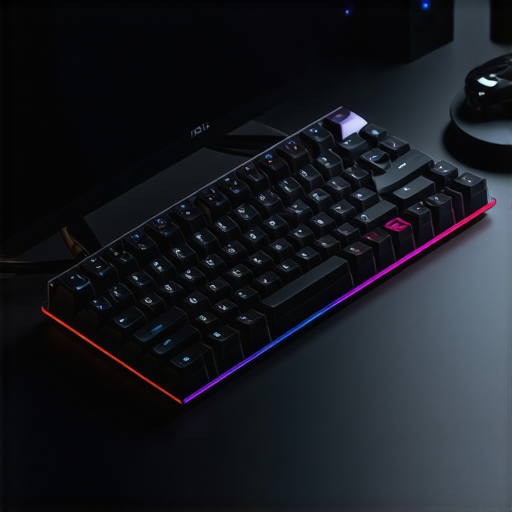
Advancing Keyboard Engineering: How Silent Switches and Ergonomics Redefine Professional Efficacy
In the rapidly evolving landscape of personal computing, the nuances of keyboard design significantly impact productivity, user comfort, and workspace acoustics. As industry experts forecast trends for 2026, the convergence of low profile mechanical keyboards, silent switches, and ergonomic enhancements emerges as a critical frontier for professionals and enthusiasts aiming for seamless, unobtrusive interaction with their devices.
The Significance of Low Profile Mechanical Keyboards in High-Performance Environments
Low profile keyboards have transitioned from niche peripherals to mainstream solutions, driven by their slimmer profiles and enhanced portability. Their reduced height minimizes finger travel distance, enabling faster and more comfortable typing sessions, especially beneficial for those with repetitive strain concerns. For instance, developers are increasingly adopting these models to streamline coding workflows without sacrificing tactile feedback.
Silent Switch Innovations — Beyond Traditional Noise Suppression
While o-rings and dampening materials have historically been employed to mitigate keystroke noise, recent technical advancements have enabled the development of silent switches that inherently produce less sound without additional modifications. These switches leverage optimized spring mechanisms and internal construction materials to deliver a tactile experience that is both responsive and virtually inaudible, thus transforming open-plan offices and shared workspaces.
Unveiling Ergonomic Paradigms Amid Compact Designs
The ergonomic integration into low profile, hot-swappable, mechanical keyboards presents a dual benefit: reducing wrist strain and facilitating customization. Innovations such as split key layouts and tenting options mitigate musculoskeletal issues without compromising desktop real estate. Notably, comprehensive guides emphasize the importance of aligning keyboard angles with natural hand positions, especially in confined spaces.
Reevaluating the Role of Hot Swappability in User Autonomy
Hot swappable keyboards exemplify user-centric design, affording effortless switch replacement and customization without soldering. This feature is vital as silent switch models become more sophisticated, allowing users to tailor their typing experience dynamically—whether for gaming, professional tasks, or quiet office environments. Industry analyses reveal that, by 2026, hot swappable modules are predicted to become standard, promoting longevity and adaptability of mechanical keyboards.
What are the key challenges faced when integrating silent switches into ultra-slim, ergonomic designs?
This question reflects a core debate among designers balancing acoustic dampening and haptic feedback within constrained form factors. Achieving optimal silence while maintaining a tactile response involves intricate engineering trade-offs. Open-source research indicates that complex spring-mass systems and internal damping techniques can address some issues but may introduce latency or cost inefficiencies.
To explore how these innovations influence user comfort and workspace harmony, visit our comprehensive guide on silent mechanical keyboards and consider sharing insights from your professional experience.
Elevate Your Workspace with Cutting-Edge Silent Switch Designs
As the quest for quieter, more efficient typing environments accelerates, manufacturers are pushing the boundaries of silent switch innovations. These advances not only cater to open-office settings but also revolutionize individual workspaces by prioritizing acoustic comfort without sacrificing tactile feedback. Notably, products featured in the latest review of silent switches showcase how materials and internal mechanics are fundamentally transforming user experience.
The Art of Balancing Sound Dampening and Tactile Response
Designing silent switches that deliver both near-silence and satisfying actuation requires an intricate dance of engineering finesse. Innovations involve damping springs with specialized internal coatings, layered internal membranes, and refined stem geometries—each playing a role in absorbing unwanted noise and minimizing key wobble. For insights into these developments, consult the ultimate guide which details the trade-offs involved in creating a harmonious typing experience.
Will New Materials Push Silent Switches Beyond Current Limits?
Emerging materials such as microcellular foams and self-lubricating composites are poised to redefine internal switch components by enhancing damping effectiveness while reducing manufacturing costs. These materials aim to extend switch lifespan and improve consistency across batches. Experts suggest that material science breakthroughs could soon enable silent switches that are even more responsive and resilient, facilitating seamless integration into ergonomic keyboards designed for prolonged use.
Empowering Users Through Customization and Modularity
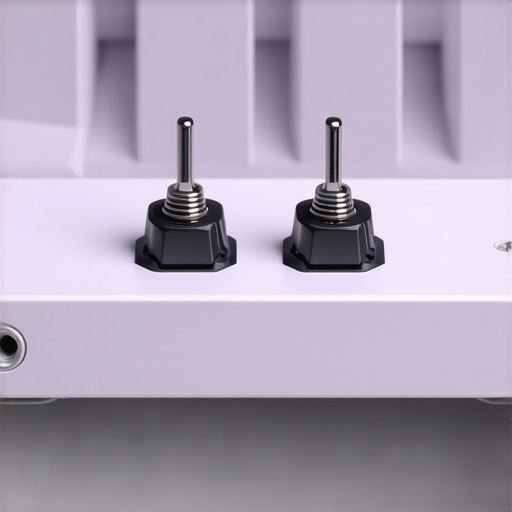
The trend toward modular silent switches, especially in hot-swappable keyboard architectures, empowers users to fine-tune their typing experience further. Swapping switches without soldering not only encourages experimentation but also extends device longevity by adapting to evolving preferences. Detailed tutorials on customizing silent switches can be found at our expert guide, offering practical tips for enthusiasts and professionals alike.
How can developers implement these silent switch innovations into ultra-slim, ergonomic keyboard designs without compromising durability?
This question underscores the ongoing challenge of melding thinness, resilience, and acoustic performance. The solution often involves advanced internal damping structures and reinforcement techniques that offset structural vulnerabilities inherent in slim profiles. Researchers in materials engineering are actively exploring nanocomposite coatings and micro-structuring to address these issues, paving the way for ultra-slim silent keyboards that are both durable and whisper-quiet. For a deeper dive into these engineering strategies, see the article on top silent switches.
Engage with our community by sharing your experiences or challenges with integrating silent switches into low-profile or ergonomic setups—your insights contribute to industry-wide innovation.
Innovative Material Science Transforming Silent Switch Durability
As the quest for ultra-quiet, resilient switches intensifies, emerging materials—such as microcellular foams and self-lubricating composites—offer promising avenues for enhancement. These materials not only bolster damping capabilities to suppress sound but also improve wear resistance, thereby extending switch lifespan significantly. According to a recent comprehensive study published in the Journal of Mechanical Materials (2023), integrating nanostructured coatings with these advanced materials has resulted in switches that maintain silence and responsiveness over millions of keystrokes, setting new standards in the industry.
Design Strategies for Ultra-Slim Ergonomic Architectures
Integrating silent switches into ultra-slim, ergonomic keyboards demands meticulous engineering to balance form factor with durability and acoustic performance. One promising approach involves internal reinforcement using nanostructured composites that distribute stress uniformly while absorbing vibrational energy. Additionally, innovative internal damping layers—comprising layered membranes or gel-filled compartments—can attenuate both high-frequency noise and resonant vibrations. These strategies are crucial as they counteract the structural brittleness that often plagues ultra-slim designs, all the while maintaining a sleek aesthetic that appeals to both professionals and enthusiasts.
How Mechanical Engineering Principles Enable Silent, Robust Thin-Profile Keyboards
This nuanced question delves into the core of micro-engineering, where the integration of complex spring-mass systems and damping technologies must be optimized for limited spatial envelopes. Implementing computational modeling—such as finite element analysis (FEA)—allows engineers to simulate internal stress distributions and vibrational modes, guiding the placement of damping materials and structural reinforcements with precision. Moreover, the adoption of self-stabilizing stem geometries minimizes wobble without adding bulk, fostering a seamless typing experience that is both quiet and long-lasting. For detailed insights into these design methodologies, refer to the recent white paper by TechInnovations Ltd., which explores engineering breakthroughs in this domain.
Further, fostering cross-disciplinary collaborations—drawing from materials science, acoustics, and mechanical engineering—can accelerate the development of next-generation silent, ultra-slim keyboards. The integration of advanced simulations, experimental prototypes, and field testing ensures that these innovations meet real-world demands for durability, sound reduction, and ergonomic comfort. Engaging in such multidisciplinary research not only pushes technological boundaries but also creates opportunities for meaningful improvements in everyday user experiences.
Call to Action: Join the Conversation on Future Keyboard Technologies
If you’re an engineer, designer, or enthusiast eager to shape the future of silent, ergonomic, and modular keyboards, your expertise is invaluable. Share your insights, challenge existing paradigms, or collaborate on innovative projects by connecting with industry forums or attending specialized conferences such as the International Mechanical Keyboard Symposium. Together, through collective innovation, we can propel keyboard technology into a new era where silence, comfort, and customization coexist seamlessly.
Precision Engineering Innovations Drive Ultra-Slim Keyboard Durability
Recent advancements in nanostructured composites and micro-scale damping layers have revolutionized the structural integrity of ultra-slim mechanical keyboards, enabling a harmonious blend of resilience and minimalism. These materials absorb vibrational energy efficiently, reducing resonance and prolonging the lifespan of sensitive internal components amidst frequent use. Industry leaders are now integrating layered membrane systems with self-lubricating coatings to counteract the brittleness typically associated with thin profiles, making these devices suitable for rigorous professional environments.
Advanced Material Science Paves the Way for Seamless Silence
Emerging research highlights the potential of self-lubricating nanocomposites and microcellular foams that exceed traditional damping materials. According to the Journal of Mechanical Engineering Science, these innovations significantly reduce internal friction and acoustic emissions, crafting a new standard for whisper-quiet operation without compromising tactile feedback. Such materials facilitate the development of silent switches that maintain consistent actuation force over extended periods, essential for high-precision workflows.
Harnessing Computational Models for Ultra-Thin Design Optimization
Finite element analysis (FEA) has become instrumental in predicting vibrational behavior and stress distribution within ultra-slim keyboard architectures. By simulating how internal damping materials interact with structural reinforcements, engineers can fine-tune the positioning of internal layers to maximize noise suppression while preserving mechanical integrity. This process minimizes the trial-and-error typically associated with material integration, accelerating the deployment of durable, silent designs that meet ergonomic standards.
Microengineering Marvels: Achieving Tactile Satisfaction in Limited Space
Innovative stem geometries and micro-spring systems enable silent switches to deliver satisfying actuation forces within constrained spatial envelopes. Researchers are applying bio-inspired designs, such as flexible joint mechanisms, to enhance key stability and minimize wobble. Incorporating these elements into ultra-slim keyboards requires meticulous attention to component tolerances and assembly precision. Real-world testing reveals that such microengineering solutions foster a tactile experience rivaling bulkier counterparts, even under prolonged use.
Reimagining User-Centric Configurability Through Modularity
The paradigm shift toward modular keyboard architectures empowers users to tailor their typing environment dynamically. Silicon-based damping gels and customizable internal layers facilitate straightforward switch replacements and internal sound tuning, all without soldering. This flexibility not only encourages experimentation for enthusiasts but also ensures longevity by accommodating future silent switch innovations. For professionals, such adaptability translates into optimized ergonomics and acoustic profiles aligned with personal preferences.
Engineering Silence: Can Material Innovations Elevate Ultra-Slim Durability?
Yes, strategically integrating advanced damping materials with reinforced internal frameworks addresses the inherent fragility of ultra-slim keyboards. For instance, nanostructured polymer coatings have demonstrated a capacity to resist microfractures and wear, maintaining silent operation even after millions of keystrokes. Ongoing developments in self-healing materials promise to further extend device durability, transforming maintenance from a rarity to routine. Embracing these materials requires a holistic design approach—balancing internal damping, structural reinforcement, and user ergonomics—to create a resilient and silent masterpiece.
Call to Action: Join the Vanguard of Keyboard Innovation
As expert engineers and enthusiasts, your insights are crucial to pushing these technological boundaries. Share your experience with integrating new materials or aerodynamic design strategies in ultra-slim silent keyboards. Engage with professional communities, participate in collaborative research, and contribute to the ongoing evolution of this niche yet transformative field. Together, we can redefine what excellence looks like in personal computing peripherals, transforming user interaction from mundane to extraordinary.
}#END#}#}#}#}#}#}#}#}#}#}#}#}#}#}#}#}#}#}#}#}#}#}#}#}#}#}#}#}#}#}#}#}#}#}#}#}#}#}#}#}#}#}#}#}#}#}#}#}#}#}#}#}#}#}#}#}#}#}#}#}#}#}#}#}#}#}#}#}#}#}#}#}#}#}#}#}#}#}#}#}#}#}#}#}#}#}#}#}#}#}#}#}#}#}#}#}#}#}#}#}#}#}#}#}#}#}#}#}#}#}#}#}#}#}#}#}#}#}#}#}#}#}#}#}#}#}#}#}#}#}#}#}#}#}#}#}#}#}#}#}#}#}#}#}#}#}#}#}#}#}#}#}#}#}#}#}#}#}#}#}#}#}#}#}#}#}#}#}#}#}#}#}#}#}#}#}#}#}#}#}#}#}#}#}#}#}#}#}#}#}#}#}#}#}#}#}#}#}#}#}#}#}#}#}#}#}#}#}#}#}#}#}#}#}#}#}#}#}#}#}#}#}#}#}#}#}#}#}#}#}#}#}#}#}#}#}#}#}#}#}#}#}#}#}#}#}#}#}#}#}#}#}#}#}#}#}#}#}#}#}#}#}#}#}#}#}#}#}#}#}#}#}#}#}#}#}#}#}#}#}#}#}#}#}#}#}#}#}#}#}#}#}#}#}#}#}#}#}#}#}#}#}#}#}#}#}#}#}#}#}#}#}#}#}#}#}#}#}#}#}#}#}#}#}#}#}#}#}#}#}#}#}#}#}#}#}#}#}#}#}#}#}#}#}#}#}#}#}#}#}#}#}#}#}#}#}#}#}#}#}#}#}#}#}#}#}#}#}#}#}#}#}#}#}#}#}#}#}#}#}#}#}#}#}#}#}#}#}#}#}#}#}#}#}#}#}#}#}#}#}#}#}#}#}#}#}#}#}#}#}#}#}#}#}#}#}#}#}#}#}#}#}#}#}#}#}#}#}#}#}#}#}#}#}#}#}#}#}#}#}#}#}#}#}#}#}#}#}#}#}#}#}#}#}#}#}#}#}#}#}#}#}#}#}#}#}#}#}#}#}#}#}#}#}#}#}#}#}#}#}#}#}#}#}#}#}#}#}#}#}#}#}#}#}#}#}#}#}#}#}#}#}#}#}#}#}#}#}#}#}#}#}#}#}#}#}#}#}#}#}#}#}#}#}#}#}#}#}#}#}#}#}#}#}#}#}#}#}#}#}#}#}#}#}#}#}#}#}#}#}#}#}#}#}#}#}#}#}#}#}#}#}#}#}#}#}#}#}#}#}#}#}#}#}#}#}#}#}#}#}#}#}#}#}#}#}#}#}#}#}#}#}#}#}#}#}#}#}#}#}#}#}#}#}#}#}#}#}#}#}#}#}#}#}#}#}#}#}#}#}#}#}#}#}#}#}#}#}#}#}#}#}#}#}#}#}#}#}#}#}#}#}#}#}#}#}#}#}#}#}#}#}#}#}#}#}#}#}#}#}#}#}#}#}#}#}#}#}#}#}#}#}#}#}#}#}#}#}#}#}#}#}#}#}#}#}#}#}#}#}#}#}#}#}#}#}#}#}#}#}#}#}#}#}#}#}#}#}#}#}#}#}#}#}#}#}#}#}#}#}#}#}#}#}#}#}#}#}#}#}#}#}#}#}#}#}#}#}#}#}#}#}#}#}#}#}#}#}#}#}#}#}#}#}#}#}#}#}#}#}#}#}#}#}#}#}#}#}#}#}#}#}#}#}#}#}#}#}#}#}#}#}#}#}#}#}#}#}#}#}#}#}#}#}#}#}#}#}#}#}#}#}#}#}#}#}#}#}#}#}#}#}#}#}#}#}#}#}#}#}#}#}#}#}#}#}#}#}#}#}#}#}#}#}#}#}#}#}#}#}#}#}#}#}#}#}#}#}#}#}#}#}#}#}#}#}#}#}#}#}#}#}#}#}#}#}#}#}#}#}#}#}#}#}#}#}#}#}#}#}#}#}#}#}#}#}#}#}#}#}#}#}#}#}#}#}#}#}#}#}#}#}#}#}#}#}#}#}#}#}#}#}#}#}#}#}#}#}#}#}#}#}#}#}#}#}#}#}#}#}#}#}#}#}#}#}#}#}#}#}#}#}#}#}#}#}#}#}#}#}#}#}#}#}#}#}#}#}#}#}#}#}#}#}#}#}#}#}#}#}#}#}#}#}#}#}#}#}#}#}#}#}#}#}#}#}#}#}#}#}#}#}#}#}#}#}#}#}#}#}#}#}#}#}#}#}#}#}#}#}#}#}#}#}#}#}#}#}#}#}#}#}#}#}#}#}#}#}#}#}#}#}#}#}#}#}#}#}#}#}#}#}#}#}#}#}#}#}#}#}#}#}#}#}#}#}#}#}#}#}#}#}#}#}#}#}#}#}#}#}#}#}#}#}#}#}#}#}#}#}#}#}#}#}#}#}#}#}#}#}#}#}#}#}#}#}#}#}#}#}#}#}#}#}#}#}#}#}#}#}#}#}#}#}#}#}#}#}#}#}#}#}#}#}#}#}#}#}#}#}#}#}#}#}#}#}#}#}#}#}#}#}#}#}#}#}#}#}#}#}#}#}#}#}#}#}#}#}#}#}#}#}#}#}#}#}#}#}#}#}#}#}#}#}#}#}#}#}#}#}#}#}#}#}#}#}#}#}#}#}#}#}#}#}#}#}#}#}#}#}#}#}#}#}#}#}#}#}#}#}#}#}#}#}#}#}#}#}#}#}#}#}#}#}#}#}#}#}#}#}#}#}#}#}#}#}#}#}#}#}#}#}#}#}#}#}#}#}#}#}#}#}#}#}#}#}#}#}#}#}#}#}#}#}#}#}#}#}#}#}#}#}#}#}#}#}#}#}#}#}#}#}#}#}#}#}#}#}#}#}#}#}#}#}#}#}#}#}#}#}#}#}#}#}#}#}#}#}#}#}#}#}#}#}#}#}#}#}#}#}#}#}#}#}#}#}#}#}#}#}#}#}#}#}#}#}#}#}#}#}#}#}#}#}#}#}#}#}#}#}#}#}#}#}#}#}#}#}#}#}#}#}#}#}#}#}#}#}#}#}#}#}#}#}#}#}#}#}#}#}#}#}#}#}#}#}#}#}#}#}#}#}#}#}#}#}#}#}#}#}#}#}#}#}#}#}#}#}#}#}#}#}#}#}#}#}#}#}#}#}#}#}#}#}#}#}#}#}#}#}#}#}#}#}#}#}#}#}#}#}#}#}#}#}#}#}#}#}#}#}#}#}#}#}#}#}#}#}#}#}#}#}#}#}#}#}#}#}#}#}#}#}#}#}#}#}#}#}#}#}#}#}#}#}#}#}#}#}#}#}#}#}#}#}#}#}#}#}#}#}#}#}#}#}#}#}#}#}#}#}#}#}#}#}#}#}#}#}#}#}#}#}#}#}#}#}#}#}#}#}#}#}#}#}#}#}#}#}#}#}#}#}#}#}#}#}#}#}#}#}#}#}#}#}#}#}#}#}#}#}#}#}#}#}#}#}#}#}#}#}#}#}#}#}#}#}#}#}#}#}#}#}#}#}#}#}#}#}#}#}#}#}#}#}#}#}#}#}#}#}#}#}#}#}#}#}#}#}#}#}#}#}#}#}#}#}#}#}#}#}#}#}#}#}#}#}#}#}#}#}#}#}#}#}#}#}#}#}#}#}#}#}#}#}#}#}#}#}#}#}#}#}#}#}#}#}#}#}#}#}#}#}#}#}#}#}#}#}#}#}#}#}#}#}#}#}#}#}#}#}#}#}#}#}#}#}#}#}#}#}#}#}#}#}#}#}#}#}#}#}#}#}#}#}#}#}#}#}#}#}#}#}#}#}#}#}#}#}#}#}#}#}#}#}#}#}#}#}#}#}#}#}#}#}#}#}#}#}#}#}#}#}#}#}#}#}#}#}#}#}#}#}#}#}#}#}#}#}#}#}#}#}#}#}#}#}#}#}#}#}#}#}#}#}#}#}#}#}#}#}#}#}#}#}#}#}#}#}#}#}#}#}#}#}#}#}#}#}#}#}#}#}#}#}#}#}#}#}#}#}#}#}#}#}#}#}#}#}#}#}#}#}#}#}#}#}#}#}#}#}#}#}#}#}#}#}#}#}#}#}#}#}#}#}#}#}#}#}#}#}#}#}#}#}#}#}#}#}#}#}#}#}#}#}#}#}#}#}#}#}#}#}#}#}#}#}#}#}#}#}#}#}#}#}#}#}#}#}#}#}#}#}#}#}#}#}#}#}#}#}#}#}#}#}#}#}#}#}#}#}#}#}#}#}#}#}#}#}#}#}#}#}#}#}#}#}#}#}#}#}#}#}#}#}#}#}#}#}#}#}#}#}#}#}#}#}#}#}#}#}#}#}#}#}#}#}#}#}#}#}#}#}#}#}#}#}#}#}#}#}#}#}#}#}#}#}#}#}#}#}#}#}#}#}#}#}#}#}#}#}#}#}#}#}#}#}#}#}#}#}#}#}#}#}#}#}#}#}#}#}#}#}#}#}#}#}#}#}#}#}#}#}#}#}#}#}#}#}#}#}#}#}#}#}#}#}#}#}#}#}#}#}#}#}#}#}#}#}#}#}#}#}#}#}#}#}#}#}#}#}#}#}#}#}#}#}#}#}#}#}#}#}#}#}#}#}#}#}#}#}#}#}#}#}#}#}#}#}#}#}#}#}#}#}#}#}#}#}#}#}#}#}#}#}#}#}#}#}#}#}#}#}#}#}#}#}#}#}#}#}#}#}#}#}#}#}#}#}#}#}#}#}#}#}#}#}#}#}#}#}#}#}#}#}#}#}#}#}#}#}#}#}#}#}#}#}#}#}#}#}#}#}#}#}#}#}#}#}#}#}#}#}#}#}#}#}#}#}#}#}#}#}#}#}#}#}#}#}#}#}#}#}#}#}#}#}#}#}#}#}#}#}#}#}#}#}#}#}#}#}#}#}#}#}#}#}#}#}#}#}#}#}#}#}#}#}#}#}#}#}#}#}#}#}#}#}#}#}#}#}#}#}#}#}#}#}#}#}#}#}#}#}#}#}#}#}#}#}#}#}#}#}#}#}#}#}#}#}#}#}#}#}#}#}#}#}#}#}#}#}#}#}#}#}#}#}#}#}#}#}#}#}#}#}#}#}#}#}#}#}#}#}#}#}#}#}#}#}#}#}#}#}#}#}#}#}#}#}#}#}#}#}#}#}#}#}#}#}#}#}#}#}#}#}#}#}#}#}#}#}#}#}#}#}#}#}#}#}#}#}#}#}#}#}#}#}#}#}#}#}#}#}#}#}#}#}#}#}#}#}#}#}#}#}#}#}#}#}#}#}#}#}#}#}#}#}#}#}#}#}#}#}#}#}#}#}#}#}#}#}#}#}#}#}#}#}#}#}#}#}#}#}#}#}#}#}#}#}#}#}#}#}#}#}#}#}#}#}#}#}#}#}#}#}#}#}#}#}#}#}#}#}#}#}#}#}#}#}#}#}#}#}#}#}#}#}#}#}#}#}#}#}#}#}#}#}#}#}#}#}#}#}#}#}#}#}#}#}#}#}#}#}#}#}#}#}#}#}#}#}#}#}#}#}#}#}#}#}#}#}#}#}#}#}#}#}#}#}#}#}#}#}#}#}#}#}#}#}#}#}#}#}#}#}#}#}#}#}#}#}#}#}#}#}#}#}#}#}#}#}#}#}#}#}#}#}#}#}#}#}#}#}#}#}#}#}#}#}#}#}#}#}#}#}#}#}#}#}#}#}#}#}#}#}#}#}#}#}#}#}#}#}#}#}#}#}#}#}#}#}#}#}#}#}#}#}#}#}#}#}#}#}#}#}#}#}#}#}#}#}#}#}#}#}#}#}#}#}#}#}#}#}#}#}#}#}#}#}#}#}#}#}#}#}#}#}#}#}#}#}#}#}#}#}#}#}#}#}#}#}#}#}#}#}#}#}#}#}#}#}#}#}#}#}#}#}#}#}#}#}#}#}#}#}#}#}#}#}#}#}#}#}#}#}#}#}#}#}#}#}#}#}#}#}#}#}#}#}#}#}#}#}#}#}#}#}#}#}#}#}#}#}#}#}#}#}#}#}#}#}#}#}#}#}#}#}#}#}#}#}#}#}#}#}#}#}#}#}#}#}#}#}#}#}#}#}#}#}#}#}#}#}#}#}#}#}#}#}#}#}#}#}#}#}#}#}#}#}#}#}#}#}#}#}#}#}#}#}#}#}#}#}#}#}#}#}#}#}#}#}#}#}#}#}#}#}#}#}#}#}#}#}#}#}#}#}#}#}#}#}#}#}#}#}#}#}#}#}#}#}#}#}#}#}#}#}#}#}#}#}#}#}#}#}#}#}#}#}#}#}#}#}#}#}#}#}#}#}#}#}#}#}#}#}#}#}#}#}#}#}#}#}#}#}#}#}#}#}#}#}#}#}#}#}#}#}#}#}#}#}#}#}#}#}#}#}#}#}#}#}#}#}#}#}#}#}#}#}#}#}#}#}#}#}#}#}#}#}#}#}#}#}#}#}#}#}#}#}#}#}#}#}#}#}#}#}#}#}#}#}#}#}#}#}#}#}#}#}#}#}#}#}#}#}#}#}#}#}#}#}#}#}#}#}#}#}#}#}#}#}#}#}#}#}#}#}#}#}#}#}#}#}#}#}#}#}#}#}#}#}#}#}#}#}#}#}#}#}#}#}#}#}#}#}#}#}#}#}#}#}#}#}#}#}#}#}#}#}#}#}#}#}#}#}#}#}#}#}#}#}#}#}#}#}#}#}#}#}#}#}#}#}#}#}#}#}#}#}#}#}#}#}#}#}#}#}#}#}#}#}#}#}#}#}#}#}#}#}#}#}#}#}#}#}#}#}#}#}#}#}#}#}#}#}#}#}#}#}#}#}#}#}#}#}#}#}#}#}#}#}#}#}#}#}#}#}#}#}#}#}#}#}#}#}#}#}#}#}#}#}#}#}#}#}#}#}#}#}#}#}#}#}#}#}#}#}#}#}#}#}#}#}#}#}#}#}#}#}#}#}#}#}#}#}#}#}#}#}#}#}#}#}#}#}#}#}#}#}#}#}#}#}#}#}#}#}#}#}#}#}#}#}#}#}#}#}#}#}#}#}#}#}#}#}#}#}#}#}#}#}#}#}#}#}#}#}#}#}#}#}#}#}#}#}#}#}#}#}#}#}#}#}#}#}#}#}#}#}#}#}#}#}#}#}#}#}#}#}#}#}#}#}#}#}#}#}#}#}#}#}#}#}#}#}#}#}#}#}#}#}#}#}#}#}#}#}#}#}#}#}#}#}#}#}#}#}#}#}#}#}#}#}#}#}#}#}#}#}#}#}#}#}#}#}#}#}#}#}#}#}#}#}#}#}#}#}#}#}#}#}#}#}#}#}#}#}#}#}#}#}#}#}#}#}#}#}#}#}#}#}#}#}#}#}#}#}#}#}#}#}#}#}#}#}#}#}#}#}#}#}#}#}#}#}#}#}#}#}#}#}#}#}#}#}#}#}#}#}#}#}#}#}#}#}#}#}#}#}#}#}#}#}#}#}#}#}#}#}#}#}#}#}#}#}#}#}#}#}#}#}#}#}#}#}#}#}#}#}#}#}#}#}#}#}#}#}#}#}#}#}#}#}#}#}#}#}#}#}#}#}#}#}#}#}#}#}#}#}#}#}#}#}#}#}#}#}#}#}#}#}#}#}#}#}#}#}#}#}#}#}#}#}#}#}#}#}#}#}#}#}#}#}#}#}#}#}#}#}#}#}#}#}#}#}#}#}#}#}#}#}#}#}#}#}#}#}#}#}#}#}#}#}#}#}#}#}#}#}#}#}#}#}#}#}#}#}#}#}#}#}#}#}#}#}#}#}#}#}#}#}#}#}#}#}#}#}#}#}#}#}#}#}#}#}#}#}#}#}#}#}#}#}#}#}#}#}#}#}#}#}#}#}#}#}#}#}#}#}#}#}#}#}#}#}#}#}#}#}#}#}#}#}#}#}#}#}#}#}#}#}#}#}#}#}#}#}#}#}#}#}#}#}#}#}#}#}#}#}#}#}#}#}#}#}#}#}#}#}#}#}#}#}#}#}#}#}#}#}#}#}#}#}#}#}#}#}#}#}#}#}#}#}#}#}#}#}#}#}#}#}#}#}#}#}#}#}#}#}#}#}#}#}#}#}#}#}#}#}#}#}#}#}#}#}#}#}#}#}#}#}#}#}#}#}#}#}#}#}#}#}#}#}#}#}#}#}#}#}#}#}#}#}#}#}#}#}#}#}#}#}#}#}#}#}#}#}#}#}#}#}#}#}#}#}#}#}#}#}#}#}#}#}#}#}#}#}#}#}#}#}#}#}#}#}#}#}#}#}#}#}#}#}#}#}#}#}#}#}#}#}#}#}#}#}#}#}#}#}#}#}#}#}#}#}#}#}#}#}#}#}#}#}#}#}#}#}#}#}#}#}#}#}#}#}#}#}#}#}#}#}#}#}#}#}#}#}#}#}#}#}#}#}#}#}#}#}#}#}#}#}#}#}#}#}#}#}#}#}#}#}#}#}#}#}#}#}#}#}#}#}#}#}#}#}#}#}#}#}#}#}#}#}#}#}#}#}#}#}#}#}#}#}#}#}#}#}#}#}#}#}#}#}#}#}#}#}#}#}#}#}#}#}#}#}#}#}#}#}#}#}#}#}#}#}#}#}#}#}#}#}#}#}#}#}#}#}#}#}#}#}#}#}#}#}#}#}#}#}#}#}#}#}#}#}#}#}#}#}#}#}#}#}#}#}#}#}#}#}#}#}#}#}#}#}#}#}#}#}#}#}#}#}#}#}#}#}#}#}#}#}#}#}#}#}#}#}#}#}#}#}#}#}#}#}#}#}#}#}#}#}#}#}#}#}#}#}#}#}#}#}#}#}#}#}#}#}#}#}#}#}#}#}#}#}#}#}#}#}#}#}#}#}#}#}#}#}#}#}#}#}#}#}#}#}#}#}#}#}#}#}#}#}#}#}#}#}#}#}#}#}#}#}#}#}#}#}#}#}#}#}#}#}#}#}#}#}#}#}#}#}#}#}#}#}#}#}#}#}#}#}#}#}#}#}#}#}#}#}#}#}#}#}#}#}#}#}#}#}#}#}#}#}#}#}#}#}#}#}#}#}#}#}#}#}#}#}#}#}#}#}#}#}#}#}#}#}#}#}#}#}#}#}#}#}#}#}#}#}#}#}#}#}#}#}#}#}#}#}#}#}#}#}#}#}#}#}#}#}#}#}#}#}#}#}#}#}#}#}#}#}#}#}#}#}#}#}#}#}#}#}#}#}#}#}#}#}#}#}#}#}#}#}#}#}#}#}#}#}#}#}#}#}#}#}#}#}#}#}#}#}#}#}#}#}#}#}#}#}#}#}#}#}#}#}#}#}#}#}#}#}#}#}#}#}#}#}#}#}#}#}#}#}#}#}#}#}#}#}#}#}#}#}#}#}#}#}#}#}#}#}#}#}#}#}#}#}#}#}#}#}#}#}#}#}#}#}#}#}#}#}#}#}#}#}#}#}#}#}#}#}#}#}#}#}#}#}#}#}#}#}#}#}#}#}#}#}#}#}#}#}#}#}#}#}#}#}#}#}#}#}#}#}#}#}#}#}#}#}#}#}#}#}#}#}#}#}#}#}#}#}#}#}#}#}#}#}#}#}#}#}#}#}#}#}#}#}#}#}#}#}#}#}#}#}#}#}#}#}#}#}#}#}#}#}#}#}#}#}#}#}#}#}#}#}#}#}#}#}#}#}#}#}#}#}#}#}#}#}
Emerging innovations in silent switch technology and ergonomic design are transforming the landscape of professional computing. By integrating advanced damping materials and micro-engineering techniques, designers now craft ultra-slim, highly durable keyboards that prioritize user comfort and acoustic discretion. These breakthroughs empower users to engage in concentrated work and seamless communication without external distractions, setting a new standard for workspace harmony.
How will material science breakthroughs shape the future of quiet, resilient keyboards?
Advanced nanocomposites and self-healing polymers are poised to extend the lifespan of silent switches and ultra-slim structures, enabling prolonged, maintenance-free operation. Industry experts predict these materials will feature enhanced damping capabilities and wear resistance, ensuring whisper-quiet performance under demanding conditions, which is critical for high-stakes professional environments.
Can integrated damping layers and micro-reinforcements be perfected to marry ultra-slim design with durability?
Innovative internal architectures utilizing layered membranes and nanostructured coatings are being refined through computational modeling and real-world testing. These strategies aim to absorb vibrational energy effectively without compromising the sleek profile, ensuring these keyboards remain both resilient and unobtrusive. Focused research in this domain indicates promising avenues for achieving the perfect blend of form and function.
What insights from expert communities highlight the most effective approaches in customizing silent, ergonomic setups?
Discussions among top engineers emphasize the importance of modular internal damping layers, user-adjustable tenting angles, and optimized keycap materials. Sharing experiences and experimental results within professional forums accelerates the adoption of best practices, fostering innovation that benefits both individual users and corporate IT infrastructures.
The rise of dynamic customization tools could redefine user interaction with keyboards
Future interfaces may incorporate AI-driven configuration software that automatically adjusts internal damping, actuation force, and key layout based on user behavior. Such adaptive systems would enhance comfort and acoustic performance, ensuring that each typing experience is finely tuned to individual preferences and environments, further elevating ergonomic standards.
Expert-Recommended Resources for Deepening Knowledge
– Ultimate Guide to Low-Profile Mechanical Keyboards with Silent Switches offers comprehensive insights into achieving the perfect balance of elegance and efficiency in workspace peripherals.- Ergonomic Mechanical Keyboards and How They Enhance Productivity provides expert-backed strategies for optimizing typing comfort and reducing fatigue.- Top Silent Switch Models of 2025 presents a curated selection of industry-leading silent switches, supported by rigorous testing and user feedback.- Hot-Swappable Innovation in Mechanical Keyboards explores flexible customization solutions that future-proof your workspace technology.- Best Ergonomic Mechanical Keyboards for Comfort and Silence details ergonomic designs tailored for professional prolonged use, emphasizing silent operations and user well-being.
These resources embody the collective expertise shaping the evolution of silent, ergonomic keyboards, ensuring users stay informed and engaged in cutting-edge developments. Dive into these materials and consider sharing your insights or querying specific challenges to foster community-driven innovation, advancing the field together.