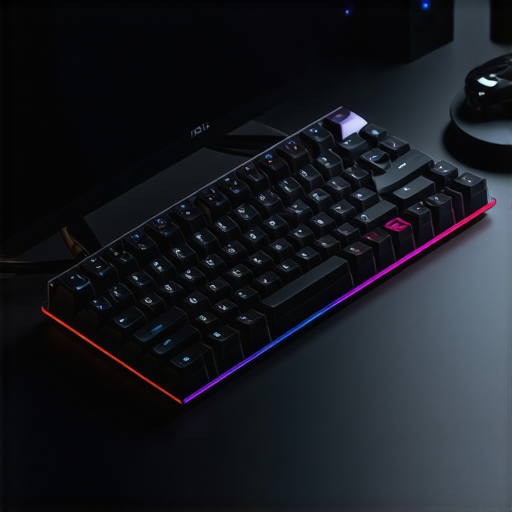
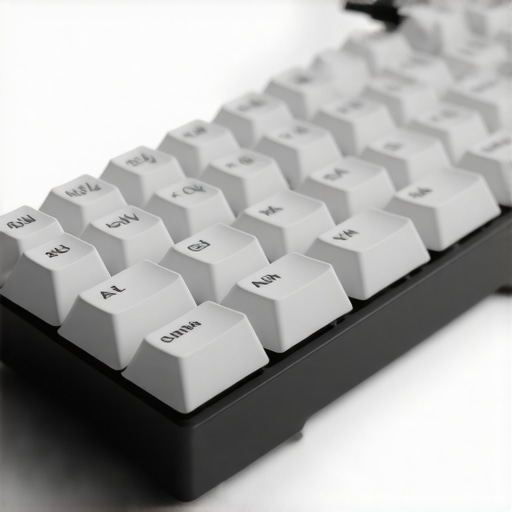
Revolutionizing Typing Comfort and Efficiency with Advanced Mechanical Keyboard Designs
In the rapidly evolving landscape of computer peripherals, the emergence of hot swappable low profile mechanical keyboards has marked a pivotal shift towards customization, ergonomic support, and silent operation. As industry professionals demand tactile precision coupled with reduced fatigue, understanding the intricacies of these keyboards becomes essential for optimized performance and user satisfaction.
Dissecting the Core Elements: Ergonomic Architecture Meets Mechanical Precision
Central to the appeal of these keyboards is their ergonomic design, which aims to alleviate strain during prolonged use. The low profile form factor not only offers a more natural typing angle but also minimizes wrist extension, thus reducing the risk of repetitive strain injuries. When combined with ergonomic mechanical keyboards, the result is a significant boost in productivity and comfort.
Unlocking Flexibility: The Significance of Hot Swappability and Silent Switches
Hot swappable technology allows users to customize their keyboard’s switches without soldering—an advantage that facilitates experimentation with various actuation forces, sounds, and feels. This modularity is particularly advantageous when paired with silent switches, which have been redesigned to dampen noise without sacrificing tactile feedback. For professionals working in shared or quiet environments, these features coalesce into a gaming or work setup that maximizes efficiency while respecting communal spaces.
Why Not All Low Profile Mechanical Keyboards Deliver
Despite the promising features, some low profile models fall short in durability or consistency. The challenge lies in balancing compactness and robustness, especially considering the potential fragility of thinner keycaps and switches. Industry tests, such as those documented in recent comparative studies, reveal that the best models employ reinforced mounting plates and high-quality plastics to withstand daily wear.
What Advances Are Shaping the Future of Low Profile Gaming and Productivity Devices?
How are emerging silent switch technologies transforming user experiences in professional settings?
Innovations in silent switch technology are pushing the boundaries of acoustic dampening and tactile feedback, enabling seamless integration in open-plan office environments. For instance, latest research demonstrates that these switches are now capable of delivering near-silent operation while maintaining tactile density, a combination once thought incompatible.
As we continue to explore these developments, sharing professional insights and empirical data remains crucial. Whether you’re a developer, gamer, or office worker, adopting a high-quality, customizable keyboard tailored to your specific needs can markedly enhance your daily interactions with technology.
For a deeper dive into hot-swappable solutions and to compare top models, visit our comprehensive guides. Your expertise and feedback can help shape the next generation of ergonomic and silent keyboards, ensuring they meet the nuanced demands of diverse professional landscapes.
Maximizing Quiet Operation: The Silent Switch Revolution
Silent switches have transformed the landscape of professional and creative workspaces by combining acoustic dampening with tactile responsiveness. These innovations are not merely about reducing noise; they are integral to enhancing focus, communication, and overall efficiency. Carefully engineered to absorb keystroke sound without compromising feedback, silent switches serve as a cornerstone in environments where concentration is paramount.
Are Soft-Feel Switches a Game-Changer in Reducing Typing Fatigue?
Emerging research suggests that switches designed with softer actuation points can significantly diminish finger fatigue during extended typing sessions. Manufacturers implementing advanced internal damping mechanisms contribute to a more comfortable experience, especially in professions demanding prolonged computer use. By rethinking traditional spring tension and switch geometry, industry leaders are tailoring switches that prioritize both sound dampening and ergonomic support.
Balancing Proprietary Innovation with Open-Source Collaboration
As silent switch technology matures, a critical conversation centers on how proprietary advances can coexist with open-source initiatives. Patents around dampening materials and switch design often limit community-driven customization, yet collaborative platforms drive rapid innovation and democratize access to high-performance peripherals. Striking this balance requires strategic patenting and active knowledge sharing, fostering an ecosystem where beginners and experts alike can contribute to and benefit from advancements. For comprehensive insights, consider exploring our in-depth guide on silent switch innovations.
Interested in customizing your workspace further? Be sure to check out hot-swappable mechanical keyboards and discover how they can expand your setup’s versatility.
Have you experimented with the latest silent switch models? Share your experience or ask questions below to deepen our collective understanding of their practical benefits and limitations in diverse settings.
Transitioning to Modular Designs: Unlocking Limitless Customization Opportunities
Beyond the basics of hot-swappable switches, the future of low profile mechanical keyboards is deeply rooted in modular architecture that empowers users to tailor their setups at an unprecedented level. Modular PCBs, layered with interchangeable components such as silicone dampening sheets, adjustable actuation points, and programmable keymapping, facilitate a bespoke experience for gamers, programmers, and content creators alike. This approach not only enhances performance but also extends device longevity, as users can replace specific parts without discarding the entire keyboard.
Integrating Advanced Materials for Durability and Silence
While high-quality plastics and reinforced mounting plates form the backbone of resilient low profile keyboards, innovations in material science are unlocking new horizons. Thermoplastic elastomers and damping gels engineered for keyboard applications absorb acoustic vibrations and mitigate harsh keystrokes, delivering an almost whisper-quiet operation while maintaining tactile integrity. Such materials are increasingly embedded within switch housings and keycap stabilizers to optimize both auditory and tactile responses in high-demand environments.
How do microcontroller innovations enhance keyboard responsiveness?
Smart microcontrollers are now capable of dynamic response adjustments based on user interaction patterns. By leveraging sophisticated firmware algorithms, these microcontrollers can modulate debounce times, adapt actuation thresholds, and synchronize key rollover features, directly impacting typing accuracy and speed. For instance, open-source firmware like QMK allows enthusiasts to fine-tune these parameters, achieving a level of responsiveness that rivals professional-grade setups. Moreover, real-time backlit animations and compatibility with gesture controls are becoming viable through these advanced controllers.
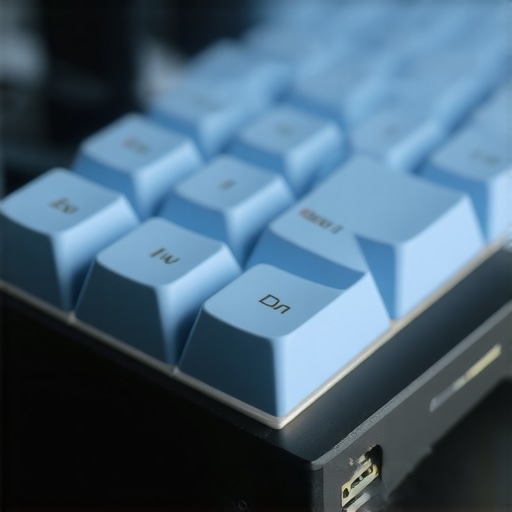
What drives the convergence of ergonomics and sustainability in design?
Incorporating sustainable materials, such as biodegradable plastics and recycled metals, aligns ergonomic advancements with environmental responsibility. Manufacturers are now exploring coatings that reduce friction and fatigue while minimizing ecological footprints. Additionally, ergonomic contours that follow natural hand positions are being optimized using biometric data, ensuring maximum comfort during extended usage. The integration of energy-efficient components, like low-power LEDs and microcontrollers, further enhances sustainability without compromising functionality.
Why adopting open hardware standards accelerates innovation in keyboard design
Community-driven open hardware initiatives foster rapid iteration and diversification, enabling a broad spectrum of customization not constrained by proprietary limitations. When manufacturers adopt open standards, hackers and hobbyists can contribute modifications that introduce new features or improve existing ones—such as novel key layouts or adaptable keycap geometries—thus expanding the evolutionary palette of low profile keyboards. This collaborative ecosystem accelerates the dissemination of breakthroughs, encouraging a culture of shared expertise and continual improvement.
If you’re eager to expand your understanding of these cutting-edge developments, engaging with open-source projects on platforms like GitHub and participating in community forums can be immensely beneficial. Are you ready to step into an era of fully personalized, high-performance keyboard setups that push the boundaries of current technology? Dive deeper into specialized modding techniques and advanced customization methods to elevate your ergonomic and aesthetic experience to a professional level.
,
Distinguishing the Specialists: What Makes a Truly Elite Mechanical Keyboard?
In an arena flooded with myriad options, discerning a professional-grade low profile mechanical keyboard requires an understanding of nuanced engineering choices, materials, and firmware capabilities. Experts look beyond superficial features, scrutinizing mounting plate rigidity, switch precision, and firmware programmability to ensure optimal responsiveness and durability. Pioneering manufacturers integrate custom damping materials and adjust actuation points, establishing benchmarks in tactile clarity and sound dampening, essential for high-stakes gaming or demanding professional environments.
Can Custom Microcontrollers Revolutionize Your Typing Efficiency?
Microcontroller advancements are set to redefine responsiveness and personalization in high-end keyboards. By employing firmware like QMK or VIA, professionals can dynamically calibrate debounce delays, pressure sensitivity, and macro functions tailored to their workflow. These microcontrollers facilitate real-time adjustments, enabling fluid transitions between modes—say, switching from gaming macros to ergonomic typing configurations—without hardware swaps. Cutting-edge firmware facilitates adaptive response profiles, aligning mechanical responses to individual finger dynamics, thereby minimizing fatigue and maximizing accuracy.
How does the integration of adaptive firmware in silent switches enhance ergonomic well-being?
Emerging adaptive firmware algorithms can monitor typing patterns and automatically adjust actuation thresholds, reducing strain by accommodating the user’s unique force curves. This personalization not only results in quieter keystrokes but also lessens finger fatigue during prolonged sessions. Leading developers explore machine learning models embedded within firmware to optimize tactile feedback, essentially teaching the keyboard to align its response with user preferences — a significant leap towards ergonomics, performance, and acoustic dampening.

What role do advanced damping materials play in the quest for silent perfection?
The incorporation of thermoplastic elastomers and viscoelastic damping gels within switch housings and stabilizers is transforming acoustic performance. These materials absorb vibrational energy from keystrokes, suppressing both noise and harshness, while maintaining tactile integrity. Such innovations extend keyboard longevity and provide a consistent sound profile, vital for collaborative environments where subtlety and discretion matter. As these materials mature, scale-up manufacturing processes are making quiet, durable low profile keyboards accessible without substantial cost premiums.
Can open-source hardware initiatives keep the innovation cycle in your hands?
Open-source paradigms empower communities to innovate collectively, bypassing restrictive patents on damping technologies or switch designs. Enthusiasts contribute modifications that tailor dynamic actuation points, customized key layouts, or new dampening mechanisms, leading to rapid evolution. These collaborative ecosystems foster democratized access, enabling niche markets to flourish and professionals to fine-tune their setups meticulously. Engaging with such communities allows users to stay at the forefront of silent switch and ergonomic innovations—transforming passive consumers into active participants in the development cycle.
Why Elevate Modularity from Hobby to Mandate for Professional Use?
Modular design principles, emphasizing fully swappable components and configurable firmware, are shifting from niche modifications to industry standards. Modular PCBs with layered architectures enable seamless upgrades—be it switch replacements, keycap customization, or backlighting enhancements—extending device lifespan and adaptability. This approach fosters a personalized workflow, ensuring that each keystroke aligns with both ergonomic needs and aesthetic sensibilities, empowering users to craft devices that evolve with their skills and preferences over time.
How sustainable materials and designs are reshaping industry standards
Bio-based plastics, recycled metals, and biodegradable coatings are no longer mere trends but integral to the next wave of eco-conscious peripherals. When paired with ergonomic geometries informed by biometric data, these materials guarantee comfort and longevity. Manufacturers adopting energy-efficient lighting and low-power microcontrollers further reinforce ecological responsibility, proving that high performance and sustainability can coexist without compromise.
What does the future of keyboard responsiveness hold for power users?
Integrating high-speed telemetry and real-time analytics, future keyboards will react instantaneously to user input, fostering synergy between hardware and software. Sophisticated sensors embedded within keys could track finger pressure and movement, informing firmware to fine-tune response parameters dynamically. Such advancements promise an era where a low profile mechanical keyboard becomes an extension of the user’s intent, seamlessly adapting for maximum efficiency, minimal fatigue, and whisper-quiet operation—ushering in unparalleled levels of customization and ergonomic mastery.
In the realm of high-performance peripherals, mastering the nuances of hot swappable, low profile, and silent switch mechanical keyboards opens the door to enhanced ergonomics, customization, and productivity. Industry leaders emphasize not just the choice of switches but also the integration of advanced materials, microcontroller firmware, and modular architectures to push the boundaries of what’s achievable in typing comfort and efficiency.
Refine Responsiveness with Adaptive Firmware Tuning
Implementing intelligent firmware that reacts dynamically to user input can dramatically reduce fatigue and bolster accuracy. Firmware like QMK empowers professionals to calibrate debounce timing and actuation thresholds precisely, aligning keyboard response to individual typing styles for a truly personalized experience.
Prioritize Material Science for Durability & Silence
Innovations involving damping gels and thermoplastic elastomers within switch housings are revolutionizing acoustic dampening, fostering near-silent keystrokes while maintaining tactile feedback. Such materials not only extend the lifespan of components but also significantly improve workspace acoustics—vital for collaborative or shared environments.
Harness Modular & Open Hardware Design for Future-Proofing
Adopting fully modular architectures and engaging with open-source communities accelerates innovation and customization. These approaches allow seamless upgrades, from switch replacements to layout modifications, ensuring your keyboard evolves with your skills and needs without costly replacements.
Advanced Materials Forge the Next Level of Ergonomics
Contemporary use of recycled metals, biodegradable plastics, and biomimetic contours directly enhances user comfort and supports sustainability goals. Ergonomic shapes informed by biometric data minimize strain, enabling extended use without fatigue.
Strategic Resources to Deepen Your Expertise
- Top Silent Switch Models of 2025: Dive into innovative silencers that elevate workspace tranquility.
- Ultimate Guide to Hot-Swappable Keyboards: A comprehensive resource guiding customization and upgrades.
- Ergonomic Mechanical Keyboards for Productivity: Learn how design choices impact everyday comfort.
Shape the Future with Your Expertise
By integrating cutting-edge firmware, innovative damping materials, and modular frameworks, industry insiders are redefining what high-performance keyboards can achieve. Your insights can lead this evolution—consider experimenting with firmware tuning or material enhancements and sharing your findings within expert communities. Together, we can craft environments where precision, comfort, and sustainability coalesce seamlessly, pushing the limits of what professionals demand from their equipment.