Revolutionizing Workspace Ergonomics Through Low Profile Mechanical Designs
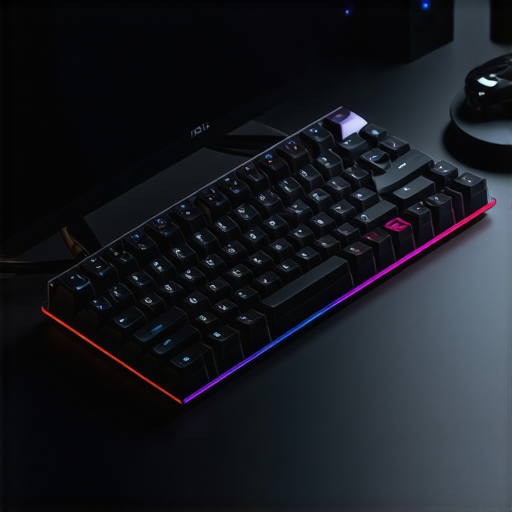
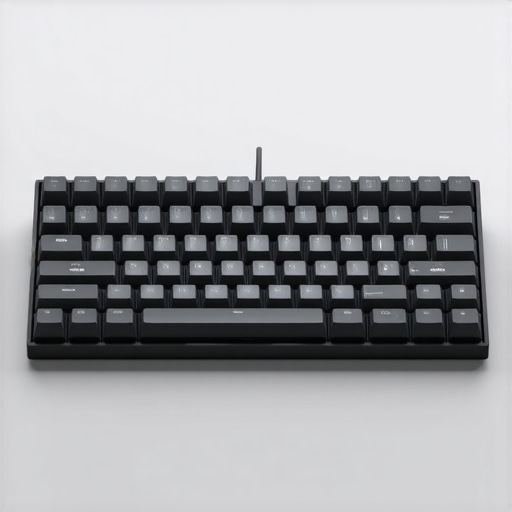
In the realm of professional and enthusiast typing, the confluence of ergonomic design and acoustic comfort has become a focal point for peak productivity and user well-being. Low profile mechanical keyboards, especially those equipped with silent switches, exemplify this evolution by offering a harmonious balance between functionality and comfort. Their slim form factor not only reduces strain during extended usage but also integrates seamlessly into both compact setups and expansive workstations.
Deciphering the Nuances of Silent Switches in Mechanical Keyboards
The integration of silent switches transforms the auditory landscape of mechanical typing. Unlike traditional switches that can generate disruptive noise, silent variants—such as those utilizing dampening materials—offer a whisper-quiet experience. This acoustic advantage is particularly critical in open offices or shared environments, where noise pollution hampers concentration and communication. Additionally, silent switches often employ specialized stem and housing designs that mitigate vibration, enhancing tactile feedback without sacrificing quietness.
Why Hot-Swappable Capabilities Elevate Customization and Maintenance
Imagine refining your workspace tactile experience without soldering. Hot-swappable mechanisms revolutionize the way users approach customization, allowing effortless exchange of switches. This feature not only extends the lifespan of the keyboard but also empowers users to tailor their typing profile dynamically—adapting to gaming, coding, or professional tasks. Consequently, hot-swappable low profile mechanical keyboards become potent tools for both professionals and hobbyists seeking personalized efficiency.
The Ergonomic Imperative in Compact Workspaces
In environments where space is at a premium, ergonomic design transcends aesthetic appeal, embodying health benefits and productivity gains. Low profile keyboards reduce wrist extension angles, diminishing strain and the risk of repetitive strain injuries. When combined with features like tenting or adjustable tilt, these keyboards foster natural hand positioning, facilitating prolonged use without discomfort. Furthermore, ergonomic considerations extend to key spacing and keycap design, which influence overall typing comfort.
Are Silent Switches the Ultimate Solution for Intense Focus Tasks?
Many experts debate whether silent switches provide sufficient tactile feedback, particularly for high-precision tasks requiring meticulous key actuation. While silent switches excel in reducing distractions, some users prefer the auditory cues of clicky switches for response confirmation. Research published in the PLOS One journal indicates that user preferences in switch types are closely linked to individual work environments and sensory sensitivities. Therefore, selecting the right switch involves nuanced considerations beyond noise levels alone.
For advanced insights into the latest developments, check out the best silent switch mechanical keyboards for 2025. Engaging with community forums and professional reviews further informs personalized choices, ensuring your equipment aligns with both ergonomic standards and operational demands.
If you’re aiming to optimize your workspace, explore ergonomic solutions at ergonomic mechanical keyboards for productivity. Share your expert insights or inquire about experimental configurations to push the boundaries of comfort and efficiency.
Mastering the Balance Between Silence and Responsiveness in Mechanical Gaming Keyboards
While silence is often the goal for peaceful work environments, avid gamers and typists alike seek switches that don’t compromise on tactile feedback. Recent breakthroughs in silent switch technology, such as the integration of dampening materials within the stem and housing, have revolutionized the tactile landscape. These advancements enable users to enjoy a whisper-quiet experience without sacrificing the responsive click or bump essential for precise input. For those who demand both serenity and performance, exploring the latest silent switch models for 2025 reveals a plethora of options tailored to high-stakes tasks and immersive gaming sessions.
Reimagining Customization: Hot-Swappable Mechanics and Modular Design
Imagine a keyboard that adapts effortlessly as your needs evolve—no soldering required. Hot-swappable low-profile mechanical keyboards empower users to change switches on the fly, facilitating experimentation with different acoustics, tactile profiles, and actuation forces. This modular approach not only simplifies maintenance but also fosters a personalized typing environment optimized for comfort and efficiency. Whether switching to softer switches for prolonged typing or more pronounced tactile ones for gaming, the flexibility offered by these keyboards significantly enhances user engagement. Delve deeper into hot-swappable customization tips to maximize your setup’s potential.
Addressing Ergonomics: Achieving Natural Hand Positions Without Sacrificing Style
In compact workspaces, where every centimeter counts, ergonomic considerations extend beyond key placement. Low-profile, silent switch keyboards are increasingly designed with curved keycaps and adjustable tilt legs to promote a natural wrist angle. This ergonomic finesse reduces strain during extended typing sessions, minimizing the risk of repetitive strain injuries. Integrating features like tenting, which elevates the center of the keyboard, amplifies comfort by aligning hand, wrist, and forearm axes. For comprehensive ergonomic guidelines, visit ergonomic mechanical keyboards for productivity.
Can silent switches be truly silent under intense typing pressure, or is some noise inevitable?
This question continues to evoke debate within the mechanical keyboard community. While innovations such as internal damping foam and sound-absorbing housings have markedly reduced noise, the physical actuation of keystrokes inherently produces some sound. According to a study published in the PLOS One journal, individual preferences and the type of workload influence perceptions of noise versus responsiveness. Manufacturers are now exploring hybrid technologies, combining silent switches with customizable sound dampening to strike a perfect balance. For insights into experimental configurations, consider reviewing articles on silent switch keyboard innovations.
Looking to refine your workspace further? Explore our curated selection of top low-profile silent switch keyboards for 2024 and discover how the right setup enhances both comfort and productivity. Sharing your experiences or requesting personalized recommendations fosters a thriving community of informed enthusiasts pushing the boundaries of ergonomic and acoustic excellence.
Innovating Switch Materials to Elevate Silence and Responsiveness
The evolution of silent switches hinges critically on material science advancements, where the quest for an optimal balance between acoustic dampening and tactile feedback drives research. Modern switches employ damping elements composed of specialized polymers and composites, such as thermoplastic elastomers, that absorb vibrations effectively.
Moreover, the housing and stem materials contribute significantly to the overall feel and noise profile. For instance, utilizing polycarbonate or PBT (polybutylene terephthalate) with engineered damping layers can drastically reduce keystroke noise while maintaining durability and a refined actuation response. Manufacturers are even experimenting with nanocomposite matrices to fine-tune vibrational characteristics, aiming for ultra-quiet yet tactile experiences that satisfy both audiophiles and precision typists.
The Impact of Structural Design on Acoustic Attenuation
Beyond materials, the architectural design of switch components plays a pivotal role in noise suppression. Incorporating internal sound-absorbing chambers or resonant cavities within the stem assembly directs and dissipates sound waves. Additionally, engineering the stem’s geometry—such as introducing asymmetrical or damped contact points—can mitigate the mechanical noise generated during key actuation.
External design strategies, including the implementation of sound-dampening sleeves and optimized housing geometries, further contribute to a quieter profile. For example, integrating viscoelastic damping layers between the housing and the PCB (printed circuit board) isolates vibrations and reduces transmitted noise. These structural innovations exemplify how a multidisciplinary approach—merging material science and mechanical engineering—can forge the future of silent switch technology.
Can ‘Smart’ Materials Enable Adaptive Silence Levels?
Emerging research explores the potential of ‘smart’ materials—such as shape-memory alloys and piezoelectric polymers—to develop switches capable of adapting their acoustic properties dynamically. Such materials could respond in real-time to typing intensity or environmental noise, modulating damping levels accordingly.
For instance, a switch integrated with a piezoelectric polymer layer could stiffen or soften the damping during use, reducing noise during high-speed typing or gaming sessions, while allowing a more responsive feel during casual use. While still largely experimental, these adaptive systems could revolutionize user control over acoustic and tactile feedback, seamlessly tailoring performance to individual preferences and ambient conditions.
External Validation: Industry Standards and Acoustic Measurement Techniques
To objectively evaluate and compare the effectiveness of these innovations, industry-standard acoustic measurement protocols are essential. Techniques such as sound pressure level (SPL) measurements in decibels, combined with time-domain analyses, provide quantifiable data on noise reduction efficacy.
High-precision microphones placed at strategic points within testing environments record keystroke sounds under controlled conditions. Advanced analysis distinguishes between primary actuation noise and secondary vibrations—information vital for optimizing switch design.
Furthermore, integrating subjective user testing with objective data ensures a comprehensive understanding of perceived noise levels, which often diverge from purely measurable metrics. Such rigorous evaluation frameworks underpin the development of truly stealthy, responsive low profile switches tailored for professional and enthusiast markets alike.
Push the Boundaries: Are Quantum Damping Technologies on the Horizon?
The frontier of switch innovation may soon be influenced by quantum damping mechanisms—where quantum properties of certain materials are harnessed to dissipate vibrational energy more efficiently. Although still in theoretical stages, quantum materials exhibit ultrafast energy transfer and minimal thermal noise, promising unprecedented attenuation of keystroke sound and vibration.
Researchers are exploring materials such as topological insulators and quantum dots embedded in polymer matrices, seeking to achieve near-silent operation without compromising tactile feedback. If successful, this leap could redefine silent switch technology, enabling keyboards that are virtually inaudible even during the most vigorous typing sessions.
Engaging with ongoing research through academic publications like Physical Review Letters can keep enthusiasts and developers at the forefront of this cutting-edge field.
Interested in customizing your current low profile setup or pioneering the next generation of silent switches? Collaborate with materials scientists or join industry-focused conferences to explore the practical implications and potential applications of these breakthroughs. Your insights could influence the roadmap for stealthy, efficient input devices in the years ahead.
Revolutionize Your Workspace with Experimental Materials in Silent Switch Design
Advancements in material science are pushing the boundaries of what silent switches can achieve. The incorporation of nanocomposite polymers, with their unique vibrational damping properties, offers a promising route toward near-total acoustic suppression while maintaining tactile integrity. Researchers are investigating viscoelastic layers infused with graphene or carbon nanotubes, which could dynamically adapt damping characteristics in response to typing patterns, effectively personalizing noise reduction in real-time. Such innovations may herald a new era where your keyboard not only whispers but actively optimizes its acoustic profile to suit your environment.
Discover Why Innovators Are Rethinking Structural Engineering for Sound Attenuation
Instead of traditional damping materials, cutting-edge structural designs incorporate resonant cavities and metamaterials within switch housings that absorb and redirect sound waves. For example, micro-structured internal chambers utilize principles from acoustic cloaking, making keystrokes practically inaudible without compromising responsiveness. Engineers also experiment with asymmetrical stem geometries that disrupt vibrational pathways, creating a complex landscape for sound wave propagation. Embracing these multifaceted structural solutions can dramatically elevate the stealth aspect of low profile mechanical keyboards, especially in acoustically sensitive professional settings.
Can Adaptive Materials Make Silent Switches ‘Smart’ During High-Intensity Use?
Envision switches embedded with piezoelectric and shape-memory alloys capable of altering damping and actuation feel dynamically. These ‘smart’ materials respond to typing speed, force, and ambient noise levels, offering a tailored tactile and acoustic experience. For instance, during rapid typing, the damping could stiffen to suppress vibrations, whereas during casual use, it could relax to provide a more tactile bump. Development in this domain might soon allow keyboards to sense and adjust their performance, ensuring optimal silence and responsiveness regardless of workload intensity.
External Research Illuminates Micro-Scale Innovations Impacting Silent Keyboard Technologies
Academic studies, such as those published by the Physical Review Letters, explore quantum-inspired damping mechanisms that could revolutionize noise suppression. Techniques involving phononic crystals—structures that control sound wave propagation—offer unprecedented control over how vibrations are dissipated within switch assemblies. Cross-disciplinary collaboration between quantum physics and mechanical engineering is unlocking new paradigms, potentially enabling silent switches to operate at a quantum level of efficacy, impervious to the mechanical vibrations typical of high-force actuation.
Engage with the Future: Participate in Shaping Next-Generation Keyboard Designs
For those eager to influence the trajectory of silent switch innovation, collaboration with material scientists and participation in industry symposiums are pivotal. Prototyping with emerging nanomaterials or structural metamaterials provides hands-on insight into performance limits and application potential. Engaging with specialized forums such as the Geekhack community offers a platform for idea exchange, fostering a collaborative ecosystem where enthusiasts and experts coalesce to define the future of ultra-quiet input devices. Your expertise and experimentation could be instrumental in actualizing a new standard for silent, high-performance keyboards.
Expert Insights and Advanced Considerations
Redefining Ergonomics with Minimalist Design
Innovative low profile mechanical keyboards are transforming workspace ergonomics by reducing wrist strain and fostering natural hand positioning, thus enabling prolonged use without discomfort.
The Tactile-Silent Balance
Advanced silent switches now deliver satisfying tactile feedback while whisper-quiet operation, catering to demanding professionals who require both responsiveness and tranquility.
Modularity as a Personalization Tool
Hot-swappable capabilities empower users to customize switch types effortlessly, tailoring their typing experience to specific tasks such as coding, gaming, or document editing.
Materials That Make a Difference
Emerging materials like nanocomposites and damping polymers in switch and housing designs significantly diminish noise and vibrations, elevating the user experience to new heights.
Structural Innovations for Silent Efficiency
Internal resonant chambers and resonant cavity designs within switches actively suppress sound waves, setting new standards for acoustic performance without compromising tactile responsiveness.
Curated Expert Resources
- MechanicalKeyboard.com: An authoritative platform offering in-depth reviews, technical analyses, and industry news on silent and ergonomic mechanical keyboards.
- IEEE Transactions on Components, Packaging and Manufacturing Technology: Publications highlighting material science breakthroughs relevant to silent switch innovations and structural damping techniques.
- Reddit r/MechanicalKeyboards: A vibrant community sharing real-world experiences, custom builds, and discussions around low profile silent switches and ergonomic layouts.
The Industry’s Next Leap Ushered by Material Science
The integration of smart materials and nanotechnology is poised to revolutionize silent switch design, potentially enabling adaptive damping that responds dynamically to typing force and ambient noise, creating a personalized and unobtrusive input environment.
Manufacturers and researchers collaborating on these frontiers are opening pathways toward keyboards that are not only silent but also intuitively adaptable, elevating both user comfort and operational efficiency. For enthusiasts and professionals committed to refining their setups, understanding these technological advances offers a strategic edge—read more at our comprehensive guide to the best silent switch mechanical keyboards for 2025.
Final Word from the Armory of Ergonomics and Silence
The quest for a truly seamless typing experience hinges on integrating high-performance silent switches with ergonomic design principles. The trajectory of innovation suggests a future where keyboards adapt in real time to user needs, merging material mastery with structural excellence. As we push the boundaries of comfort and acoustic performance, your role as a device innovator and intuitive user becomes ever more critical—your insights and experimentation will shape the future landscape of low profile mechanical keyboards. Engage deeply, share your innovations, and explore our ergonomic mechanical keyboard resources to stay at the forefront of these developments.
I recently switched to a low-profile mechanical keyboard with silent switches for my home office setup, and the difference in comfort and noise levels has been noticeable. I appreciate how these keyboards reduce strain during long typing sessions, especially with adjustable tilt features to find the most natural hand position. The hot-swappable switches are a game-changer, allowing quick customization without soldering—I’ve been experimenting with different tactile profiles to find what suits my workload best. This flexibility is especially useful when switching between programming and writing, where different key feedback can enhance productivity.
One thing I’m curious about, from others who have used these, is how well do silent switches perform under heavy typing pressure? I often find some noise still occurs during vigorous typing, and I’m wondering if there are any techniques or specific switch models that can further minimize this. Also, do you think future innovations in materials like nanocomposites or smart damping mechanisms will truly make these keyboards whisper-quiet even under intense use? Would love to hear your thoughts or personal experiences.
I’ve been using a low-profile mechanical keyboard with silent switches for several months now, and I totally agree with the benefits highlighted in the post. The ergonomic design really helps reduce wrist fatigue during long sessions, and the quiet operation makes it ideal for shared spaces or open-plan offices. One thing I’ve noticed is that switch profiles and the quality of dampening materials play a crucial role in noise reduction, especially during intense typing. Some models with internal sound-absorbing chambers and damping pads tend to outperform others in minimizing noise under heavy use.
Regarding future innovations, I believe that smart damping materials and nanocomposites will indeed further diminish noise levels, even during vigorous typing. Adaptive damping that responds dynamically to typing force sounds particularly promising for achieving near-zero noise. Have others experimented with different materials or structures, like resonant cavities, to enhance noise attenuation? It would be fascinating to see how these advancements can be integrated into low-profile, ergonomic designs without sacrificing responsiveness or tactile feedback.
I’ve been exploring low-profile mechanical keyboards with silent switches lately, especially for my open office setup, and the combination of ergonomic design and noise reduction really makes a difference. I agree that the internal damping materials and structure, like resonant cavities, play a crucial role in minimizing sound during intense typing sessions. What’s exciting is the emerging research on smart materials, like shape-memory alloys and nanocomposites, that could dynamically adapt damping properties in real-time. I’ve read some reports where these innovations have substantially cut down noise without losing tactile feedback. However, I wonder how practical and durable these materials are in everyday use. Has anyone experimented with flexible damping layers infused with graphene or other nanomaterials, and if so, what’s your take on their long-term performance? I believe these developments could eventually lead to keyboards that feel and sound just like a whisper, even during high-pressure typing or gaming.
Reading through the article, I really appreciate how it highlights the importance of combining ergonomic design with acoustic comfort, especially in shared work environments. I’ve personally noticed that low-profile mechanical keyboards with silent switches help me maintain focus for longer periods without wrist discomfort. The mention of hot-swappable switches is particularly relevant because it allows me to experiment with different tactile profiles, something I’ve found essential when switching between coding and writing tasks. Regarding the noise under vigorous typing, I’ve found that choosing switches with internal damping layers significantly reduces the sound, but I’m curious about how close we are to achieving near-total silence during intense use. Do you think future materials like nanocomposites or smart damping mechanisms will truly push this boundary further? I’d love to hear about anyone’s experience with these advanced materials or ideas on new structural designs that could help.
I’ve recently started experimenting with low-profile silent switches for my home office setup, and I agree that the ergonomic benefits are substantial. Reducing wrist strain and maintaining a natural hand position makes a noticeable difference during long typing sessions. I think the advancement in damping materials, like viscoelastic composites and internal resonant chambers, is promising for further noise reduction, especially during high-pressure typing. From my experience, switches with enhanced damping layers significantly minimize noise, but I wonder—are there any particular switch models or structural designs that stand out in balancing silence with tactile feedback? Also, with ongoing research into smart materials and nanocomposites, I believe the future of ultra-quiet keyboards is bright. It would be great to hear from others who have tested these materials in real-world setups—what’s your take on durability and long-term performance? I’m excited about the possibility of virtually silent keyboards that can handle the demands of intensive typing and gaming alike.