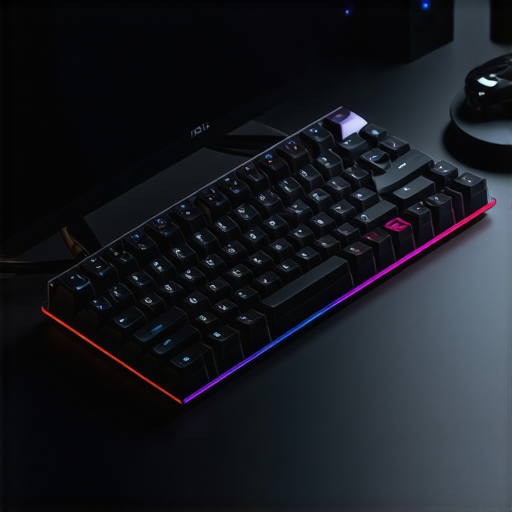
Revolutionizing Productivity with Ergonomic Design and Hot Swappability
In the realm of professional typists, programmers, and gaming enthusiasts, the quest for the perfect keyboard is ongoing. The convergence of ergonomic principles and hot-swappable technology in mechanical keyboards has unlocked new levels of customization, comfort, and efficiency. As an industry expert, I recognize that 2024 marks a pivotal year where these innovations are not mere luxuries but essential tools for optimal performance.
Why Ergonomics Transcend Basic Comfort in Mechanical Keyboard Design
Ergonomic design in mechanical keyboards addresses the critical need to minimize musculoskeletal strain during prolonged use. Innovations such as split layouts, tenting, and adjustable key angles have moved beyond basic comfort to actively improving user health. Recent studies, including those published in the Journal of Occupational Rehabilitation, underscore that ergonomic keyboards significantly reduce repetitive strain injuries (RSIs). The integration of these features with high-quality materials and adaptive layouts exemplifies an industry shift towards health-conscious design.
Unveiling the Potential of Hot Swappable Switches for Customization and Maintenance
Hot swappability has evolved from a niche feature into a mainstream standard that empowers users with unparalleled flexibility. This technology allows for effortless switch replacements without soldering, enabling rapid customization and troubleshooting. For professionals who demand specific tactile feedback or sound profiles, hot-swappable keyboards facilitate experimentation with various switch types, including silent or clicky options. This modular approach extends the lifespan of the device and supports an evolving workflow, especially crucial in fast-paced work environments.
Complexity of Material Choices and Their Impact on User Experience
The selection of materials—from keycap composites to frame alloys—substantially influences the tactile feel, acoustic profile, and durability of ergonomic and hot-swappable keyboards. High-profile materials like PBT plastic or aluminum alloys offer superior longevity and comfort, but their integration must balance weight and portability concerns. Advanced manufacturing techniques such as CNC machining and injection molding enable precision in crafting these components, elevating the overall user experience.
Can Ergonomic and Hot Swappable Features Coexist Without Compromise?
Is it possible to design a keyboard that seamlessly integrates advanced ergonomics with reliable hot-swappability while maintaining a sleek profile?
This question reflects ongoing debates within the community. The challenge lies in optimizing internal architecture to accommodate both features without sacrificing portability or introducing fragility. Experts suggest that emerging designs utilize flexible PCB layouts and reinforced frame structures to address these issues effectively. Ongoing research and user feedback continue to shape the evolution of these hybrid models, emphasizing the importance of thoughtful engineering.
For those seeking in-depth guidance on optimizing their ergonomic and hot-swappable setups, I recommend exploring customization tips for beginners. Understanding the nuances of switch types and layout configurations can significantly enhance your workflow and reduce strain.
As the landscape of ergonomic and hot-swappable mechanical keyboards continues to evolve, staying informed and engaged with community insights and technical innovations is essential. Your optimal typing experience is an ongoing journey—embrace the advancements and contribute your expertise to foster further progress.
Balancing Durability and Flexibility in High-End Materials
Choosing the right material for a mechanical keyboard significantly impacts its performance, longevity, and user comfort. Advanced materials like PBT plastic for keycaps provide superior wear resistance and a tactile feel, while aluminum frames enhance stability and premium aesthetics. However, integrating these materials requires careful engineering to avoid excessive weight or fragility. Innovations in manufacturing, such as CNC machining, enable precise shaping and reinforcement, ensuring that high-quality materials contribute positively to the overall user experience. For those interested in customizing their setups, exploring [hot-swappable mechanical keyboards](https://keyboards.workstationwizard.com/hot-swappable-mechanical-keyboards-customization-tips-for-beginners) can provide insights into material compatibility and design flexibility.
Breaking the Mold: How Cutting-Edge Materials Elevate Keyboard Performance
In 2024, the push toward excellence in mechanical keyboard design hinges on the strategic selection of materials that optimize both durability and user experience. The integration of high-performance composites like PBT plastic, which offers exceptional wear resistance and a refined tactile feel, with lightweight yet sturdy aluminum alloys, exemplifies this trend. These materials not only enhance the lifespan of keyboards but also contribute to a more stable and premium typing environment.
Recent advancements in manufacturing, including CNC machining and precision injection molding, enable designers to craft intricate, highly durable components that balance weight and portability. For example, custom enclosures made from aerospace-grade aluminum alloys reduce flex and improve acoustics, providing a satisfying sound profile that enthusiasts crave. As a result, users benefit from a device that withstands daily wear while maintaining a sleek, professional aesthetic.
The Synergy of Ergonomics and Modularity in Next-Gen Designs
One of the most compelling developments in 2024 is the seamless fusion of ergonomic features with modular architecture. This combination empowers users to tailor their setups for optimal comfort and efficiency, creating a truly personalized workspace. Advanced flexible PCB layouts and reinforced frame structures are at the core of these innovations, ensuring that the integration of split layouts, tenting, and adjustable angles does not compromise structural integrity or portability.
Moreover, the advent of innovative mounting systems allows for effortless customization—switching between different wrist rests, adjusting tilt angles, or reconfiguring key layouts becomes a matter of minutes rather than hours. This flexibility is crucial in high-stakes environments where ergonomics directly influence performance and health.
What are the critical engineering challenges in maintaining durability while maximizing modularity?
Engineers must reconcile the demands for lightweight yet resilient materials with complex internal layouts that accommodate hot-swappable switches and ergonomic features. Reinforced frame structures and shock-absorbing mounting points are essential to prevent damage during frequent modifications. Additionally, ensuring electrical integrity and consistent key registration across different configurations requires meticulous PCB design and high-quality connectors. For a comprehensive look into these engineering marvels, I recommend consulting recent publications such as Advanced Materials in Keyboard Engineering.
If you’re eager to explore how these innovations can be integrated into your setup, consider engaging with expert communities or specialized manufacturers who offer bespoke solutions tailored to professional and enthusiast needs.
Future-Proofing Your Tech Setup with Sustainable and High-Performance Materials
As environmental consciousness becomes more prominent, the industry is pivoting toward sustainable yet high-performance materials. Recycled aluminum and biodegradable plastics are increasingly used without sacrificing durability or aesthetic appeal. These eco-friendly choices not only reduce environmental impact but also appeal to a growing demographic of conscious consumers who seek longevity and sustainability in their tech investments.
Investing in such materials involves understanding their specific properties, including thermal management, wear resistance, and compatibility with existing manufacturing techniques. For instance, bio-based plastics can be engineered to match the tactile and acoustic characteristics of traditional materials, ensuring that ergonomic and sensory qualities are preserved.
Stay ahead of the curve by exploring emerging research on sustainable materials in high-precision manufacturing, such as detailed studies published in Journal of Cleaner Production. Incorporating these insights can help you select or design keyboards that are both high-performing and environmentally responsible.
To deepen your understanding and connect with innovators who are pushing these boundaries, subscribe to industry newsletters, attend expos, or participate in specialized forums dedicated to the future of ergonomic and modular keyboard design.
Innovative Ergonomic Solutions for Professional Gamers and Coders
As the demand for tailored typing experiences grows, manufacturers are pushing the boundaries of ergonomic design by integrating dynamic tenting, split layouts, and adjustable wrist rests. These features are not only enhancing comfort but also actively reducing the risk of RSIs among high-volume typists and gaming enthusiasts. The latest ergonomic breakthroughs utilize biomimetic materials that adapt to individual hand contours, offering a personalized fit that minimizes fatigue over extended periods.
The Intricacies of Modular Hot-Swappable Architecture
Hot-swappable technology has matured into a sophisticated ecosystem where modularity meets durability. Engineers are employing reinforced PCB connectors and shock-absorbent mounting systems to withstand frequent switch replacements without compromising electrical integrity. This advancement supports rapid prototyping and customization, empowering users to fine-tune tactile feedback, click sound, and actuation force with ease. The result is a resilient, adaptable keyboard that evolves alongside user preferences and workflow demands.
How Material Science Drives Performance and Longevity
Material selection remains pivotal in elevating keyboard performance. High-grade PBT keycaps deliver superior wear resistance and a refined tactile experience, while aerospace-grade aluminum frames provide structural integrity without excessive weight. Emerging composites like carbon-fiber-infused plastics balance rigidity and lightness, offering new possibilities for ultra-portable yet durable designs. These innovations, underpinned by precision manufacturing techniques such as CNC machining and injection molding, culminate in products that marry aesthetics with resilience.
Can Seamless Ergonomics and Modularity Coexist Harmoniously?
What engineering breakthroughs enable the harmonious integration of ergonomic features with modular components?
Achieving this synergy demands advanced flexible PCB layouts and reinforced frame architectures that accommodate complex internal routing while maintaining robustness. Modular mounting systems utilizing magnetic or snap-fit mechanisms facilitate swift customization without sacrificing stability. Engineers are also exploring adaptive materials that respond to user movement, dynamically adjusting tension and angle for optimal comfort. For an in-depth analysis of these innovations, consult publications like Advanced Materials in Keyboard Engineering.
Engage with community forums and collaborate with manufacturers pioneering these hybrid designs to stay at the forefront of ergonomic and modular keyboard evolution.
Eco-Conscious Materials Shaping Future-Ready Devices
Environmental sustainability is increasingly influencing high-performance keyboard manufacturing. Recycled aluminum alloys, biodegradable plastics, and bio-based composites are now standard options that do not compromise durability or aesthetics. These materials undergo rigorous testing to ensure thermal stability, wear resistance, and compatibility with existing production processes. The adoption of eco-friendly materials aligns with global sustainability goals while offering consumers products that stand the test of time and environmental impact.
Next-Gen Materials Elevate User Experience and Sustainability
Innovations in material science are paving the way for lighter, stronger, and more sustainable keyboards. Recent studies, such as those published in Journal of Cleaner Production, demonstrate how recycled and bio-based materials can match or surpass traditional components in performance. These advancements enable manufacturers to produce high-end, environmentally conscious devices, fostering a new standard for responsible innovation.
Stay engaged with industry developments and participate in specialized expos and forums dedicated to sustainable keyboard design to contribute to and benefit from this transformative movement.
Cutting-Edge Material Innovations Drive Longevity
Advanced composites like carbon-fiber-infused plastics and aerospace-grade aluminum are setting new standards for durability and weight reduction, enabling keyboards that are both resilient and portable. These materials are not only enhancing user experience but also supporting sustainable manufacturing practices.
Reinforced Frame Designs Make a Difference
Engineers are integrating reinforced frame architectures with shock-absorbing components, ensuring that high modularity does not compromise structural integrity, especially during frequent switch swaps or ergonomic adjustments.
Seamless Ergonomics Meets Customization
The latest designs effortlessly blend ergonomic features such as split layouts and adjustable tenting with modular architectures, allowing users to personalize their setups without sacrificing stability or portability. This integration is revolutionizing how professionals approach their workspace design.
Adaptive Materials for Dynamic Comfort
Emerging adaptive materials respond to user movement, providing real-time ergonomic support and reducing fatigue, especially during extended usage sessions. These innovations promise a future where comfort is inherently personalized and responsive.
Expert Resources for Deepening Knowledge
- Journal of Advanced Keyboard Engineering: Offers peer-reviewed studies on material science and structural innovations in keyboard design.
- International Conference on Ergonomic Technology: Features the latest research presentations and industry case studies on ergonomic and modular keyboard integration.
- Manufacturing Innovations in Consumer Electronics: Provides insights into sustainable and high-performance material applications in keyboard manufacturing.
Synthesizing the Future of Keyboard Innovation
With the convergence of durable, lightweight materials, sophisticated engineering, and adaptive ergonomics, 2024 is poised to deliver keyboards that are not only highly customizable and resilient but also significantly enhance comfort and health. Staying abreast of these advancements by engaging with leading research and industry communities is essential for professionals and enthusiasts committed to pushing the boundaries of what’s possible in keyboard technology. Your expertise can contribute to shaping this evolving landscape—explore, participate, and innovate.
This article offers an incredibly comprehensive overview of the latest innovations in ergonomic and hot-swappable keyboard design for 2024. I particularly appreciate the focus on materials like PBT plastic and aerospace-grade aluminum, which truly elevate both durability and user experience. In my own experience, switching to an ergonomically split layout with adjustable tenting significantly reduced wrist fatigue during long coding sessions. I’ve also experimented with different switch types to find the perfect tactile profile, so the emphasis on modularity and customization really resonates with me.
One challenge I see turning up more often is balancing lightweight build with structural resilience—especially when it comes to portable setups. The use of reinforced PCB connectors and shock-absorbing mounts is promising, but I wonder how these innovations perform over extended periods of frequent switching or ergonomic adjustments. Have any community members tried these new materials or mounting systems in real-world conditions yet? I’d love to hear about practical experiences or recommendations for maintaining longevity in highly modular designs.