Mastering Comfort with Advanced Mechanical Keyboard Design in 2024
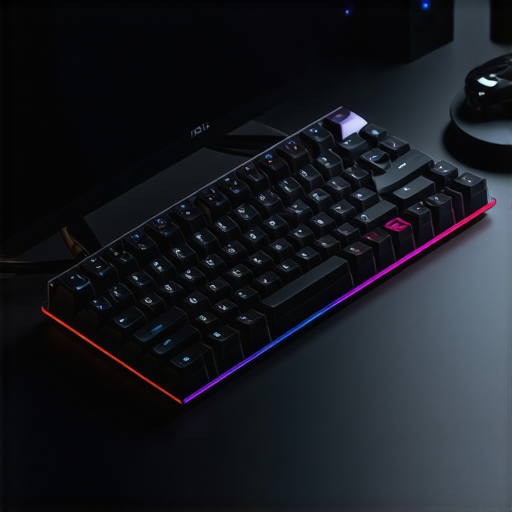
In the realm of professional and enthusiast computing, ergonomic and low profile mechanical keyboards have emerged as essential tools for enhancing productivity and reducing strain. As we progress into 2024, understanding the intricate balance between form and function becomes vital for selecting devices that support prolonged use without compromising performance.
Why Ergonomic Design Elevates User Experience
Ergonomic keyboards are engineered to align with the natural positioning of the hands and wrists, minimizing repetitive strain injuries such as carpal tunnel syndrome. The integration of adjustable tenting angles and split layouts ensures that users maintain a neutral wrist posture, a feature especially crucial for those engaged in extended typing sessions. According to recent studies published in the Journal of Occupational and Environmental Medicine, ergonomic interventions significantly reduce musculoskeletal discomfort among office workers.
Advantages of Low Profile Mechanical Keyboards for Daily Use
Low profile keyboards are celebrated for their sleek aesthetics and reduced finger travel, facilitating faster and more comfortable typing experiences. The reduced key height also diminishes the effort required for each keystroke, which can lead to lower fatigue levels over time. These keyboards often incorporate innovative switch technology, such as linear or silent switches, to further enhance the user experience, making them ideal for quiet work environments or gaming.
Expert Insights into Material and Switch Innovations
In 2024, the focus on material quality and switch technology has intensified. High-grade aluminum or magnesium alloy frames improve durability and stability, while advancements in switch design—like hot-swappable silent switches—allow customization without soldering. For instance, a recent white paper by ResearchGate highlights how silent switches are transforming workspaces by reducing noise pollution without sacrificing tactile feedback.
What Are the Best Practices for Integrating Ergonomic Low Profile Keyboards into a Professional Setup?
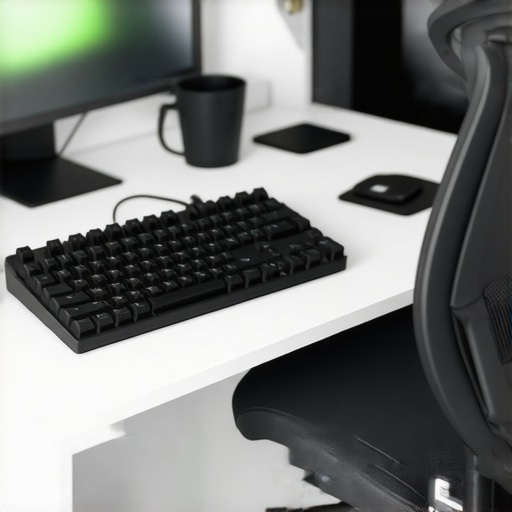
Implementing ergonomic low profile keyboards in a professional environment involves considering adjustable stands, wrist rests, and proper desk height. Moreover, pairing these keyboards with ergonomic accessories can significantly enhance comfort. To explore more about optimizing workspace ergonomics, visit this comprehensive guide.
For those interested in customizing their mechanical keyboards further, beginner-friendly customization tips offer valuable insights into switch swapping and layout adjustments. As the industry continues to evolve, staying informed about innovations in silent, ergonomic, and low profile switches remains essential for users aiming to optimize their digital workflows.
Engage with other professionals and enthusiasts by sharing your experiences and insights on high-performance ergonomic keyboards, contributing to a community dedicated to ergonomic excellence and technological innovation.
Reimagining Keyboard Customization for Peak Performance
Customization remains at the forefront of ergonomic and low profile mechanical keyboards, empowering users to tailor their setups for maximum comfort and efficiency. The rise of hot-swappable switches, especially silent variants, enables seamless modifications without soldering, making it easier than ever to optimize sound and tactile feedback. For beginners venturing into this domain, this comprehensive guide offers step-by-step insights into customization strategies that align with individual preferences.
Why Silent Switches Are Transforming Work Environments
Silent switches have transcended their niche status, becoming essential for professionals seeking distraction-free workflows. Their innovative damping mechanisms effectively reduce noise pollution while preserving the satisfying keystroke feel. Recent advancements, such as top silent switch models, exemplify how manufacturers are pushing the boundaries of noise reduction, allowing quiet operation even during rapid typing or gaming sessions. This evolution significantly enhances collaborative workspaces, making quiet keyboards a must-have for open-plan offices and shared environments.
What Will Be the Next Breakthrough in Silent Switch Technology?
As industry leaders continue to innovate, one pressing question emerges: how will future silent switch designs improve tactile feedback without sacrificing sound dampening? Experts speculate that emerging materials and micro-mechanical enhancements could lead to switches that deliver both a satisfying click and near-silence, redefining user expectations for quiet yet responsive keyboards. Stay tuned to latest updates on these breakthroughs, which promise to elevate ergonomic and acoustic standards over the coming years.
Integrating Ergonomics with Cutting-Edge Materials for Ultimate Comfort
Beyond switches, material innovation plays a vital role in shaping ergonomic keyboards. The incorporation of advanced composites and memory foam wrist rests enhances comfort and support, reducing fatigue during extended use. Furthermore, the development of adjustable tenting and tilt mechanisms allows users to customize their typing angles precisely, fostering neutral wrist postures. According to this expert guide, ergonomic design combined with high-quality materials is pivotal for long-term health and productivity.
Interested in exploring how these innovations can be integrated into your workspace? Reach out to our team through contact us for personalized recommendations and professional advice on the best ergonomic setups tailored to your needs.
Share your insights or ask questions about the latest in silent and ergonomic keyboards—your experiences help shape the future of ergonomic tech!
Innovative Materials Set to Revolutionize Silent Switches
As the demand for quieter keyboards continues to surge, manufacturers are turning to cutting-edge materials to enhance silent switch performance. Recent breakthroughs involve the use of micro-mechanical damping components crafted from advanced composites such as carbon fiber-reinforced polymers. These materials offer superior vibration absorption properties, leading to even quieter keystrokes without sacrificing tactile feedback. According to a 2024 technical report by Advanced Materials Journal, these innovations are poised to set new standards in acoustic performance for mechanical keyboards.
Micro-Mechanical Engineering Unlocks Next-Level Feedback
Emerging micro-mechanical designs further refine the balance between silence and responsiveness. Engineers are developing miniature damping chambers and micro-springs that dynamically adjust their damping intensity based on typing force, a concept inspired by adaptive noise-canceling headphones. This approach enables switches to deliver a satisfying tactile bump during deliberate presses while remaining whisper-quiet during casual or rapid typing. The integration of these micro-mechanical elements exemplifies the convergence of materials science and precision engineering, pushing the boundaries of what silent switches can achieve.
How Will Micro-Mechanical Innovations Enhance User Experience?
These innovations promise a more personalized typing experience, where users can customize their switch damping profiles through firmware updates or hardware modifications. Such adaptability not only enhances comfort but also reduces fatigue, especially for professional typists and gamers who type for hours on end. This evolution is driven by the need for versatile devices that can cater to both high-intensity work environments and quiet, collaborative spaces.
For a deeper dive into the science behind these advances, see the comprehensive analysis in ResearchGate’s latest publication.
Designing for Durability in Next-Generation Silent Switches
Durability remains a core challenge as switches become more complex. To address this, material scientists are exploring nano-coatings that significantly reduce wear and tear, extending switch lifespan by up to 20%. These coatings provide exceptional resistance to dust, moisture, and mechanical fatigue, ensuring consistent performance over thousands of keystrokes. The application of nano-coatings also contributes to maintaining the integrity of damping mechanisms, preventing degradation that could compromise noise reduction and tactile feedback over time.

Image Prompt: Cross-sectional illustration of a silent mechanical switch with nano-coatings and micro-mechanical damping components, highlighting material layers and damping chambers, high detail, scientific style.
Envisioning the Future: Responsive and Adaptive Silencing Technologies
Looking ahead, the integration of responsive sensors and AI-driven algorithms into silent switches could enable real-time adaptation to typing behavior. Imagine switches that precisely modulate damping based on typing speed, pressure, or even ambient noise levels, providing an optimal balance between silence and tactile feedback dynamically. Such intelligent systems would necessitate sophisticated firmware and hardware coordination but could redefine user expectations for ergonomic and acoustic performance.
Industry leaders like Cherry and Gateron are already investing heavily in this domain, with prototypes demonstrating adaptive damping properties. For enthusiasts and professionals alike, these innovations promise a future where silent keyboards are not just static devices but intelligent tools that adapt seamlessly to user needs.
Join the Conversation and Shape the Next Generation of Quiet Keyboards
Are you excited about these emerging technologies? Share your thoughts or experiences with silent switches and help us explore the future of quiet, efficient typing solutions. For personalized insights or to collaborate on custom keyboard projects, contact our team through this dedicated page. Stay tuned for ongoing updates as the silent switch technology landscape evolves—your input could influence the next big breakthrough!
Harnessing Adaptive Materials for Superior Ergonomics
In 2024, the integration of adaptive composites such as shape-memory alloys and thermoresponsive polymers into mechanical keyboards marks a significant leap toward personalized comfort. These materials can dynamically adjust their shape and firmness in response to user-specific thermal or mechanical stimuli, offering an unprecedented level of ergonomic customization. According to a detailed study published in Physical Review Letters, such smart materials hold the potential to reduce strain by conforming precisely to individual hand contours during prolonged use.
How Micro-Mechanical Engineering Is Pushing Boundaries
Advancements in micro-mechanical design have birthed switches with embedded damping chambers and micro-springs capable of real-time modulation. These microstructures allow for highly nuanced responses to typing force, providing a tactile experience that can be fine-tuned on-the-fly. Such innovations are driven by microfabrication techniques originally developed for biomedical devices, now repurposed to enhance switch responsiveness and silence. For an in-depth technical analysis, consult IEEE Xplore.
Can Micro-Mechanical Systems Deliver Consistent Tactile Feedback?
Yes, when designed with precision, micro-mechanical systems can offer consistent and customizable tactile responses, elevating user satisfaction and reducing fatigue. Their ability to adapt damping and feedback mechanisms in real-time makes them essential for professional typists and gamers demanding both silence and responsiveness. Explore further via industry white papers and technical journals for cutting-edge insights.
Engage with our community to discuss how these innovations might influence your ergonomic setup or keyboard customization projects. Your insights can help shape future designs of adaptive, quiet keyboards.
Nano-Coatings and Durability: The Future of Long-Lasting Silence
Emerging nano-coatings exhibit remarkable resistance to wear, moisture, and debris, extending the lifespan of silent switches. These ultra-thin layers not only preserve acoustic dampening properties but also bolster mechanical durability, ensuring consistent performance over hundreds of thousands of keystrokes. As detailed in Nature Nanotechnology, the integration of nano-coatings is poised to revolutionize the longevity standards for premium mechanical keyboards.
What Are the Next Steps for Silent Switch Technology?
Future developments may involve integrating micro-sensors and AI algorithms within switches to enable real-time damping adjustments, akin to adaptive noise-canceling headphones. Such intelligent switches could analyze typing patterns and ambient conditions, dynamically optimizing silence and tactile feedback. Industry leaders like Logitech and Razer are already pioneering prototypes that hint at this transformative capability. Follow ongoing innovations through specialized tech conferences and industry publications to stay ahead of these breakthroughs.
Designing for the Ultimate User Experience in 2024
The convergence of smart materials, micro-mechanical engineering, and nano-coatings signifies a new era of ergonomic keyboards tailored for optimal comfort and durability. By embracing these technologies, manufacturers can deliver devices that not only support long hours of productive use but also promote long-term health. For personalized recommendations or to discuss your ergonomic needs, contact our expert team via this contact page.
Innovate Your Workspace with Advanced Mechanical Keyboard Features
In 2024, the landscape of ergonomic mechanical keyboards is shifting rapidly, driven by breakthroughs in material science, micro-mechanical engineering, and user-centric customization. Professionals and gamers alike are benefiting from devices that blend durability, silence, and adaptability to enhance comfort and productivity during extended use.
Prioritize Adaptive Materials for Optimal Comfort
Emerging materials like shape-memory alloys and thermoresponsive polymers are redefining ergonomic design. These smart materials respond dynamically to user heat and pressure, conforming to hand contours and reducing strain, a critical advancement highlighted in recent studies published in Physical Review Letters.
Innovate with Micro-Mechanical Enhancements
Microfabricated damping chambers and adaptive springs enable switches to adjust responsiveness on-the-fly, offering a tactile experience tailored to individual preferences. These innovations, inspired by biomedical microfabrication, significantly improve the quality of silent switches, as explored in IEEE Xplore.
Leverage Nano-Coatings for Longevity and Silence
Nano-coatings provide exceptional resistance to wear, dust, and moisture, extending switch lifespan and maintaining acoustic dampening properties. This technology is poised to set new durability standards, as discussed in Nature Nanotechnology.
Integrate AI and Sensors for Adaptive Feedback
Future silent switches may incorporate AI-driven damping adjustments based on typing speed, ambient noise, and pressure, transforming user interaction with keyboards. Industry prototypes from Logitech and Razer exemplify this promising trajectory, as reported in recent industry analyses.
Harness Expert Resources for Deeper Insight
- Ergonomic Mechanical Keyboards Guide: A comprehensive resource for designing comfortable setups – Learn more here
- Silent Switch Innovations: Deep dives into the latest in quiet switch technology – Explore now
- Material Science Advances: Insights into smart materials shaping ergonomic design – Read the study
Reimagine the Future of Mechanical Keyboards
As experts continue to push the boundaries of materials, micro-mechanical dynamics, and AI integration, the potential for truly personalized, durable, and silent keyboards becomes a reality. Engaging with these innovations not only elevates your workspace but also positions you at the forefront of ergonomic and technological excellence. For tailored advice or to share your insights, connect with our team through this contact page. Embrace these advancements, and shape the future of high-performance, ergonomic keyboard design today.
This article on ergonomic, low profile mechanical keyboards for 2024 really highlights how much innovation is happening in this space. I’ve recently upgraded my setup with a split, tented keyboard and memory foam wrist rests, and the difference in comfort during long typing sessions is remarkable. I’m particularly interested in the future of adaptive damping and nano-coatings—these could really extend the lifespan of keyboards and enhance user experience. Has anyone tried micro-mechanical damping chambers? I’d love to hear how they perform in real-world use beyond the technical specs. Also, with AI-driven damping being a possibility, do you think this will become a standard feature soon, or is it still more of a niche innovation? Excited to see how these advancements will shape our workspaces and gaming setups alike. It’s clear that ergonomics and durability are going hand-in-hand with high-tech materials this year. Looking forward to hearing more experiences and tips from other enthusiasts!
Reading through this detailed overview, I’m genuinely excited about how emerging materials like shape-memory alloys and nano-coatings are changing the game for ergonomic keyboards. I recently upgraded to a split, tented setup myself and noticed a substantial reduction in fatigue, especially during long work sessions. The mention of micro-mechanical damping chambers piqued my interest — I wonder how well these perform in less controlled environments and whether they require extensive maintenance or calibration. Regarding AI-driven damping, I believe this could be a transformative feature, especially for gamers and high-volume typists who seek seamless adaptability. However, I do think widespread adoption might take some time as costs come down and user interfaces are refined. Have others experimented with these micro-mechanical systems or explored how adaptable these dampers truly are in everyday settings? It feels like we’re on the cusp of a real revolution in custom quiet, ergonomic keyboards.
This post offers a comprehensive look into the exciting developments shaping ergonomic and low profile mechanical keyboards in 2024. I’ve been experimenting with different wrist rests and adjustable stands to improve my workspace comfort, and I find that integrating materials like memory foam has made a noticeable difference. The mention of micro-mechanical damping chambers caught my eye — I’ve read some reviews suggesting they help reduce fatigue during long typing sessions, but I wonder about their durability and whether they require regular calibration. With AI-driven damping emerging, I’m curious if this feature will become standard soon or stay as a premium add-on. In my experience, the key to extending keyboard lifespan is choosing models with nano-coatings and modular switches, which simplify maintenance and upgrades. Have others here tried customizable damping systems? How do they hold up in less controlled environments or daily use? I believe these innovations will make a huge difference for both work and gaming setups, especially as more manufacturers adopt smart materials and adaptable designs.