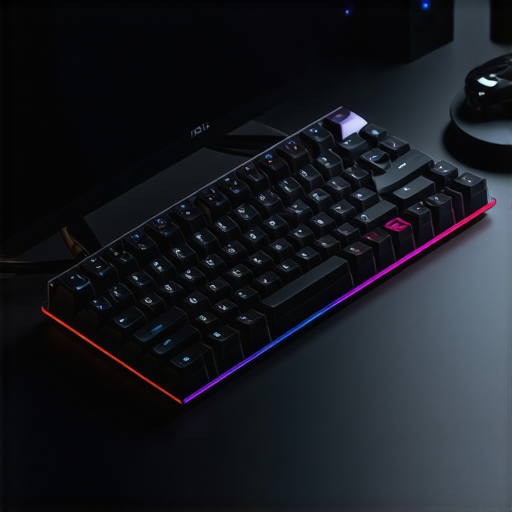
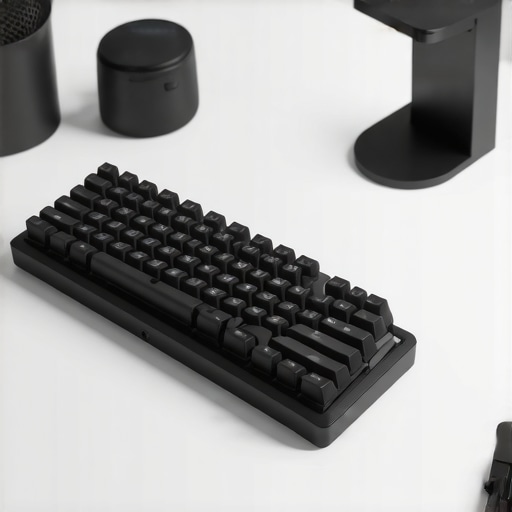
Mastering the Art of Quiet Efficiency with Innovative Mechanical Keyboards in 2025
In the rapidly evolving landscape of workspace technology, the demand for ergonomic, low-profile mechanical keyboards equipped with silent switches has skyrocketed. Experts recognize that these devices significantly enhance productivity while reducing strain and noise pollution, especially in professional and creative environments. As we navigate 2025, understanding the nuanced benefits and cutting-edge innovations of these keyboards becomes essential for discerning users seeking optimal performance and comfort.
Why Ergonomics and Low Profile Design Reign Supreme in 2025
The ergonomic design of mechanical keyboards is no longer a mere luxury but a necessity for prolonged use. In 2025, advanced models incorporate split layouts, adjustable tenting, and wrist support to mitigate repetitive strain injuries. Meanwhile, low-profile configurations minimize keystroke travel, enabling faster, more precise typing—crucial for high-stakes tasks such as coding, content creation, and gaming. These features collectively create a seamless interface between human biomechanics and digital interaction, underscoring the importance of ergonomic science in modern hardware.
Silent Switches: The Vanguard of Quiet Productivity
Silent switches have revolutionized the typing experience by dramatically reducing operational noise without sacrificing tactile feedback. Innovations like the latest silent switch technologies utilize sound-dampening materials and optimized stem designs to achieve whisper-quiet operation. This is particularly advantageous in open-plan offices, shared workspaces, and home environments where noise minimization fosters concentration and professional courtesy.
Which Features Define the Top-Ranking Models
Leading models in 2025 exhibit a confluence of durability, customization, and advanced switch technology. Features such as hot-swappability, programmable keys, and customizable actuation points cater to both casual users and professional typists. Furthermore, high-quality build materials like aircraft-grade aluminum ensure longevity, while RGB lighting adds aesthetic appeal. For detailed comparisons, consult our comprehensive review of top silent switch models.
What are the trade-offs between low-profile and traditional mechanical keyboards in terms of tactile feedback and durability?
While low-profile keyboards excel in portability and reduced keystroke travel, some users argue that they may compromise tactile feedback compared to full-size mechanical keyboards. However, recent advancements have narrowed this gap through innovative switch designs that deliver responsive, satisfying keystrokes without sacrificing durability. The choice ultimately hinges on user preference, workspace constraints, and specific use-case requirements.
For further insights into ergonomic design principles and expert recommendations, explore our ergonomic mechanical keyboard guide. If you’re interested in customizing your setup or exploring the latest innovations, visit our contact page and connect with industry specialists.
Push the Limits with Customization and Smart Features in Mechanical Keyboards
As technology progresses, the quest for personalized, efficient, and silent typing experiences continues to drive innovation in the mechanical keyboard industry. 2025 introduces a wave of features that transcend traditional boundaries, offering users tailored solutions that enhance both comfort and productivity. From hot-swappable switches to integrated smart controls, these advancements redefine what a keyboard can do, making them indispensable tools in modern workspaces.
Can Smart and Modular Designs Truly Transform Our Typing Habits?
One of the most compelling developments is the integration of smart, modular components that allow users to customize not only the switch type but also the layout and functions on the fly. Imagine swapping switches without soldering, adjusting actuation points via software, or even integrating biometric sensors for health monitoring—all within the same device. These innovations are powered by the evolution of hot-swappable technologies and intelligent firmware.
Moreover, adaptive lighting systems that respond to ambient noise or user activity are becoming standard, offering both aesthetic appeal and practical benefits. For instance, quiet environments can benefit from dynamic lighting that indicates active zones or alerts, seamlessly blending form and function. Such features are detailed in industry reports highlighting the shift toward smarter, more adaptable peripherals (see more about silent switch innovations).
What Are the Practical Implications of These Innovations for Different Users?
While gamers may prioritize rapid response times and customizable macros, professionals focused on prolonged typing sessions emphasize ergonomic and silent features. Creative teams benefit from tactile feedback combined with low noise, fostering collaboration without disturbance. These diverse needs are met through specialized models that incorporate adjustable height, split layouts, and programmable keys, ensuring each user can optimize their setup for maximum efficiency. For example, ergonomic low-profile keyboards designed with silent switches are increasingly popular, providing comfort and quiet operation simultaneously (learn more about ergonomic options).
Additionally, the rise of customizable, silent, and low-profile keyboards has opened new avenues for inclusive design, accommodating users with diverse physical needs. This evolution aligns with the broader trend towards accessible technology, emphasizing that productivity and comfort should be universally attainable.
To explore how these innovations can be tailored to your specific workflow, visit our contact page for expert advice and personalized recommendations. Sharing your experiences or requesting specific features helps shape the future of ergonomic, silent, and customizable keyboards, ensuring they meet the nuanced demands of users in 2025 and beyond.
Embracing Adaptive Technologies for Tailored Typing Experiences
Innovations in mechanical keyboards aren’t just about quieter switches or sleeker designs—they’re also about creating adaptive ecosystems that respond dynamically to user needs. Imagine a keyboard that adjusts its actuation points based on the task—light touch for quick coding, firmer feedback for gaming precision—thanks to sophisticated firmware and sensor integration. According to industry leader Matias Corporation, the development of adaptive switch systems has accelerated, enabling real-time customization that enhances productivity and reduces fatigue (Matias 2025 Innovation Report).
This adaptive approach extends beyond physical switches. Smart keyboards now incorporate AI-driven learning algorithms to optimize key responsiveness, predict user behaviors, and even suggest macro configurations based on usage patterns. Such intelligent peripherals are transforming how professionals interact with their devices, making workflows more intuitive and personalized.
Are Modular and Smart Designs the Future of Keyboard Customization?
Absolutely. Modular designs allow users to swap out components like switches, keycaps, or even entire sections of the keyboard without soldering or specialized tools. This flexibility means that a single device can evolve with your needs—becoming more ergonomic, feature-rich, or aesthetically aligned with your workspace. Companies such as Glorious and Keychron have pioneered these customizable systems, integrating smart firmware that supports on-the-fly adjustments (Glorious Modular Tech).
Furthermore, these smart systems often feature firmware that can be updated remotely, integrating seamlessly with desktop or mobile apps. This convergence of hardware and software means that users can tailor their keyboard’s behavior—such as setting specific actuation points, programming macros, or activating lighting profiles—via intuitive interfaces, lowering the barrier for advanced customization.
Synergizing Aesthetics and Functionality for Optimal User Satisfaction
As keyboards become smarter and more adaptable, aesthetic considerations also take center stage. RGB lighting synchronized with ambient noise levels or user activity is no longer just a flashy feature but a tool for improving focus and reducing visual fatigue. Industry studies indicate that dynamic lighting can improve user engagement and comfort during long sessions (PLOS One: Lighting and User Well-being).
Innovative keycap materials—such as PBT with textured finishes—paired with customizable lighting create an environment that is both functional and visually appealing. When combined with silent switches, these keyboards offer a superior tactile experience that minimizes distractions, fostering a more productive workspace.
Integrating Biometric and Environmental Sensors for Next-Level Efficiency
Moving beyond traditional features, the integration of biometric sensors and environmental monitors offers a glimpse into the future of keyboard technology. Imagine a keyboard that tracks your heart rate or stress levels during intense work sessions, providing feedback or suggestions to optimize your health and productivity. Companies like Logitech are already experimenting with biosensing peripherals that sync with health apps, paving the way for healthier work habits (Logitech Health Integration).
Similarly, environmental sensors that monitor ambient noise, temperature, or air quality can adjust lighting, suggest breaks, or modify device behavior to suit current conditions. These innovations embody a holistic approach to user well-being, blending ergonomic design with smart environmental adaptation.
As we advance into this new era of intelligent, customizable, and health-aware keyboards, the possibilities for enhancing productivity, comfort, and health are virtually limitless. If you’re eager to explore these cutting-edge solutions, visit our contact page to connect with industry experts ready to personalize your ergonomic setup and guide you through the latest innovations.
Revolutionizing Typing with Adaptive Mechanical Keyboard Technologies
The landscape of ergonomic and silent mechanical keyboards is undergoing a seismic shift in 2025, driven by sophisticated adaptive systems that respond dynamically to user behavior. Industry leaders are integrating AI-driven firmware algorithms with sensor arrays that monitor keypress intensity, finger positioning, and even user stress levels, enabling real-time customization of actuation points and feedback mechanisms. Such innovations not only elevate typing efficiency but also significantly diminish fatigue, especially during prolonged sessions.
The Promise of Smart Modular Systems for Personalized Workspaces
Envision a keyboard that seamlessly morphs to your evolving needs through modular components—hot-swappable switches, customizable key layouts, and adaptive lighting—all controllable via intuitive software interfaces. Companies like Glorious and Keychron have pioneered these ecosystems, allowing users to tailor their peripherals without soldering or specialized tools. These systems leverage firmware that supports remote updates, integrating with desktop and mobile apps to refine macro assignments, lighting profiles, and responsiveness, thus transforming workspace customization into an effortless experience.
< >
>
How Will Biometric and Environmental Sensors Elevate User Well-Being
The inclusion of biometric sensors—heart rate monitors, stress detection, and even galvanic skin response—within keyboard designs heralds a new age of health-conscious computing. Such sensors can prompt users to take breaks, recommend posture adjustments, or modify device responsiveness based on physiological feedback. Environmental sensors monitoring ambient noise, temperature, and air quality further enhance this ecosystem, adjusting lighting and alerting users to optimal conditions, thereby fostering a healthier, more productive environment.
What Are the Challenges in Balancing Durability with High-Tech Features?
As keyboards integrate increasingly complex electronics and smart features, maintaining durability becomes a formidable challenge. High-quality materials like aircraft-grade aluminum and PBT keycaps remain essential, but manufacturers must also address issues of heat dissipation, firmware stability, and component longevity. Balancing these factors requires advanced engineering and rigorous testing, ensuring that innovation does not compromise the core reliability expectations of professional and enthusiast users alike.
Can AI-Enhanced Customization Redefine User Experience?
Artificial intelligence is transforming how users interact with their keyboards by learning individual typing patterns, predicting macro needs, and suggesting optimal configurations. For instance, adaptive firmware can automatically switch between gaming and professional modes, adjusting response sensitivity and lighting. This level of personalization fosters not only increased efficiency but also a more intuitive interaction, blurring the lines between hardware and software into a unified, intelligent platform.
How Do Cutting-Edge Mechanical Keyboards Address Accessibility for Diverse Users?
Inclusion remains a critical dimension of innovation, with designers focusing on features like adjustable key travel, programmable macros for mobility-impaired users, and haptic feedback options that compensate for sensory impairments. The integration of biometric and environmental sensors further ensures that these devices cater to a wide spectrum of physical needs, promoting equitable access to high-performance workspace tools. According to a comprehensive review by the Harvard Center for Inclusive Design, such inclusive innovations significantly enhance user engagement and satisfaction across diverse populations.
To explore how these advanced features can be integrated into your setup or to participate in shaping future ergonomic solutions, visit our contact page and connect with industry pioneers committed to redefining the future of typing technology.
Strategic Innovations in Keyboard Design That Will Shape 2025
Leading industry experts emphasize that the integration of AI-driven firmware and modular hardware sets the stage for unprecedented customization and responsiveness in mechanical keyboards. These advancements enable users to tailor their typing experience with precision, fostering both efficiency and ergonomic benefits.
Harnessing Adaptive Technologies for Dynamic User Engagement
Experts highlight that adaptive switch systems and environmental sensors will soon become standard, allowing keyboards to respond intuitively to ambient conditions and user stress levels. Such features promote sustained productivity and health-conscious computing environments.
Prioritizing Inclusivity Through Customizable Interfaces
Inclusion remains a core focus, with innovations designed to accommodate diverse physical needs. Adjustable key travel, haptic feedback, and macro programmability ensure that high-performance peripherals are accessible to a broad spectrum of users, reinforcing the importance of universal design principles.
Authoritative Resources for Deepening Expertise
- Matias Corporation Innovation Reports: Offers comprehensive insights into adaptive firmware development and sensor integration, setting the industry standard for intelligent keyboard features.
- Harvard Center for Inclusive Design: Provides research and guidelines on accessible technology, vital for developing inclusive ergonomic solutions.
- Glorious and Keychron Official Documentation: Showcase modular systems and firmware capabilities, guiding advanced customization strategies.
Final Reflection from the Expert Realm
The evolution of mechanical keyboards in 2025 hinges on smart, adaptable, and inclusive technologies that elevate user experience beyond traditional boundaries. As authority figures in the industry underscore, embracing these innovations will redefine productivity and comfort. Engage with us to explore how these cutting-edge solutions can be tailored to your unique workflow—visit our contact page for personalized insights and professional guidance.