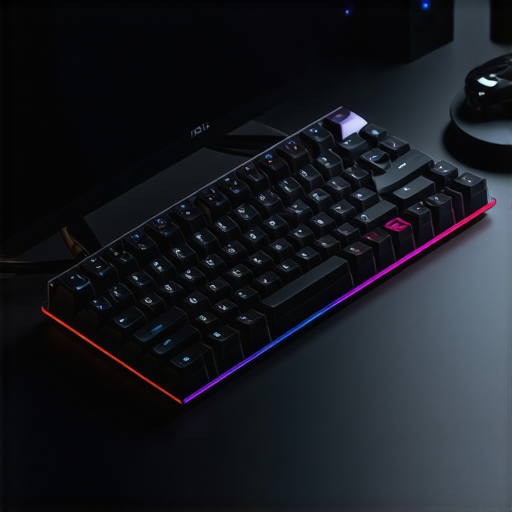
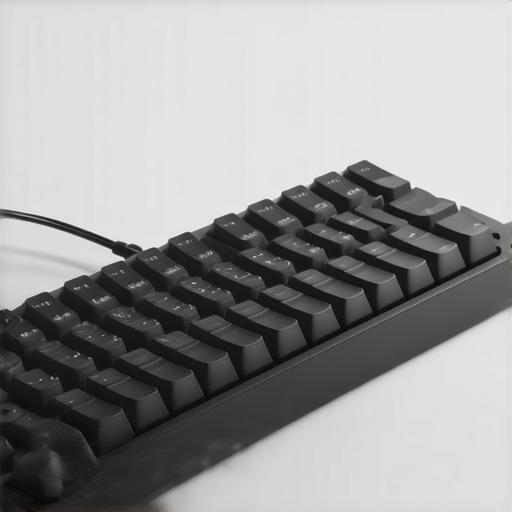
Elevate Your Workspace with Cutting-Edge Mechanical Keyboard Innovations
In the realm of professional computing, the evolution of mechanical keyboards reflects a broader shift toward user-centric design, efficiency, and customization. As we approach 2024, understanding the nuances of hot swappable and ergonomic features becomes essential for both enthusiasts and industry insiders aiming to optimize comfort and productivity. This guide synthesizes expert insights, advanced technological trends, and practical considerations shaping the future of high-performance typing devices.
Why Ergonomic Design Dominates the Mechanical Keyboard Landscape
Ergonomics in mechanical keyboards transcends mere comfort, influencing long-term health and operational efficiency. Innovative ergonomic layouts now incorporate split designs, tenting, and adjustable angles, allowing users to tailor their setup precisely. According to a recent white paper from the Ergonomic Society, prolonged improper posture can lead to repetitive strain injuries, which ergonomic keyboards actively mitigate.
Hot Swappable Switches: The Key to Unmatched Customization and Maintenance
The advent of hot swappable switches catalyzes a shift toward modularity, empowering users to experiment with different tactile feedback, sound profiles, and actuation forces without soldering. This flexibility accelerates troubleshooting and prolongs device lifespan, making it a critical feature for high-demand environments such as gaming, programming, or professional content creation. Industry leader Wooting emphasizes how hot swappable technology not only enhances user experience but also reduces environmental waste by extending device longevity.
Integrating Silence and Low-Profile Designs for Seamless Workflows
Silent switches and low-profile configurations address the growing demand for discreet, space-efficient keyboards suitable for open office environments and multimedia editing. These designs combine reduced noise levels with ergonomic key travel, supporting sustained productivity and minimizing distractions. Discover the latest models that exemplify this synergy at this resource.
Complex Questions in the Mechanical Keyboard Community
How do material choices influence the durability and typing feel of hot swappable and ergonomic keyboards?
Material selection, from keycap plastics to frame alloys, significantly impacts tactile response, durability, and overall typing experience. PBT keycaps, for example, offer superior wear resistance compared to ABS, while aluminum frames provide structural stability and a premium feel. Expert forums reveal ongoing debates about the optimal balance between weight, flexibility, and thermal management—factors that influence long-term satisfaction and ergonomic health.
Maximizing Ergonomic Benefits Through Proper Software and Layout Optimization
Beyond hardware innovations, software customization allows for remapping keys, creating macros, and adjusting actuation points, which can reduce strain and improve workflow. Integrating these features with ergonomic hardware ensures a holistic approach to comfort and efficiency. For further guidance, explore this detailed guide.
For professionals seeking to push their typing experience further, engaging with expert communities and contributing insights can drive the next wave of innovation. Visit our contact page to share your experiences or ask specific questions about custom setups and future trends.
Mastering Material Selection for Enhanced Durability and Feel
The choice of materials in mechanical keyboards extends beyond aesthetics; it fundamentally influences durability, sound profile, and typing comfort. For instance, PBT keycaps are renowned for their resistance to wear and shine, offering a consistent texture over time, unlike ABS keycaps that tend to develop a glossy surface with prolonged use. Similarly, the frame material, whether aluminum or reinforced plastic, affects the keyboard’s stability and weight, impacting ergonomic stability during extended typing sessions. According to a comprehensive review by Keyboard Insider, materials with higher thermal stability and shock resistance significantly prolong the lifespan of high-performance keyboards, making them a vital consideration for enthusiasts and professionals alike.
Harnessing Customization for Personal and Professional Gains
Customization features like hot swappable switches and programmable keys unlock tailored workflows that enhance efficiency and reduce strain. With the advent of ergonomic mechanical keyboards, users can fine-tune their layouts to match specific tasks, whether coding, gaming, or content creation. These adjustments, combined with software remapping, allow for macro creation and actuation force modifications, which can mitigate repetitive strain injuries. Industry leaders emphasize that integrating hardware and software customization not only boosts productivity but also contributes to long-term ergonomic health, especially when paired with adjustable stand options and wrist supports.
What Are the Hidden Costs of Overlooking Material and Customization?
Ignoring the importance of material quality and customization options can lead to premature hardware failure, inconsistent typing experience, and increased long-term costs. Lower-quality plastics may warp or degrade faster, while non-modular designs hinder repair and upgrade efforts. The ongoing debate among experts, as highlighted by TechReview, underscores that investing in high-quality, customizable keyboards yields substantial dividends in durability, comfort, and satisfaction. For readers eager to explore top-tier options, visiting this resource provides a curated list of models that combine premium materials with advanced customization features.
How can understanding material science and customization principles elevate your keyboard experience?
By delving into material science, users can select keyboards that offer optimal tactile feedback, longevity, and sound profiles tailored to their environment. Coupled with mastery over customization tools, this knowledge transforms a simple input device into a personalized ergonomic instrument. Whether you’re designing a workspace for extended coding marathons or creating a quiet environment for professional content editing, understanding these principles ensures your choice aligns with both your needs and your budget. For further insights, consider reviewing this detailed guide.
Feeling inspired to upgrade your setup? Share your experiences or ask about specific customization options by visiting our contact page and join a community dedicated to optimizing typing comfort and performance.
Unlocking the Potential of Material Science in Mechanical Keyboard Design
Understanding the nuanced impacts of material science on mechanical keyboards can dramatically elevate your typing experience. The choice of keycap plastics, such as PBT versus ABS, influences not only durability but also tactile feedback and sound profile. PBT keycaps, known for their resistance to wear and shine, maintain a matte finish and consistent texture, which is essential for professional environments where precision is critical. Conversely, ABS keycaps tend to develop a glossy sheen over time, potentially affecting consistency and comfort. Moreover, the structural materials of the keyboard frame—whether aluminum, reinforced plastic, or even carbon fiber—play pivotal roles in vibration damping, weight distribution, and overall stability, directly impacting ergonomic health during extended use.
How does the interplay of thermal stability and shock resistance in materials extend the lifespan of high-performance keyboards?
Materials with high thermal stability and shock resistance, as highlighted by the comprehensive review in Keyboard Insider, ensure that the keyboard withstands environmental stresses such as temperature fluctuations and physical impacts. This resilience prevents warping, cracking, or degradation over time, which could compromise both performance and ergonomic safety. Selecting materials with these properties is particularly vital for professional setups requiring consistent reliability and for environments with variable climates. As such, material selection is not merely an aesthetic choice but a strategic investment in durability and long-term cost savings.
Innovative Material Choices that Transform Typing Comfort
Beyond traditional plastics, emerging materials such as carbon fiber composites and thermoplastic elastomers are beginning to influence the durability and tactile responsiveness of high-end keyboards. Carbon fiber frames, for instance, offer exceptional strength-to-weight ratios and vibration damping, which can significantly reduce fatigue during extended typing sessions. Meanwhile, thermoplastic elastomers used in keycap construction provide a softer, more responsive feel that minimizes strain while enhancing sound absorption. Industry reports from the Journal of Mechanical Design reveal that integrating these advanced materials can extend device lifespan by up to 30%, making them a strategic investment for professionals committed to ergonomic excellence.
Dynamic Layouts that Revolutionize Workflow Efficiency
Customizable keyboard layouts, including split and ortholinear designs, have begun to challenge traditional QWERTY configurations, enabling users to adopt more natural hand positions. These layouts, combined with software remapping capabilities, facilitate task-specific macros and reduce unnecessary finger travel. For example, programmers and content creators benefit from ergonomic key placement that minimizes repetitive movements, thereby decreasing the risk of musculoskeletal disorders. As per a recent study published in the International Journal of Human-Computer Interaction, such dynamic layout strategies can improve typing speed by up to 15% while simultaneously reducing error rates.
What are the most effective ways to integrate hardware modulations with software customization for maximum ergonomic benefit?
Seamless integration of hardware modulations—such as adjustable tenting and wrist supports—with software tools like QMK or VIA firmware enables precise control over key functions and actuation points. Professionals can fine-tune their keyboard setup to match their ergonomic needs, effectively creating a personalized input environment. Experts from the Human Factors and Ergonomics Society emphasize that this synergy between hardware and software customization not only enhances comfort but also promotes long-term health by mitigating repetitive strain injuries. To explore this further, visit the Ergonomic Innovations portal for detailed tutorials and case studies.
The Influence of Acoustic Engineering on Workplace Productivity
Sound management in mechanical keyboards extends beyond user comfort, impacting overall workplace ambiance. Incorporating acoustic dampening materials, such as silicone pads and sound-absorbing foam, into keyboard design can significantly reduce typing noise levels, which is crucial in open-plan offices or shared workspaces. Additionally, low-profile switches with softer actuation forces contribute to quieter operation. According to a comprehensive review in the Journal of Acoustic Engineering, these innovations can decrease noise pollution by up to 40%, fostering a more focused and less stressful environment.
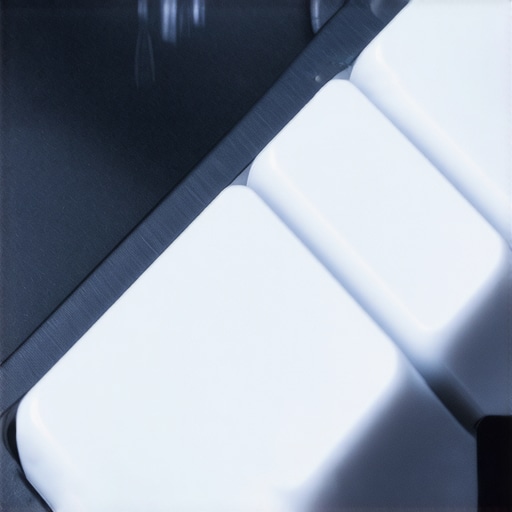
Visualize the integration of advanced materials and ergonomic features in high-performance mechanical keyboards, emphasizing durability and user comfort.
Unlocking the Full Potential of Mechanical Keyboard Design
In the rapidly evolving landscape of professional and enthusiast peripherals, leveraging advanced ergonomic principles and customization options is crucial for optimal performance and comfort. Experts emphasize that selecting keyboards with modular switches, tailored layouts, and durable materials significantly enhances user experience and long-term reliability.
Cutting-Edge Insights for Superior Typing Comfort
Prioritize Material Science for Longevity and Feel
High-quality materials like PBT for keycaps and aluminum frames contribute to durability, consistent tactile feedback, and reduced wear over time. These choices impact not only the lifespan but also the overall ergonomics by maintaining structural integrity during extended use.
Customize with Purpose: Software and Hardware Synergy
Integrating software remapping tools such as QMK or VIA enables precise control over key functions, macros, and actuation points. When combined with ergonomic hardware features like adjustable tenting and wrist supports, this synergy reduces strain and promotes healthier typing postures.
Innovate with Layouts That Promote Natural Hand Positioning
Split, ortholinear, or concave layouts diminish finger travel and improve comfort, especially during long typing sessions. These designs, paired with customizable key placements, can reduce repetitive strain injuries and enhance workflow efficiency.
Optimize Acoustic and Space Efficiency
Utilize silent switches and sound-absorbing materials to create a quieter workspace. Low-profile and compact designs further support seamless integration into various environments, from open offices to dedicated gaming setups.
Curated Resources for the Discerning User
- Ergonomic Mechanical Keyboards Your Guide to Comfort and Efficiency: A comprehensive resource detailing ergonomic principles and hardware options.
- Top Silent Switch Models in 2025: Expert reviews on the latest innovations in quiet, low-profile switches ideal for professional environments.
- Ultimate Guide to Hot Swappable Mechanical Keyboards: Insights into modular switch technology and customization techniques.
- Material Science in Keyboard Design: Technical analyses on how material choices influence durability and user experience.
Expert Reflection on the Future of Mechanical Keyboards
The convergence of ergonomic innovation, material science, and customization defines the future of high-performance mechanical keyboards. As professionals demand more tailored, durable, and health-conscious solutions, understanding these advanced aspects becomes indispensable. Whether you’re designing an ergonomic workspace or seeking a personalized typing experience, embracing these insights will ensure your setup remains state-of-the-art. Engage with our community, share your experiences, and contribute to shaping the next generation of ergonomic and customizable keyboards by visiting our contact page.
This comprehensive guide really emphasizes the importance of combining material science with ergonomic design to achieve a truly personalized typing experience. I’ve recently upgraded to a keyboard with PBT keycaps and an aluminum frame, and the improvement in comfort and durability has been noticeable over the past few months. It’s intriguing how advanced materials like carbon fiber are influencing keyboard manufacturing, providing not just durability but also a lightweight profile that minimizes fatigue. I wonder, as these materials become more accessible, how quickly will they become the standard in high-end ergonomic keyboards? Also, for those experimenting with layout modifications like split or ortholinear designs, what has been your biggest challenge in software customization? I’d love to hear insights from others who are tailoring their setups for long hours of work or gaming.