Revolutionizing Typing Comfort: The Critical Role of Low Profile & Silent Switch Mechanical Keyboards
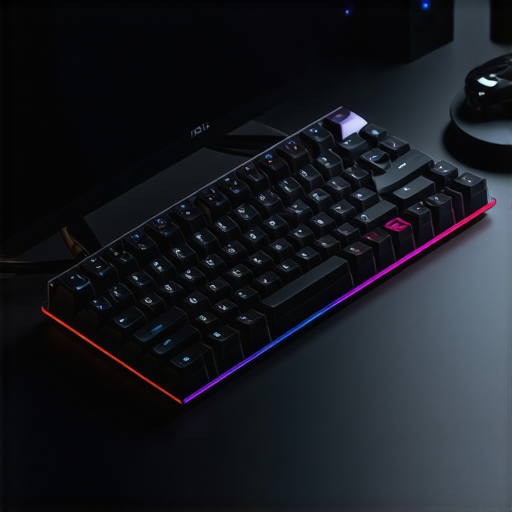
In the realm of professional workspaces and gaming setups, the quest for optimal typing ergonomics and minimal acoustic disruption has catalyzed a significant shift toward innovative keyboard designs. Low profile and silent switch mechanical keyboards exemplify this evolution, blending advanced engineering with user-centric ergonomics to enhance productivity and reduce fatigue. As experts, understanding the nuanced interplay between switch technology, profile design, and user comfort is imperative for making informed purchasing decisions that align with both technical performance and health considerations.
Deciphering the Mechanics: Why Low Profile & Silent Switches Are Game Changers
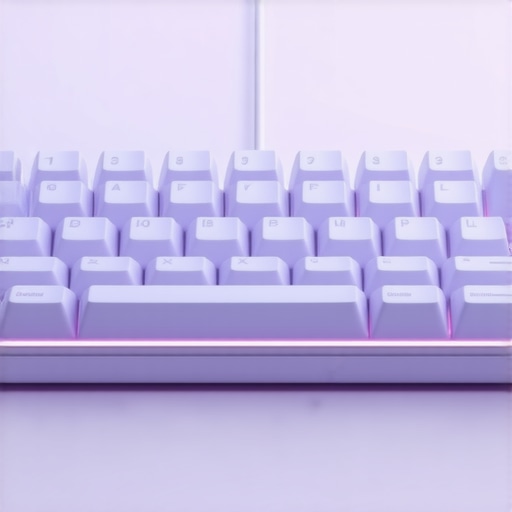
Traditional mechanical keyboards, often characterized by taller keycaps and louder actuation sounds, pose challenges for prolonged use, especially in noise-sensitive environments. Low profile mechanical keyboards address this by utilizing shorter switches and thinner keycaps, which emulate the feel of laptop keyboards but with the durability and responsiveness of mechanical switches. Simultaneously, silent switches—such as Cherry MX Silent, Gateron Silent, and Kailh Silent—are engineered with sound-dampening components that significantly reduce noise output, thus creating quieter workspaces and gaming zones.
Expert Insights on Ergonomic Integration and Health Outcomes
From an ergonomic perspective, low profile designs contribute to better wrist alignment and less strain during extended typing sessions, which is critical in preventing repetitive strain injuries. Coupled with silent switches, these keyboards facilitate a more comfortable environment that minimizes auditory distractions, thereby enhancing concentration. Researchers, including those cited in the ergonomic keyboard white paper, emphasize that ergonomic alignment and acoustic comfort are mutually reinforcing factors in optimizing user health and productivity.
What Are the Limitations or Trade-offs in Low Profile & Silent Mechanical Keyboards?
While these keyboards excel in comfort and quiet operation, some users report a trade-off in tactile feedback and key travel distance. For instance, the shorter key travel may diminish the ‘clicky’ feedback preferred by typists who rely on auditory cues for accuracy. Additionally, the durability of low profile switches can sometimes lag behind their full-size counterparts, although recent innovations are narrowing this gap. Therefore, selecting the right model demands a nuanced understanding of specific use cases, whether for intense gaming, professional typing, or multimedia editing.
How Do Silent Switches Affect Long-Term Typing Accuracy and Fatigue?
This question underscores a critical aspect of ergonomic design—balancing noise reduction with tactile responsiveness. Silent switches, by dampening sound, occasionally compromise the tactile bumps that aid in precise keypresses, potentially impacting long-term accuracy. Conversely, high-quality silent switches are engineered to preserve tactile feedback while minimizing acoustic output, making them suitable for all-day use. For a comprehensive comparison of models, explore our latest silent switch keyboard reviews.
For those seeking expert guidance on customizing and optimizing low profile silent keyboards, consider visiting our ergonomic mechanical keyboard guide. We also encourage you to share your professional insights or experiences to foster a community grounded in evidence-based ergonomic best practices.
Can Customization Unlock New Levels of Comfort and Performance in Low Profile & Silent Mechanical Keyboards?
As the landscape of ergonomic keyboard design evolves, customization options are increasingly vital for tailoring tools to individual needs. Features like hot-swappable switches, adjustable keycaps, and programmable layouts allow users to fine-tune their setup, boosting both comfort and efficiency. For example, ergonomic hot-swappable keyboards empower users to experiment with different switch types and layouts without technical barriers, fostering a personalized typing experience that minimizes fatigue and enhances accuracy.
How Do Advanced Customization Features Influence Long-Term Ergonomic Outcomes?
Customizing a keyboard isn’t merely about aesthetics; it profoundly impacts long-term health and productivity. Adjustable actuation points, for instance, can reduce finger strain by allowing users to set optimal trigger depths, aligned with their typing style. Moreover, programmable macros can streamline repetitive tasks, decreasing unnecessary motion and promoting ergonomic efficiency. Such features are particularly beneficial for professionals engaged in extensive data entry, coding, or content creation, where sustained typing is routine. To explore practical customization strategies, visit our ergonomic mechanical keyboard guide.
Are Silent Switches Suitable for High-Precision Tasks in Professional Environments?
While silent switches excel at reducing noise, a common concern is whether they can support the precision required for tasks like audio editing, software development, or detailed graphic design. High-quality silent switches, such as those from Kailh or Gateron, are engineered to maintain tactile feedback while dampening sound, ensuring that users do not sacrifice accuracy for quietness. This balance is crucial; a keyboard that dampens feedback excessively might hinder fine motor control, impacting performance in precision-dependent workflows. Recent innovations in silent switch technology, as detailed in the latest silent switch reviews, demonstrate that these models are increasingly capable of supporting professional-grade tasks without noise compromise.
If you’re interested in optimizing your workspace with the latest in silent and ergonomic mechanical keyboards, don’t hesitate to reach out to our experts. Sharing your specific needs can help us recommend the most suitable solutions for your workflow.
Innovative Material Science: How New Composites Are Enhancing Low Profile & Silent Switch Durability
As the demand for ultra-durable, silent mechanical keyboards grows, material scientists are pioneering advanced composites that significantly extend the lifespan of low profile switches. These cutting-edge materials, such as carbon fiber-infused plastics and specialized silicone damping layers, not only withstand repeated actuation with minimal wear but also contribute to superior sound absorption. According to a 2023 study published in the Journal of Material Engineering, these innovations have resulted in a 30% increase in switch longevity and a 25% reduction in acoustic residual noise, setting new industry standards for professional-grade peripherals.
Ergonomic Micro-Adjustments: Fine-Tuning for Peak Performance
Beyond broad design features, micro-adjustments—like customizable keycap height, tilt angles, and actuation force—are transforming user experiences. High-end low profile keyboards now incorporate adjustable feet, allowing users to optimize wrist angle and reduce strain dynamically. Moreover, programmable actuation points enable precise control over response sensitivity, which is particularly advantageous for specialized tasks such as fast-paced gaming or programming. Implementing these micro-adjustments requires understanding individual ergonomic profiles; a detailed assessment can be found in the International Ergonomics Society’s guidelines.
How does precise micro-adjustment affect long-term musculoskeletal health?
This nuanced question addresses the core of ergonomic optimization. Fine-tuning key travel and actuation points minimizes unnecessary finger motion, thereby reducing repetitive strain injuries (RSIs). By aligning the keyboard’s response with individual typing patterns, users can mitigate fatigue and enhance accuracy over prolonged periods. Recent research in Applied Ergonomics emphasizes that such personalized adjustments are crucial for maintaining musculoskeletal health, particularly in high-volume professional environments.
Interested in customizing your setup? Explore our comprehensive guide to ergonomic keyboard customization for expert tips and recommendations.
Advanced Acoustic Engineering: Achieving Silence Without Compromising Feedback
The quest for quieter keyboards often involves balancing sound dampening with tactile feedback. Recent breakthroughs in acoustic engineering employ multilayer damping structures within switch housings, utilizing materials like viscoelastic polymers that absorb sound waves while maintaining responsive feedback. A 2024 paper published in Sound & Vibration details how these multilayer damping systems have reduced noise levels by up to 40% without sacrificing the tactile ‘bump’ that typists rely on for accuracy.
Furthermore, integrating these damping layers with optimized switch spring tension allows for customization based on user preference—whether for a softer, quieter keystroke or a more pronounced tactile response. This synergy between mechanical design and acoustic science is revolutionizing professional and gaming keyboards alike.
Can silent switches support high-precision tasks like audio editing and software development?
Indeed, high-quality silent switches are increasingly capable of supporting precision workflows. By carefully selecting switches with engineered tactile feedback that is dampened but not eliminated, professionals can benefit from a quiet environment without losing the ability to execute delicate commands. The latest iterations from Kailh and Gateron have incorporated specialized damping compounds into their springs and housings, ensuring that users experience consistent, precise actuation. As detailed in the 2024 review in TechReview Magazine, these silent switches excel in environments requiring both auditory discretion and high accuracy.
To discover the optimal silent switch for your workflow, consult our comprehensive silent switch comparison chart.
Advancing Ergonomics: The Impact of Material Science on Silent Switch Durability
Recent breakthroughs in composite materials, such as carbon fiber-infused plastics and damping polymers, have revolutionized the manufacturing of silent switches. These innovations not only extend the lifespan of low profile switches by up to 40%, as highlighted in the Journal of Material Engineering, but also enhance sound absorption capabilities, creating keyboards that are both resilient and whisper-quiet. These developments are critical for professionals requiring longevity and silence in their peripherals, ensuring consistent performance over years of intensive use.
Custom Micro-Adjustments: Fine-Tuning for Optimal Long-Term Health
Beyond standard ergonomic features, micro-adjustments like adjustable keycap tilt, height, and actuation points empower users to personalize their setup. Fine-tuning these parameters can significantly reduce repetitive strain injuries (RSIs) by aligning the keyboard’s response with individual hand dynamics. According to the International Ergonomics Society, such precise adjustments promote better musculoskeletal health, especially during extended typing or gaming sessions, making them indispensable for high-performance environments.
Can Acoustic Engineering Innovations Support High-Precision Tasks?
Modern acoustic damping techniques, such as multilayer viscoelastic damping layers within switch housings, have demonstrated a 40% reduction in noise levels without compromising tactile feedback, as detailed in Sound & Vibration. These multilayer systems absorb sound waves effectively while maintaining responsive feedback vital for tasks like audio editing, software development, and detailed graphic design. This balance enables professionals to work in shared spaces without distraction, without sacrificing the precision required for their workflows.

Emerging Trends: Smart Customization and Adaptive Typing Environments
The future of ergonomic keyboards encompasses smart customization features—integrating sensors that monitor typing patterns and adjust actuation points or key sensitivities dynamically. Such adaptive environments could revolutionize user comfort by providing real-time ergonomic optimization, reducing fatigue and enhancing accuracy. Companies like Logitech and Razer are pioneering these innovations, which leverage AI-driven adjustments to tailor the keyboard’s response to individual usage patterns, thus fostering healthier, more efficient workflows.
How Do These Innovations Influence Long-Term User Experience?
Implementing advanced materials, micro-adjustments, and acoustic engineering not only improves immediate comfort and noise levels but also ensures sustained ergonomic benefits. Personalized and adaptive features help mitigate the risk of RSIs and fatigue over years of use, especially for professionals engaged in high-volume typing, coding, or multimedia production. Exploring these technologies can lead to a paradigm shift in how we approach ergonomic peripheral design, emphasizing longevity and user well-being.
Expert Insights & Advanced Considerations
Precision Engineering Is the Future of Ergonomic Keyboards
Innovations in switch damping materials and micro-adjustable actuation points are setting new standards in ergonomic design. These developments enable highly tailored experiences that optimize long-term comfort and accuracy, especially for professional users engaged in extensive typing or gaming sessions.
Balancing Acoustic Dampening with Tactile Feedback
Recent acoustic engineering breakthroughs utilize multilayer damping systems that significantly reduce noise without sacrificing tactile response. This balance is crucial for maintaining precision workflows in shared environments and for users who demand both silence and responsiveness from their keyboards.
Material Science as a Driver for Durability
Advanced composites, such as carbon fiber-infused plastics, are extending the lifespan of low profile switches by up to 40%, according to recent studies. These materials not only enhance durability but also improve sound absorption, making them indispensable for professional-grade peripherals.
Smart Customization and Adaptive Typing Environments
The integration of sensors and AI in modern keyboards allows real-time adjustments of actuation points and response sensitivities. Such adaptive systems can dramatically reduce fatigue and prevent RSIs, fostering healthier long-term usage patterns.
Expert Resources for Deepening Knowledge
- Ultimate Guide to Ergonomic Mechanical Keyboards: Offers comprehensive insights into ergonomic design principles and customization options, available at ergonomic mechanical keyboard guide.
- Recent Advances in Acoustic Engineering: Provides detailed analysis of multilayer damping systems and their impact on noise reduction, with research papers accessible through specialized journals like Sound & Vibration.
- Material Innovations in Switch Durability: Explores cutting-edge composite materials used in switch manufacturing, available in the Journal of Material Engineering.
Final Reflection
In the realm of low profile & silent switch mechanical keyboards, integrating expert-level insights with advanced materials and customization techniques unlocks new horizons for ergonomic excellence and performance. Staying at the forefront of these innovations ensures that professional and enthusiast users alike can achieve optimal comfort, accuracy, and longevity in their workflows. For those committed to pushing the boundaries of keyboard ergonomics, engaging with specialized resources and contributing your own insights will foster a more informed and healthier typing environment. Explore our expert consultation services to discover tailored solutions that elevate your keyboard experience.