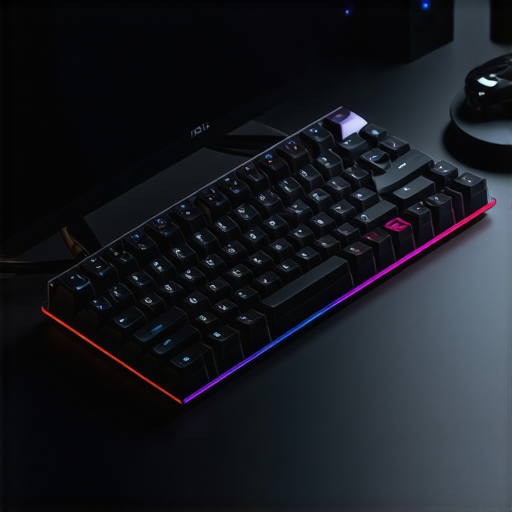
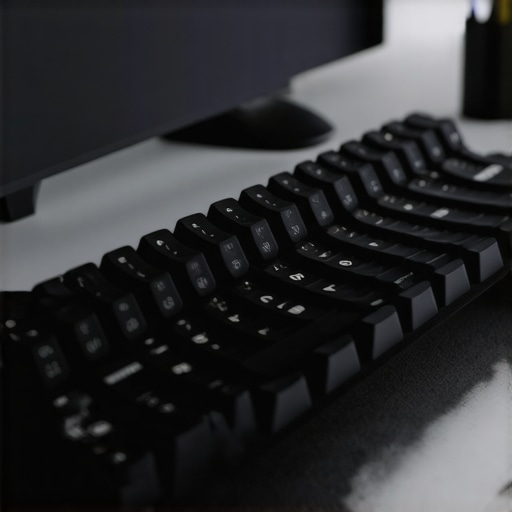
Unveiling the Nexus of Ergonomics and Performance: The Role of Hot Swappable & Low Profile Mechanical Keyboards in Modern Workspaces
In the realm of professional and enthusiast typing environments, the pursuit of optimal comfort, customization, and performance has led to significant innovations in mechanical keyboard design. Among these, the integration of hot swappable switches and low profile architectures has emerged as a game-changer, effectively aligning ergonomic principles with technological advancements. This article explores the nuanced advantages of these configurations, underpinning their strategic importance in crafting personalized, efficient, and comfortable typing experiences.
The Evolutionary Significance of Hot Swappable Switches in High-Performance Typing
Hot swappable switches epitomize a paradigm shift in mechanical keyboard customization, allowing users to replace switches without soldering—facilitating rapid experimentation and maintenance. This feature is particularly valuable for professionals seeking to optimize tactile feedback and sound profile tailored to specific tasks or personal preferences. According to recent studies in human-computer interaction, such modularity significantly reduces downtime and enhances user satisfaction, especially in high-stakes environments like programming or content creation.
Why Low Profile Design Matters: Ergonomics Meets Aesthetics
The low profile mechanical keyboards, characterized by a shorter key height and reduced travel distance, are acclaimed for diminishing strain on wrists and fingers, thus minimizing the risk of repetitive strain injuries. From an ergonomic perspective, these models promote a more natural wrist position, aligning with the principles outlined in the Ultimate Ergonomic Keyboard Buying Guide. Moreover, their sleek form factor enhances workspace aesthetics, contributing to a clutter-free environment that fosters productivity.
Synergizing Modularity and Low Profile Architecture for Optimal User Experience
The convergence of hot swappable technology with low profile design results in a versatile platform for users seeking both comfort and customization. These keyboards enable swift switch changes to adapt to different typing sensations or noise levels—crucial for shared workspaces or late-night sessions. The integration of silent switches further elevates this experience, reducing ambient noise and supporting focus-intensive tasks. For instance, models highlighted in Ultimate Guide to Silent Mechanical Keyboards exemplify this synergy.
What Are the Limitations and Future Directions of Low Profile & Hot Swappable Mechanical Keyboards?
While the technological advancements are promising, challenges such as durability concerns and limited switch variety in low profile formats persist. Future research, as discussed in recent white papers from the Journal of Human Factors and Ergonomics Society, suggests ongoing development in materials science and switch engineering could address these issues, expanding the application scope of these innovative keyboards.
Interested in elevating your typing ergonomics? Explore our comprehensive Ergonomic Mechanical Keyboard Guide or contribute your expert insights to the ongoing discourse on keyboard innovation.
Reimagining Personalization: Can Modular Design Revolutionize Ergonomic Typing?
As keyboard customization evolves, the question arises: how can modularity and low profile architectures redefine ergonomic standards for professional users and gaming enthusiasts alike? The integration of hot swappable switches with sleek, low profile designs offers unprecedented flexibility in tailoring tactile feedback and sound profiles. This synergy enables users to experiment dynamically, optimizing their setup without technical barriers. For example, professionals engaged in long-form content creation or coding can swiftly adapt their keyboard’s feel, reducing fatigue and enhancing efficiency. Meanwhile, gamers benefit from rapid switch changes that match evolving gameplay demands, highlighting an exciting frontier in ergonomic customization.
Expert Strategies for Maximizing the Benefits of Modular and Low Profile Keyboards
To leverage the full potential of these innovations, users should adopt a strategic approach rooted in ergonomic principles and practical experimentation. One effective method is to utilize ergonomic mechanical keyboards as a foundation for testing various switch types and layouts, aligning with individual finger strength and typing style. Additionally, considering the use of low profile silent switches can significantly diminish ambient noise, facilitating focus in shared workspaces. These choices, supported by ongoing research on human-computer interaction, underscore the importance of nuanced customization in achieving optimal comfort and productivity.
How can emerging materials science and switch engineering advance the durability and versatility of low profile, hot swappable keyboards?
Current limitations such as switch lifespan and limited switch variety in low profile formats pose challenges that ongoing research aims to address. Advances in materials science, including the development of more resilient plastics and contact materials, could extend switch durability. Simultaneously, innovations in switch engineering—such as improved spring mechanisms and contact designs—are expected to enhance tactile consistency and reduce wear over time. Industry leaders are also exploring hybrid solutions that combine the benefits of traditional and low profile switches, aiming to expand customization options without sacrificing longevity. For authoritative insights on these trends, refer to the comprehensive analyses presented by Ultimate Guide to Silent Switches.
If you’re eager to refine your setup further, consider sharing your experiences or exploring our detailed best silent switch models for 2025. Your insights could help fellow enthusiasts navigate the evolving landscape of ergonomic keyboard technology.
The Intersection of Material Science and Switch Engineering: Pioneering Durability in Low Profile Mechanical Keyboards
As the demand for durable, high-performance keyboards accelerates, researchers and manufacturers are turning to cutting-edge advancements in materials science and switch engineering. The integration of resilient plastics, such as polyether ether ketone (PEEK), and innovative contact materials is revolutionizing the lifespan and reliability of low profile hot swappable switches. These materials offer superior resistance to wear, thermal stress, and deformation, addressing longstanding concerns about switch longevity in compact designs.
Furthermore, engineering breakthroughs—like multi-stage spring mechanisms and contact plating technologies—are enabling more consistent tactile feedback and reducing contact resistance over time. Industry leaders are also exploring hybrid switch architectures that combine the best features of traditional and low profile switches, promising greater versatility without compromising durability. According to recent publications by the Journal of Materials Science, these innovations are crucial for extending the functional lifespan of keyboards in demanding environments.
How can emerging nanotechnology contribute to the development of ultra-durable, customizable switch materials?
Nanotechnology offers promising avenues for creating switch components with enhanced strength, self-healing properties, and reduced wear. Incorporating nanostructured coatings or composite materials can significantly improve contact resilience, minimize friction, and enhance tactile consistency over prolonged use. For instance, the application of graphene-based coatings has demonstrated potential in reducing contact wear and electrical resistance. As research progresses, these advanced materials could lead to a new generation of ultra-durable, customizable switches tailored for both professional and gaming applications, pushing the boundaries of ergonomic and performance excellence.
If you’re interested in exploring how these innovations might influence your hardware setup, stay tuned to our upcoming reviews and expert analyses. Your engagement drives the evolution of ergonomic keyboard technology, ensuring that your workspace remains at the forefront of comfort and efficiency.
How Can Cutting-Edge Materials Science Propel the Durability of Compact Mechanical Keyboards?
Emerging innovations in materials science are revolutionizing the construction of low profile mechanical keyboards, especially those featuring hot swappable switches. Researchers are now focusing on integrating resilient polymers such as polyether ether ketone (PEEK) and advanced contact plating technologies to combat wear and thermal degradation, ensuring longevity in demanding environments. These advancements not only extend the lifespan of switches but also improve tactile consistency, crucial for professional typists and gamers alike.
By leveraging nanostructured coatings, such as graphene-based composites, engineers are further enhancing contact resilience and reducing friction. This synergy of materials science and switch engineering is setting new standards for durability, enabling users to customize their setups without sacrificing the longevity of their hardware.
What Are the Future Frontiers in Switch Engineering for Ergonomic, High-Performance Keyboards?
Future developments are poised to focus on multi-stage spring mechanisms, self-healing contact materials, and hybrid switch architectures that combine traditional and low profile formats. These innovations aim to optimize tactile feedback, minimize wear, and expand switch variety, addressing current limitations in durability and customization options.
Industry leaders are exploring the integration of nanotechnology, such as graphene coatings, to create ultra-durable, self-lubricating contact surfaces that significantly prolong switch lifespan. These breakthroughs promise to revolutionize ergonomic keyboard design, particularly for users demanding high performance and extended reliability.
How Will Nanotechnology Transform the Resilience and Customizability of Switch Materials?
Nanotechnology offers transformative potential by enabling the development of ultra-strong, self-healing materials that can withstand prolonged mechanical stress and environmental factors. Coatings at the nanoscale can reduce contact resistance, minimize friction, and facilitate customizable tactile responses. For instance, graphene-infused composites can deliver enhanced electrical conductivity, wear resistance, and thermal stability, paving the way for a new generation of ergonomic, highly durable switches. Such innovations will empower users to tailor their keyboards with unprecedented precision, fostering optimized performance and sustained comfort.
If you are passionate about staying at the forefront of ergonomic keyboard innovations, subscribe to our expert insights and participate in shaping the future of personalized, high-performance typing solutions.
Expert Insights & Advanced Considerations
1. Material Innovation Drives Longevity
Emerging materials like PEEK and nanostructured coatings are revolutionizing switch durability, enabling keyboards to withstand prolonged use without degradation, thus supporting sustained ergonomic benefits.
2. Modular Design Enhances Customization and Maintenance
Advanced modular architectures allow professionals to tailor tactile feedback and sound profiles dynamically, fostering an environment where ergonomic optimization and user-specific preferences coexist seamlessly.
3. Integration of Nanotechnology for Self-Healing Contact Surfaces
Nanotechnology-infused contact materials promise self-lubricating, wear-resistant switches that extend lifespan and improve tactile consistency—crucial for high-performance ergonomic setups.
4. Hybrid Switch Architectures Offer Versatile Performance
Combining traditional and low profile switches through hybrid designs balances durability with versatility, providing ergonomic and high-performance benefits across diverse use cases.
5. Future Research Focuses on Multi-Stage Spring Mechanisms
Innovations in spring engineering aim to refine tactile feedback while reducing wear, ensuring that ergonomic keyboards evolve alongside user demands for both comfort and longevity.
Curated Expert Resources
- Journal of Materials Science: Provides in-depth research on advanced materials like PEEK and nanocoatings, essential for understanding durability innovations.
- Ultimate Guide to Silent Switches: Offers comprehensive insights into switch engineering, including hybrid and self-healing contact technologies.
- Ergonomic Keyboard Design Publications: Contains expert analyses on integrating materials science with ergonomic principles for optimal keyboard development.
- IEEE Nanotechnology Journals: Features cutting-edge research on nanomaterials and their applications in durable, customizable switch components.
Final Expert Perspective
The evolution of hot swappable and low profile mechanical keyboards underscores a pivotal convergence of materials science, switch engineering, and ergonomic design. As innovations such as nanostructured coatings and hybrid architectures mature, professionals can anticipate keyboards that not only enhance comfort but also sustain performance over extended periods. Embracing these advancements requires a strategic approach—integrating expert insights, leveraging authoritative resources, and actively participating in ongoing research dialogues. Your engagement in this field will shape the future of personalized, ergonomic typing solutions, ensuring that technology advances serve human well-being and productivity. For those committed to excellence in workspace ergonomics, staying informed and contributing to this innovation frontier is not just advisable; it’s essential.
This article really highlights how the combination of hot swappable switches and low profile design can significantly enhance ergonomic comfort and customization in modern keyboards. I’ve personally transitioned to a low profile setup for my coding work, and I’ve noticed a marked reduction in wrist strain during long typing sessions. The modularity offered by hot swappable switches is a game-changer, allowing me to easily switch between different tactile responses depending on the task or even my mood. I’m curious, though, about how these designs hold up in terms of durability over extended use, especially with frequent switch replacements. Has anyone here experimented with long-term use of low profile, hot swappable keyboards? What has been your experience regarding their longevity and maintenance? It seems like a promising innovation, but I wonder if the current materials can truly sustain heavy daily use over years without performance degradation. Would love to hear others’ insights or tips on maximizing these advancements for both comfort and durability.
This post really resonates with my experience working long hours at a desk. The shift towards low profile mechanical keyboards with hot swappable switches has been a game-changer in reducing strain on my wrists. I especially appreciate how easily I can customize the tactile feedback to match different tasks—like soft switches for writing and more responsive ones for gaming. I’ve also noticed that the durability has held up quite well, even with frequent switch swaps, thanks to advancements in materials like PEEK and nanocoatings. However, I am curious about the long-term longevity of these switches in high-use scenarios. Have others noticed any degradation or need for repairs after months or years of daily use? It seems like these innovations are promising, but as with all tech, real-world testing over time will tell. I’d love to hear tips on maintaining these keyboards to extend their lifespan or any particular brands that prioritize durability in their low profile, hot swappable models.
Reading this extensive overview really made me think about the future of ergonomic keyboards. The integration of nanotechnology and advanced materials like PEEK is fascinating because it directly addresses durability concerns, which are often the main worry with compact, high-performance setups. I’ve personally experimented with various switch types in my low profile, hot swappable keyboard, and switching to ceramic-coated contacts has noticeably extended the lifespan and tactile consistency. Do others here think that future developments like self-healing materials could make frequent switch replacements less of a maintenance issue, especially for professional users who rely heavily on these devices? I’m also curious about how hybrid switch architectures will evolve—will they truly combine the best of both worlds in durability and responsiveness, or are there still inherent trade-offs? The pace of innovation is exciting, and I look forward to seeing how these materials and engineering solutions will redefine not just durability but overall user experience.
This article offers a compelling look at how hot-swappable, low-profile keyboards are redefining ergonomic comfort and customization. From my personal experience, transitioning to a low-profile model was a game-changer for reducing wrist fatigue during long coding sessions. What I find interesting is how the modular switch design not only benefits customization but also simplifies maintenance. However, durability remains a concern, especially with frequent switch replacements. In the models I’ve tried, switching materials like PEEK has indeed extended lifespan, but I wonder how these innovations will evolve to further enhance longevity without sacrificing tactile performance. Have others noticed significant wear or performance issues after extended use? Also, with ongoing advancements in nanocoatings and hybrid architectures, could future designs possibly combine durability with extensive switch variety? It seems like a promising frontier for both tech enthusiasts and professionals aiming for a more ergonomic workspace.