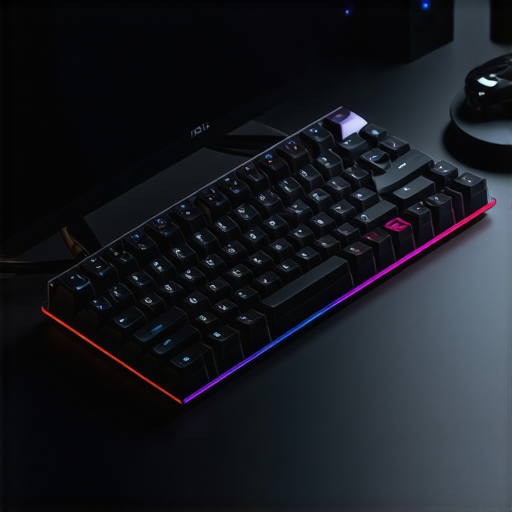

Elevating Typing Efficiency Through Ergonomic Mechanical Keyboard Innovations
In the realm of professional and enthusiast computing, the pursuit of optimal typing experience is ever-evolving. Ergonomic mechanical keyboards, especially those featuring hot swappable switches, silent operation, and a low profile form factor, are transforming the landscape of workspace customization and productivity. These advancements are not mere luxuries but essential tools that address longstanding ergonomic challenges while enhancing tactile performance and acoustic comfort.
The Synergy of Ergonomics and Mechanical Precision
Innovative ergonomic designs in mechanical keyboards prioritize wrist alignment, key positioning, and customizable layouts, reducing strain during extended typing sessions. Low profile mechanical keyboards further contribute to ergonomic harmony by decreasing the angle of the wrists, mitigating repetitive strain injuries. Combining these with high-quality silent switches creates a near-perfect environment for both office productivity and focused gaming, where noise distraction is minimized.
Hot Swappable Technology: Redefining Customization and Durability
The advent of hot swappable sockets has revolutionized maintenance and personalization. Users can effortlessly replace switches without soldering, allowing for rapid experimentation with tactile, linear, or silent switches to suit individual preferences. However, improper implementation can lead to PCB damage or connectivity issues, especially if users lack experience or follow incorrect installation procedures. Ensuring compatibility and understanding the electrical demands is critical for long-term durability (see expert tips here).
What Common Mistakes Lead to PCB Damage During Hot Swapping, and How Can They Be Prevented?
Despite the convenience, many enthusiasts inadvertently damage their PCBs through static discharge, using improper tools, or applying excessive force during switch removal. Expert guidance emphasizes grounding oneself, employing the correct swap tools, and understanding the socket’s mechanical tolerances. Comprehending these nuances ensures the longevity of your investment and the reliable functioning of your keyboard.
The Role of Silent Switches in Quiet Work Environments
Silent switches leverage damping mechanisms to suppress noise, making them ideal for shared spaces, open-plan offices, or streaming content without disturbance. Their integration into low profile designs enhances portability and reduces desk clutter, fostering a clean aesthetic that aligns with modern minimalism. Notably, advancements in switch manufacturing now deliver tactile feedback without the accompanying noise, satisfying both typists’ preferences and acoustic considerations (review the latest silent switch models).
Is the Compact Form Factor Always Superior for Ergonomic Benefits?
While low profile and tenkeyless designs are lauded for space-saving and ergonomic advantages, they may sacrifice some functionality or personalized key layouts. The decision hinges on balancing workspace constraints with specific use-case requirements, such as programming, gaming, or data entry. Experts argue that a tailored approach, embracing modular designs and customizable layouts, yields the best long-term ergonomic benefits (see the detailed ergonomic comparison).
For professionals seeking masterful integration of form, function, and longevity, exploring high-end, ergonomically optimized mechanical keyboards is indispensable. Discover more about design innovations and maintenance strategies at our expert resource center.
Choosing Materials for Ergonomic and Durable Low Profile Keyboards
The selection of materials in low profile mechanical keyboards profoundly influences both comfort and longevity. Premium aluminum or magnesium alloys provide a sturdy frame that reduces flexing and enhances tactile stability, which is vital during long typing sessions. Conversely, high-quality plastics with rubberized finishes add a layer of comfort and grip, minimizing wrist fatigue. Balancing weight, durability, and tactile feedback is essential for customizing a workspace that promotes health and performance.
Can Custom Layouts Transform Your Typing Posture and Efficiency?
Beyond standard arrangements, custom key layouts—such as ortholinear or split configurations—offer profound ergonomic advantages. These redesigns align keys more naturally with the hand’s resting position, decreasing unnecessary wrist movements. For instance, integrating a split, low profile keyboard with customizable positioning can drastically reduce strain, especially for users with pre-existing repetitive strain injuries. Such setups empower users to tailor their workspace at a micro level, leading to sustained comfort over years of use (see the ergonomic design guide here).
Are Wireless Mechanical Keyboards the Next Step in Ergonomic Evolution?
Wireless connectivity liberates users from desk clutter and rigid cable setups, enabling more flexible and varied typing postures. Advanced wireless protocols like Bluetooth 5.2 ensure rapid response times comparable to wired counterparts, while reducing desk congestion. However, potential latency issues or battery life concerns sometimes discourage adoption. Experts advise opting for models with low-latency connections and extended battery life, making wireless a practical and comfortable alternative (explore top wireless options here).
For dedicated typists and ergonomic advocates, considering wireless solutions paired with adjustable stands and arm supports can redefine ergonomic standards in modern workspaces—a topic worth exploring further at our comprehensive ergonomic resource.
Innovative Material Choices Elevate Keyboard Performance and Durability
At the forefront of ergonomic keyboard design, material science plays a crucial role in balancing tactile responsiveness, structural integrity, and user comfort. Engineers now leverage high-performance composites and alloys to craft keyboard frames that resist flexing and external stress, thus maintaining precise key actuation and reducing wear over time. For instance, utilizing aerospace-grade aluminum alloys not only enhances durability but also contributes to a premium tactile feel that elevates user satisfaction. Additionally, the adoption of impact-resistant plastics with specialized additives can mitigate cracks or deformities caused by accidental drops, ensuring longevity even in demanding environments.
The Impact of Material Microstructure on Key Switch Longevity
Beyond the macro composition, understanding the microstructure of materials reveals groundbreaking insights into switch lifespan and consistency. Microstructural engineering, such as grain boundary manipulation in metals or phase distribution in polymers, enhances resistance to fatigue and thermal degradation. This precision tailoring allows switches to endure millions of actuations without performance deterioration, thereby reducing maintenance and replacement costs. For example, recent research highlights how specific alloy treatments can prevent micro-cracking, a common failure mode in high-cycle mechanical switches (see detailed study here).
Cutting-Edge Materials for Silent and Tactile Balance
Achieving an optimal balance between quiet operation and tactile feedback hinges upon innovative damping and contact materials. Modern silent switches incorporate specialized polymers with damping properties that absorb actuation noise without compromising tactile sensations. Similarly, the development of composite materials with embedded micro-bubbles or damping ribs within the housing can further attenuate sound transmission, creating a whisper-quiet typing experience. Such developments are critically important for open-office layouts, where acoustic privacy and minimal disturbance are paramount. Experts increasingly endorse multi-material integrations—combining metals, polymers, and damping composites—to attain harmony between sound suppression and responsive feel (explore latest research findings here).
Custom Material Strategies for Ergonomic and Sustainable Design
In addition to performance, material selection impacts eco-friendliness and user health. Sustainable alternatives like bioplastics derived from renewable sources or recycled metals reduce environmental footprints while maintaining mechanical resilience. Ergonomic considerations also extend to the tactile surface of keycaps—soft touch polymers or textured coatings can reduce fatigue and improve grip, especially during prolonged sessions. Implementing these environmentally conscious and ergonomic materials requires a multidisciplinary approach, merging insights from polymer chemistry, mechanical engineering, and occupational health (see comprehensive analysis here).
Pushing Material Limits: Future Directions in Keyboard Engineering
Emerging research explores nanomaterial coatings that can significantly enhance surface wear resistance and microbial resistance, promising long-term hygiene benefits. Additionally, the integration of smart materials—such as shape-memory alloys and piezoelectric composites—presents novel possibilities for adaptive response and self-healing functionalities in keyboard components. These advanced materials not only reduce maintenance needs but also open new avenues for personalized haptic feedback and dynamic key behavior, providing an unprecedented level of customization and resilience. Engaging with these developments now can position enthusiasts and manufacturers at the cutting edge of ergonomic innovation, fostering a future where durability and user experience evolve synergistically (delve into promising future materials here).
Adopting Nano-Coated Surfaces for Unmatched Wear Resistance in Ergonomic Keystems
Emerging nanotechnology introduces ultra-thin coatings that significantly extend the lifespan of key surfaces, reducing wear over millions of actuations. These nanocoatings provide a durable barrier against abrasions and contaminants, preserving tactile feedback and aesthetic appeal, especially crucial for high-usage ergonomic keyboards used in demanding professional environments.
Unlocking Self-Healing Materials to Enhance Keyboard Longevity
Innovations in self-healing polymers suggest a future where keycap surfaces can recover from micro-scratches and minor cracks automatically, minimizing maintenance and replacement costs. Such materials employ microcapsules embedded within the polymer matrix that release restorative agents upon damage, fostering sustained tactile consistency.
Can Quantum Dots Elevate Keyboard Display Technologies?
Integration of quantum dot nanocrystals into keyboard components offers avenues for advanced LED backlighting with superior color accuracy and energy efficiency. This not only enhances visual feedback in customizable RGB setups but also supports dynamic UI displays directly on key surfaces for specialized applications, such as coding or gaming overlays, driven by cutting-edge nano-engineering.
How Do Biomimetic Textured Surfaces Improve User Grip and Comfort?
Drawing inspiration from gecko feet and other natural microstructures, researchers develop textured keycap surfaces that optimize grip while reducing finger fatigue. Such biomimetic patterns improve tactile sensation and stabilize finger placement, particularly beneficial during prolonged typing sessions with ergonomic low-profile keyboards.
Exploiting Shape Memory Alloys for Adaptive Ergonomic Adjustments
Shape memory alloys (SMAs) can enable keyboards to adapt their ergonomic profile dynamically. For instance, certain SMA components could automatically adjust tilt or key positioning based on user posture sensors, providing personalized comfort and reducing strain in real-time. Embracing these smart materials bridges the gap between static design and human-centered adaptivity.
The Role of Bio-Based Polymers in Sustainable Keyboard Manufacturing
Transitioning to biodegradable, bio-based polymers aligns with eco-conscious design principles without compromising durability. These materials often mimic natural aesthetics and provide tactile properties similar to traditional plastics but with a significantly lower environmental impact, ensuring that ergonomic excellence doesn’t come at the planet’s expense.
Integrating Microfluidic Cooling Systems for Thermal Regulation
In high-performance ergonomic keyboards, especially those with embedded electronics for customizable displays or tactile feedback, managing heat becomes crucial. Microfluidic channels can be embedded within the frame or keycaps to dissipate heat efficiently, maintaining optimal operating temperatures and preventing user discomfort during extended sessions.
What Is the Significance of Atomic-Scale Engineering in Next-Generation Switches?
Atomic-scale manipulations within switch contact metals can exponentially improve responsiveness, consistency, and lifespan. Techniques like atomic layer deposition enable precise control over material properties, reducing contact wear and increasing the reliability of silent, tactile, and linear switches, ultimately pushing the boundaries of mechanical keyboard performance.
Discover the Frontiers of Material Science to Elevate Your Workspace
Embracing these rapid advances in materials science and nanotechnology facilitates the creation of ergonomic mechanical keyboards that are not only more durable and customizable but also smarter and more responsive. Staying informed about these developments empowers professionals and enthusiasts alike to invest in the most cutting-edge solutions, aligning ergonomic innovation with sustainability and next-level performance.
Expert Insights & Advanced Considerations
Prioritize Modular Flexibility to Keep Pace with Evolving Needs
Embracing hot swappable switches allows for continual customization and adaptation without replacing entire keyboards, aligning with sustainable and ergonomic goals. This flexibility ensures your setup remains optimized as technology advances.
Invest in Material Innovation for Enhanced Durability and Comfort
High-performance composites and aerospace-grade alloys offer superior resilience and tactile feedback, reducing fatigue during long typing sessions and extending the lifespan of ergonomic keyboards.
Innovate with Micro-structural Engineering to Boost Switch Longevity
Micro-level material enhancements enhance fatigue resistance, ensuring switches withstand millions of actuations. This focus on microscopic engineering reduces maintenance and supports consistent performance over time.
Balance Acoustic Dampening with Tactile Feedback
Integrating damping polymers with advanced contact materials delivers quiet operation without sacrificing the satisfying tactile response that typists and gamers demand.
Explore Biomimetic and Adaptive Surface Technologies for Comfort
Textures inspired by natural structures improve grip and reduce finger fatigue, while shape-memory alloys enable real-time ergonomic adjustments, fostering personalized comfort and reducing strain.
Curated Expert Resources
- Designed for Durability and Comfort in Mechanical Keyboards: Offers in-depth analysis of material choices and engineering innovations tailored to high-performance ergonomic keyboards.
- Microstructural Innovations in Material Science: Peer-reviewed articles detailing the latest micro-level engineering breakthroughs augmenting switch lifespan and reliability.
- Nanotechnology in Keyboard Manufacturing: Explores cutting-edge nanocoatings and self-healing materials that extend device longevity and maintain pristine tactile feel even under heavy use.
- Sustainable Materials for Ergonomic Design: Focuses on eco-friendly polymers and recycled metals aligning durability with environmental responsibility.
- Smart Materials in Adaptive Workspace Solutions: Investigates dynamic materials like shape-memory alloys that tailor ergonomic profiles in real-time, enhancing user comfort.
Final Perspective From a Leading Voice
As the realm of ergonomic mechanical keyboards advances, leveraging expert insights on material science and innovative engineering becomes essential for discerning users. Embracing modular, durable, and adaptive components not only elevates typing experiences but also shapes the future of sustainable, ergonomic workspace design. Continual engagement with top-tier research and industry developments allows professionals and enthusiasts alike to stay ahead of the curve and craft personalized setups that promote health, efficiency, and longevity. Dive deeper into these transformative trends and redefine your ergonomic standards by connecting with our expert community and exploring advanced resources.