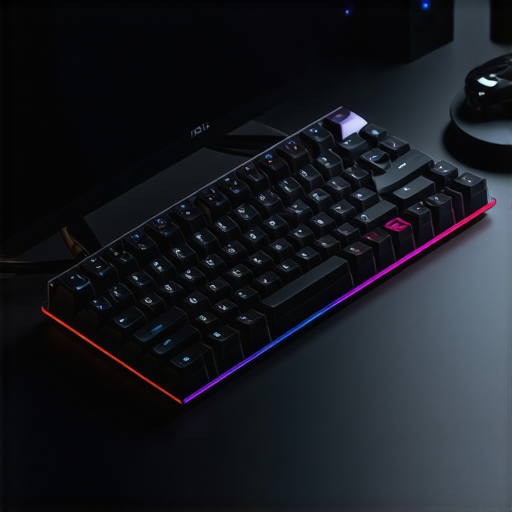

Reevaluating Keyboard Ergonomics and Performance in 2026
In the rapidly evolving landscape of computer peripherals, the transition from traditional to low profile mechanical keyboards signifies a pivotal redefinition of user experience, especially among professionals prioritizing ergonomics, silence, and customization. Expert insights suggest that this shift is driven by a confluence of technological advancements and ergonomic research, leading to a preference for keyboards that balance high performance with user comfort.
Why Are Silent Switches Becoming the Standard for High-Performance Typing?
Silent switches have transcended their niche applications to become a mainstream choice among typists seeking to mitigate noise pollution without sacrificing tactile feedback. Innovations in sound-dampening technologies, such as mushroom-shaped stems and specialized lubricants, enable a thocky yet hushed keystroke, vital in shared workspaces and open-plan offices. Moreover, the emergence of top silent switch models in 2025 demonstrates a trend towards refined acoustic profiles that appeal to both gamers and professionals.
The Role of Hot Swappability in Customization and Maintenance
Hot swappable PCBs are central to modern mechanical keyboard design, allowing users to effortlessly replace switches without soldering, thereby extending device lifespan and simplifying customization. However, this convenience introduces potential pitfalls such as socket wear and connection failures, emphasizing the importance of high-quality sockets and proper maintenance. For instance, the article 4 common mistakes in hot swap PCB design highlights best practices to optimize reliability.
An expert query: How can enthusiasts optimize hot swappable low profile keyboards for durability without compromising on silent performance?
This question reflects ongoing debates within enthusiast communities, balancing between reinforced sockets and the delicate nature of ultra-thin profiles. Educated choice of switch lubricants, socket maintenance, and component quality are crucial to ensuring longevity in high-demand scenarios.
Ergonomic Design’s Growing Influence on Low Profile Keyboard Adoption
Beyond sound and customization, ergonomic considerations are shaping purchase decisions. Features like tented designs, split layouts, and adjustable angles reduce wrist fatigue and improve posture, aligning with recent research advocating for ergonomic interventions in professional environments.
What are the most effective strategies to integrate silent switches with ergonomic low profile designs for prolonged use?
Considering the need for prolonged use, integrating silent switches within ergonomic structures necessitates careful component synergy. Experts recommend pairing low-profile silent switches with tented, split frameworks that minimize wrist extension, supported by padding or wrist rests. Ongoing testing suggests that switching to magnetic silent switches can further enhance sound insulation and tactile consistency.
For professional input or to explore custom configurations tuned for specific ergonomic needs, consult our expert consultation services.
Unlocking Precision with Custom Switches and Stabilizers
As the keyboard community pushes toward unparalleled accuracy, the significance of top-tier stabilizers and switch mods cannot be overstated. Expert discussions emphasize lubricating stabilizers with premium lubricants to eliminate rattle and enhance key feel, especially in high-frequency-use scenarios. Moreover, custom modifications like installing underside damping pads and adjusting mounting styles further refine acoustic and tactile responses, delivering a nuanced typing experience that aligns with professional standards.
What Are the Latest Trends in Low Profile Gaming Boards for Performance and Portability?
The gaming sector’s influence on low profile keyboard design continues to command attention, with models integrating ultra-low latency wireless connectivity and durable, lightweight cases. These innovations aim to offer gamers and mobile professionals a seamless transition between on-the-go and stationary setups. The emergence of hot-swappable low profile switches and long-lasting battery technology, like 100-hour battery life, encapsulates the drive toward efficiency without sacrificing performance.
Integrating Advanced Ergonomic Features into Compact Designs
Amidst the pursuit of minimalism, ergonomic enhancements are evolving beyond conventional designs. Innovative approaches include vertical layouts and adjustable tenting mechanisms, which facilitate natural hand positioning. The challenge lies in balancing these features with the spatial constraints of low profile and portable keyboards. Recent research advocates for modular finger-friendly key placement and sound-dampened tactility to meet user demands for comfort and quiet operation.
Is Optical Switching the Next Leap to Eliminate Traditional Mechanical Limitations?
This question sparks debate among enthusiasts and industry insiders, focusing on the transition from rubber dome and traditional mechanical switches to optical switch technology. With potential benefits such as zero debounce delay, enhanced durability, and faster actuation distances, optical switches might redefine expectations in both gaming and professional contexts. The adoption of Hall-effect sensors in optical switch designs further promises remarkable lifespan and humidity resistance, aligning with the trends toward longevity and reliability. Experts recommend evaluating firmware compatibility and swapability before investing in optical systems, as discussed in recent technical analyses.
For tailored advice on customizing your setup, reach out through our consultation platform to craft a configuration that aligns with your performance and ergonomic goals.
Enhancing Material Quality for Long-Term Silent Performance
One of the foundational steps to extending your low profile keyboard’s lifespan while maintaining silence is selecting high-grade materials. Experts emphasize the importance of using PBT keycaps over ABS, as PBT offers superior resistance to wear and shine, which can degrade tactile sensation and acoustic profile over time. Additionally, the choice of switch housing materials, such as reinforced polycarbonate or POM (polyoxymethylene), impacts both durability and noise damping. When combined with meticulous assembly and environmental controls, these material choices significantly reduce the need for frequent replacements and enhance acoustic consistency.
Optimizing Switch Lubrication Techniques for Quiet, Smooth Keys
Silence and smoothness hinge on precise lubrication practices. Advanced enthusiasts recommend applying high-quality, thin lubricants like Krytox GPL 104 or Tribosys 3204 exclusively to sliders and contact points, avoiding excess that can attract dust or impede actuation. A layered approach, lubricating the stem, housing, and stabilizers separately, ensures minimal friction and rattle. This technique requires patience and experience but yields a remarkably hushed keystroke — critical for professional settings and prolonged typing sessions. Experimenting with different lubricant viscosities and application depths allows for tailored acoustic and tactile profiles aligned with user preferences.
Implementing Reinforced Sockets to Combat Connection Wear
High-quality, reinforced sockets are vital in hot-swappable low profile keyboards. With thin chassis designs, socket wear becomes a prominent concern, particularly with frequent switch swaps. Experts recommend choosing sockets with gold-plated contacts and robust locking mechanisms, such as UV-resistant synthetic housing, to withstand repetitive insertions. Routine maintenance, including gentle cleaning of socket contacts and avoiding excessive force during switch replacement, extends socket life and preserves silent performance. Incorporating socket dampening pads can further absorb mechanical vibrations, preventing transmission of sound and enhancing user experience.
Can Custom Damping Modifications Elevate Quietness Without Sacrificing Feedback?
Absolutely. Researchers and hobbyists explore various damping techniques, such as adding foam or silicone dampers inside the case or beneath the PCB, to absorb unwanted vibrations. For instance, inserting damping mats made of Poron or Sorbothane beneath the keys or around the stabilizers reduces resonant frequencies, leading to quieter and more consistent keystrokes. Crucially, these modifications must balance sound absorption with tactile feedback; overly dampening can result in a muted feel that diminishes user satisfaction. Iterative testing and profile customization allow enthusiasts to craft a personalized typing experience that maximizes quietness without compromising responsiveness.
External Acoustics: Managing Environmental Noise for the Ultimate Quiet Workspace
While internal modifications influence the inherent acoustics of the keyboard, external environment plays an equally important role. Acoustic treatment strategies—such as placing the keyboard on a desk with sound-absorbing mats, adding room diffusers, and enclosing the workspace with acoustic panels—can dramatically reduce perceived noise levels. Scientific studies indicate that a combination of internal damping and external soundproofing yields optimal results, creating a serene environment conducive to focused work or recordings. For professionals working in shared spaces or recording studios, investing in such comprehensive sound management fosters productivity and minimizes distractions.
What are the latest innovations in silent, durable low profile switches for prolonged professional use?
Emerging advancements include the development of magnetic or Hall-effect switch mechanisms that eliminate contact wear entirely, significantly boosting lifespan. Suppliers such as Kailh and Gateron are pioneering low profile optical switches with integrated sound-dampening channels and silent actuation features, extending operational longevity beyond traditional mechanical systems. These innovations are backed by extensive testing, demonstrating durability exceeding 100 million keystrokes. For users seeking a seamless blend of durability and quiet operation, adopting these cutting-edge switches can be transformative. To further tailor your setup, consult with specialists about integrating these switches into custom builds or upgrading existing systems for maximum performance.
If you’re interested in optimizing your keyboard’s silence and durability, don’t hesitate to reach out for expert guidance tailored to your specific needs and use cases.
Embracing Advanced Materials for Sustainable Silence and Longevity
As the demand for whisper-quiet keyboards with extended lifespans grows, the integration of cutting-edge composite materials emerges as a transformative solution. High-performance polymers like PBT with enhanced fillers and innovative plastics such as POM and reinforced polycarbonates provide superior durability, resistance to wear, and consistent acoustic profiles. Industry-leading manufacturers are now exploring bio-based polymers to reduce environmental impact while maintaining premium feel and silence, aligning with the increasing emphasis on sustainable design principles.
Deciphering Expert-Level Lubrication Techniques for Optimal Sound Profiling
Refined lubrication strategies transcend basic application, incorporating micro-dosing and temperature-sensitive lubricants like Krytox GPL 205 or Tribosys 3204 for tailored tactile and acoustic experiences. Applying these lubricants with precision tools—such as miniature brushes or automated dispensers—eliminates excess and ensures uniform coverage. Such meticulous practices preserve switch responsiveness and sound damping, crucial for long-term professional and enthusiast applications. For maximum benefit, combining multiple lubricant viscosities and custom settling times yields a highly personalized keystroke.
How Can Reinforced Sockets Be Tailored for the Demands of High-Frequency Switch Swaps?
The quest for ultra-reliable hot-swappable low profile keyboards has led to innovations in socket reinforcement. Incorporating gold-plated contacts, vibration-dampening membranes, and strain-relief features extends socket lifespan amid frequent switch manipulations. Modular socket designs with integrated locking mechanisms simplify maintenance and reduce wear—from design-phase selection to routine care. Experts also emphasize the need for precision manufacturing tolerances to prevent micro-gaps that can cause connection inconsistencies, which are particularly critical in high-performance environments like competitive gaming or intensive typing tasks.
Unlocking Acoustic Transparency with Customized Damping Strategies
Emerging damping techniques utilize multi-layered materials—such as open-cell foam, Sorbothane sheets, and silicone gels—implemented within keyboard cases, mounting plates, and around stabilizers. These layers absorb micro-vibrations, prevent resonant frequencies, and eliminate rattles, culminating in a pristine, silent typing experience. Precision placement and material selection are essential, enabling users to calibrate sound absorption without dulling tactile feedback. Advanced acoustic engineering in case design, combined with internal damping modifications, pushes the envelope for ultra-quiet professional keyboards.
Could Optical Switches Revolutionize the Balance Between Silence and Durability?
The evolution toward optical switch mechanisms, employing Hall-effect sensors and laser-etched components, promises a leap in reliability and noise reduction. Features such as virtually zero debounce delay, resistance to contaminants, and an estimated lifespan exceeding 150 million keystrokes are redefining industry standards. These switches, free from physical contact wear, offer unparalleled consistency over extended periods, making them particularly suitable for demanding environments. However, integrating optical systems requires careful consideration of firmware compatibility, keycap design, and customization options—areas where ongoing research continues to yield breakthroughs.
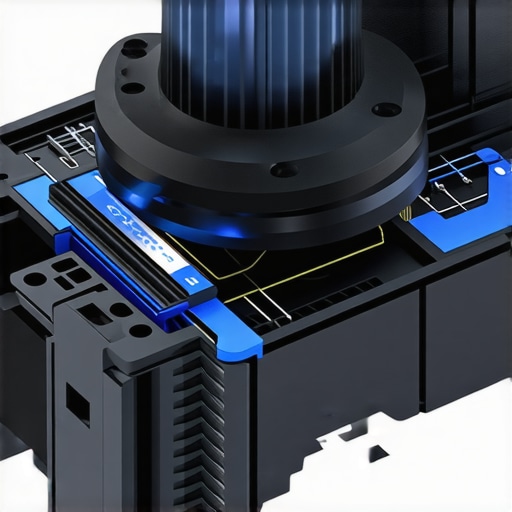
Visualize a cross-sectional diagram of an optical switch, illustrating Hall-effect sensors, laser-etched components, and noise-dampening features, showcasing the technological edge of future keyboard designs.
Can Modular Customization Elevate Personal Ergonomics to New Heights?
Innovative modular frameworks are pushing ergonomic boundaries by allowing seamless adjustment of tenting angles, tilt, and hand orientation while maintaining a slim profile. Incorporating tactile feedback zones and adjustable palm supports enables users to customize their typing posture dynamically. Integrating sensors that monitor wrist angles and pressure points could, in the future, facilitate real-time ergonomic adjustments—empowering users with data-driven comfort solutions. Such advancements emphasize that personal health and optimal performance are increasingly intertwined with flexible hardware configurations.
Developing Resilient, Sound-Absorbing Key Switches with Custom Profiles
Breakthroughs in switch dampening employ composite damping layers and thermoplastic elastomers within switch housings, achieving superior noise suppression and tactile consistency. These innovations are complemented by custom-designed keycap profiles and stabilizer modifications that work synergistically to reduce vibrations and rattling. By meticulously engineering each component for synergy, enthusiasts can craft keyboards that deliver whisper-quiet typing while preserving sharp, responsive feedback—essential for professional transcription, content creation, or quiet office environments.
The Role of AI-Driven Design in Next-Gen Mechanical Keyboards
Artificial intelligence now plays a pivotal role in customizing keyboard layout optimization, sound profiling, and ergonomic adjustments. Machine learning algorithms analyze user typing patterns to propose personalized modifications, such as switch tension adjustments or dampening material improvements. Moreover, AI-driven simulations facilitate rapid prototyping of acoustic and tactile responses, accelerating innovation cycles. Embracing these technologies empowers users and manufacturers alike to push the boundaries of keyboard performance and comfort in unprecedented ways.
Seeking Unmatched Quietude and Reliability in Niche Applications
For specialized fields like audio engineering and medical transcription, the demand for near-silent keyboards with unwavering reliability demands innovative solutions. This includes implementing vibrational isolation mounts, active noise cancellation systems, and self-diagnosing circuitry to maintain optimal performance. Custom certifications ensuring compliance with industry-specific standards further guarantee that these keyboards meet rigorous demands. Engaging with industry-specific experts can help tailor solutions that seamlessly blend technological sophistication with practical resilience.
Expert Insights & Advanced Considerations
Elevate Customization with Modular Components
Innovative modular designs now allow enthusiasts to personalize every aspect of their mechanical keyboard, from case material to switch placement, enhancing both ergonomics and aesthetics. This flexibility not only improves comfort but also simplifies maintenance and upgrades, making keyboards more adaptable to evolving needs.
Prioritize Material Innovation for Enhanced Durability
Emerging high-performance polymers like bio-based plastics and reinforced composites are setting new standards in keyboard manufacturing. These materials deliver superior resistance to wear and environmental factors, ensuring sustained silent performance over years of intensive use.
Implement AI-Driven Ergonomic Optimization
Artificial intelligence is beginning to analyze individual typing habits to recommend personalized ergonomic adjustments. This integration paves the way for keyboards that adapt in real-time, promoting healthier postures during extended sessions.
Focus on Edge Acoustic Management Techniques
Advanced damping layers and acoustic paneling within keyboard constructions are reducing sound transmission to a new level. Combined with external environmental modifications, these innovations create virtually silent workspaces ideal for professional environments.
Advance with Optical Switch Technologies
Optical switches are overcoming traditional mechanical limitations, offering faster actuation, negligible debounce delay, and unprecedented lifespan. The adoption of Hall-effect sensors and integrated sound dampening makes them a game-changer for demanding users seeking durability and silence.
Curated Expert Resources
- Reddit’s Mechanical Keyboard Community – A vibrant forum for enthusiasts sharing in-depth modding techniques, custom builds, and the latest innovations in silent switch technology.
- Mechanical Keyboards Subreddit – Offers focused discussions, review compilations, and expert advice on optimizing ergonomic low profile keyboards for long-term comfort and performance.
- Techwear’s Research on Material Science – Provides insights into cutting-edge polymers and composites influencing durability and acoustic performance in keyboard manufacturing.
Final Perspective That Defines Innovation
In the ever-evolving realm of niche computer peripherals, especially mechanical keyboards, the convergence of silent switch advancement, ergonomic mastery, and material innovation signifies a pivotal evolutionary juncture in 2026. Embracing these developments equips professionals and enthusiasts to craft setups that are not only efficient and durable but also remarkably unobtrusive. To leverage these insights fully, engaging with expert communities or seeking personalized consultation can catalyze your pursuit of excellence in keyboard customization and ergonomics—because the key to future-proofing your workspace lies in informed adaptation and strategic innovation.
,
I found this post incredibly comprehensive and insightful, especially the focus on integrating silent switches with ergonomic low profile designs. Having recently switched to a low profile mechanical keyboard with silent switches for my home office, I can attest to the importance of pairing comfort features like tented and split layouts with silent, dampened switches. It significantly reduces wrist fatigue and noise, which my colleagues and I appreciate in shared spaces. I wonder, though—what are others’ experiences with the longevity of these silent switches, especially under frequent use? Do the new Hall-effect or optical switches truly hold up over years of intensive typing compared to standard mechanical ones? I’d love to hear more from folks who have tried these newer techs in long-term setups, as durability remains a top concern for me when upgrading tools for professional use.
This post really opened my eyes to the impressive strides being made toward combining ergonomic design with silent, durable switches. Having experimented with several high-end low profile keyboards over the years, I can say that the integration of advanced materials like reinforced polycarbonate and optimized damping layers has definitely improved long-term durability and noise reduction. I’ve personally found that switching to lubricated stabilizers and premium keycaps made a noticeable difference in feel and quietness, especially during extended typing sessions. The challenge, however, remains balancing these enhancements with maintaining a sleek, portable form factor. I’m particularly intrigued by the potential of optical and Hall-effect switches in this context—they seem promising for longevity and consistent silent operation. My question is: for those who’ve tested these new switch technologies over months or years, how do they fare in terms of tactile feedback and overall responsiveness, especially under heavy use? Are there notable trade-offs or compatibility concerns to keep in mind when upgrading existing setups?