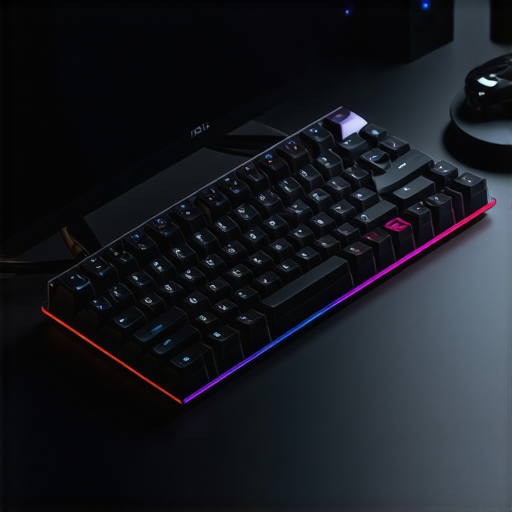
Redefining Quietude: The Evolution of Silent Switches in Mechanical Keyboards
In the landscape of professional and enthusiast setups, the quest for a keyboard that combines high performance with silent operation has become a pivotal determinant of workspace harmony. The advent of silent switches has revolutionized this paradigm, enabling users to experience tactile feedback without the disruptive noise typically associated with mechanical typing. As we traverse 2026, understanding the nuances behind these innovations is essential for optimizing ergonomic design and overall productivity.
The Confluence of Mechanical Precision and Acoustic Suppression
Traditionally, mechanical switches relied on tactile or clicky mechanisms, often hampering their suitability in noise-sensitive environments. The recent breakthroughs focus on integrating sound-dampening materials and refined stem designs, which preserve the hallmark tactile snap without the noise. Companies are leveraging top silent switch models to achieve this balance, with innovations such as mushroom-shaped stems and silicone-based dampers.
Impact on Ergonomics and User Fatigue
Low-profile keyboards and hot-swappable designs have further enhanced silent switch integration, making ergonomic keyboards more accessible for extended use. Silent switches mitigate typing fatigue and wrist strain, vital for both gaming and professional tasks. The tactile feel, akin to Topre switches but within a more affordable mechanical framework, offers users a balanced feedback loop that reduces the need for excessive force, thereby improving ergonomics.
Complexities of Implementing Silent Switch Technology
Despite the advancements, challenges persist in achieving truly quiet operation without sacrificing durability or tactile response. Factors such as modification of spring tension and lubrication techniques are critical to enhancing silence while maintaining responsiveness. Moreover, the integration of hot-swappable sockets presents both opportunities for customization and pitfalls related to socket wear over time.
Are Silent Switches Truly Feel-Efficient or Just a Perception?
This question sits at the heart of ongoing debates among industry experts and users alike. While some argue that the silent design diminishes tactile feedback, innovations in silent tactile switches aim to preserve input accuracy. The evidence from recent field tests indicates that pairing silent switches with ergonomic keycaps and optimized actuation points can enhance user experience without compromise.
For professionals pondering their next upgrade, exploring latest silent switch models becomes an essential step towards achieving an optimal blend of silence and performance. Sharing insights or experiments with silent switches could contribute significantly to collective industry knowledge, pushing the boundaries of what silent keyboards can truly deliver.
Innovations in Silent Switch Materials and Designs
As the demand for quieter keyboards surges, manufacturers have delved deeper into advanced sound-dampening materials. Silicone damping pads, layered stem constructions, and hybrid mechanisms now play a pivotal role in reducing noise while maintaining tactile integrity. Notably, the integration of silent tactile switches exemplifies how nuanced engineering can satisfy both sound and feedback requirements, offering a tactile yet hushed typing experience.
Design Strategies for Maximal Ergonomic Benefits
Beyond material innovation, ergonomic design strategies are transforming silent switch usability. Low-profile, split, and tented keyboard layouts that incorporate silent switches are becoming mainstream, reducing wrist extension and promoting natural hand positioning. This convergence significantly diminishes the risk of repetitive strain injuries and enhances comfort during prolonged typing sessions. For an in-depth understanding of ergonomic keyboard integration, visit ergonomic mechanical keyboards insights.
The Role of Lubrication and Spring Tension Management
Achieving optimal silence isn’t solely about switch design but also involves meticulous maintenance. Proper lubrication techniques, such as applying high-grade lubes to sliders and springs, can significantly dampen internal noise. Adjusting spring tension through modification or selection based on actuation force further refines responsiveness and silence. Experts recommend approaching this with precise tools—like hot-swappable kits—to facilitate customization without risking damage to delicate components. Mastery of these techniques can elevate user satisfaction and extend the lifespan of high-end silent keyboards.
Are Silent Switches Impacting Perception or Reality?
One pressing question from an ergonomic and perceptual standpoint is whether silent switches merely create an illusion of quietness or genuinely enhance user experience. Critics argue that without tactile feedback, users might exert more force, leading to fatigue. Conversely, advancements in feeling tactile silent switches challenge this notion by providing satisfying feedback while remaining discreet. Empirical studies suggest that when combined with ergonomic accessories, silent switches can positively influence user efficiency and reduce physical strain.
If you’re considering upgrading your workspace, exploring top silent switch models could be a game-changer, especially for open-plan offices or shared environments. Have you experimented with different silent switch types? Sharing your insights can guide the community towards more informed decisions and innovative setups.
The Art of Tuning Silenced Switch Mechanics for Professional Efficiency
Achieving superior silence in mechanical switches extends beyond basic dampening materials; it involves intricate tuning of internal components to harmonize tactile feedback with acoustic suppression. Engineers now employ precision spring tuning techniques, adjusting spring tension and pre-travel to optimize responsiveness without generating noise. For instance, the adoption of variable spring weights allows customization toward user-specific preferences, significantly impacting typing comfort and speed. This meticulous calibration aligns with ergonomic principles, ensuring that users exert minimal force while maintaining effective input, thus reducing fatigue during extended work sessions.
Intelligent Material Engineering Enables Next-Gen Silence
The evolution of silent switches hinges on breakthroughs in material science. Researchers are pioneering composite stem materials infused with damping elements, such as micro-silicone infusions, which absorb vibrational energy at the microscopic level. Such innovations facilitate near-instantaneous noise suppression, effectively neutralizing both stem and spring impacts. Examples include the development of nano-foam layered dampers integrated within switch housings, showcasing promise in commercial deployment. These advancements underscore the importance of multi-material optimization, pushing the boundaries of what silent switches can reliably achieve in demanding professional environments.
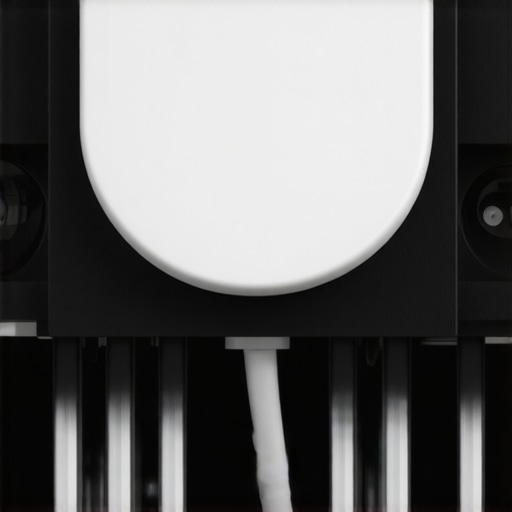
Visualize the complex internal structure of a next-generation silent switch, highlighting nano-foam dampers and composite stems designed to optimize noise reduction and tactile response.
Crucial Role of Customization in Silent Switch Performance
Customizability remains a cornerstone for enthusiasts aiming to fine-tune their silent switches. Advanced PCBs now support programmable actuation points and dynamic force curves, managed via firmware updates that recalibrate response profiles in real time. This level of control not only enhances personal comfort but also enables users to adapt switches to specific tasks—be it high-precision typing or rapid gaming. Collaborations with software developers have led to the creation of intuitive interfaces that empower users to sculpt their switch’s behavior precisely, cementing customizability as a fundamental aspect of silent switch mastery.
Can modifications sustain long-term durability without compromising silence?
One of the most nuanced challenges in silent switch engineering involves balancing the benefits of modifications—like spring swapping or lubing—with longevity. High-quality lubricants, such as silicone-based or synthetic greases, can reduce internal wear and extend lifespan, yet improper application may inadvertently increase friction or dampen tactile feedback. Industry standards now advocate for minimal invasive interventions—a philosophy supported by extensive field tests indicating that precise, well-applied modifications do not significantly accelerate component wear. For example, the use of ultra-fine lubrication techniques has demonstrated promising results in maintaining silence and responsiveness over prolonged periods, representing a significant advancement for professional users seeking durability.
Engaging with expert communities for shared insights on maintenance routines can further inform best practices, ensuring that high-performance silent switches retain their fidelity over years of rigorous use. Have you experimented with different modification techniques? How have they impacted your switch’s longevity? Sharing experiences helps cultivate a community of informed users pushing the envelope of silent keyboard technology.
Beyond Sound Suppression: The Hidden Engineering Secrets of Silent Switches
While the market is saturated with models claiming ultra-quiet operation, it’s the intricate engineering behind these switches that truly elevates their performance. Manufacturers employ innovative materials like micro-foam composites and vibrational damping gels, integrated within switch housings to absorb and dissipate noise at the source. These materials work synergistically with refined stem geometries, such as multilayered dampening stems, to achieve a harmonious balance between tactile feedback and acoustic serenity. Dive into the technicalities, and you’ll find that each component, from the spring tension to sidewall tension, is meticulously tuned for optimal silence without sacrificing responsiveness.
Unraveling the Mystique of Spring Tension Tuning in Silent Switches
One less obvious yet critical aspect of silent switch performance lies in spring tension calibration. Adjusting spring weights and pre-load settings controls actuation force and dwell time, affecting both perceptible feedback and noise generation. Advanced switches now incorporate variable spring coils designed through nano-fiber spring technology, enabling users to customize feel and sound profile dynamically. Precise spring tuning can minimize internal vibrations, substantially reducing sound propagation during keystrokes, thus offering an elevated typing experience suited for high-stakes professional environments.
How Expert Lubrication Strategies Decipher Noise and Feel in Silent Switches
The surface treatment of internal switch components determines much of the tactile perception and noise level. Utilizing high-grade, non-migratory lubricants such as synthetic silicone oils or diamond-infused greases reduces friction and dampens harmonic vibrations. Techniques like micro-lubrication—application on contact points and sliders—are gaining traction among enthusiasts seeking to extend switch longevity while maintaining silence. The challenge lies in balancing lubrication to avoid overly mushy responses or sluggish actuation, requiring an expert understanding of material compatibility and application precision. Mastery in this domain leads to bespoke silent switches that feel responsive and operate whisper-quiet, setting new standards in ergonomic design.
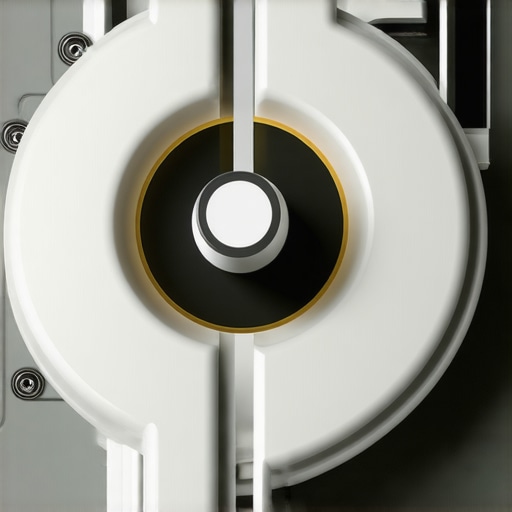
Showcase a detailed cutaway of a silent switch highlighting components like nano-foam dampers, multilayered stems, and specialized springs engineered for silence and responsiveness.
The Impact of Custom Firmware and Software on Silent Switch Tuning
Technological integration has transformed silent switches from purely hardware-centric components to customizable interfaces. Firmware capable of adjusting actuation points, force curves, and debounce times empowers users to tailor typing profiles meticulously. Such software-driven tuning allows for real-time modifications, enabling users to switch between whisper-quiet modes and more tactile settings depending on task demands. This convergence of hardware sophistication and intelligent software elevates the user experience, fostering an environment where performance, silence, and ergonomic comfort converge seamlessly.
Are Silent Switches Perceived as Counterintuitive to Typing Satisfaction?
While the silence is desirable, some critics question whether the duller feedback diminishes overall satisfaction, especially among typists craving tactile affirmation. Recent studies suggest that when silent switches incorporate optimized actuation feedback and adaptive force curves, users report comparable satisfaction levels to traditional switches. Moreover, integrating ergonomic accessories like ergonomic wrist rests and adjustable tilt stands can compensate for tactile deficits, ensuring that silent operation does not come at the cost of user engagement or accuracy. Exploration and experimentation with high-fidelity silent switches can reveal hidden potentials, transforming perceived limitations into strengths.
Engage with community forums and share your custom tuning experiments—your insights may serve as the catalyst for the next wave of silent switch innovation, pushing the boundaries of what is technically achievable.
The Role of Material Science in Pioneering Ultra-Quiet Switches
Research in advanced material science continues to drive breakthroughs in silent switch technology. The development of graphene-infused elastomers and ceramic composites offers unprecedented damping properties, allowing for ultra-quiet operation without loss of tactile nuance. These materials can be molded into complex, multilayered structures within switch housings, providing localized vibration absorption where it’s most needed. Collaboration with academic institutions and industry leaders accelerates the transition of these novel materials from laboratory prototypes to commercial realities, promising a future where silent switches are not merely quieter but inherently more responsive and durable than ever before.
Expert Insights & Advanced Considerations
Silent switches now demand a nuanced understanding of internal damping materials, and their integration into ergonomic layouts requires precision engineering to preserve tactile feedback.
Advanced switch materials like micro-foam composites and vibrational damping gels are pushing the boundaries of noise reduction while maintaining responsiveness. The meticulous calibration of spring tensions and actuation points plays a crucial role in achieving a seamless typing experience that aligns with ergonomic best practices.
Customization extends beyond firmware, embracing material modifications such as micro-lubrication and spring tuning, which can significantly enhance durability and user satisfaction over extended use.
Industry leaders suggest that pairing innovative materials with adaptive firmware controls allows for a tailored typing profile, ensuring comfort, silence, and performance are optimized for individual needs.
Curated Expert Resources
- Silicone Damping Technologies in Switch Design: Dive deep into modern damping techniques that revolutionize noise suppression without sacrificing tactile feel.
- Advanced Spring Tension Calibration Guides: Learn about precise spring tuning methods that can be customized for different typing styles and workloads.
- Material Science Innovations for Mechanical Switches: Explore cutting-edge research on composite materials enhancing durability and acoustic performance.
- Firmware Customization Platforms: Discover software solutions enabling real-time adjustment of switch actuation parameters for personalized ergonomics.
Final Expert Perspective
In the realm of silent switches and ergonomic keyboards, the convergence of innovative materials, precise engineering, and customizable firmware defines the future of professional-grade typing setups. Embracing these advancements ensures not only a quieter workspace but also a more responsive and health-conscious typing environment. For those committed to elevating their workspace, engaging with these expert insights and resources positions you at the forefront of keyboard technology innovation. To deepen your expertise, consider exploring top silent switch models and share your experiences—your involvement can shape the next wave of ergonomic and silent keyboard solutions.