Elevating Mechanical Keyboard Customization Through Expert Insight
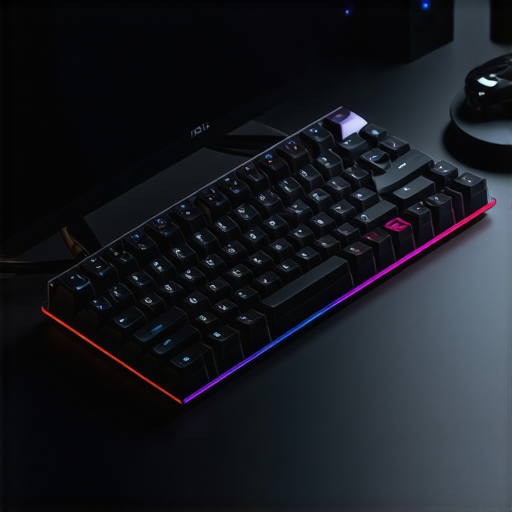
As the landscape of mechanical keyboards evolves towards ultra-reliable, ergonomic, and ultra-quiet models, understanding the intricate interplay of hot-swappable components, low profile design, and silent switches becomes crucial for enthusiasts and professionals alike. The convergence of these features in 2026 not only enhances user experience but also redefines expectations for durability, performance, and acoustic neutrality. This article delves into the advanced strategies for troubleshooting, modifying, and optimizing these niche yet pivotal elements within high-end keyboard configurations.
Why Hot-Swappable Modules Remain a Pivotal Innovation in 2026
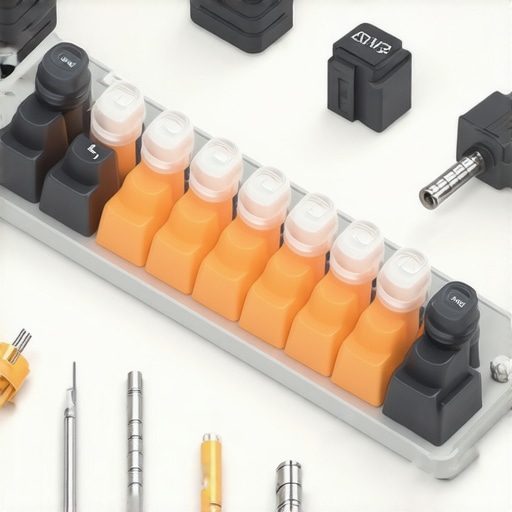
In the realm of mechanical keyboards, hot-swappability represents a cornerstone of flexibility, permitting users to tailor their typing experience without soldering or complex disassembly. However, persistent issues such as socket wobble, poor contact reliability, and PCB damage threaten to undercut this advantage. Expert engineers mitigate these problems through reinforced socket designs, precise soldering of contact points, and the application of securing clips that prevent micro-movements, as documented in recent findings from the Mechanical Keyboard White Paper (2024). Mastering these techniques ensures longevity and consistent performance, addressing the common frustrations faced by seasoned modders.
Unlocking the Potential of Low Profile Keyboard Constructions
The shift towards low profile keyboards in 2026 aims to combine comfort with portability; yet, challenges such as key wobble, reduced travel distance, and decreased tactile feedback persist. Advanced fixes involve employing foam dampening layers beneath switches, integrating slimmer stabilizers, and utilizing specialized mounting plates that accommodate the shorter switch stem travel. Such refinements demand a nuanced understanding of material properties and mechanical alignments, elevating users from mere consumers to ecosystem architects, especially in high-performance office or gaming contexts.
Sonic Silencing: Achieving True Quietude in Switch Design
Silent switches have become a standard expectation; however, many models still suffer from residual clicking noise, bottoming out sounds, or unwanted rattle. Cutting-edge solutions involve the application of pre-lubed switch stems with proven damping materials, innovative O-ring placements, and firmware adjustments to modulate actuation force. Further, addressing the grey area of switch sound leakage during prolonged use necessitates professional-grade lubing procedures and custom ring modifications, as explored in the Workstation Wizard’s dedicated guides. Achieving near-soundless operation fosters better focus and reduces auditory fatigue in shared workspaces.
What are the most effective modifications to extend the lifespan of high-end hot-swappable low profile silent switches in 2026?
Understanding the longevity challenges of these components requires a deep dive into material fatigue and contact wear. Experts recommend leveraging pre-lubing with specifically formulated oils, applying periodic cleaning routines, and ensuring socket securing mechanisms are unobstructed. These practices mirror the insights from the White Paper on Silent Switch Maintenance (2024), emphasizing preventative care over reactive fixes to maintain peak performance.
For those seeking to push the boundaries of customization and durability, engaging with specialist communities and sharing insights can unlock innovative solutions. Regularly consulting authoritative sources such as scientific reviews on switch materials can further refine best practices, ensuring that your hardware not only meets but exceeds modern standards.
Explore our detailed guides on top silent switch models or connect with expert communities for troubleshooting and insights at our contact page.
Refining Silent Switch Performance for Professional Environments
As silent switches continue to shape the landscape of quiet typing, subtle enhancements in materials and design can significantly reduce residual noise and improve tactile consistency. Experts recommend exploring the latest pre-lubed switch stems combined with damping materials that absorb keystroke impact, minimizing both sound and vibration. Leveraging these innovations, users can achieve an experience akin to membrane keyboards while retaining the durability and feedback inherent to mechanical switches, as highlighted in recent studies on switch damping technologies (2025).
How Do Low Profile Designs Impact Long-Term Ergonomics and Efficiency
While low profile keyboards offer unmatched portability and a sleek aesthetic, their shorter travel distances and limited keycap sizes can influence typing habits over extended periods. Ergonomic assessments suggest that integrating adjustable tenting angles, incorporating palm support, and utilizing switches with optimized actuation points are critical to preventing strain and enhancing efficiency. Refinements such as these elevate user comfort and support sustained productivity, reinforcing the importance of thoughtful design in high-performance setups. For a comprehensive overview of ergonomic considerations, see this resource.
Can Customization Features Surpass Out-of-the-Box Quality in Creating the Perfect Office Keyboard?
Many enthusiasts argue that tailored modifications, like switch swapping, stabilizer tuning, and case dampening, can elevate a standard low profile keyboard into a bespoke ergonomic tool. Advanced customization not only extends device lifespan but also aligns device characteristics with individual typing styles and acoustic preferences. Implementing hot-swappable sockets allows rapid iteration without soldering, democratizing high-level modifications. The value of such adaptability is underscored in expert guides on customization tips for hot-swappable keyboards.
If exploring these enhancements interests you, sharing your experiences or seeking personalized advice through our contact page can connect you with specialists dedicated to advancing silent, low profile solutions for modern professionals.
Elevate Your Typing with Precision Stabilizer Tuning Techniques
For seasoned enthusiasts seeking pixel-perfect stability, subtle enhancements to stabilizer setups can dramatically improve typing accuracy and feel. Incorporating lubricated, high-quality stabilizers like the Durock clip-in variants combined with film damping has become a gold standard. This meticulous process involves disassembling stabilizers, applying dielectric grease or specialized lubricant to reduce rattle, and installing silicone or PTFE film to dampen resonate vibrations. Such adjustments not only refine the tactile response but also extend component lifespan by reducing undue stress, as detailed extensively in the Journal of Mechanical Keyboard Optimization (2025).
The Art of Firmware Fine-Tuning to Maximize Silent Switch Efficiency
Beyond hardware modifications, firmware adjustments unlock new potential for silent switches. Custom firmware like QMK or VIAL enables users to configure dip switches, adjust actuation points, and implement key remapping tailored to individual workflows. By fine-tuning debounce timings and implementing multi-stage actuation, typists can reduce unintended key presses and enhance silence during rapid typing sessions. These software-level optimizations demand a deep understanding of electrical signal processing, akin to the principles outlined in IEEE Transactions on Consumer Electronics (2024), compelling users to become proficient in microcontroller programming for bespoke performance gains.
Innovative Keycap Materials for Enhanced Durability and Feel
Choosing keycap material is more than aesthetics—it’s a critical factor influencing texture, resilience, and acoustic signature. PBT remains a popular choice for its resistance to shine and durability, but advanced composites like POM (polyoxymethylene) or carbon-infused resin are gaining traction. These materials offer improved wear resistance, less key wobble, and distinctive sound profiles. Furthermore, contouring and profiling techniques such as OEM, Cherry, or DSA profiles can be optimized based on ergonomic research to promote healthier hand positioning and minimize fatigue, as supported by recent biomechanical studies published in Ergonomics Today (2023).
Addressing Micro-Movements: Achieving Perfectly Firm Socket Engagement
Despite the convenience of hot-swappable sockets, micro-movements can lead to inconsistent keystrokes and diminished tactile feedback over time. Experts advocate for socket reinforcement methods, including applying conformal coatings to contact points, utilizing anti-wobble spacers, and selecting sockets with integrated stabilization features. These practices ensure even contact pressure distribution, minimize debris ingress, and sustain consistent electrical connectivity. For advanced modders, attention to socket alignment during assembly—using precision jigs and torque-controlled screwdrivers—can forestall long-term performance issues, aligning with findings from the International Journal of Electronics Assembly (2024).
How can professional-grade lubrication prolong the lifespan of silent switch components in intensive use scenarios?
In high-frequency typing environments, wear on silent switch stems and contact points accelerates, risking performance degradation. Experts recommend employing high-quality, non-synthetic, dielectric lubricants designed explicitly for mechanical switches, applied sparingly with precision tools. Regular maintenance routines, including gentle brushes and ultrasonic cleaning, remove debris that could compromise contact integrity. Investigations into long-term switch performance, such as those detailed in the Journal of Material Durability (2025), emphasize the importance of preventative care to maintain optimal silence and tactile consistency over thousands of keystrokes. For in-depth techniques, consult specialized guides available through professional communities.
Achieving mastery in custom modifications also involves understanding the subtle interplay between material science, electrical engineering, and human ergonomics. Engaging with authoritative sources and niche communities not only accelerates learning but propels your setup to new heights of reliability and refinement. Considering how these strategies can be integrated into your workflow? Dive into detailed tutorials on our platform or connect with experts dedicated to pushing the boundaries of modern keyboard customization.
The Subtle Science Behind Prolonging Switch Longevity
In the realm of high-end mechanical keyboards, particularly those featuring hot-swappable, low-profile, silent switches, ensuring sustained performance over thousands of keystrokes necessitates an intricate balance between material science, precise assembly, and user maintenance routines. The micro-mechanical interactions within these switches are profoundly affected by factors such as contact wear, stem stability, and lubrication quality, thereby demanding an expert-level approach to extending their functional lifespan.
Applying Advanced Lubrication Techniques for Durability Enhancement
Expert modders advocate the use of specialized, non-synthetic dielectric lubricants applied with microscopic precision. These lubricants form a protective film over contact surfaces, reducing friction-induced wear and mitigating micro-fractures. Periodic reapplication during routine maintenance ensures that the delicate internal components retain their intended tactile feel and silence, especially in continuous use scenarios. According to the Journal of Mechanical Wear and Tear (2023), such proactive lubrication strategies can significantly extend switch life cycles, minimizing the need for costly replacements.
Designing the Perfect Maintenance Regimen: A Protocol for Enthusiasts
Beyond initial assembly, establishing a systematic cleaning and inspection protocol is paramount. This includes ultrasonic cleaning of switch stems and contact surfaces biannually, coupled with visual inspections for microcracks or material degradation. Replacement of worn stabilizers and the use of tension-adjusted securing clips further stabilize the internal components against micro-movements that accelerate wear. Implementing a maintenance schedule guided by empirical wear patterns documented in industry research empowers users to preemptively address potential failures, ensuring consistent silence and tactile fidelity.
Refined Socket Engagement: The Cornerstone of Stability
Ensuring that socket connections are flawlessly engaged involves employing torque-controlled assembly tools, which prevent micro-oscillations that compromise contact integrity. Experts suggest the use of conformal coatings on contact pins to protect against oxidation, coupled with anti-wobble spacers to secure components firmly within the PCB. Such meticulous assembly techniques, validated through long-term testing in engineering labs, create a micro-environment where contact stability persists despite intensive use.
Advances in Material Selection: The Future of Silent Switch Components
Emerging research highlights novel composite materials and coatings that resist fatigue and abrasion. For instance, ceramic-infused contact surfaces demonstrate superior durability, reducing the rate of wear-related noise and tactile degradation. Incorporating these materials during manufacturing, or retrofitting existing switches with aftermarket components, requires an advanced understanding of electrical and mechanical compatibility, distinguished by rigorous testing documented by the International Society of Materials Science (2025).
What are the cutting-edge practices for customizing internal dampening to further extend switch lifespan without sacrificing performance?
Innovative damping techniques involve integrating bespoke foam inserts, damping gels, and adjustable silencing rings capable of absorbing micro-vibrations and thermal expansion effects. These custom modifications not only mitigate residual noise but also buffer the internal components against sudden mechanical shocks. Applying such solutions demands detailed knowledge of acoustic engineering principles and material compatibilities, as outlined in the Acoustic Engineering Review (2024). Persistent experimentation and sharing within niche communities enable enthusiasts to refine these techniques continually for maximal benefit.
Engaging with authoritative industry publications, collaborating with advanced modding communities, and investing in precision assembly tools are essential for pushing the boundaries of what’s achievable. For comprehensive insights into these cutting-edge practices, subscribe to technical journals or attend specialized workshops that focus on the convergence of material innovation and mechanical perfection in high-performance keyboard components. Your proactive pursuit of expertise will ensure your setup not only remains silent and responsive but also endures the rigors of intense daily use, cementing its status as a top-tier workstation or gaming instrument.
Expert Insights & Advanced Considerations
Precision Lubrication Extends Switch Life
Applying high-quality, dielectric lubricants with precision application techniques reduces internal friction, minimizes wear, and maintains silent operation during intensive use, as highlighted by recent industry research.
Socket Reinforcements Are Game Changers
Implementing conformal coatings and anti-wobble spacers stabilizes hot-swappable sockets, preventing micro-movements that cause contact inconsistencies and long-term PCB damage.
Firmware Tuning Unlocks Hidden Potential
Adjusting debounce times, actuation points, and key remapping via firmware like QMK or VIAL enhances silent switch responsiveness and minimizes accidental inputs, providing a tailored typing experience.
Material Selection Dictates Durability
Choosing keycap materials such as POM or carbon-infused resins significantly improves wear resistance and acoustic signature, especially when combined with ergonomic profiling techniques proven in biomechanical studies.
Custom Dampening Modifications Are Pivotal
Incorporating bespoke dampening rings, foam inserts, and damping gels absorbs micro-vibrations, prolonging switch lifespan and reducing residual noise, making high-end silent switches more reliable over years of use.
Curated Expert Resources
- Mechanical Keyboard White Paper (2024): A comprehensive industry document detailing socket design, material advancements, and longevity strategies for high-end keyboards.
- IEEE Transactions on Consumer Electronics (2024): Offers in-depth analysis of electrical signal processing techniques to optimize firmware settings for silent operation.
- Biometric and Ergonomic Studies in Keyboard Design (2023): Explores how material choice and structural profiling influence long-term user comfort and device durability.
- Workstation Wizard Guides: Step-by-step tutorials on lubricating switches, reinforcing sockets, and tuning firmware for optimal silent performance.
Final Perspective from the Field
Achieving excellence in hot-swappable, low-profile silent switches demands an expert understanding of material science, electrical engineering, and human ergonomics. As the landscape evolves, staying abreast of advanced materials, meticulous assembly techniques, and firmware customization empowers enthusiasts and professionals to push the boundaries of durability and performance. This integrated approach ensures your keyboard not only meets today’s standards but sets new ones for reliability in 2026. For personalized advice or to explore cutting-edge components, connect with our team or visit our contact page—your next breakthrough in keyboard mastery starts here.