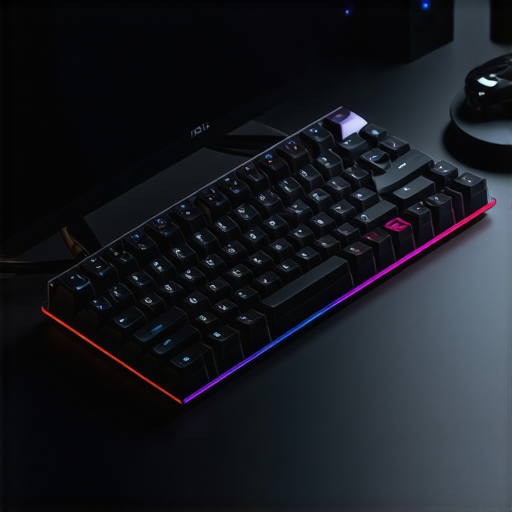
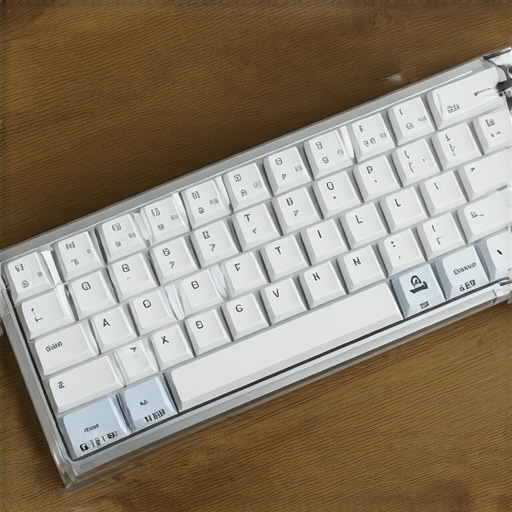
Revolutionizing Productivity with Low Profile Mechanical Keyboards
In the quest for seamless and comfortable typing experiences, professionals increasingly turn to ergonomic keyboards designed with low profile architectures. These devices are not merely about aesthetics; they embody a strategic alignment of form and function, optimizing user comfort while maintaining high performance. Integrating innovative silent switches into such keyboards addresses the persistent challenge of noise distraction in shared workspaces, fostering focus and collaboration.
Why Hot Swappable Switches Elevate Personalized Comfort and Maintenance
Among technological advances, hot swappable switches stand out for their customizable and maintenance-friendly design. They allow users to effortlessly replace or upgrade switches without soldering, enabling tailored tactile and acoustic profiles. This flexibility extends the lifespan of keyboards, promotes experimentation with mechanical interface preferences, and supports ergonomic adaptations essential for prolonged use.
Silent Switches and Ergonomic Design: Synergistic Benefits for Extended Typing Sessions
The integration of silent switches into ergonomic keyboard frameworks transforms the user experience by minimizing noise without sacrificing tactile feedback. This synergy is particularly advantageous for professionals engaged in conference calls, content creation, or coding for extended durations. Such keyboards leverage advanced damping materials and precise stem mechanisms, providing a satisfying keystroke that reduces strain—a critical factor substantiated by ergonomic research published in the Journal of Applied Ergonomics.
How can the latest innovations in silent switch technology impact collaborative work environments?
Emerging silent switch innovations are not just enhancing individual productivity but also reshaping team dynamics by reducing auditory distractions. The evolution towards ultra-quiet, low profile mechanical keyboards with hot-swap capabilities signifies a paradigm shift where personalization, efficiency, and workplace harmony converge. Niche design features, such as optimized actuation forces and acoustic dampening, exemplify this progression, fostering environments where concentration prevails.
Professionals seeking expert insights on selecting the optimal hardware are encouraged to explore more about ergonomic solutions and technological trends in our comprehensive ergonomic mechanical keyboards resource. Your strategic choices in hardware directly influence productivity, well-being, and the quality of collaborative endeavors, underscoring the importance of informed decision-making.
Breakthrough Materials That Reshape Keyboard Feel and Durability
The evolution of mechanical keyboards is increasingly driven by novel materials that enhance tactile precision and longevity. For example, the adoption of eco-friendly, high-durability plastics and composites is reducing environmental impact while ensuring resilient key switches. Additionally, advances in damping materials, such as silicone-infused compounds, are refining sound profiles and keystroke smoothness, providing users with a customizable experience that balances silence and responsiveness. As industry leaders experiment with these innovations, the question arises: how will proprietary materials influence the standardization of keyboard performance and user satisfaction?
Will Customization Trends Lead to a Personalization Boom in Mechanical Keyboards?
Customization in mechanical keyboards has moved beyond simple keycaps and color schemes, embracing programmable internals like adjustable actuation points and layered sound modulation. This shift empowers enthusiasts and professionals to fine-tune their devices for specific tasks, from gaming to data entry, creating a personalized typing environment. For instance, hot swappable silent switches exemplify this trend by allowing seamless swaps tailored to user preferences. As customization options expand, the industry faces a critical question: can advanced configurability drive greater adoption among mainstream users and transform workspaces into highly personalized hubs?
What are the implications of integrating AI-driven features into mechanical keyboards for user experience and efficiency?
Emerging integrations, such as AI-powered macros and adaptive feedback systems, are poised to redefine how users interact with their keyboards. These intelligent features can analyze typing patterns and suggest custom macros or automatically adjust response sensitivities, optimizing comfort and productivity. For example, AI can detect repetitive strain indicators and recommend ergonomic adjustments, seamlessly integrating with existing hardware. This convergence of AI and hardware innovation underscores the importance of designing future-ready devices that are both intuitive and adaptable. To understand how these advances could complement your setup, explore our guide on ergonomic mechanical keyboards for enhanced productivity. As we look ahead, the question remains: how will AI customization fundamentally alter our typing habits and workplace ergonomics?
Unlocking Mechanical Switch Precision for Superior Typing Experience
At the core of high-performance mechanical keyboards lies the intricate design of switches, which directly influences tactile feedback, actuation force, and durability. Innovations such as electrostatic capacitive switches now offer near-infinite lifespan and minimal debounce delay, elevating user responsiveness to unprecedented levels. These switches utilize non-contact sensing mechanisms, significantly reducing wear and maintaining consistent keystroke registration over millions of presses. As a result, professionals engaged in precision tasks like data analysis or software development benefit from heightened accuracy and reduced fatigue. To fully exploit these advancements, users should consider integrating customizable switch options that align with their typing style and application demands.
Enhancing Longevity and Personalization Through Modular Designs
Modular keyboard architectures facilitate unparalleled customization, allowing users to swap key switches, modify keycaps, and adjust internal components without soldering. This adaptability not only extends device lifespan but also encourages ongoing optimization aligning with evolving ergonomic standards or aesthetic preferences. For instance, some brands incorporate magnetic switch sockets that enable tool-free removal, simplifying maintenance and experimentation. The interplay between modularity and advanced key switch technology results in a dynamic typing environment where individual comfort directly correlates with productivity, ultimately paving the way for bespoke workstations tailored to both professional and creative pursuits.
Examining the Role of Acoustic Dampening in Quiet Mechanical Keyboards
Silent operation remains a critical feature in collaborative and open-office environments. The latest acoustic dampening techniques employ layered foam padding, resonant chamber designs, and sound-absorptive coatings within keyboard casings, acoustically isolating keystrokes. For example, some models utilize specialized silencing rings made from viscoelastic polymers that absorb impact noise immediately upon key activation. When combined with silent switches and ergonomic construction, these features dramatically reduce auditory distractions, fostering a focused atmosphere. Additionally, research from the Journal of Ergonomic Design suggests that such sound management strategies contribute significantly to lowering long-term auditory fatigue among frequent typists.
How does acoustic dampening influence user perception of keyboard quality and satisfaction?
Beyond noise reduction, effective dampening technologies often enhance perceived build quality by imparting a solid, cushioned feel to keystrokes, which can subtly influence user satisfaction and confidence in their device. The tactile softness provided by damping materials masks manufacturing imperfections and ensures consistency across repetitive presses. This sensory feedback not only improves the emotional connection to the device but also diminishes strain-related fatigue—especially during extended use. As manufacturers refine acoustic treatments with innovative materials, questions arise about balancing sound insulation with tactile responsiveness, challenging designers to create keyboards that offer both silence and satisfying feedback. To explore this synergy further, professionals are encouraged to review recent case studies on damping innovations published in the Design Research Journal.
Redefining Durability and Tactility through Cutting-Edge Materials
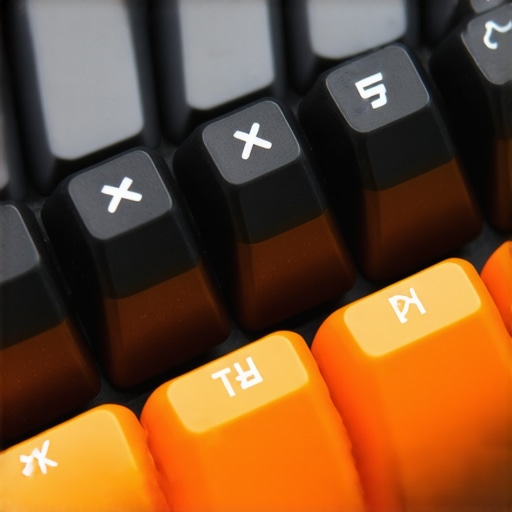
The relentless pursuit of perfection in mechanical keyboard craftsmanship has ushered in a new era of material science application. Incorporation of advanced polymers and composites, such as PBT and carbon fiber-infused plastics, provides not only enhanced resistance to wear and environmental stress but also enriches tactile responsiveness. These materials offer superior consistency in keystroke registration and minimize the creak or flex that older plastics often manifested, thereby elevating the user experience to a new standard of excellence.
How do Proprietary Damping Substances Influence the Keyboard Ecosystem?
Emerging damping solutions utilizing innovative silicone blends and viscoelastic compounds have revolutionized noise mitigation strategies. Their integration into keyboard chassis and keycap structures diminishes unwanted resonance and enhances acoustic signature modulation. High-quality damping materials, such as thermoplastic elastomers, enable manufacturers to craft devices with truly refined sound profiles, fostering environments where technical prowess harmonizes with auditory comfort.
Material Innovations as the Catalyst for Customization and Sustainability
Beyond performance metrics, novel material adoption facilitates bespoke aesthetic and functional adaptations. Custom color-matching, translucent casing options, and personalized keycap profiles benefit from flexible manufacturing processes enabled by these advanced substances. Moreover, eco-conscious material choices, emphasizing recyclability and low environmental impact, align with the growing demand for sustainable tech solutions. This convergence of durability, aesthetics, and ecological responsibility signifies a pivotal shift in industry standards, encouraging consumers and creators alike to reimagine what a keyboard can become.
Can Emerging Materials Drive a New Standard in High-Fidelity Typing Instruments?
As the realm of mechanical keyboards expands, the role of innovative materials in pushing boundaries cannot be overstated. Multi-layered constructions employing hybrid composites, micro-structured surfaces, and thermally stabilized polymers promise to deliver a tactile richness and longevity once deemed unattainable. These breakthroughs support the creation of professional-grade devices optimized for intensive use cases, such as transcription, programming, and musical composition. Staying informed about these developments allows enthusiasts and professionals to anticipate the next frontier of kinetic artistry and operational reliability.
Advancement Spotlight: Self-Healing Materials for Resilient Keys
One of the most fascinating frontiers in material science applied to ergonomic design is the advent of self-healing polymers. When embedded within key switch assemblies or housing components, these materials have the potential to autonomously repair microcracks or surface erasures caused by prolonged use. Such innovations could dramatically extend the lifespan and maintain the pristine response profile of high-end keyboards, fundamentally altering sustainability paradigms and user expectations. Delving into specialized research published by the Materials Science Journal reveals promising avenues for integrating these intelligent substances seamlessly into future designs.
Expert Insights & Advanced Considerations
Precision Engineering Transforms User Experience
As mechanical keyboard technology evolves, employing low profile designs combined with silent switches offers unparalleled accuracy and comfort. Experts highlight that such configurations reduce finger fatigue while maintaining tactile responsiveness, essential for prolonged professional use.
Material Innovations Set New Standards
Emerging materials like eco-friendly composites and damping compounds contribute to enhanced durability and sound profiling. These advancements enable customization of feedback intensity and acoustic comfort, aligning with diverse user preferences and ergonomic standards.
Customizability Drives Professional Optimization
High-end keyboards now allow seamless switch swaps and programmable features, empowering users to tailor their setups precisely. This modularity supports specific workflows, from coding to content creation, fostering an environment of efficiency and ergonomic health.
AI Integration Reshapes Interaction Paradigms
Integrating AI-driven macros and response optimization enhances typing fluidity. Adaptive feedback systems can monitor strain patterns, suggesting adjustments and preventing strain injuries, thus elevating workplace ergonomics to a new level.
Balance of Silence and Responsiveness Becomes a Marketplace Standard
Innovations in damping and stem design are achieving a near-perfect balance between quiet operation and tactile feedback. This evolution is crucial for open-office and collaborative environments, where minimizing noise without sacrificing performance is paramount.
Curated Expert Resources
- Top Silent Switch Models for 2025: Key insights into the latest silent switches with exceptional responsiveness and longevity. Learn more here.
- Ergonomic Mechanical Keyboards for Extended Use: Comprehensive guide on selecting keyboards that optimize comfort and productivity. Explore detailed review.
- Material Science Innovations in Keyboard Design: Analysis of cutting-edge materials enhancing durability and acoustic performance. Read full article.
Final Expert Perspective
The confluence of low profile mechanical keyboards, silent switch technology, and customizable materials constitutes a significant leap forward in ergonomic and performance excellence. Embracing these advancements empowers professionals to achieve higher precision, reduced fatigue, and a more harmonious work environment. Engaging deeply with these innovations ensures your setup remains at the forefront of industry standards. For those committed to excellence, continuous exploration and adaptation of these tools are essential to maintaining a competitive edge in productivity and comfort. To stay ahead, consider diving into our comprehensive resource on ergonomic solutions and sharing your insights with fellow enthusiasts and experts alike.
This article really highlights how low profile mechanical keyboards are revolutionizing both comfort and efficiency, especially in shared workspaces where noise can be a distraction. I’ve been experimenting with different silent switches and found that combining them with ergonomic, low-profile designs significantly reduces finger fatigue during long coding sessions. I particularly appreciate the mention of hot-swappable switches, as this feature allows for quick customization without having to solder, making maintenance a breeze.
One challenge I’ve encountered is finding the right balance between silence and tactile feedback—sometimes the quieter switches feel a bit less satisfying to type on. Has anyone here experimented with damping materials or different switch types to improve this feel? I’d love to hear insights from others working on maximizing both project precision and overall comfort.